Best Residential Memory Care Facilities in West Virginia
Best Residential Memory Care Facilities in West Virginia: Finding Top-Rated Memory Care for Your Loved One
Finding the right residential memory care in West Virginia is an emotional and practical challenge for families seeking safety, dignity, and effective dementia support for a loved one. This guide explains what specialized memory care is, how it differs from assisted living and nursing homes, and why a free-standing memory care home can change daily outcomes for people with Alzheimer's disease and other dementias. You will learn how memory care programs address stages of cognitive decline, what services and activities support quality of life, which financial options families commonly explore, and how to evaluate and compare local providers. The article includes practical checklists, comparison tables, and clear next steps for scheduling a visit or requesting an assessment. Throughout, the focus is on West Virginia–specific needs and actionable guidance that helps families move from uncertainty to confident decisions about residential memory care.
What Is Specialized Memory Care and How Does It Benefit Residents in West Virginia?

Specialized memory care is a type of residential senior living focused on Alzheimer’s disease and other forms of dementia, providing structured routines, trained staff, and environmental design that reduce confusion and risk. It works by combining consistent daily schedules, behavioral programming, and tailored activities that reinforce memory, orientation, and social connection; this mechanism reduces agitation and supports daily functioning for residents. The specific benefit is improved safety and emotional well-being through predictable routines and staff skilled in dementia care, which is particularly important in West Virginia communities where families seek localized, expert support. Current research and practice emphasize that environment, activity, and staff training together form the core of effective memory care interventions.
Memory Care Settings: Designing for Dementia Well-being
The designed environment can have significant negative, or positive, impacts on the well-being of individuals who are living with dementia. Memory care settings are designed to provide a safe and supportive environment for individuals living with dementia.
Memory care settings, MP Calkins, 2025
What Defines Memory Care Compared to Assisted Living and Nursing Homes?
Memory care differs from assisted living and nursing homes primarily in its dedicated focus, staff training, and environment design that mitigate dementia-related behaviors. Facilities devoted to memory care maintain secure layouts with clear sightlines and repetition in routines, while staff receive dementia-specific training to respond to behavioral and cognitive changes rather than only providing medical or task-based assistance. Memory care prioritizes non-pharmacologic interventions and individualized programming to preserve function and dignity, whereas nursing homes typically focus on medical and skilled nursing needs. These distinctions explain why families searching for “memory care West Virginia” often prefer facilities specifically tailored to Alzheimer’s and dementia, such as Braley Care Homes.
How Does Memory Care Address Alzheimer's Disease and Dementia?
Memory care programs address Alzheimer’s and dementia through individualized care plans, behavioral programming, and therapeutic activities that target cognitive stimulation and emotional regulation. Staff design interventions such as life-story work, music and sensory programming, and structured social engagement to maintain identity and reduce distress; these approaches work because they tap into preserved long-term memories and emotional responses. Medication management and close supervision form the medical backbone of care, while daily routines and meaningful tasks form the behavioral backbone, creating a comprehensive system that supports residents across stages. Understanding these combined strategies helps families evaluate whether a provider can meet evolving needs. For more details on these services, see Braley Care Homes Memory Care Services and their Alzheimer's Care and Dementia Care programs.
Alzheimer's Disease: Stage-Related Interventions and Therapy Programs
A day program with specialized physical, recreational, and social therapy programs is helpful in maintaining physical health, mobility, and neuromuscular function. These programs can support individuals with Alzheimer's disease and other dementias by providing structured activities and social engagement.
Alzheimer's disease: Stage-related interventions, 2001
What Are the Key Stages and Symptoms of Alzheimer's and Dementia in WV Residents?
Alzheimer’s and dementia progress through recognizable stages—early, middle, and late—each with typical symptoms that inform the timing of residential memory care placement and programming needs. Early-stage signs include mild forgetfulness and difficulty with complex tasks, middle-stage features increased disorientation and assistance needs for ADLs, and late-stage needs involve full-time assistance and heightened safety measures; these stage definitions guide care planning. Families should look for changes in daily functioning, safety concerns like wandering, and increased caregiver burden as indicators that a memory care setting may be appropriate. Early placement often allows programs to maximize engagement and slow decline through targeted activities and consistent routines.
Why Is Specialized Memory Care Important for Cognitive and Emotional Well-Being?
Specialized memory care benefits cognition and emotion by reducing environmental stressors and providing activities that stimulate neural pathways while promoting social connection and purpose. Consistent routines and familiar triggers reduce anxiety and agitation, and therapeutic activities such as music or reminiscence work sustain communication and mood. Research and clinical practice indicate that these environmental and programmatic strategies decrease behavioral incidents and support a higher quality of life for residents. Recognizing the emotional as well as cognitive value of memory care helps families prioritize settings that balance safety, autonomy, and meaningful engagement.
Why Is Braley Care Homes the Leading Free-Standing Memory Care Facility in West Virginia?
Braley Care Homes is presented here as a West Virginia example of a free-standing facility focused exclusively on Alzheimer’s, dementia, and memory care, illustrating how a dedicated approach works in practice. Free-standing memory care means the entire facility is organized and staffed for dementia care rather than being a neighborhood inside a larger assisted-living or nursing campus; this model enables consistent programming, specialized staffing ratios, and an environment designed expressly for memory loss. Braley Care Homes emphasizes a home-like atmosphere with secure outdoor areas, individualized activities, medication management, and continuous supervision that align with best practices in specialized memory care. As West Virginia’s only free-standing Alzheimer’s and dementia care facility, the facility’s model highlights owner-led clinical direction and local community focus.
What Makes a Free-Standing Memory Care Facility Different and More Effective?

A free-standing memory care facility differs in that its architecture, staffing, and daily rhythms are all optimized solely for residents with dementia rather than split across multiple resident populations. Design features—such as predictable layouts, secure outdoor courtyards, and household-style dining—reduce confusion and support autonomy, while staff specialize in behavioral programming and dementia communication strategies. This focused approach enables consistent training, lower staff turnover impact on routines, and programming that maps to dementia stages, which together improve resident stability and quality of life. Families considering memory care should weigh these operational differences when comparing providers.
How Does Braley Care Homes Create a Home-Like and Secure Environment?
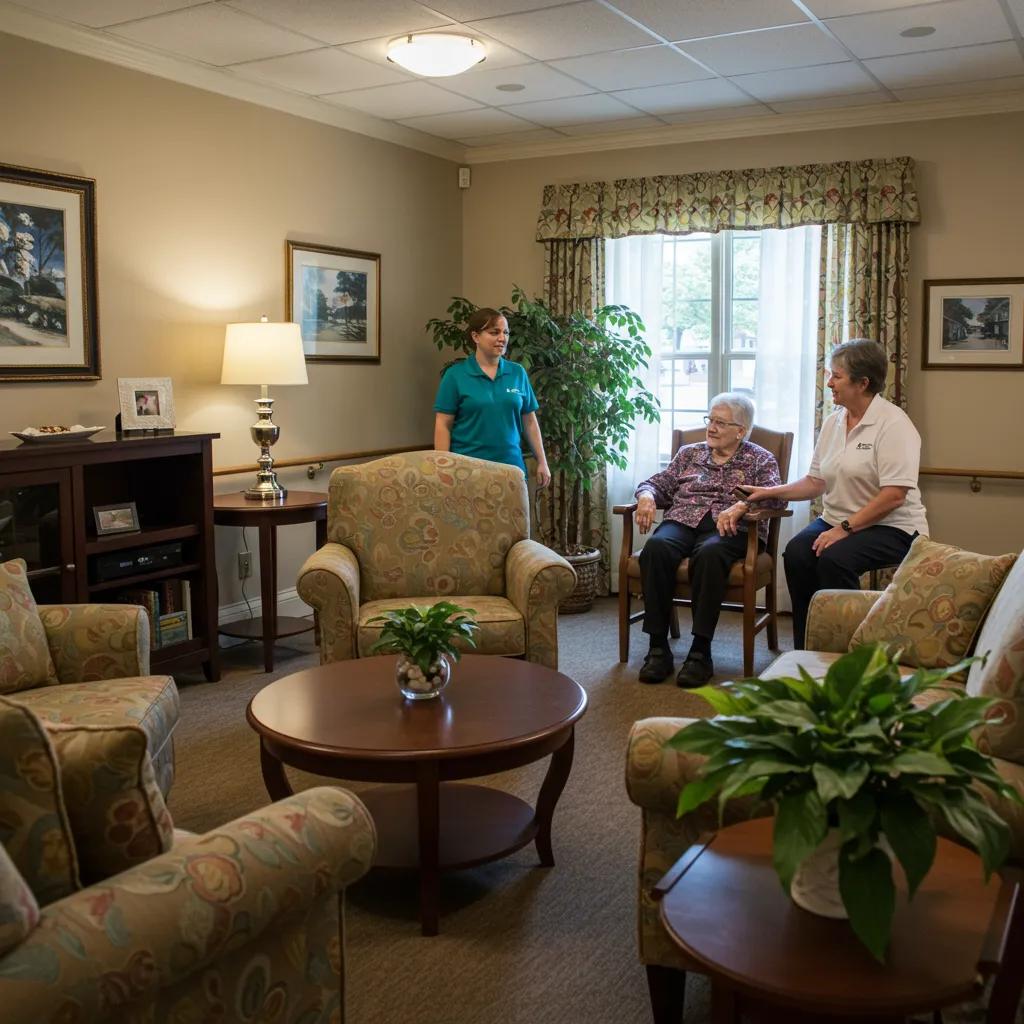
Braley Care Homes prioritizes personalization and safety by encouraging resident belongings, creating comfortable common areas, and maintaining discreet security measures that prevent wandering without an institutional appearance. The facility’s layout supports household routines and small-group activities that preserve daily roles and reduce overstimulation; secure outdoor spaces allow safe access to nature and exercise. Staff integrates life-story work and individualized activity plans to keep residents engaged and connected to personal history, supporting emotional continuity. This blend of personalization with safety underpins resident-centered care that respects dignity while managing risk.
Who Are the Expert Staff and What Specialized Training Do They Have?
At Braley Care Homes the leadership includes an owner/administrator who is a Licensed Independent Clinical Social Worker (LICSW), guiding clinical policy and staff development in dementia-specific care practices. The care team model emphasizes continuous training in dementia communication, behavior de-escalation, activity-based interventions, and medication oversight provided by licensed nurses; these roles ensure clinical oversight and daily operational expertise. Ongoing professional development ensures staff apply evidence-informed approaches to behavior and engagement, and the facility’s staffing pattern supports the close supervision required for memory care. Families gain assurance from a team that combines clinical credentials with hands-on dementia experience.
Dementia-Specific Training for Nursing Home Staff: Improving Quality of Life
For people with dementia high-quality care is vital, since at present dementia cannot be cured. In nursing homes this care is provided by the staff, who therefore require dementia-specific training enabling them to improve the quality of life for people with dementia.
Dementia-specific training for nursing home staff: A systematic literature review, 2018
How Does the Owner’s Personal Experience Enhance Care Quality?
The owner’s clinical background and personal connection to dementia inform policies that prioritize person-centered care, compassionate communication, and rigorous staff training. That clinical perspective shapes individualized care planning and a culture that values therapeutic activities and family partnerships, which in turn improves residents’ daily experiences and family trust. Having leadership with frontline clinical expertise encourages consistent quality checks, targeted staff education, and sensitivity to behavioral health needs common in dementia care. This alignment of professional experience and personal commitment creates an environment where policy translates into everyday practices benefiting residents.
What Comprehensive Memory Care Services and Activities Are Offered in West Virginia?
Comprehensive memory care services in West Virginia combine assistance with activities of daily living, medication management, therapeutic activities, and safety protocols tailored to dementia progression. Across the state, effective programs use individualized activity schedules, secure environments, and interdisciplinary teams to deliver medical and behavioral support that maintains function and reduces distress. Families should expect coordinated care that addresses ADLs, medication oversight, cognitive stimulation, and community engagement, and should evaluate providers on how these services are implemented. Below is a table comparing common service elements and how a specialized facility like Braley implements those attributes.
Introductory table explaining service attributes and implementation at a free-standing memory care home:
Service AreaCommon AttributeExample Implementation at a Free-Standing Memory Care HomeMedication ManagementOversight and administrationLicensed nursing oversight with daily checks and documented protocolsADL AssistanceSupport frequency and dignityAssisted with bathing, dressing, and meals with privacy and routine consistencyIndividualized ProgrammingActivity tailoringLife-story work, music, and sensory programs matched to resident preferences
How Is Assistance with Daily Living and Medication Management Provided?
Assistance with ADLs and medication management in memory care is structured to preserve dignity while ensuring safety through trained staff and clinical oversight. Staff perform regular medication administration with documented checks and licensed nurse reviews, while routine-based support for bathing, dressing, and eating reduces confusion and maintains independence where possible. Individual care plans specify the level of help needed, and teams adjust support as conditions change to avoid unnecessary restriction. Effective medication and ADL protocols reduce risk and support stable daily functioning for residents.
What Individualized Activities Support Cognitive Stimulation and Social Interaction?
Individualized activities target cognition and social needs by using personalized life stories, music therapy, motor-based tasks, and small-group social gatherings that match resident abilities and interests. Programs measure engagement by tracking participation and mood, and staff adapt activities based on observed responses to maximize benefit and reduce frustration. Mapping activities to dementia stages ensures appropriateness—simpler sensory tasks for later stages and more complex reminiscence for earlier stages—so residents experience success and connection. These tailored interventions support both short-term mood and long-term behavioral stability.
Introductory list of common activity types and purpose:
Life-story Reminiscence: Reinforces identity and meaningful conversation through personal history.
Music and Sensory Therapy: Evokes emotional memories and calms agitation via auditory stimulation.
Structured Social Groups: Encourage peer interaction and routine through predictable social engagement.
How Does Pet Therapy and Community Engagement Improve Resident Quality of Life?
Pet therapy and community engagement provide emotional benefits, sensory stimulation, and opportunities for safe, supervised interaction that enhance mood and social connection. Interaction with therapy animals reduces cortisol and increases oxytocin, producing calm and positive engagement, while supervised outings or volunteer visits bridge residents to the larger community safely. Facilities implement safety protocols for animals and visitors to protect health and reduce overstimulation, tailoring interactions to residents’ tolerance. These programs complement internal activities and contribute measurable improvements in resident affect and participation.
What Safety and Security Features Ensure 24/7 Supervision?
Safety and security in memory care combine environmental design, technology, and staffing to prevent elopement and manage behavioral incidents while preserving a non-institutional feel. Secure exits, monitored pathways, discreet alarm systems, and staff supervision schedules work together to ensure continuous oversight without creating an impersonal environment. Procedural safeguards such as emergency response plans and documented behavioral protocols guide staff reactions to nighttime or daytime incidents. Families should ask providers about these layered protections and how staff training supports consistent, compassionate responses.
How Much Does Residential Memory Care Cost in West Virginia, and What Financial Options Are Available?
Cost considerations for residential memory care vary by provider, city, and level of individualized services, and families often need local cost estimates plus guidance on financial resources to plan placement. Rather than relying on generic averages, families in West Virginia benefit from getting a site-specific estimate through a free care assessment that evaluates needs and provides an individualized cost projection. Common funding sources include private pay, long-term care insurance where applicable, veteran benefits, and state programs that may assist eligible residents; families should investigate eligibility criteria for each option. Braley Care Homes offers a free care assessment to help families understand local costs and plan financial next steps tailored to the resident’s care needs.
Introductory cost comparison table showing how to interpret local cost information and next steps:
Location / ProviderCost Indicator2023–2024 GuidanceCharleston-area providerAverage monthly costVaries by provider and services; request a current estimateHuntington-area providerAverage monthly costCosts depend on private vs. free-standing model; inquire directlyHurricane (Braley Care Homes)Average monthly costContact for an individualized, up-to-date cost estimate via free assessment
What Are the Average Memory Care Costs Across West Virginia Cities?
Average memory care costs can differ substantially between cities due to labor, facility type, and local demand, so city-level comparisons are useful starting points for budgeting and selection. Rather than quoting static figures, families should request current pricing from providers in their target region—Hurricane, Huntington, and Charleston are common search intents for WV families—and compare service inclusions and staffing levels. Cost drivers typically include 24/7 supervision, medication management, and specialized programming; knowing which services are included clarifies budget comparisons. A free care assessment will often convert a general cost range into a precise plan based on individual clinical needs.
What Financial Aid, Insurance, and Medicaid Options Support Families?
Families exploring payment options commonly consider private pay, long-term care insurance, veteran benefits, and Medicaid or state waiver programs where eligible; each source has distinct eligibility rules and coverage limitations. West Virginia families should consult state resources and the Alzheimer’s Association for up-to-date guidance about Medicaid programs and potential waivers that may support memory care expenses. Long-term care insurance or veteran benefits can offset costs if policy terms and eligibility align with the required level of care. Professional financial counseling or a facility’s intake team can help families identify and apply for appropriate resources.
How Can Families Access a Free Care Assessment to Plan Costs?
A free care assessment typically involves a clinical evaluation of medical needs, ADLs, behavioral patterns, and personal preferences conducted by a trained clinician or intake coordinator to produce a customized care plan and cost estimate. At a free-standing facility the assessment informs placement timing, required staffing, and recommended programming, and it serves as a foundation for financial planning and benefit applications. Families should prepare available medical records and a summary of functional abilities to make the evaluation accurate and efficient. Braley Care Homes offers a free care assessment as an entry point for families seeking a clear, individualized cost and care roadmap.
How Do Families Choose the Best Memory Care Facility in West Virginia?
Choosing the best memory care facility requires a structured evaluation of staffing, programming, safety features, cost transparency, and cultural fit between the resident and the provider. A systematic approach reduces anxiety and yields better long-term outcomes because it focuses on measurable factors—staff training, routines, activity offerings, and clinical oversight—rather than impressions alone. Families should use checklists during tours, request written care policies, and compare how facilities implement behavior management and family communication. Below is an actionable checklist table families can use during evaluations.
Evaluation FactorWhat to Look ForExample Question to AskStaffing & TrainingDementia-specific education"How often do staff receive dementia training and who provides it?"Safety & DesignSecure, non-institutional layout"How do you prevent wandering and what are emergency procedures?"ProgrammingTailored activities by stage"How are activities personalized and how do you measure engagement?"
What Are the Essential Questions to Ask When Selecting a Memory Care Home?
When touring memory care homes, families should ask focused questions about staffing, care plans, behavioral protocols, and communication to ensure the provider can meet ongoing needs. Key questions include inquiries about staff-to-resident ratios, dementia-specific training frequency, approaches to behavior management, medication administration practices, and how family communication is handled. Asking for sample daily schedules, examples of individualized programming, and explanation of emergency responses provides concrete insight into operations. Using the answers to these questions enables families to compare facilities on substance rather than style.
Numbered checklist of top questions to ask on a tour:
What dementia-specific training do staff receive and how often is it updated?
How are individualized care plans developed and who reviews them?
What protocols are in place for wandering, falls, and behavioral escalation?
How does the facility involve family in care planning and updates?
What is included in the base fee versus additional services?
How Does Braley Care Homes Compare to Other WV Memory Care Facilities?
Braley Care Homes’ free-standing model emphasizes specialized design and consistent dementia-focused staffing, which contrasts with memory-care units inside larger facilities that may split attention among mixed populations. The facility’s leadership by a LICSW and the operational emphasis on individualized programming and secure home-like environments represent differentiators families can evaluate against area providers. Objective comparison should focus on staff credentials, environmental design, activity personalization, and clear documentation of policies for medication and behavior management. Families should weigh these factors alongside cost and proximity to family supports. For more information or to start the application process, families can visit the resident application page.
What Local Resources and Support Are Available for Caregivers in WV?
West Virginia caregivers can access statewide resources such as state health and human services programs, Alzheimer’s Association support networks, and local caregiver groups for respite, education, and counseling. These resources help with benefits navigation, caregiver training, and grief support while placement decisions are made and after a move to memory care. Facilities often provide connection assistance by referring families to local chapters and community supports to strengthen caregiving networks. Building a local support plan reduces isolation for caregivers and improves coordination of care for the resident.
What Do Families Say About Their Experience with Braley Care Homes?
While specific verbatim reviews are not reproduced here, families commonly emphasize themes such as compassionate staff, improved safety, and increased social engagement as markers of positive memory care experiences. Aggregate themes point to family peace of mind when staff communicate regularly and when residents show improved daily routines and participation in activities. These outcome-focused observations align with expected benefits of specialized, free-standing memory care models that prioritize individualized programming and clinical oversight. Families evaluating providers should ask for references and examples of outcomes while respecting privacy guidelines.
What Are Common Themes in Resident and Family Testimonials?
Common themes that frequently emerge include appreciation for attentive and dementia-trained staff, meaningful daily activities that promote engagement, and transparent communication from leadership about care plans and changes. Families note reduced crisis events and greater stability in daily routines when a facility maintains consistent staffing and predictable schedules. These recurring themes provide practical indicators families can use when asking targeted questions during tours and follow-up calls. Looking for these patterns across multiple families helps verify that positive experiences are consistent rather than anecdotal.
How Do Success Stories Reflect Quality and Compassionate Care?
Success narratives typically describe observable improvements such as reduced agitation, increased participation in activities, and enhanced family interactions following placement in a specialized memory care setting. Such stories reflect an integrated approach where staff training, structured routines, and personalized activities produce measurable improvements in mood and functioning. Families often cite the combination of clinical oversight and everyday kindness as the differentiator that sustains quality care. These outcomes are the kinds of results families should seek through careful evaluation and conversation with prospective providers.
How Can You Schedule a Tour or Get a Free Assessment at Braley Care Homes?
Scheduling a tour or requesting a free care assessment at Braley Care Homes follows a simple process designed to gather necessary information, assess needs, and provide actionable next steps for placement planning. Families start by contacting the facility to share basic clinical information and caregiving concerns so the intake team can prepare an individualized assessment. The assessment is conducted by a trained clinician or intake coordinator who reviews medical history, ADL needs, and behavioral patterns to produce a recommended care plan and cost estimate. Below is a step-by-step outline of the scheduling and assessment process to guide families.
Initial Contact: Provide basic resident details and care concerns to request an assessment.
Pre-Assessment Preparation: Gather medical records, medication lists, and recent care notes for the visit.
Clinical Assessment: A trained clinician evaluates needs in person or by a coordinated visit, then outlines recommended services.
Follow-Up: Receive a written care plan and cost estimate and arrange tour dates or move-in timelines.
What Is the Process for Scheduling a Visit or Assessment?
When scheduling a visit or assessment you will be asked for the resident’s name, primary medical concerns, and preferred dates; this information helps the intake team match staff and time for a focused evaluation. The facility will explain what documents to bring, who will conduct the assessment, and an estimated duration so families can plan accordingly. After the assessment, the clinician summarizes findings and provides a written plan that outlines services and estimated costs to support decision-making. Families should ask about follow-up communications and next steps for placement when scheduling. To begin, families can contact Braley Care Homes directly.
What Should Families Expect During Their First Visit?
During the first visit families can expect a facility tour that highlights living spaces, safety features, activity areas, and examples of daily routines, along with introductions to key staff members who will explain care processes. The intake clinician will review medical history and observe functional abilities to shape an individualized plan and may meet with family to discuss preferences and goals for care. Visitors should ask to see written policies on medication management, emergency procedures, and staff training to verify operational standards. The visit is an opportunity to assess cultural fit and to clarify logistics for placement and communication.
How Can Families Contact Braley Care Homes for More Information?
To request a tour, start a free care assessment, or ask questions, contact Braley Care Homes directly by phone, email, or by visiting the facility in person to speak with the intake team and leadership. Relevant contact details for reaching the facility are provided to facilitate scheduling and clinical conversations: the facility address, a direct phone number, and an email to the contact lead. Families are encouraged to prepare medical information and a list of questions prior to calling to ensure an efficient and informative assessment process. The intake team will guide next steps and answer questions about care options and timelines. Visit the contact page for details.
This article has provided structured guidance, comparisons, checklists, and next steps to help West Virginia families find and evaluate residential memory care options, plus clear instructions for arranging a free assessment at a free-standing, dementia-focused facility.
Frequently Asked Questions
What should families consider when evaluating memory care facilities?
When evaluating memory care facilities, families should consider several key factors, including staff training, facility safety features, and the types of activities offered. It's essential to assess the staff-to-resident ratio and the frequency of dementia-specific training. Additionally, families should inquire about the facility's approach to individualized care plans and how they measure resident engagement. Visiting multiple facilities and asking for written policies can help families make informed decisions based on concrete information rather than impressions alone.
How can families prepare for a free care assessment?
To prepare for a free care assessment, families should gather relevant medical records, a list of medications, and any recent care notes that detail the resident's needs and preferences. This information helps the clinician conduct a thorough evaluation and develop a tailored care plan. Families should also consider writing down specific questions or concerns they have about the care process, which can facilitate a more productive discussion during the assessment.
What role do family members play in the care planning process?
Family members play a crucial role in the care planning process by providing insights into the resident's history, preferences, and daily routines. Their involvement ensures that the care plan is personalized and aligns with the resident's needs. Facilities often encourage family participation in care meetings and updates, fostering a collaborative approach that enhances communication and trust. Engaging family members can also help staff understand behavioral patterns and preferences, leading to better care outcomes.
What types of activities are most beneficial for residents in memory care?
Beneficial activities for residents in memory care include life-story reminiscence, music therapy, and structured social interactions. These activities are designed to stimulate cognitive function and promote emotional well-being. Engaging residents in familiar tasks or hobbies can evoke positive memories and enhance their sense of identity. Facilities often tailor activities to match individual abilities and interests, ensuring that residents feel successful and connected, which is vital for their overall quality of life.
How do memory care facilities ensure safety and security for residents?
Memory care facilities ensure safety and security through a combination of environmental design, technology, and trained staff. Features such as secure exits, monitored pathways, and discreet alarm systems help prevent wandering and manage behavioral incidents. Staff are trained to respond compassionately to emergencies and behavioral challenges, ensuring continuous supervision without creating an institutional atmosphere. Families should inquire about specific safety protocols and how staff are prepared to handle various situations to ensure a secure environment for residents.
What are the benefits of choosing a free-standing memory care facility?
Choosing a free-standing memory care facility offers several benefits, including a dedicated environment specifically designed for residents with dementia. These facilities typically feature secure layouts, specialized staffing, and tailored programming that focuses solely on memory care. This model allows for consistent routines and individualized attention, which can enhance residents' quality of life. Families often find that free-standing facilities provide a more home-like atmosphere, reducing confusion and promoting a sense of safety and belonging for their loved ones.
How can families find support resources for caregivers in West Virginia?
Families can find support resources for caregivers in West Virginia through various channels, including state health and human services programs, local Alzheimer’s Association chapters, and community caregiver support groups. These resources offer education, respite care, and counseling to help caregivers manage their responsibilities and reduce stress. Facilities may also provide referrals to local support networks, helping families build a comprehensive support system that enhances both caregiver and resident well-being.
