Choosing Memory Care Facilities in West Virginia Made Easy
Choosing Memory Care Facilities in West Virginia Made Easy: Your Guide to Finding the Best Dementia and Alzheimer's Care
Choosing memory care for a loved one can feel overwhelming, but clear guidance about the services, safety features, costs, and next steps helps families move forward with confidence. This guide explains what memory care is, how it differs from assisted living and nursing homes, and which practical criteria families should use when evaluating options in West Virginia. You will learn the signs that indicate a move to memory care, the cost factors and funding pathways to investigate, and step-by-step actions for scheduling tours and assessments. To ground these choices locally, the guide references Braley Care Homes Inc. as an example of a dedicated, free-standing memory care provider in West Virginia and explains how to request a free care assessment or schedule a tour. Read on for checklists, comparison tables, questions to ask during visits, and concrete next steps that help you compare providers and secure specialized dementia and Alzheimer's support near you.
What Is Memory Care and How Does It Differ from Assisted Living and Nursing Homes?
Memory care is a specialized form of long-term care focused on supporting people living with Alzheimer's disease and other dementias through structured routines, environments designed for safety, and staff trained in dementia-specific techniques. The primary mechanism that differentiates memory care is continuous supervision combined with tailored behavioral and cognitive programming that reduces risk and maximizes daily functioning. Memory care delivers benefits including reduced wandering incidents, consistent medication management, and activities adapted to cognitive needs, which together improve resident safety and quality of life. Understanding these distinctions helps families match a loved one's symptoms and vulnerabilities to the level of care they require. The next subsections define memory care services in West Virginia, compare care settings directly, and outline which dementia stages typically require memory-care placement.
What Defines Memory Care Services in West Virginia?
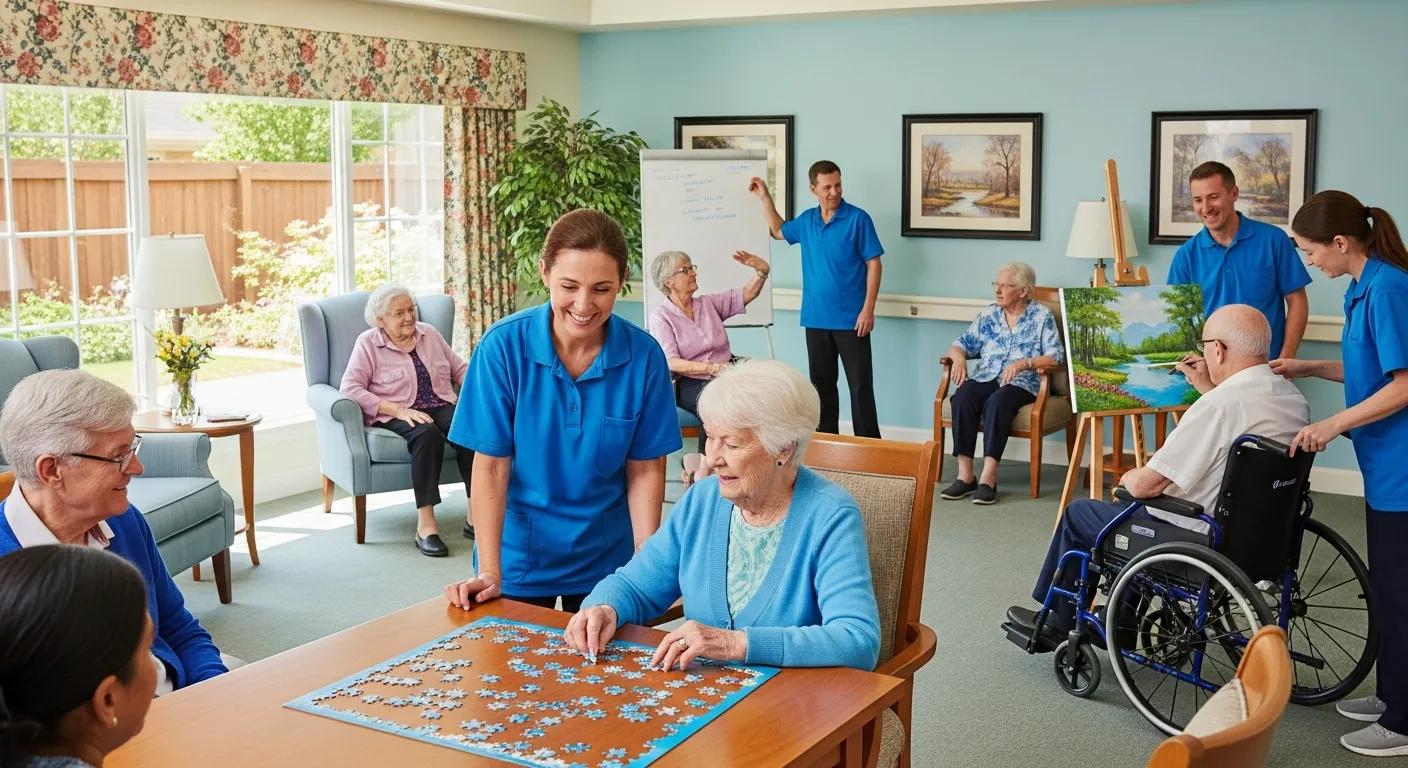
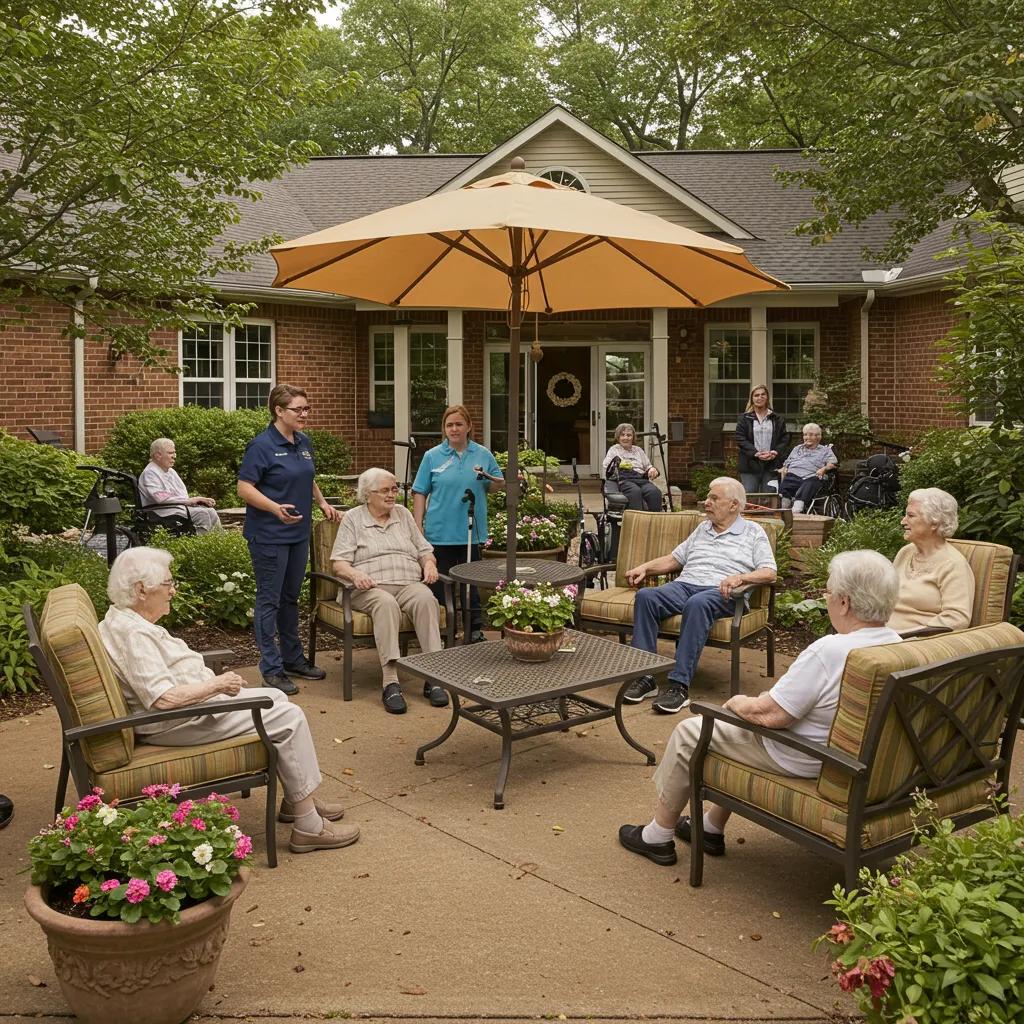
Memory care services in West Virginia emphasize 24/7 supervision, assistance with Activities of Daily Living (ADLs), medication management, and structured activity programs that address cognitive decline and behavioral symptoms. Providers commonly create individualized care plans informed by assessment of functional status, behaviors, and medical needs, and they implement environmental mitigations such as secure circulation paths and clear visual cues to reduce confusion. Families should expect staff trained in dementia communication and de-escalation, a secure outdoor courtyard or controlled access to prevent unsupervised exit, and programming that includes sensory engagement, reminiscence, and meaningful social interaction. These state-relevant service elements reduce immediate safety risks and support daily routines, and they lay the foundation for evaluating specific facilities. Knowing these baseline expectations makes it easier to compare providers on staffing, programming, and environment. For more details on these services, visit Braley Care Homes' Memory Care Services.
How Does Memory Care Compare to Assisted Living and Nursing Homes?
Memory care differs from assisted living and nursing homes in supervision intensity, staff specialization, and program focus, and families should weigh these differences based on safety needs and medical complexity. Assisted living typically supports independence with scheduled assistance for ADLs and offers social programming, while nursing homes provide skilled nursing and medical treatments for high-acuity needs; memory care sits between these models with a dementia-focused environment and staff trained specifically to manage cognitive and behavioral symptoms. The following table clarifies the key distinctions so families can target the right setting for their loved one.
Care SettingPrimary FocusTypical Supervision & StaffBest-fit Resident ProfileMemory CareDementia-specific safety & programming24/7 supervision; dementia-trained staffResidents with wandering, behavioral symptoms, ADL declineAssisted LivingIndependent living with ADL supportPeriodic supervision; general caregiving staffResidents needing help with ADLs but cognitively orientedNursing Home (Skilled)Medical and skilled nursing careContinuous medical oversight; RNs/LPNsResidents with high medical or skilled nursing needs
This comparison highlights why memory care is recommended when cognitive impairment creates safety risks or when routine structure and specialized engagement become essential for daily living.
What Types and Stages of Dementia and Alzheimer's Require Memory Care?
Deciding when memory care is appropriate often maps to the progression of dementia symptoms: early, moderate, and advanced stages each bring different risk profiles and care needs. In early-stage dementia, supervision needs may be limited, but structured activities and support for medications can help prolong independence; in moderate stages, increased assistance with ADLs, management of behavioral changes, and wandering prevention often prompt a move to memory care; in advanced stages, constant supervision and comprehensive personal care are typically required. Families should track functional milestones—such as missed medications, repeated safety incidents, or increasing caregiver burnout—to determine timing. If incidents that threaten safety or health recur, a professional assessment and trial stay at a memory care provider are practical next steps. For more information on specialized care, see Dementia Care and Alzheimer's Care at Braley Care Homes.
What Are the Key Factors to Consider When Choosing a Memory Care Facility in West Virginia?
When evaluating memory care options, families should prioritize practical, safety, and quality indicators that directly affect daily life and long-term well-being. Key factors include location and family access, the depth of staff training and staff-to-resident ratios, facility design and safety systems tailored for dementia, and the availability of individualized activities that meaningfully engage residents. Using targeted questions during tours and requesting documentation—such as sample care plans and staff training records—helps translate impressions into measurable comparisons. The following subsections break these considerations down into actionable criteria and offer checklists families can use to compare facilities side-by-side.
How Important Is Location and Proximity to Family?
Proximity affects frequency of visits, emergency response times, and the ability of family members to participate in care planning, which in turn influences resident wellbeing and continuity of relationships. Choosing a facility within reasonable driving time enables more frequent in-person contact, quicker involvement during health changes, and easier coordination with local healthcare providers. At the same time, some families balance travel time against specialized services; a more distant, highly specialized memory care provider may offer benefits that justify less frequent visits. When weighing location, evaluate hospital proximity, typical commute times for primary caregivers, and visiting policies so that geography supports rather than hinders ongoing family involvement.
Key proximity checklist to evaluate: Drive time to facility from primary family locations.Distance to nearest hospital and urgent care.Visiting flexibility and family engagement opportunities.
Balancing location and specialization helps families decide whether a local provider or a purpose-built memory-care facility best meets their needs.
Why Does Staff Training and Staff-to-Resident Ratio Matter?
Staff who are trained in dementia care and behavior management can de-escalate agitation, maintain routines that reduce sundowning and confusion, and implement individualized strategies that preserve dignity and function. Lower staff-to-resident ratios increase direct care time, permit more consistent relationships between caregivers and residents, and reduce the likelihood of missed care tasks or delayed responses during incidents. Families should ask about dementia-specific certifications, ongoing in-service training, turnover rates, and how shifts manage continuity of care. Observing staff interactions during a tour and requesting examples of training curricula clarifies whether a facility's staffing model supports safe, person-centered memory care.
Training and staffing questions to ask: What dementia-specific training do staff complete and how often?What is the typical staff-to-resident ratio on day/evening/night shifts?How does the facility ensure continuity when staff change?
Assessing these elements reveals whether a facility can consistently meet the daily and behavioral needs of memory-care residents.
What Facility Design and Safety Features Should You Look For?
Purposeful design reduces confusion, minimizes fall and elopement risks, and supports predictable routines that calm residents. Look for secure exits and monitoring systems, clear sightlines and signage, single-level or gently graded spaces to reduce fall risk, home-like dining and living areas, private or semi-private rooms for comfort, and a secure outdoor courtyard that permits safe time outdoors. Design features such as color-contrasted flooring, memory cues near bedrooms, and accessible bathrooms directly support independence and dignity. Observing whether the environment feels welcoming rather than institutional provides important clues about daily life there.
Facility design checklist: Secure access and monitored exits.Home-like common areas and private resident spaces.Safe outdoor area and clear wayfinding cues.
Good design complements staff care strategies and supports daily routines, making the environment a central factor in quality memory care.
How Do Activities and Engagement Programs Support Residents?
Structured, person-centered activities—such as music therapy, reminiscence groups, sensory stimulation, and gentle exercise—reduce agitation, preserve social skills, and improve mood by matching tasks to residents' abilities and histories. Effective programs are individualized through a baseline assessment and updated regularly to reflect changing interests and capabilities, and they blend group engagement with one-on-one interactions so each resident receives appropriate stimulation. Families should ask whether the facility tracks outcomes for engagement programs and how staff incorporate personal histories into activity planning. Evaluating the schedule, participation levels, and staff-to-resident ratios during activities helps determine whether programming is meaningful rather than simply present.
Activity evaluation points: Is programming individualized and based on the resident's history? Are evidence-based approaches used (music, sensory, reminiscence)? How is participation measured and adapted over time?
When engagement programs are personalized and well-staffed, they become therapeutic tools that enhance cognition, reduce behavioral symptoms, and support quality of life.
How Much Does Memory Care Cost in West Virginia and What Financial Assistance Is Available?

Families typically encounter variable pricing for memory care that depends on geographic location, level of clinical support required, room type, and included services; understanding cost drivers and funding pathways is essential to planning. Rather than fixed national numbers, West Virginia costs reflect market differences and the scope of services; major drivers include room and board, hands-on caregiving hours, medication administration, therapy and activity programming, and specialized safety features. Funding options to explore include Medicaid eligibility pathways, VA benefits for eligible veterans, long-term care insurance if available, and personal financing strategies.
What Is the Average Cost of Memory Care in West Virginia?
Exact published averages vary by source and community, but West Virginia rates generally reflect regional cost differences rather than a single statewide price; families should expect variation between urban centers and smaller towns. Important variability factors include the level of direct care required, private versus shared room options, inclusion of therapies and activities, and whether specialty services (behavioral support, hospice coordination) are part of the basic rate. When given a monthly price, verify the billing cadence, which services are included, and which items (e.g., certain therapies, transportation, or specialized medical supplies) are extra. Requesting an itemized list of inclusions from any facility clarifies the true monthly cost and avoids surprises.
Which Financial Aid Options Can Help Cover Memory Care Costs?
Several funding streams are commonly available to families, each with eligibility requirements and application steps. Medicaid in West Virginia may cover long-term custodial care for qualified individuals, but families should evaluate asset and income rules and consult case managers; VA benefits can help eligible veterans access aid and attendance allowances; long-term care insurance pays when policies include memory care coverage and meet benefit triggers; and some families combine private pay with partial coverage from these programs. Start by collecting medical documentation and policy details, and consult a benefits specialist or elder law attorney for complex cases. Verifying eligibility early accelerates financial planning and placement readiness.
Financial steps to take: Contact Medicaid case management to understand eligibility. Check veteran status for VA benefit pathways. Review any long-term care insurance policies for memory-care coverage.
How Does Braley Care Homes' Pricing Compare and What Is Included?
Families assessing providers should expect transparent descriptions of what monthly rates include—meals, medication administration, individualized care planning, structured activities, and 24/7 supervision are commonly part of comprehensive memory care offerings. Braley Care Homes Inc. positions itself as West Virginia's free-standing, specialized Alzheimer's and dementia care facility with a focus on home-like environments and individualized care; the facility offers a free care assessment to provide personalized pricing and to clarify which services are bundled. To get a precise cost estimate for your situation, request the complimentary assessment so staff can review care needs and explain what the monthly rate covers. A tailored assessment removes guesswork and aligns expectations about services and costs.
What Makes Braley Care Homes West Virginia's Best Specialized Memory Care Facility?
Braley Care Homes Inc. is presented as a free-standing, dementia-only residential setting whose purpose-built focus supports consistent programming, staff specialization, and a home-like environment conducive to dementia care. The leadership includes Chris Braley, identified as owner and administrator and a Licensed Independent Clinical Social Worker (LICSW), which informs a clinical and person-centered approach to programming and family communication. Highlighted attributes include individualized care plans, 24/7 professional supervision, tailored activity programming, and a secure environment with an emphasis on smaller, home-like settings. The table below summarizes facility features and benefits to residents so families can quickly scan the value propositions that matter most when comparing providers.
Facility FeatureCharacteristicBenefit to ResidentFree-standing memory-care focusDementia-only residential modelConsistent dementia programming and specialized staffHome-like environmentSmaller household settings, communal areasLess institutional feel; supports routine and dignityLICSW leadershipClinical social-work oversightSkilled behavioral planning and family communicationFree care assessmentPersonalized evaluation of needsTransparent, individualized placement and pricing guidance
Why Choose West Virginia's Only Free-Standing Memory Care Facility?
A free-standing memory-care facility concentrates resources, staff expertise, and programming around dementia needs rather than dividing focus across unrelated care models, which often results in deeper staff specialization and a stable programmatic environment. In a dedicated setting, training, environmental design, activity calendars, and crisis protocols are aligned specifically for Alzheimer's and dementia symptoms, which improves consistency in care and reduces transitions between units. Small, purpose-built homes also tend to foster stronger, more familiar relationships between staff and residents, lowering agitation and improving well-being. Families choosing a dedicated memory care provider should weigh these advantages against travel and proximity considerations to ensure overall fit.
How Does Our Home-Like Environment Enhance Resident Well-Being?
A home-like environment supports meaningful routines, familiar cues, and social norms that reduce disorientation and anxiety in residents with cognitive impairment, and it promotes engagement by mirroring everyday household activities. Features such as private or semi-private rooms, comfortable common areas, and a secure outdoor courtyard allow residents to move, socialize, and maintain dignity in a setting that feels familiar rather than clinical. Anecdotally, residents often respond positively to predictable mealtimes, small-group activities, and staff continuity—factors that a household model reinforces. By prioritizing environment alongside clinical care, facilities can achieve measurable improvements in mood, participation, and reduced behavioral incidents.
Who Are Our Expert and Compassionate Care Staff?
Effective memory care teams include clinical leadership, nursing oversight, trained caregiving staff, and activity coordinators who collaborate to implement individualized care plans and respond to behavioral changes. Braley Care Homes' leadership includes an LICSW as owner/administrator, which underscores a clinical orientation toward behavioral planning, family support, and staff training. Families should ask about staffing roles such as RNs/LPNs for clinical oversight, dementia-care-certified caregivers for daily support, and activity staff who design individualized engagement. Consistent caregivers who know residents' histories reduce confusion and improve quality of life, and understanding staff composition helps families evaluate the facility's capacity for responsive, person-centered care.
What Individualized Care and Activities Do We Offer?
Individualized care begins with an assessment that records medical history, daily routines, personal preferences, and behavioral triggers; staff then create care plans that combine ADL support with tailored activities such as music, reminiscence groups, sensory stimulation, and small-group social events. Programming is adjusted over time based on ongoing observations and outcomes, ensuring that activities remain meaningful and effective as needs change. Families benefit when facilities can provide examples of personalized plans and how activities map to resident preferences, because personalization reduces agitation and fosters moments of connection. A clear process for assessment-driven programming helps families see how daily life will be structured around each resident's strengths and history. To start this process, families can complete a resident application online or contact the facility directly.
When Is the Right Time to Choose Memory Care for Your Loved One?
Determining the right time for memory care hinges on observable safety concerns, declines in ADLs, medication mismanagement, and caregiver capacity; recognizing these triggers allows families to move proactively rather than reactively. Early warning signs and documented incidents are valuable evidence to bring to clinicians and facility assessments, and arranging a trial stay or a professional evaluation can clarify whether memory care will improve safety and quality of life. The following subsections present checklists and assessment frameworks families can use to decide when a move to memory care is appropriate and which immediate actions to take.
What Are the Early Signs That Indicate a Need for Memory Care?
Early red flags include repeated medication errors, wandering episodes, significant ADL decline (dressing, bathing, toileting), increased nighttime confusion, and caregiver burnout that compromises safety or care consistency. Recording specific incidents, dates, and outcomes creates a clear pattern to discuss with a primary care provider or geriatric specialist, and it provides concrete examples to inform facility assessments. Even isolated safety events—like a fall due to poor mobility or a missed medication that led to hospitalization—warrant prompt evaluation because they predict future risk. Documenting these episodes prepares families for a professional assessment and aids in selecting the right level of support.
Incident documentation checklist: Date and description of each safety or medication incident.Observable behavior changes and time-of-day patterns.Impact on daily functioning and caregiver capacity.
Collecting this information supports clinical consultations and clarifies the urgency of moving to memory care.
How Can Families Assess the Level of Care Needed?
A pragmatic assessment blends medical opinion with functional observation: consult the primary care provider or a geriatric specialist for cognitive evaluation, use ADL checklists to quantify support needs, and seek a facility's care assessment to match services to daily needs. Professional evaluations contribute clinical context, while a facility assessment demonstrates how the environment and staff will manage behaviors and routines. Self-assessment tools—tracking frequency of missed medications, falls, or safety incidents—help families gather evidence before clinical visits. Combining clinical and facility assessments leads to an informed decision about placement timing and level of services required. Braley Care Homes offers a free care assessment to assist families in this process.
What Questions Should You Ask When Touring Memory Care Facilities?
A well-structured tour combines observation with targeted questions that reveal policies, staffing, and daily practice; prioritize queries about staff training, staff-to-resident ratios, how care plans are developed and updated, medication management procedures, and what is included in monthly fees. Also request sample care plans, daily activity schedules, and documentation of training curricula to verify claims. During a tour, observe staff-resident interactions, noise levels, meal service, and residents' engagement in activities; these observations often reveal operational culture more reliably than promotional materials. Asking for references from families currently using the service or examples of how behavioral incidents are managed provides additional insight into real-world practices.
Top tour questions to bring: How are individualized care plans created and updated? What dementia-specific training do staff complete and how often? What is included in the monthly rate, and what is billed separately? How do you handle behavioral incidents and family communication?
Using these targeted questions ensures tours yield actionable information for comparison.
How Can You Take the Next Steps Toward Securing Memory Care in West Virginia?
Taking action involves scheduling professional assessments, arranging facility tours, and connecting with local resources that support financial planning and disease education; these steps turn uncertainty into a clear plan. Start by documenting care needs and recent incidents, then request a free care assessment from a prospective provider to obtain a personalized recommendation and cost estimate. The sections below explain how to schedule a tour at Braley Care Homes, what the free care assessment includes, and local support organizations that assist families.
How Do You Schedule a Tour at Braley Care Homes?
To schedule a tour or speak directly about placement possibilities, families can contact Braley Care Homes Inc. using the provided phone number or email to arrange a convenient visit and to discuss what to bring. During a tour, expect a guided walk-through of living spaces, observation of daily activities, an overview of staffing and programming, and an opportunity to review sample care plans and assessment procedures. Prepare questions about staffing, safety protocols, activity schedules, and billing inclusions ahead of the visit to make the most of the appointment. Following the tour, staff typically offer a free care assessment to tailor recommendations to your loved one's needs.
What Does the Free Care Assessment Involve?
A free care assessment collects medical history, current medications, ADL performance, behavioral patterns, and social preferences to produce an individualized care recommendation and an estimate of services required. Assessments are designed to identify immediate safety risks, estimate necessary levels of supervision, and propose a personalized activity and care plan that supports daily routines and dignity. After the assessment, families receive a summary explaining recommended services, a tentative placement timeline if appropriate, and pricing information tailored to the assessed needs. This individualized process clarifies expectations and enables informed placement decisions.
Where Can You Find Additional Local Resources and Support in West Virginia?
Several authoritative organizations provide education, caregiver support, and benefit navigation that complement facility search and planning efforts; families should engage these resources early to strengthen decision-making. Contact state aging services to learn about Medicaid pathways and local support programs, reach out to Alzheimer's Association resources for caregiver education and support groups, and consult veteran services for VA benefit guidance if applicable. Local hospital discharge planners and geriatrics clinics can also offer referrals and clinical assessments that inform placement. Combining facility assessments with these community resources ensures families receive well-rounded guidance.
What Are Common Questions About Memory Care in West Virginia?
Does Medicare Cover Memory Care in West Virginia?
Medicare generally does not cover long-term custodial care or ongoing memory care costs; it primarily covers short-term skilled nursing or medical services under defined conditions. Families should explore Medicaid for long-term custodial coverage, check VA benefits for eligible veterans, and review long-term care insurance policies that may cover memory care. For immediate clinical needs, Medicare may cover physician visits, hospital stays, and certain therapies, but not residency in a memory care facility as a routine long-term expense. Verifying eligibility with benefit counselors clarifies what each program will cover.
What Is the Difference Between Memory Care and Assisted Living?
Memory care focuses specifically on dementia-related safety, programming, and staff training, while assisted living emphasizes independence with supportive assistance for ADLs and a broader resident population. Memory care environments typically have secure layouts, specialized activities, and staff trained in dementia communication and behavior management, whereas assisted living settings may lack the same level of dementia-specific resources. Families choose memory care when cognitive impairment creates safety risks or when dementia-specific interventions are necessary to maintain quality of life.
How Can Families Manage the Cost of Memory Care?
Practical cost-management steps include early eligibility checks for Medicaid, reviewing long-term care insurance policies, exploring VA benefits, and requesting transparent, itemized pricing from facilities to compare true monthly outlays. Families can also consult elder care financial planners or state resources for benefit navigation and consider staged transitions, such as trial stays to evaluate fit before committing long-term. Requesting a free care assessment from prospective facilities helps align services with budgets and clarifies what is included in monthly rates.
What Services Are Typically Offered in Memory Care Facilities?
Typical memory care services include assistance with ADLs, medication administration and management, structured therapeutic activities (music, reminiscence, sensory programs), secure environments to prevent elopement, and family-centered care planning. Additional services often include coordination with healthcare providers, palliative and hospice transitions when appropriate, and behavioral support plans led by clinical staff. Confirming which services are included in monthly fees versus billed separately ensures families align expectations with actual offerings.
Common services checklist: ADL assistance and medication management.Structured, individualized activity programming.Secure environment and wandering prevention measures.
(Note: To inquire directly about services, care assessments, or scheduling a tour at Braley Care Homes Inc., families may contact the facility by phone at 304-767-4033 or by email at chris@braleycarehomes.com. The facility address is 6192 US 60, Hurricane, WV 25526. Contact name: Chris Braley.)
Frequently Asked Questions
What Should Families Look for During a Facility Tour?
During a facility tour, families should observe the environment, staff interactions, and resident engagement. Key aspects to evaluate include cleanliness, safety features, and the overall atmosphere. Ask about staff-to-resident ratios, training specific to dementia care, and how care plans are developed. Observing meal service and activity participation can provide insights into daily life. Additionally, inquire about how the facility handles behavioral incidents and family communication to ensure a supportive environment for your loved one.
How Can Families Prepare for a Free Care Assessment?
Preparing for a free care assessment involves gathering relevant medical history, current medications, and details about daily routines and preferences. Document any behavioral changes or safety incidents to provide a comprehensive view of your loved one's needs. Families should also consider questions they want to ask about care options and services offered. This preparation helps ensure that the assessment is thorough and tailored to the specific needs of the individual, leading to a more accurate care plan.
What Are the Benefits of Individualized Care Plans in Memory Care?
Individualized care plans are crucial in memory care as they cater to the unique needs and preferences of each resident. These plans are developed based on thorough assessments and are regularly updated to reflect changes in health or behavior. Benefits include improved engagement in activities, better management of behavioral symptoms, and enhanced overall well-being. Personalized care fosters a sense of dignity and respect, allowing residents to maintain their identity and preferences while receiving necessary support.
What Role Do Family Visits Play in Memory Care?
Family visits are vital in memory care as they help maintain emotional connections and support the resident's well-being. Regular visits can reduce feelings of isolation and anxiety, providing comfort and familiarity. Families can also participate in care planning and advocate for their loved one's needs. Engaging in activities together during visits can enhance the resident's mood and cognitive engagement. Facilities often encourage family involvement, recognizing that strong family ties contribute positively to the resident's quality of life.
How Can Families Evaluate the Quality of Activities Offered?
To evaluate the quality of activities in memory care, families should look for programs that are tailored to residents' interests and cognitive abilities. Ask about the variety of activities available, including sensory stimulation, music therapy, and social engagement opportunities. Observing participation levels and staff interactions during activities can provide insight into their effectiveness. Additionally, inquire about how the facility tracks engagement outcomes and adapts programs based on resident feedback and changing needs.
What Are the Common Safety Features in Memory Care Facilities?
Common safety features in memory care facilities include secure entrances and exits, monitored areas to prevent wandering, and clear signage to aid navigation. Facilities often have single-level layouts to minimize fall risks and provide accessible bathrooms. Additionally, staff are trained to recognize and respond to behavioral changes, ensuring a safe environment. Families should inquire about specific safety protocols and how the facility manages emergencies to ensure their loved one's well-being.
What Should Families Know About Transitioning to Memory Care?
Transitioning to memory care can be challenging for both residents and families. It's essential to approach the move with sensitivity, allowing time for adjustment. Families should communicate openly about the reasons for the transition and reassure their loved ones about the support available. Engaging in familiar routines and maintaining connections with family can ease the transition. Additionally, families should stay involved in care planning and regularly visit to provide emotional support during this significant change.
