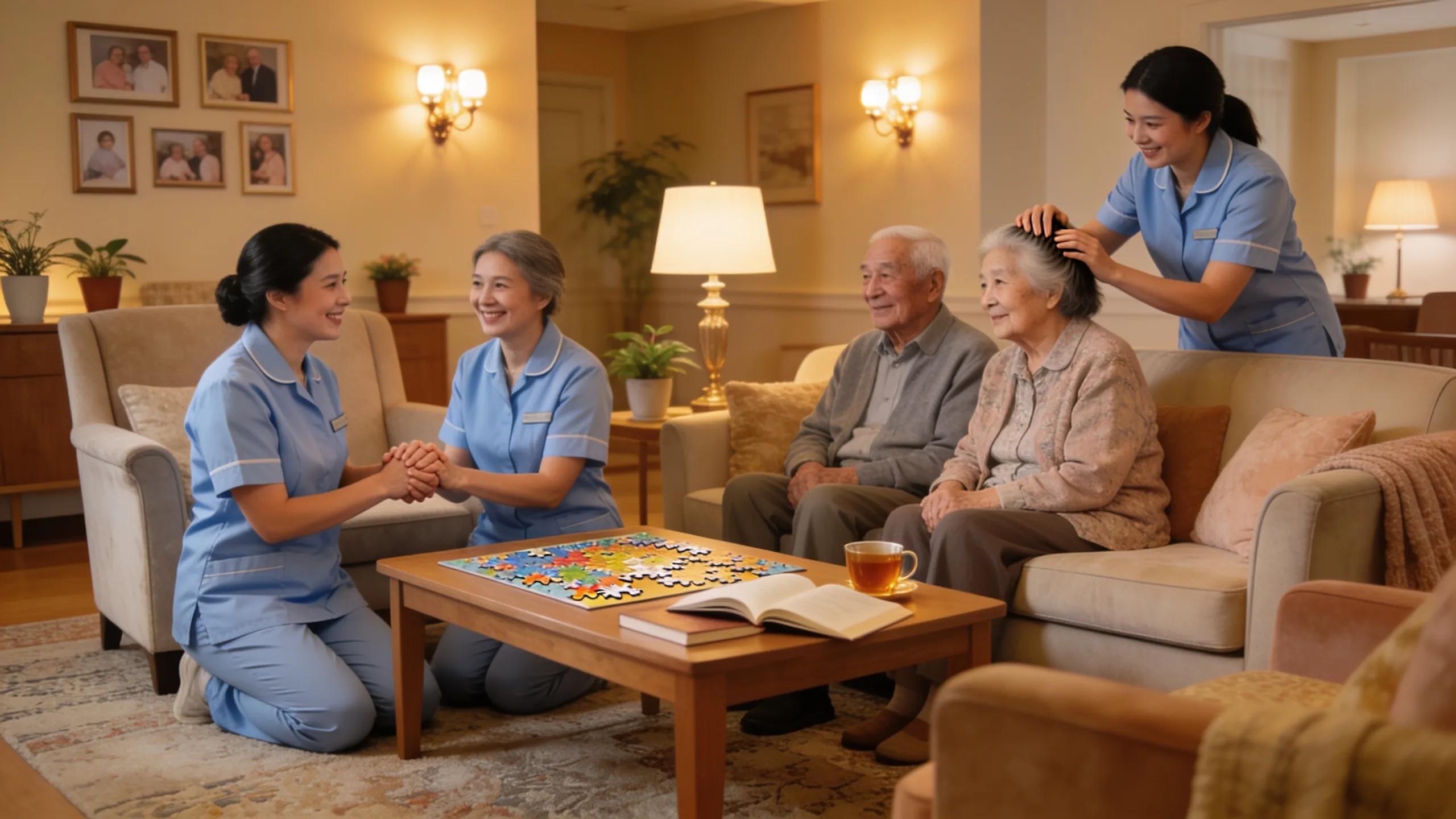
Compassionate Care for Aggressive Dementia Patients Near Me
Specialized Care for Advanced Behavioral Symptoms: Compassionate Alternatives to Traditional Nursing Homes for Dementia Patients
As dementia progresses, many individuals experience advanced behavioral symptoms that can significantly impact their quality of life. Traditional nursing homes often struggle to provide the specialized care necessary to address these complex needs. In this article, we explore compassionate alternatives designed specifically for managing the behavioral challenges associated with advanced dementia. You'll learn about the various behavioral symptoms that necessitate specialized care, the unique approaches facilities use to enhance safety and quality of life, and how families can navigate support and placement options. The insights provided here aim to help you understand the nuanced needs of dementia patients and how tailored solutions can facilitate better care outcomes.
About This Article
This article was prepared by the care team at Braley Care Homes Inc., West Virginia's only freestanding Alzheimer's and dementia care facility, founded in 2005 by Chris and Dean Braley. The Braley Care Homes clinical team includes Registered Nurses (RNs), Licensed Practical Nurses (LPNs), Licensed Clinical Social Workers (LCSWs), Certified Medication Aides (AMAPs), Certified Nurse Aides, and a dedicated Activity Coordinator — all available 24 hours a day, 7 days a week. Chris Braley's personal connection to dementia informs the organization's mission and drives a commitment to compassionate, evidence-informed care.
Expert Reviewed: Content related to dementia behavioral symptoms and care approaches has been reviewed for clinical accuracy by credentialed nursing and social work professionals on the Braley Care Homes clinical team. This article is intended for informational purposes only and does not constitute medical advice. Families are encouraged to consult a qualified healthcare provider regarding the specific needs of their loved one.
What Are Advanced Behavioral Symptoms in Dementia and Why Do They Require Specialized Care?
Advanced behavioral symptoms in dementia are a range of psychological and emotional challenges that patients may exhibit, significantly affecting their well-being and care needs. These symptoms can include agitation, aggression, mood swings, and severe withdrawal, necessitating a tailored approach to manage them effectively. Standard care settings often fail to meet these specific requirements, making specialized care essential for maintaining patient dignity and comfort. Specialized care facilities are designed to address such behaviors through structured environments, expert training, and focused interventions.
Which Behavioral Symptoms Commonly Affect Advanced Dementia Patients?
Common behavioral symptoms that affect individuals with advanced dementia include:
Agitation: Patients may become restless or irritable, displaying signs of distress.
Aggression: Outbursts of anger or physical aggression can occur, requiring de-escalation techniques.
Mood Fluctuations: Rapid shifts in emotions can create challenges for caregivers and family.
Social Withdrawal: Some patients may isolate themselves, diminishing their quality of life.
Understanding these symptoms is crucial for developing effective care strategies tailored to the unique needs of each individual.
Why Are Traditional Nursing Homes Insufficient for Managing Dementia Behaviors?
Traditional nursing homes often lack the necessary resources and specialized training required to address the behavioral aspects of dementia care effectively. Common issues include:
Limited Staff Training: Staff may not receive adequate training on behavioral management techniques, leading to ineffective responses to challenging behaviors.
High Staff-to-Resident Ratios: Overwhelmed caregivers may struggle to meet each resident's unique needs, compromising care quality.
Inflexible Environments: Traditional settings may not accommodate the specific behavioral needs of dementia patients, leading to increased agitation and discomfort.
These factors contribute to the inadequacy of traditional nursing homes in providing effective dementia care.
Braley Care Homes: Organizational Expertise in Dementia Behavioral Care
Braley Care Homes Inc. has provided specialized Alzheimer's and dementia care since 2005 and remains the only freestanding dementia and Alzheimer's care facility in West Virginia. This singular focus means every policy, staffing decision, training program, and physical environment has been purpose-built around the unique needs of individuals living with dementia — including those experiencing advanced behavioral and psychological symptoms.
The facility's interdisciplinary clinical team brings together a range of credentials specifically suited to complex dementia care:
Role
Credential / Qualification
Nursing staff
Registered Nurses (RNs) and Licensed Practical Nurses (LPNs)
Social work
Licensed Clinical Social Workers (LCSWs)
Medication management
Certified Medication Aides (AMAPs)
Direct personal care
Certified Nurse Aides
Therapeutic programming
Dedicated Activity Coordinator
All clinical and care staff are available on-site 24 hours a day, 7 days a week. This around-the-clock coverage is essential for managing the unpredictable nature of advanced behavioral symptoms, ensuring that trained professionals are always present to respond, de-escalate, and support residents with dignity and skill.
How Do Specialized Dementia Care Facilities Manage Aggressive and Complex Behavioral Symptoms?
Specialized dementia care facilities are equipped to manage the aggressive and complex behavioral symptoms of dementia patients through established protocols and trained staff. The focus is on creating a safe and nurturing environment that improves patient outcomes.
What Behavioral Symptom Management Techniques Are Employed in Specialized Care?

Techniques employed in specialized care settings include:
Individualized Care Plans: Each patient receives a customized care plan based on their specific symptoms and needs.
Environment Modification: Therapeutic environments are designed to reduce stress and promote calmness.
Behavioral Interventions: Strategies such as redirection and distraction effectively manage outbursts and agitation.
These practices contribute to a more supportive and responsive care approach, helping to stabilize behavioral symptoms.
Managing Behavioral and Psychological Symptoms of Dementia (BPSD) 1. We review non-pharmacological and pharmacological approaches to managing behavioral and psychological symptoms of dementia (BPSD). We examine methods for assessment and evidence for interventions, focusing on recent findings and innovations. Finally, we recommend an algorithm for management of BPSD.2. Training of formal caregivers is the most effective intervention for BPSD; other non-pharmacological interventions are also beneficial. Antidepressants and antipsychotics remain a mainstay of pharmacological treatment for BPSD. There is limited evidence supporting the use of stimulants, cognitive enhancers, dextromethorphan/quinidine, benzodiazepines, anticonvulsants, and pimavanserin.3. The management of BPSD is highly individualized. Following thorough assessment, the initial step is addressing contributing medical problems. Non-pharmacological interventions should be tried prior to pharmacological interventions. Antipsychotics should be prescribed only when behaviors pose a significant safety risk or if the person with dementia is very distressed. New approaches will be needed to address an increasing population of people with dementia. Management of behavioral and psychological symptoms of dementia, A Walaszek, 2019
This comprehensive review further emphasizes the critical balance between non-pharmacological interventions and pharmacological approaches, highlighting key considerations for managing complex behavioral symptoms in dementia.
How Does Specialized Staff Training Improve Dementia Care Outcomes?
Specialized staff training is instrumental in enhancing care outcomes for patients with advanced dementia. Benefits of training include:
Improved Behavioral Understanding: Staff learn to recognize and interpret the root causes of distress, leading to more effective interventions.
Enhanced Communication Skills: Training emphasizes positive communication strategies, which can reduce agitation.
Greater Empathy and Patience: Educating staff about dementia cultivates empathy, fostering a supportive environment for patients.
Such training significantly impacts the overall quality of care provided to residents in specialized facilities. You can learn more about our facility's approach by visiting our facility.
What Facility Features Enhance Safety and Quality of Life in Behavioral Symptom Nursing Care Homes?
Safety and quality of life are paramount in specialized dementia care homes. Certain facility features are designed specifically to enhance these aspects for residents.
Which Secure Environment Measures Support Resident Well-Being?
To support resident well-being, specialized facilities often implement:
Secure Locations: Enclosed areas prevent wandering and promote safety.
Adaptive Spaces: Common areas that are calming and easily navigable reduce anxiety.
Visual Cues and Prompts: Signs and symbols assist residents in orienting themselves, fostering independence.
These measures contribute to a stable environment where patients feel secure and supported.
How Do These Facilities Promote Resident Independence and Dignity?
Promoting independence and dignity is essential for enhancing the quality of life of residents. Strategies include:
Participatory Activities: Engaging residents in daily tasks fosters a sense of control and accomplishment.
Choice Options: Allowing residents to make choices about their routines supports autonomy.
Personalized Care: Tailoring activities to individual interests helps maintain self-esteem and dignity.
Through these approaches, specialized care facilities aim to uphold the dignity of each resident while providing the support they need.
How to Find Specialized Dementia Care Near You
Finding specialized dementia care near you requires more than searching for the closest nursing home or memory care facility. Individuals experiencing advanced behavioral symptoms may need a higher level of support than a traditional long-term care setting can provide. Families should evaluate whether local facilities have the staffing, training, safety measures, and individualized care practices necessary to manage complex behaviors while preserving the resident’s dignity and quality of life.
What Should You Look for in a Local Specialized Dementia Care Facility?
When comparing specialized dementia care facilities in your area, consider whether each location has experience supporting residents with symptoms such as severe agitation, aggression, wandering, resistance to care, mood changes, or significant withdrawal. Ask how the facility assesses behavioral changes, develops individualized care plans, responds to escalating behaviors, and communicates with families.
Important factors to evaluate include staff training in dementia and behavioral symptom management, staffing availability, secure indoor and outdoor spaces, personalized daily routines, emergency procedures, and access to appropriate medical or behavioral health support. Families should also ask which behaviors the facility is equipped to manage and whether there are circumstances that could lead to a resident being transferred or discharged.
How Do State Licensing and Local Regulations Affect Dementia Care Options?
Licensing requirements for dementia care, assisted living, memory care, and nursing facilities vary by state. Depending on the location and type of facility, regulations may establish requirements for staffing, employee training, resident assessments, medication management, security measures, emergency planning, and the protection of residents’ rights.
Before choosing a facility, families should confirm that it holds the appropriate state license and review any publicly available inspection reports, complaint histories, or enforcement actions. State health departments, aging agencies, and long-term care regulatory offices can help families understand which rules apply locally and how to verify a provider’s standing.
Because regulatory requirements differ from one area to another, families should avoid assuming that every facility using terms such as “memory care” or “dementia care” provides the same level of specialized behavioral support. Licensing is an important starting point, but families should also evaluate the facility’s actual experience, staffing model, care practices, and ability to address their loved one’s specific needs.
What Local Resources Can Help Families Find Appropriate Care?
Area-specific resources can make the search for specialized dementia care more manageable. Families can contact local or regional agencies on aging, state long-term care ombudsman programs, healthcare providers, hospital discharge planners, dementia support organizations, and care management professionals for guidance.
These resources may help families identify licensed providers, understand financial assistance programs, review care options, prepare questions for facility tours, and address concerns about resident rights or quality of care. Local support groups can also provide practical insight from families who have already navigated similar behavioral challenges and placement decisions.
When searching online for “specialized dementia care near me,” use the results as the beginning of the evaluation process rather than the final decision. A facility’s proximity is important, but its ability to safely and compassionately manage advanced behavioral symptoms should remain the primary consideration.
How Can Families Access Support and Navigate Placement in Specialized Dementia Care Homes?
Families seeking support for loved ones with advanced dementia can find guidance through various resources available to assist in navigating placement options. For broader guidance on comparing facilities, staffing, safety, and individualized support, explore our [guide to navigating dementia care options in West Virginia].
What Resources Assist Families in Managing Dementia Behavioral Challenges?

Numerous resources are available to help families manage the behavioral challenges associated with dementia, including:
Support Groups: Connecting with other families facing similar challenges can provide emotional support and shared strategies.
Educational Materials: Books and online content increase understanding of dementia and its effects.
Professional Guidance: Consulting with care specialists can lead to tailored recommendations.
Leveraging these resources can empower families to make informed decisions about care for their loved ones.
What Is the Step-by-Step Process to Secure a Placement in Specialized Care?
Navigating the placement process for specialized dementia care can be daunting. Here’s a step-by-step guide to help families:
Assess Needs: Evaluate the specific requirements and challenges of the individual.
Research Facilities: Look for specialized care homes that focus on behavioral symptom management.
Visit Potential Locations: Touring facilities allows families to gauge the environment and the quality of interactions with staff.
Consult Care Facilities: Engage in discussions with facility staff to clarify the services offered and address any concerns.
Finalize Placement: Once a suitable option is identified, coordinate with the facility to establish a placement plan.
Following these steps can simplify the placement process, ensuring that families find appropriate care solutions for their loved ones. For more information about our comprehensive services, please visit our home page. If you'd like to learn more about our commitment and values, explore our about us section. For specific inquiries, our contact us page is available.
