Exploring Alternative Therapies in Dementia Care
Welcome to our exploration of alternative therapies in dementia care. As the prevalence of dementia continues to rise globally, caregivers and healthcare professionals are increasingly turning to complementary and alternative approaches to support patients in managing their symptoms and improving their quality of life. In this series, we'll delve into the diverse range of alternative therapies available, from art and music therapy to aromatherapy and mindfulness practices, examining their potential benefits and considerations for implementation. While conventional medical treatments for dementia primarily focus on managing symptoms, alternative therapies offer a holistic approach that addresses the physical, emotional, and cognitive aspects of the condition. Through this journey, we aim to shed light on the growing body of evidence supporting the effectiveness of these therapies and provide insights into how they can be integrated into comprehensive dementia care plans. Join us as we embark on this exploration of innovative and promising approaches to enhancing the well-being of individuals living with dementia.
Introduction to Alternative Therapies for Dementia Care
Dementia is a challenging condition that affects millions of people worldwide, impacting memory, cognition, and daily functioning. While conventional medical treatments play a crucial role in managing symptoms, there is growing recognition of the value of alternative therapies in dementia care. These non-traditional approaches encompass a wide range of interventions aimed at improving quality of life, promoting emotional well-being, and enhancing overall functioning for individuals living with dementia. In this blog series, we will delve into various alternative therapies, exploring their benefits, applications, and potential to complement conventional treatments in dementia care.

Art Therapy
Unleashing Creativity in Dementia Care Art therapy offers a unique avenue for individuals with dementia to express themselves creatively and engage in meaningful activities. Through painting, drawing, and other artistic endeavors, individuals can tap into their inner creativity, evoke memories, and experience a sense of accomplishment. Art therapy can also serve as a form of communication when verbal expression becomes challenging, providing a means for individuals with dementia to connect with their emotions and surroundings.
Music Therapy
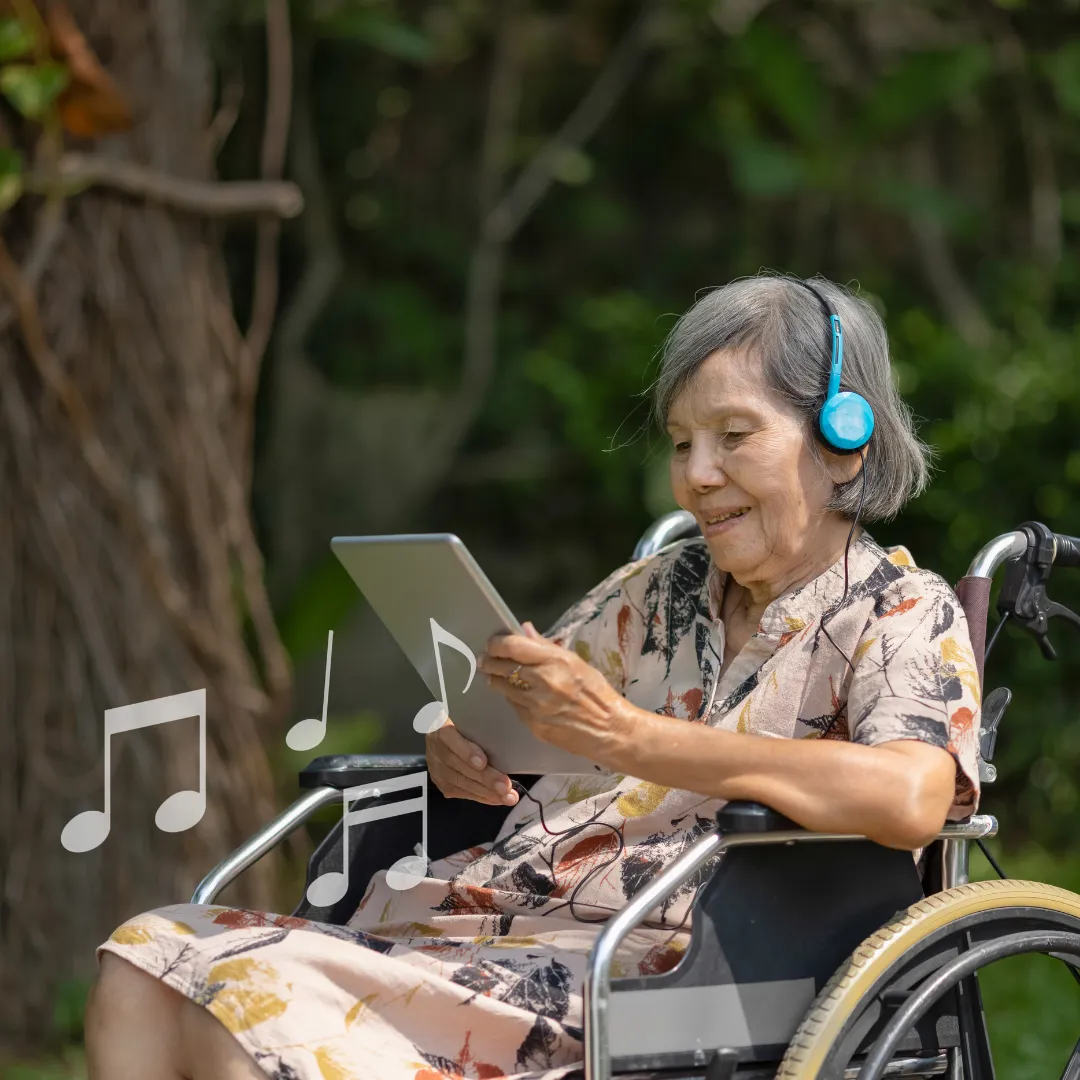
Harmonizing Minds and Memories Music has a profound impact on individuals with dementia, evoking memories, emotions, and connections to the past. Music therapy harnesses the power of music to stimulate cognitive function, reduce agitation, and improve mood. Whether through listening to familiar songs, playing instruments, or engaging in group sing-alongs, music therapy offers a therapeutic outlet that transcends language barriers and enhances overall well-being for individuals living with dementia.
Aromatherapy
Nurturing the Senses in Dementia Care Aromatherapy utilizes the therapeutic properties of essential oils to promote relaxation, reduce stress, and improve sleep quality for individuals with dementia. By harnessing the power of scent, aromatherapy can evoke positive memories, calm agitation, and create a soothing environment. Whether through diffusers, massage oils, or scented candles, aromatherapy offers a non-invasive, holistic approach to dementia care that engages the senses and enhances quality of life.
Animal-Assisted Therapy
Furry Companions in Dementia Care Animal-assisted therapy involves interactions with trained animals, such as dogs or cats, to promote physical, emotional, and social well-being for individuals with dementia. The presence of animals can reduce feelings of loneliness, increase social engagement, and provide comfort and companionship. Whether through pet visits or animal-assisted activities, the bond between humans and animals has the power to uplift spirits and improve overall quality of life for individuals living with dementia.
Nature Therapy
Reconnecting with the Outdoors in Dementia Care Nature therapy, also known as ecotherapy, encourages individuals with dementia to reconnect with the natural world and experience its therapeutic benefits. Whether through garden walks, outdoor activities, or simply enjoying the sights and sounds of nature, spending time outdoors can reduce stress, improve mood, and enhance cognitive function. Nature therapy offers a refreshing change of scenery and an opportunity for individuals with dementia to engage their senses and nurture their well-being.
Art Therapy: Unleashing Creativity in Dementia Care
Art therapy is a powerful and versatile approach to dementia care, offering individuals with cognitive impairment a means of expression, communication, and emotional connection. Through various artistic activities such as painting, drawing, and sculpting, art therapy taps into the creative potential of individuals with dementia, fostering a sense of purpose, accomplishment, and self-expression. In this blog post, we will explore the transformative impact of art therapy in dementia care, examining its benefits, applications, and practical strategies for incorporating art into care routines.
The Therapeutic Benefits of Art for Individuals with Dementia
Art therapy provides a therapeutic outlet for individuals with dementia to express themselves creatively and engage in meaningful activities. By tapping into the creative process, individuals can explore their thoughts, emotions, and memories in a safe and supportive environment. Art therapy has been shown to reduce stress, anxiety, and depression in individuals with dementia, while also enhancing self-esteem, confidence, and overall well-being.
Creating a Supportive Environment for Art Therapy
Creating a supportive environment is essential for successful art therapy sessions with individuals with dementia. This includes setting up a designated art space that is comfortable, well-lit, and free from distractions. It's important to provide a variety of art materials and tools that cater to different skill levels and preferences, allowing individuals to explore various mediums and techniques at their own pace.
Encouraging Self-Expression and Exploration
In art therapy, the focus is not on the end result, but rather on the process of creation and self-expression. Encourage individuals with dementia to explore their creativity freely, without judgment or expectations. Offer prompts or themes to inspire their artwork, but allow them the freedom to interpret and express themselves in their own unique way. Remember that every piece of artwork is an expression of the individual's thoughts, emotions, and experiences.
Using Art to Stimulate Memories and Communication
Art can serve as a powerful tool for stimulating memories and facilitating communication in individuals with dementia. Encourage individuals to create artwork based on familiar themes, objects, or experiences from their past. As they engage in the creative process, memories may be triggered, leading to meaningful conversations and connections. Art can also serve as a form of non-verbal communication, allowing individuals to express themselves when words fail.
Incorporating Group Art Activities
Group art activities can foster social interaction, engagement, and a sense of community among individuals with dementia. Consider organizing group art sessions where participants can collaborate on a collective artwork or engage in themed projects together. Group activities provide opportunities for individuals to share their creativity, learn from one another, and enjoy the camaraderie of creating art in a supportive group setting.
Music Therapy: Harmonizing Minds and Memories
Music therapy offers a powerful means of connecting with individuals living with dementia, tapping into the emotional and cognitive benefits of music. By harnessing the universal language of melodies and rhythms, music therapy can evoke memories, reduce anxiety, and enhance overall well-being. In this blog post, we'll explore the transformative impact of music therapy in dementia care, highlighting its ability to harmonize minds and memories.
Emotional Connection: Music has a unique ability to evoke emotions and memories, offering individuals with dementia a sense of comfort and familiarity.
Cognitive Stimulation: Engaging with music stimulates various areas of the brain, supporting cognitive function and memory recall.
Reducing Anxiety: Music therapy can alleviate anxiety and agitation, promoting relaxation and a sense of calm in individuals with dementia.
Enhancing Communication: Music serves as a non-verbal form of communication, enabling individuals with dementia to express themselves and connect with others.
Conclusion
Exploring alternative therapies in dementia care presents a promising avenue for enhancing the well-being and quality of life for individuals living with this condition. From art therapy to music therapy, these interventions offer holistic approaches that can complement traditional medical treatments, providing emotional, cognitive, and social benefits. By embracing these alternative therapies, caregivers and healthcare professionals can create personalized care plans that cater to the unique needs and preferences of each individual, fostering a sense of connection, joy, and dignity in their journey.
If you're interested in learning more about how alternative therapies can be integrated into dementia care or seeking support for your loved one, feel free to reach out to us at Bluescapes Lawn Care, LLC. Located in Dallas, Georgia, we are committed to promoting holistic well-being and offering compassionate care to individuals and families impacted by dementia. You can contact us at 770-940-7807 to schedule a consultation or discuss how we can assist you in your caregiving journey.
