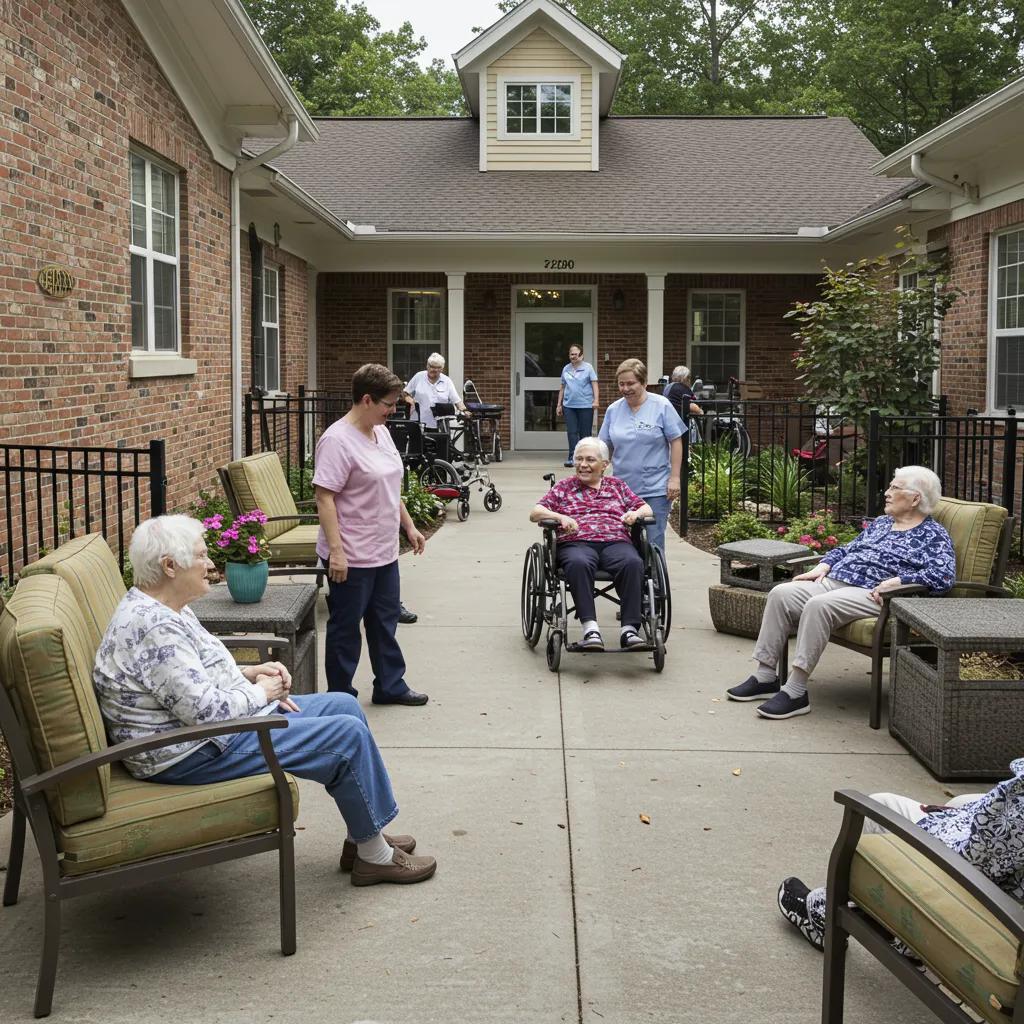
Key Amenities to Look for in West Virginia Memory Care Facilities: A Comprehensive Guide
Key Amenities to Look for in West Virginia Memory Care Facilities: A Comprehensive Guide to Specialized Dementia and Alzheimer’s Care
Memory care refers to residential services and supports designed specifically for people living with Alzheimer’s disease and other dementias, and selecting the right memory care facility in West Virginia requires attention to safety, programming, staff expertise, and family supports. This comprehensive guide, authored by Chris Braley, LICSW, owner and administrator of Braley Care Homes—West Virginia’s only free-standing Alzheimer’s, Dementia, and memory care facility—explains why dementia-specific amenities matter, how they reduce safety risks and behavioral incidents, and what practical features families should evaluate during searches in cities like Hurricane, Huntington, and Charleston. You will learn how secure design, dementia-trained staff, therapeutic activities, tailored dining, family education, and financial considerations interact to produce better daily outcomes for residents. The article maps core H2 areas: resident needs, secure environment features, specialized staff training, therapeutic programming, nutrition and dining, family supports, financial aid, plus a brand-specific summary and a practical FAQ.
What Are the Unique Needs of Memory Care Residents in West Virginia?
Memory care residents have specific clinical, behavioral, and environmental needs that differ from general senior living because progressive cognitive changes alter daily functioning, safety perception, and social engagement. These needs center on predictable routines, environmental simplicity, skilled behavioral support, and opportunities for meaningful engagement that respect identity and history. In West Virginia, local demographics and access patterns make it important to match facility amenities with symptom-driven needs, so families should prioritize facilities that explicitly address wandering, agitation, and declines in activities of daily living. The next sections translate these needs into practical amenity checklists families can use during tours.
How Does Dementia Affect Daily Living and Care Requirements?
Dementia commonly reduces independence in basic activities of daily living—bathing, dressing, personal hygiene, and eating—while also impairing short-term memory and spatial orientation. These functional declines increase the need for adaptive supports such as supervised dressing, cueing at mealtimes, and consistent schedules that reduce confusion. Facilities that offer adaptive dining, assistance with ADLs, and individualized care plans can directly mitigate decline and improve daily dignity. Understanding these daily impacts helps families ask targeted questions about staffing and care routines during a tour.
What Common Behavioral and Safety Challenges Do Memory Care Residents Face?
Residents with dementia often experience wandering, sundowning (evening agitation), repetitive behaviors, and occasional aggression or vocalizations, which create safety risks and demand tailored environmental and staffing responses. Amenity solutions—wander-management systems, alarmed exit doors, secure courtyards, and staff trained in de-escalation—reduce elopement risk and lower incident rates. Families should link observed behaviors to concrete amenity questions when evaluating facilities, since design and training are the primary levers for prevention. A clear match between behavioral profile and facility approaches improves daily safety and emotional well-being.
Why Are Specialized Amenities Essential for Alzheimer’s and Dementia Care?
Specialized amenities matter because evidence and practice show that settings designed for dementia reduce confusion, lower fall and elopement rates, and improve social engagement when compared with conventional senior living environments. Purpose-built features—clear wayfinding, consistent staffing, therapeutic activities, and safe outdoor access—work together to support cognition, preserve routine, and reduce behavioral flare-ups. When families evaluate amenities, they should focus on demonstrated purpose: each feature exists to prevent a specific risk or to support a particular daily need, which informs better placement decisions.
What Secure and Safe Living Environment Features Should You Look for in WV Memory Care Facilities?
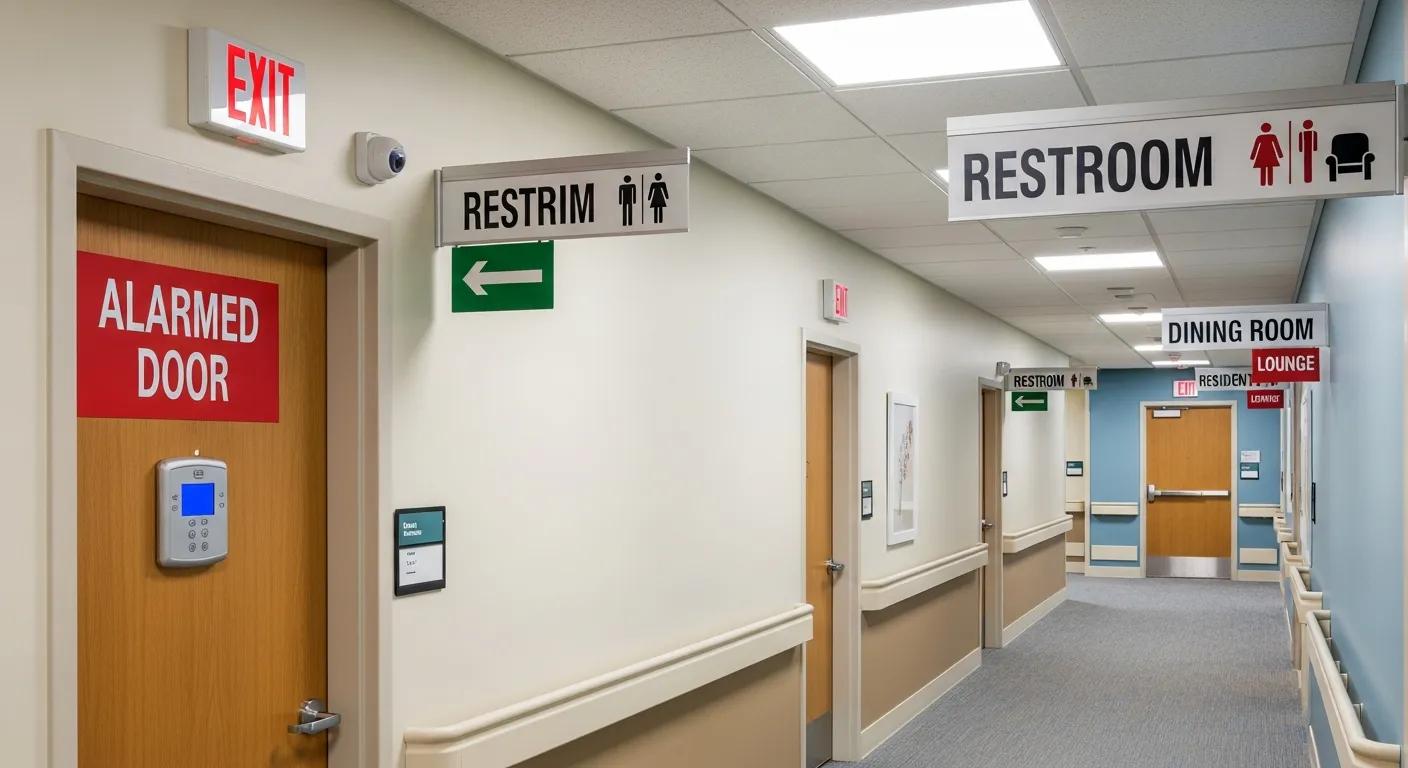
A secure, dementia-friendly physical environment minimizes elopement risk, prevents injury, and supports safe mobility through clear design and layered controls. Key elements include controlled access points, alarmed doors linked to staff response, an enclosed outdoor courtyard for safe activity, uncluttered layouts, and room options that balance privacy and supervision. Families should inspect how perimeter security integrates with staff workflows and how outdoor spaces are designed for sensory engagement. The table below summarizes common security features, their purpose, and typical benefits to make quick comparisons straightforward for decision-making.
Introduction to security comparisons: the following table shows why each physical feature exists and what practical benefit families can expect.
FeaturePurposeExample / BenefitLocked facility with controlled accessPrevent unsupervised exit and elopementLimits external access while monitored movement insideAlarmed exit doors and wander-management systemsDetect and alert staff to attempted exitsImmediate staff notification reduces elopement incidentsSecure outdoor courtyardProvide safe outdoor activity and exerciseOffers supervised fresh air and sensory stimulation without escape riskClear signage and intuitive layoutsReduce disorientation and support wayfindingFewer falls and less agitation from getting lostPrivate and semi-private room optionsBalance privacy with social supervisionPersonalization aids memory; shared rooms encourage companionship
How Do Secure Perimeters and Alarmed Doors Prevent Wandering?
Secure perimeters and alarmed doors function by creating controlled boundaries that detect and deter elopement attempts while preserving residents’ access to safe spaces. Perimeter systems are typically tied to staff alerts so that a single alarm prompts immediate, trained response and reduces the time a resident is unsupervised outside secure areas. Families should ask how alarms are routed, expected staff response times, and whether systems are tested regularly during tours. Understanding how technology and staffing coordinate provides confidence in daily safety protocols.
What Role Do Enclosed Outdoor Courtyards Play in Safe Resident Mobility?
Enclosed outdoor courtyards provide therapeutic benefits—exercise, sunlight exposure, and sensory stimulation—within a controlled space that prevents dangerous wandering. Good courtyard design emphasizes visibility from staff stations, non-slip paths, gradual gradients for mobility devices, and sensory plantings to reduce agitation. Supervised outdoor time can improve sleep, reduce restlessness, and support gentle physical activity. When touring, families should observe courtyard visibility and ask about scheduled outdoor activities that use these spaces.
How Does Facility Design Use Clear Signage and Layouts to Reduce Confusion?
Intuitive layouts and dementia-friendly signage reduce daily confusion by reinforcing orientation cues and simplifying navigation through color, contrast, and familiar symbols. Design choices like single-level corridors, visible common areas, and logical placement of bathrooms and dining spaces support independence and lower anxiety. Families should look for consistent visual cues, adequate lighting, and uncluttered corridors during visits, as these small design elements have outsized effects on daily comfort. Clear wayfinding also supports staff efficiency and resident autonomy.
What Are the Benefits of Private and Semi-Private Room Options?
Private rooms offer quieter environments, fewer sleep disruptions, and greater control over personal belongings, which can reduce overstimulation for residents with advanced symptoms. Semi-private rooms may provide social benefit, companionship, and lower cost, which can be valuable for residents who thrive on interaction. The right choice depends on the individual’s level of agitation, need for supervision, and family preferences; personalization of rooms with familiar items supports orientation in either arrangement. Families should weigh privacy needs against social opportunities when touring options.
How Does Braley Care Homes Ensure 24/7 Locked Security and Emergency Response?
Braley Care Homes, a dedicated Alzheimer's, dementia, and memory care facility in West Virginia, provides a locked, secure environment with alarmed exit points and a secure outdoor courtyard to manage wandering and elopement risks. The facility emphasizes 24/7 professional oversight so families can expect continuous supervision combined with rapid staff response to safety alerts. During tours and assessments, Braley’s team outlines emergency response procedures and demonstrates how security systems integrate with caregiving routines to preserve resident safety and dignity. Observing these protocols helps families understand day-to-day safety practices.
How Does Specialized Staff Training Enhance Memory Care Services in West Virginia?
Specialized staff training transforms physical amenities into effective care by equipping caregivers with communication strategies, behavior management techniques, and protocols for assisting with ADLs and medication administration. Training ensures staff can recognize triggers, de-escalate agitation, and implement individualized strategies that improve resident outcomes. Families should evaluate the depth and frequency of dementia-specific training, supervision levels, and the presence of clinical leadership when comparing facilities. The table below clarifies common staff roles, training qualifications, and resident impacts to help families assess competency systematically.
Intro to staff roles: this table explains how staff expertise translates into daily resident benefits.
Staff RoleTraining / QualificationResident ImpactCaregivers / CNAsDementia-specific in-service trainingImproved cueing for ADLs and calmer daily routinesLicensed nursesClinical medication management protocolsSafer medication administration and monitoringLicensed Clinical Social Worker (LICSW)Clinical social work training and behavioral planningFamily counseling and individualized behavior plansActivity coordinatorsTherapeutic programming for cognitionStructured activities that support engagement and mood
What Dementia-Specific Training Do Caregivers and Nurses Receive?
Caregivers and nurses should receive ongoing dementia-focused training covering communication that reduces frustration, behavior management and de-escalation, safe feeding and mobility assistance, and recognition of medical changes. Practical competency involves role-based drills, shadowing, and regular in-service sessions that refresh skills and adapt to resident needs. Families should ask about examples of recent training topics and how new protocols are implemented. Verifying training processes ensures staff can translate knowledge to consistent, compassionate daily care.
How Does 24/7 Professional Supervision Improve Resident Safety and Well-being?
Round-the-clock supervision enables immediate response to wandering, falls, or medical changes and ensures proactive monitoring of behaviors that can escalate without intervention. Night staffing models that include staff trained in low-light supervision and movement support reduce emergency incidents and support sleep-wake regulation. Supervision also allows consistent implementation of care plans and medication administration as scheduled. Observing staff engagement and asking about shift handovers reveals how supervision supports continuous, coordinated care.
What Roles Do Social Workers and Activity Coordinators Play in Personalized Care?
Social workers and activity coordinators translate clinical assessment into individualized plans: social workers focus on behavioral assessments, family counseling, and care-plan coordination while activity coordinators design meaningful cognitive and social programs that reflect residents’ life histories. Together they adapt activities and supports to changing needs, which reduces isolation and improves mood. Families should request examples of personalized activity plans and the frequency of care-plan meetings to evaluate these roles’ effectiveness. This coordination between clinical and programming staff is central to resident-centered memory care.
How Is Medication Management Handled in WV Memory Care Facilities?
Medication management in memory care typically involves scheduled administration by licensed staff, regular medication reviews, and coordination with prescribers and pharmacies to prevent errors and adverse interactions. Facilities should have protocols for documenting administration, monitoring side effects, and adjusting regimens in collaboration with clinicians. Families should ask about medication reconciliation processes and how changes are communicated to loved ones. Clear medication protocols reduce risk and support clinical stability for residents.
Why Are Nurse-to-Resident Ratios Important for Quality Memory Care?
Nurse-to-resident ratios affect response time during emergencies, the ability to provide individualized ADL assistance, and the quality of supervision during high-risk periods like evenings and mealtimes. Lower ratios allow more frequent observation, timely medication administration, and tailored interactions that reduce agitation and maintain function. Families should ask about typical staffing patterns during tours and how ratios change with higher acuity needs. Transparent staffing information is a key indicator of care capacity and reliability.
What Engaging Activities and Therapeutic Programs Support Cognitive and Emotional Health?

Therapeutic programming supports cognition, mood, and identity through structured routines, meaningful activity, and sensory-based interventions tailored to dementia. Effective programs include cognitive stimulation, reminiscence and life-story work, music and art therapies, pet visits, and safe physical exercise that together promote engagement and reduce isolation. Families should evaluate whether activities are individualized, scheduled consistently, and designed for varying ability levels. Below is a practical activity list families can use to verify program quality during tours.
Intro to activity checklist: the list below highlights program types and reasons to prioritize them.
Cognitive stimulation programs: Structured games and life-story exercises that encourage memory practice and social interaction.
Music and art therapy: Creative therapies that evoke memories and regulate mood through familiar songs and expressive tasks.
Physical exercise and gardening: Supervised movement programs that support mobility, sleep, and mood.
Social engagement groups: Small-group activities and family events that reduce loneliness and reinforce routine.
Pet therapy visits: Animal-assisted interactions that soothe anxiety and encourage social responses.
How Do Cognitive Stimulation Programs Benefit Memory Care Residents?
Cognitive stimulation programs use structured, repetitive tasks and life-story work to maintain engagement, slow functional decline in some domains, and provide routine that reduces anxiety. Activities are calibrated to ability levels to avoid frustration while encouraging accomplishment and social interaction. Families should ask how programs are individualized and measured for engagement. Well-structured cognitive stimulation supports daily functioning and sustains identity.
What Are the Effects of Music, Art, and Reminiscence Therapies?
Music and art therapies access intact emotional memory pathways to evoke positive responses, reduce agitation, and improve communication, while reminiscence groups use personal histories to reinforce identity and conversation. These therapies often produce immediate mood benefits and can increase participation in other programs. Asking about session frequency and examples of past themes helps families evaluate program depth. Creative therapies are powerful tools for emotional regulation and connection.
Research indicates that providing holistic care and working collaboratively with other disciplines to provide therapeutic activity programs will facilitate optimum quality of life for people with mid-stage dementia.
Therapeutic Activity Programs for Holistic Dementia Care
providing holistic care and working collaboratively with other disciplines to provide therapeutic activity programs will facilitate optimum quality of life for people with mid-stage dementia.
Planning activities for patients with dementia: a descriptive study of therapeutic activities on special care units, 1996
How Do Physical Exercise and Outdoor Access Promote Wellness?
Light exercise—supervised walks, chair exercises, and gardening—improves cardiovascular health, mobility, and sleep quality while reducing fall risk when properly supervised. Outdoor access in secure courtyards combines physical activity with sensory stimulation that reduces agitation and supports circadian rhythms. Families should check activity plans and staffing during exercise sessions to confirm safety and consistency. Regular movement contributes measurably to overall well-being.
What Social Engagement Opportunities Help Reduce Isolation?
Group meals, small social circles, family events, and volunteer or intergenerational programs create predictable social opportunities that reduce loneliness and sustain routine. Activity schedules that encourage repeated participation build familiarity and belonging, which are crucial for people with memory impairment. Families should ask how new residents are integrated into groups and how attendance is encouraged. Strong social programming correlates with improved mood and engagement.
How Is Pet Therapy Incorporated into Memory Care Programs?
Pet therapy can be delivered via supervised visiting animals or by integrating resident pets under strict safety protocols; both formats aim to evoke comfort, reduce anxiety, and stimulate social interaction. Programs must include infection control, resident consent, and animal screening to ensure safety. Families should inquire about frequency, types of animals used, and health protocols. When implemented carefully, pet therapy enhances emotional connection and daily enjoyment.
What Nutritional Support and Dining Amenities Are Essential in WV Memory Care Facilities?
Nutrition in memory care supports physical health, cognitive function, and social routine through tailored menus, adaptive dining techniques, and supportive mealtime environments. Facilities should offer nutrient-dense, easy-to-eat options, hydration strategies, and staff assistance for residents with swallowing or appetite changes. Social dining that encourages shared meals also supports appetite and emotional well-being. The short table below outlines common dietary accommodations and their practical benefits to guide family evaluation.
Intro to dietary accommodations: the table summarizes common approaches and their resident-focused value.
Dietary AccommodationPurposeExample / BenefitTexture-modified mealsReduce choking risk for swallowing difficultiesSafer intake with preserved nutritionSmall, frequent mealsAddress decreased appetite and pacingMaintains calorie intake across dayHydration strategiesPrevent dehydration common in dementiaImproved cognition and fewer UTIsDietitian inputIndividualized meal planning for medical needsNutrient-dense menus tailored to preferences
How Are Nutritious Meals Tailored for Residents with Memory Loss?
Kitchens that tailor menus for memory loss focus on familiar foods, appropriate textures, smaller portions, and visually appealing presentation to encourage eating. Dietitian involvement or menu review helps address weight loss, swallowing issues, and chronic conditions without inventing complex diets. Families should ask whether menus rotate, how preferences are captured, and how appetite changes are monitored. Thoughtful meal planning supports nutrition and social enjoyment at mealtimes.
What Dining Assistance Services Help Residents with Eating Challenges?
Dining assistance includes cueing, supervised feeding, adaptive utensils, and trained staff who recognize choking risks and support independence where possible. Supervisory dining prevents unsafe eating behaviors while adaptive tools preserve dignity and function. Families should confirm staff training in feeding techniques and observation protocols during tour visits. Proper dining assistance reduces aspiration risk and supports adequate intake.
How Does Braley Care Homes Provide a Comfortable and Social Dining Experience?
Braley Care Homes emphasizes a home-like dining atmosphere with individualized support to encourage social eating and better intake for residents with memory loss. The facility’s approach combines staff-supported meals and familiar routines to reduce mealtime anxiety and support nutritional goals. Families touring the facility can expect to observe small, social dining settings and staff who assist in ways that promote dignity and participation. Observing mealtime practices during a visit reveals how dining amenities translate into daily quality of life.
How Do Family Support and Educational Services Enhance Memory Care in West Virginia?
Family-focused supports—regular care-plan meetings, education workshops, support groups, and respite options—help caregivers navigate complex decisions, reduce burnout, and stay informed about changing needs. Facilities that offer transparent communication and structured family involvement produce better-coordinated care and stronger emotional support for residents. Below is a short checklist families can use to evaluate family services and prepare for collaborative care planning.
Intro to family supports checklist: quick items to verify during calls and tours.
Schedule of care-plan meetings and typical agenda items
Availability of support groups or caregiver workshops
Respite care formats and booking procedures
Policies for family visitation and involvement in activities
What Family Communication and Care Plan Meetings Are Offered?
Care plan meetings typically cover medical status, behavioral strategies, medication adjustments, and activity goals and should occur at regular intervals or after notable changes. Families should expect documentation of agreed plans and clear follow-up steps. Preparing questions in advance and bringing recent medical notes helps make meetings productive. Effective communication practices ensure that family priorities remain central to ongoing care.
How Do Support Groups and Educational Workshops Assist Caregivers?
Support groups and workshops provide peer connection, practical skills, and stress management techniques that improve caregiver resilience and competence. Topics often include behavior strategies, self-care, legal planning basics, and community resource navigation. Participation in these programs helps families feel supported and better able to implement consistent approaches at home or during visits. Local workshops also connect families to state-level resources and peer networks.
Many families caring for individuals with dementia at home may have limited access to supportive services, highlighting the importance of community-based programs.
Memory Care Home Solutions: Supporting Families of Dementia Patients
Most persons with dementia live at home, cared for by families with limited access to supportive services. We describe “Memory Care Home Solutions” (MCHS), a community-based dementia care program, and evaluate enrollees’ characteristics, strategies provided and implemented, and impact on adverse health-related events (emergency medical calls, emergency room visits, hospitalizations, falls) of persons with dementia.
Supporting family caregivers of persons with dementia in the community: Description of the 'Memory Care Home Solutions' program and its impacts, LN Gitlin, 2017
What Respite Care Options Are Available for Families?
Respite care can take the form of short-term stays, day programs, or temporary coverage to allow family caregivers time to rest, manage appointments, or travel. Facilities typically have booking protocols and assessment steps to match respite needs to appropriate support levels. Families should ask about eligibility, notice periods, and what services are included during respite stays. Planned respite helps prevent caregiver burnout and supports sustained family involvement.
How Does Braley Care Homes Foster a Home-Like Environment for Families and Residents?
Braley Care Homes emphasizes a small-scale, home-like setting that promotes personalization, strong staff-resident relationships, and family inclusion in daily life. This focused environment supports comfort, orientation, and continuity for residents while enabling families to participate in care planning and social activities. Families touring Braley can expect staff to discuss personalization options and how the setting supports family visits and joint activities, reinforcing the therapeutic value of a homelike model.
What Financial Considerations and Assistance Programs Should Families Know About for WV Memory Care?
Memory care costs are influenced by staffing levels, specialized services, facility design, and program breadth; families should examine fee schedules, included services, and potential additional charges to plan accurately. Common assistance pathways in West Virginia include Medicaid waivers, Veterans benefits, and local programs, which facilities often help families explore during assessments. The table below summarizes typical assistance programs, eligibility cues, and what families can expect these options to cover or how to start applications.
Intro to financial options: this table offers a concise comparison of common assistance routes and next steps for families.
ProgramEligibilityWhat It Covers / How to ApplyMedicaid waivers (state-level)Income and clinical eligibility per state rulesMay cover home- and community-based services or portions of care; contact state resources for applicationVeterans benefits (Aid & Attendance)Veteran or surviving spouse with qualifying service and financial needCan provide supplemental funds for long-term care support; consult VA guidance and facility admissions staffLocal or charitable programsVaries by county and funderMay offer one-time assistance for placement or services; inquire with facility social work or local agencies
What Factors Influence the Cost of Memory Care in West Virginia?
Costs depend on staffing ratios, level of clinical services, private versus shared rooms, therapeutic programming intensity, and included supports like meals and activities. Higher-acuity needs and more specialized nursing or therapy increase costs, while semi-private accommodations and limited programming may lower base rates. Families should request itemized fee schedules to compare apples-to-apples among providers. Transparent comparisons help families understand trade-offs between cost and care scope.
What Financial Assistance Programs and Medicaid Waivers Are Available?
Families should investigate West Virginia Medicaid waivers, local aging services, and state benefit programs as primary starting points; eligibility and coverage vary so verification through state resources is essential. Facilities commonly assist with applications by providing documentation from assessments and care plans. Asking admissions staff about typical pathways and required documentation streamlines the process. Early engagement with facility social workers improves chances of identifying applicable supports.
How Can Veterans Benefits Support Memory Care Expenses?
Veterans and surviving spouses may qualify for Aid & Attendance or other VA pension enhancements that offset long-term care costs when service and financial criteria are met. Families should consult VA resources and consider facility social work assistance to compile medical and financial documentation. Exploring VA benefits early in the placement process helps clarify potential supplemental funding streams. Facility staff can often guide initial inquiries.
Where Can Families Find Transparent Information About Memory Care Costs?
Request itemized fee schedules, lists of included services, and written estimates for typical monthly costs and potential additional charges during a facility tour or assessment. Use a consistent checklist to compare facilities—ask about staffing, therapy programs, private-room fees, and medication management charges. Bringing a prepared list of financial questions to calls and tours fosters clearer comparisons. Transparent information is critical for realistic planning and advocacy.
Why Choose Braley Care Homes for Specialized Memory Care Amenities in West Virginia?
Braley Care Homes Inc. positions itself as West Virginia’s only free-standing Alzheimer’s, Dementia, and memory care facility with dedicated programming, dementia-trained staff, and a home-like, secure environment designed specifically for memory support. The facility emphasizes 24/7 professional care, individualized activities, and clinical leadership that includes licensed clinical social work oversight, which supports behavior planning and family counseling. Braley also offers free assessments—Family Assessment Form and Behavior Profile—to inform placement decisions and personalize care planning. For families seeking specialized dementia care in WV, these focused amenities and assessment processes are central to a conversion-oriented next step: schedule a tour or request an assessment to evaluate fit.
Meet Chris Braley: Owner, Administrator, and LICSW
Chris Braley, the owner and administrator of Braley Care Homes, is a Licensed Independent Clinical Social Worker (LICSW) with nearly 20 years of experience in the mental health field. He holds both a bachelor’s and Master’s degree in social work, bringing a deep understanding of holistic care to Braley Care Homes, which remains West Virginia’s only free-standing Alzheimer’s, Dementia, and memory care facility. Chris firmly believes that quality care thrives in a homelike environment, a philosophy deeply rooted in his professional expertise and personal experience.
Chris's commitment to dementia care is not only professional but also profoundly personal. He shares, “Dementia is not only in my professional life but also in my personal life. My grandmother and father suffered from dementia, so I know the pain the families go through as they watch helplessly as their loved one suffers. I like to think that Braley Care Homes is able to lessen this helpless feeling for families, at least this is my goal.” This personal connection drives his mission to provide compassionate and effective care.
Further underscoring his expertise, Chris Braley has been honored with the Achievement Award from AGE-u-cate for his outstanding work as a Dementia Live Coach. This prestigious recognition highlights his dedication to improving the lives of those affected by dementia through innovative coaching methods and a compassionate approach, making a significant impact in the field.
What Makes Braley Care Homes the Only Free-Standing Alzheimer’s and Dementia Facility in WV?
Being free-standing means Braley Care Homes operates as a dedicated facility solely focused on Alzheimer’s, dementia, and memory care rather than a memory unit within a larger assisted living or nursing setting. This singular focus allows the organization to concentrate resources, programming, and design on the unique needs of people with memory impairment. Families benefit from a consistent therapeutic environment where all aspects—from activities to security—are designed around dementia care principles. The free-standing model supports depth of specialization that can be harder to replicate in mixed-use facilities.
How Does Braley Care Homes’ Home-Like Environment Benefit Residents?
A deliberately home-like environment reduces institutional cues that can increase anxiety and disorientation for residents with dementia; instead, smaller communal areas, familiar dining settings, and personalized rooms support identity and routine. This atmosphere fosters stronger staff-resident relationships and easier family involvement, which together improve daily comfort and reduce agitation. Families touring the facility can observe how personalization and scale are used intentionally to promote calm and familiarity.
What Specialized Staff Expertise and Compassionate Care Does Braley Provide?
Braley’s staff model includes dementia-trained caregivers, licensed nursing oversight, activity coordination, and licensed clinical social work (LICSW) leadership that guides behavioral planning and family support. This clinical and programmatic mix enables tailored interventions for each resident, including individualized activities and family counseling when needed. The presence of clinical leadership supports ongoing staff training and quality oversight, which families should consider when evaluating care capacity and compassion.
How Can Families Schedule a Tour or Get a Free Assessment?
Braley Care Homes offers complimentary assessment tools—Family Assessment Form and Behavior Profile—to help match resident needs to services and to inform individualized care planning. Families interested in placement, a tour, or a free assessment are encouraged to request these evaluations to begin a transparent placement process and to learn what to expect during initial evaluation and follow-up care planning.
Frequently Asked Questions
What should families consider when touring memory care facilities?
When touring memory care facilities, families should evaluate the environment, staff interactions, and available amenities. Look for safety features like secure entrances and alarmed exits, as well as the presence of dementia-trained staff. Observe how staff engage with residents and whether they provide individualized care. Additionally, inquire about the types of activities offered, dining options, and how family involvement is encouraged. Taking notes during tours can help families compare facilities effectively and make informed decisions.
How can families assess the quality of therapeutic programs in memory care?
To assess the quality of therapeutic programs, families should inquire about the types of activities offered and how they are tailored to residents' abilities and interests. Ask about the frequency of these programs and whether they include cognitive stimulation, music therapy, and physical exercise. Observing a program in action during a visit can provide insight into resident engagement and staff interaction. Additionally, families should ask for feedback from current residents and their families to gauge satisfaction with the activities provided.
What role do family support services play in memory care?
Family support services are crucial in memory care as they help caregivers navigate the complexities of dementia care. These services may include educational workshops, support groups, and regular care-plan meetings that keep families informed about their loved one's needs. By fostering open communication and providing resources, these services can reduce caregiver stress and enhance the overall care experience. Families should inquire about the availability and frequency of these support services when evaluating memory care facilities.
What are the signs that a memory care facility is well-staffed?
Signs of a well-staffed memory care facility include low staff-to-resident ratios, visible staff engagement with residents, and the presence of specialized training for caregivers. Families should observe how staff interact with residents during visits and ask about staff turnover rates. Additionally, inquire about the qualifications and ongoing training of staff members, as well as how the facility ensures adequate supervision during high-risk times, such as mealtimes and evenings. A well-staffed facility will prioritize resident safety and well-being.
How can families ensure their loved ones receive personalized care?
To ensure personalized care, families should ask about the facility's approach to individualized care plans. Inquire how staff assess residents' unique needs, preferences, and histories to tailor care accordingly. Families should also look for facilities that encourage regular family involvement in care planning and decision-making. Observing staff interactions with residents can provide insight into how well they adapt their approaches to meet individual needs. Open communication with staff about any changes in a resident's condition is also essential for maintaining personalized care.
What should families know about the transition process into memory care?
The transition into memory care can be challenging for both residents and families. It's important for families to prepare their loved ones by discussing the move positively and reassuring them about the new environment. Families should also visit the facility multiple times before the move to help residents acclimate. Inquire about the facility's orientation process for new residents, including how they support emotional adjustment and social integration. Ongoing communication with staff during this transition can help address any concerns and ensure a smoother adjustment.
What are the benefits of a home-like environment in memory care facilities?
A home-like environment in memory care facilities can significantly enhance residents' comfort and well-being. Such settings reduce institutional cues that may cause anxiety and disorientation, promoting a sense of familiarity and security. Features like personalized rooms, communal dining areas, and smaller group settings foster stronger relationships between staff and residents. This environment encourages social interaction and engagement, which are vital for emotional health. Families should look for facilities that prioritize creating a warm, inviting atmosphere that feels like home for their loved ones.
What Are the Key Amenities to Look for in a WV Memory Care Facility?
Look for security features, dementia-trained staff, therapeutic activities, tailored dining supports, family communication, and clear care planning processes. Each amenity addresses a specific need—security prevents elopement, trained staff manage behaviors, activities sustain cognition, and tailored dining preserves nutrition. Prioritizing these core amenities leads to safer daily life and better quality of care.
How Does Specialized Staff Training Improve Resident Outcomes?
Specialized training improves outcomes by equipping staff with communication, de-escalation, and ADL support skills that reduce agitation and improve daily function. As a result, facilities with ongoing dementia training typically report fewer behavioral incidents and better mealtime intake. Ask facilities for examples of recent training topics when you visit.
What Safety Features Are Essential in Dementia Care Facilities?
Essential safety features include a locked facility, alarmed doors, secure courtyard, clear wayfinding, and emergency response systems to prevent wandering and support rapid intervention. Each feature reduces a distinct risk—together they form a layered safety approach that families should verify during tours.
How Can Families Plan Financially for Memory Care in WV?
Begin by requesting written estimates and itemized fee schedules, explore Medicaid waivers and Veterans benefits, and consult facility social work staff for assistance with applications. Early documentation and proactive outreach help families identify applicable programs and prepare realistic budgets. Requesting a free assessment can also clarify likely service needs.
How Do Engaging Activities Support Cognitive Health in Memory Care?
Purposeful activities—music, reminiscence, cognitive games, and gentle exercise—support engagement, reduce isolation, and can slow decline in some functional areas. Families should ask about individualized activity plans and how participation is encouraged. For placement planning, requesting examples of activity schedules clarifies therapeutic intent and daily rhythm.
