Memory Care Activities for West Virginia Residents
Memory Care Activities for West Virginia Residents: Engaging Seniors with Dementia and Alzheimer’s at Braley Care Homes
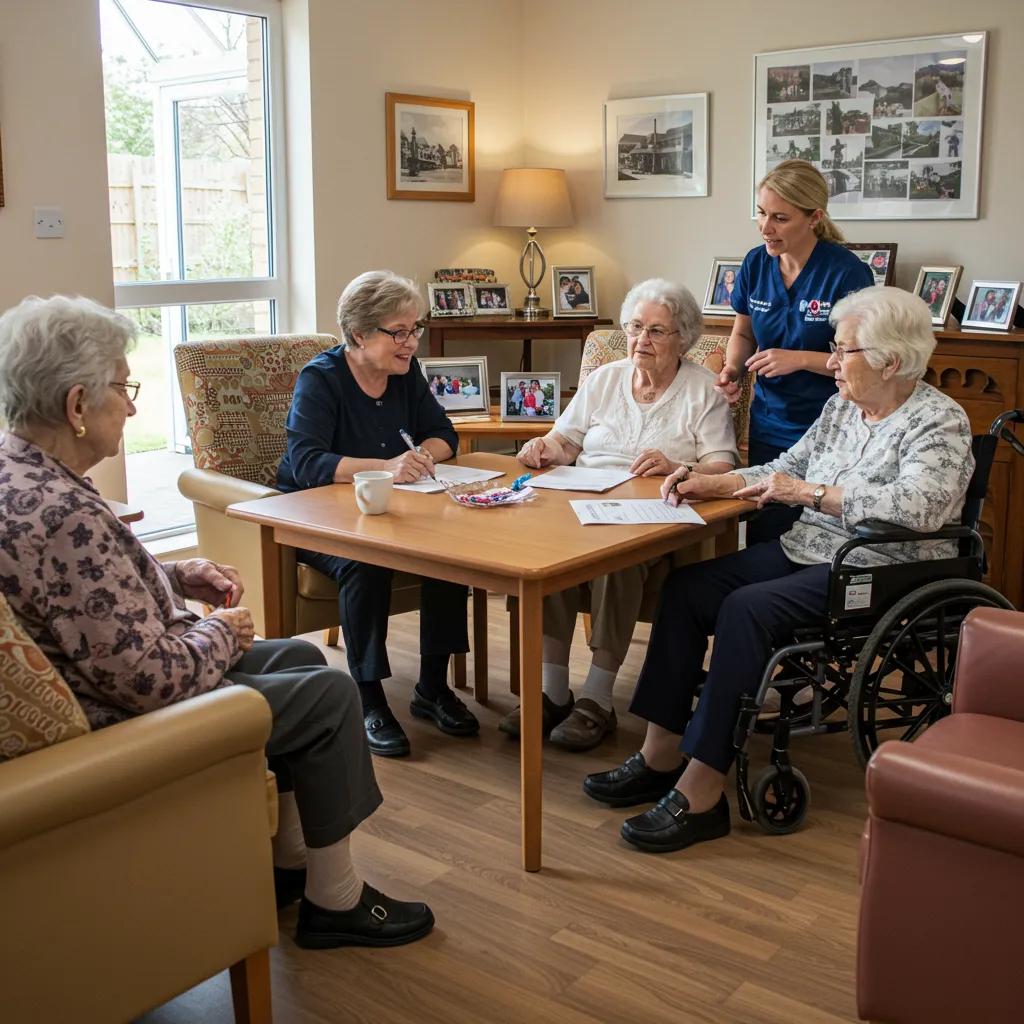
Memory care activities are structured engagements designed to support cognition, emotional well-being, daily function, and social connection for people living with dementia and Alzheimer’s. This article explains evidence-backed activity types, how they work, and why culturally relevant programming matters for West Virginia residents and families searching for memory care activities West Virginia offers. Many families seek practical routines and safe programs that reduce agitation, preserve dignity, and maintain skills; this guide maps mechanisms to outcomes and gives concrete examples caregivers and providers can use. You will learn the key benefits of activity-based care, the specific activity categories offered at Braley Care Homes, how personalization happens through social history assessments and a "step into their reality" philosophy, plus WV-focused seasonal and cultural integrations. The article also outlines caregiver resources, financial and community supports in West Virginia, and clear next steps for scheduling tours or free assessments at Braley Care Homes in Hurricane, West Virginia.
What Are the Key Benefits of Memory Care Activities for Seniors with Dementia in West Virginia?
Memory care activities are interventions that stimulate cognition, regulate emotion, and preserve functional abilities through structured, person-centered engagement. These activities work by activating residual memory networks, providing predictable routines that reduce stress, and offering social buffering through group connection—mechanisms that translate directly into improved mood, fewer behavioral disturbances, and preserved ability to participate in daily tasks. For West Virginia residents, incorporating local culture and seasonal cues amplifies reminiscence triggers and strengthens identity, making programs more effective and meaningful. Below are the primary, evidence-based benefits and the outcomes families can expect from consistent, tailored memory care programming.
Memory care activities provide several measurable advantages for seniors with dementia:
Improved cognitive activation and moment-to-moment recall through reminiscence and cognitive games.
Reduced agitation and anxiety via predictable routines and gentle physical activity.
Enhanced mood and social connection through music, group events, and family-centered celebrations.
Maintenance of daily living skills and dignity by practicing adapted task-based activities.
Physical health support from regular, safe exercise and supervised outdoor time.
These benefits are achieved through specific mechanisms, summarized in the table below for quick comparison and family reference.
Activity TypeMechanism (How It Works)Benefit (Cognitive / Emotional / Physical)Reminiscence sessionsAutobiographical cueing with photos, stories, and local promptsCognitive recall, improved mood, stronger identityMusic therapy (Appalachian/folk)Melody-triggered retrieval and group singingEmotional regulation, social bonding, reduced agitationGentle physical exerciseLow-intensity movement, balance and mobility practiceImproved sleep, reduced anxiety, fall-risk reductionSensory engagementTactile, olfactory, and visual cues tailored to preferencesCalming, increased presence, decreased distressTask-based ADL practiceSimulated routines and graded tasksMaintained independence, preserved sequencing skills
This comparison shows how targeted activities link mechanism to outcome; families can use this to choose programming that matches a loved one’s priorities and abilities. Braley Care Homes uses these same activity categories to design individualized plans that reflect West Virginia culture and seasonal rhythms, which increases engagement and meaningful participation.
How Do Activities Improve Cognitive Function and Emotional Well-being?
Cognitive and emotional benefits arise when activities repeatedly cue memory and provide emotionally salient stimuli, which strengthens neural pathways and stabilizes mood. Reminiscence prompts—such as old photographs, stories about local towns, or Appalachian song lyrics—engage autobiographical memory and encourage conversational recall, which supports attention and retrieval practice. Structured novelty, like a short cognitive game or a guided storytelling circle, introduces manageable challenge that promotes plasticity without causing frustration. Regularly scheduled activities also regulate circadian rhythm and mood, reducing depressive symptoms by offering purpose and predictable social contact. Understanding these mechanisms clarifies why personalized, culturally resonant prompts are more effective than generic exercises alone.
Reminiscence Therapy for Dementia: Appalachian Folklore, Games, and Music
Reminiscence therapy and programs can be difficult. In conducting several (Cochrain) reviews of studies focusing on reminiscence therapy for persons with dementia, we found that reminiscence therapy is effective in improving cognition and mood in persons with dementia. The.
In What Ways Do Social and Physical Activities Reduce Agitation and Anxiety?
Social engagement and gentle exercise reduce agitation by offering social buffering and physiologic pathways to calmness, such as endorphin release and improved autonomic regulation. Group sing-alongs, supervised courtyard walks, and small-group games create safe opportunities for connection and role fulfillment, which decreases isolation and the behavioral manifestations of unmet needs. Physical activity, even seated or range-of-motion routines, promotes better sleep and lowers restlessness, while pacing activities and short durations prevent overstimulation. Staff trained in pacing and validation can transition residents between activities with fewer triggers for anxiety, showing how programming and staff response work together to reduce behavioral symptoms.
How Do Memory Care Activities Support Daily Living Skills and Resident Dignity?
Activity programs that include task-based ADL practice support sequencing, motor planning, and confidence needed for everyday routines, preserving independence and dignity. Simple, graded tasks—such as setting a table, folding towels, or assisted grooming—maintain fine motor skills and provide meaningful roles that reinforce self-identity. Staff use respectful language, offer choice, and adapt prompts to avoid infantilization, thereby preserving autonomy even when full independence is not possible. Measuring outcomes through continued participation and reduced assistance needs provides families with tangible evidence that activity-based interventions protect function while honoring personhood.
What Types of Memory Care Activities Are Offered at Braley Care Homes in West Virginia?

Braley Care Homes offers a range of memory care activities organized into cognitive, physical, creative, social, and sensory categories designed to match residents’ abilities and preferences. Each category uses short session lengths, repeated routines, and culturally relevant prompts to maximize engagement; for example, cognitive sessions often include WV historical prompts, and music therapy incorporates Appalachian folk songs. Programs run in small groups or one-to-one formats to reduce overwhelm and to tailor intensity, with adaptations for early, middle, or late stages of dementia. Below is a numbered overview of the core activity categories families can expect.
Cognitive stimulation sessions using reminiscence, puzzles, and structured conversation prompts tied to West Virginia themes.
Gentle physical exercise including chair routines, supervised courtyard walks, and balance practice.
Creative arts and music therapy with Appalachian music integration, simple art projects, and storytelling.
Social engagement programs such as small-group games, holiday celebrations, and volunteer visits.
Sensory engagement activities featuring tactile boxes, aromatherapy cues, and nature exposure in a secure courtyard.
Each category is adapted for safety and individual needs, with staff documenting responses and adjusting intensity over time to preserve comfort and maximize participation.
Introductory table describing session formats and stage-based adaptations.
ActivityTypical Session Format (Duration, Group/Individual)Adaptations for Dementia StagesReminiscence groups20–30 minutes, small group with visual promptsEarly: open discussion; Mid: guided prompts; Late: photo-based one-to-oneChair exercise15–25 minutes, group or individualEarly: standing balance; Mid: seated routines; Late: passive range of motionMusic therapy20–40 minutes, group sing-along or one-to-one listeningUse familiar Appalachian songs; switch to passive listening if fatiguedArt/activity crafts20–30 minutes, individual or pairedSimplify steps and supply adaptive tools for motor limitationsCourtyard walks10–30 minutes, supervised outdoor strollsShorter loops and seating options for endurance limits
This table clarifies how each activity is delivered and how staff adapt sessions across stages to preserve engagement and safety. Braley Care Homes implements these formats in a 16-bed, home-like setting with a secure outdoor courtyard to support safe outdoor exposures.
Braley Care Homes implements secure courtyard walks and Appalachian music therapy as regular program elements, and families are encouraged to inquire about specific schedules and personalization options by calling the facility.
Which Cognitive Stimulation Activities Help Keep Minds Active?
Cognitive stimulation at Braley Care Homes pairs structured tasks with personalized cues to sustain attention and recall, using short durations to prevent fatigue and maintain success experiences. Typical activities include themed reminiscence circles that reference local WV history, simplified word or picture puzzles, and current-events simplified discussions that anchor residents in the present. Staff employ retrieval practice—prompting with cues and gradually reducing support—to strengthen memory pathways, while varying sensory inputs to keep sessions novel yet familiar. These cognitive activities aim to be achievable and reinforcing, supporting both ability and confidence while providing clear data on engagement levels over time.
What Gentle Physical Exercises Promote Health and Mobility for Memory Care Residents?
Gentle physical programming emphasizes joint mobility, balance, and cardiovascular maintenance with safety and repetition at the forefront. Chair-based strength and stretching routines, brief supervised walks in a secure outdoor courtyard, and balance drills done with staff support reduce fall risk and improve sleep patterns. Sessions are short—typically 15–25 minutes—and delivered at a consistent time of day to build routine and physiologic regulation. Safety measures include staff training in safe transfer and CPR/First Aid, adaptation of activities to individuals’ endurance, and continuous monitoring during outdoor walks to maintain comfort and reduce anxiety.
How Do Creative Arts and Music Therapy Foster Self-Expression in Seniors?
Creative arts and music therapy provide nonverbal pathways for self-expression and emotional processing, especially valuable when verbal recall is impaired. Music therapy at Braley Care Homes integrates Appalachian folk music and familiar hymns to trigger autobiographical memory and encourage group singing, which fosters mood elevation and social connection. Art projects use large-grain materials and guided steps to allow participation without fine motor strain, and storytelling sessions invite residents to contribute memories or listen quietly. These creative modalities reduce isolation, validate identity, and often reveal strengths that standard cognitive tests do not capture.
What Social Engagement and Community Integration Activities Build Connections?
Social programming centers on small-group formats, family involvement, and local partnerships that sustain social roles and community belonging. Group games, family-inclusive holiday celebrations, and visits from local volunteer groups or church members create continuity with residents’ preexisting social identities. Intergenerational and community connections are scheduled in short, supervised outings or on-site visits to limit fatigue and reduce environmental stressors. These activities reinforce relational memory and give families observable ways their loved one is maintaining connection and joy.
How Does Sensory Engagement Enhance Connection with the Environment?
Sensory engagement uses targeted tactile, olfactory, and visual cues to ground residents in the present and elicit positive memories, with careful attention to safety and individual preferences. Tactile activity boxes (fabric swatches, everyday objects), safe aromatherapy (familiar kitchen scents), and visual displays of seasonal West Virginia imagery create calming anchors that can reduce distress. Time spent in a secure outdoor courtyard brings natural light and seasonal stimuli—fall foliage, garden scents—that support orientation and pleasure. Personalization is key: staff note which sensory cues calm or stimulate each resident and tailor interventions accordingly.
How Does Braley Care Homes Personalize Memory Care Activities for West Virginia Seniors?
Personalization at Braley Care Homes begins with a comprehensive social history assessment that maps life experiences, occupations, hobbies, routines, and local ties, then translates that information into individualized activity plans. This process identifies meaningful triggers—such as hometown events, favorite songs, or occupational tools—that staff use to create relevant cues and engagement strategies. The facility’s philosophy, described as "step into their reality," guides staff to validate residents’ experiences and plan activities that meet emotional needs rather than correcting perceived errors. Families can request a free assessment and tour to observe the personalization process in action and discuss tailored programming for their loved one.
The social history assessment provides a structured way to connect biography with care planning and activity selection.
Program / Assessment ElementPurposeHow It Informs Activity PlanningLife history interviewCapture routines, roles, interestsGuides reminiscence topics and music selectionFunctional ADL reviewIdentify preserved skills and limitationsShapes task-based ADL practice and independence goalsSensory preference profileDocument calming vs stimulating cuesInforms sensory box contents and environmental cues
This table shows how assessment components become practical inputs for individualized programming. Family collaboration improves accuracy, and staff update plans as needs evolve, ensuring activities remain meaningful and effective.
What Is the Role of Social History Assessments in Tailoring Activities?
Social history assessments collect biographical details—career, hobbies, family roles, favorite music, and regional ties—that serve as activation cues for reminiscence and engagement. Gathering this information from families and records allows staff to select songs, photos, and prompts that are familiar and emotionally salient, increasing the probability of participation and positive affect. The assessment also identifies routines to preserve dignity and independence by incorporating familiar tasks into daily programming. Regular reassessment ensures activities remain aligned with changing abilities and preferences, fostering meaningful, sustainable engagement.
How Does the "Step Into Their Reality" Philosophy Guide Activity Planning?
The "step into their reality" approach validates a resident’s present experience and uses that validation as a foundation for calming, person-centered activities. Rather than correcting disorientation, staff acknowledge feelings and then pivot to soothing or meaningful tasks—such as joining a memory talk about a perceived family event or using a familiar melody to redirect agitation. This philosophy reduces confrontation, preserves dignity, and increases the likelihood of cooperation during care. Training ensures staff translate validation into activity choices that support emotional regulation and connection.
How Are Activities Adapted for Different Stages of Dementia and Alzheimer’s?
Activity complexity, group size, and sensory emphasis are scaled by stage to maintain success and reduce frustration. In early stages, programs emphasize cognitively stimulating group tasks and occasional supervised outings; middle stages include shorter routines, stronger sensory supports, and more one-to-one guidance; late stages prioritize comfort-focused sensory activities and individualized attention. Staff document responses and simplify steps or switch to passive formats when fatigue appears. This staged adaptation helps preserve function, reduce distress, and honor the resident’s current abilities.
What Local and Cultural Elements Are Integrated into Memory Care Activities in West Virginia?
Integrating West Virginia’s seasonal rhythms and Appalachian heritage strengthens engagement by anchoring activities in culturally familiar material that cues autobiographical memory. Seasonal drives to view fall foliage, reminiscence about county fairs, and music sessions featuring Appalachian folk tunes provide contextually rich stimuli that resonate with long-term residents. Community partners—local churches, volunteer groups, and school programs—support intergenerational contact and local involvement. These local and cultural elements make programs feel like an extension of residents’ lives rather than institutional routines.
Seasonal and landmark integrations offer opportunities for sensory and memory triggers that feel familiar and accessible.
Fall foliage drives and sensory boxes with autumn scents to evoke seasonal memories.
County-fair themed reminiscence sessions with photos and credited stories.
River and landscape imagery used in guided visualizations and storytelling.
These culturally grounded activities reinforce identity and provide concrete prompts that are meaningful to many West Virginia families.
How Are West Virginia’s Seasonal Events and Landmarks Incorporated into Activities?
Seasonal programming uses short, supervised outings and on-site sensory events to evoke strong autobiographical cues without overwhelming residents. For example, fall activities might include a brief supervised drive or courtyard sitting to view foliage paired with apple-scented sensory items; summer programming can bring garden flowers and river imagery into group sessions. Staff plan outings conservatively, with transportation and supervision protocols, focusing on familiar, local sites that minimize disorientation. These experiences translate landscape and seasonal cues into safe, memory-supporting activities.
What Role Does Appalachian Folk Music Play in Music Therapy Programs?
Appalachian folk music often contains melodies and lyrics tied to personal and regional histories, making it a powerful tool for autobiographical retrieval and mood regulation. Music therapy sessions at Braley Care Homes feature sing-alongs and passive listening of familiar hymns and folk songs, which can rapidly elicit positive emotions and social participation even when other communication is limited. Group singing fosters social bonds and reduces isolation, while carefully selected playlists enable staff to tailor the auditory environment for calming or energizing effects depending on resident needs.
How Do Community Outings and Volunteer Groups Enhance Resident Engagement?

Community outings and on-site volunteer visits provide role continuity and intergenerational interaction that reinforce social identity and increase opportunities for reciprocal relationships. Short, familiar outings and local volunteer groups—such as church visitors or school performances—are scheduled with attention to duration, transport needs, and supervision to prevent fatigue and disorientation. These partnerships allow residents to maintain social roles and offer families visible evidence of community connection, which supports overall well-being and reduces isolation.
What Resources and Support Are Available for Caregivers of Memory Care Residents in West Virginia?
Caregivers benefit from practical at-home activity ideas, local support organizations, and guidance on state-level financial assistance that can offset care costs. Simple, structured activities at home—reminiscence boxes, music playlists, and routine-based tasks—extend therapeutic engagement beyond the facility and preserve family connections. West Virginia caregivers can access state and community resources such as the Alzheimer’s Association West Virginia Chapter, WV Bureau of Senior Services programs, and WVU neuroscience resources for education and support. Below is a practical list of at-home activities and a table summarizing WV-specific programs and access steps.
At-home activity ideas caregivers can implement safely and easily:
Create a reminiscence box with labeled photos and familiar objects for short, guided sharing sessions.
Build short music playlists of Appalachian favorites for mood regulation and routine cues.
Use simple, routine-based chores (folding towels, setting a placemat) to preserve ADL sequencing and dignity.
Offer tactile sensory items (soft fabric, textured utensils) during quiet times to ground and comfort.
These activities are low-cost, preserve dignity, and can be integrated into daily routines with predictable timing to minimize frustration.
Enriching Dementia Care: Activity-Based Models in Nursing Homes
This paper reports on the outcome of the Enriched Opportunities Programme in three dementia specialist nursing homes that aimed to enrich opportunities for people living with dementia in nursing homes through the development and evaluation of a multi-level activity-based model of care.
Introductory table mapping WV programs and next steps.
Program / BenefitEligibilityHow to Apply / Access (WV-specific)Aged and Disabled Waiver ProgramSeniors meeting medical and financial criteriaContact WV Bureau of Senior Services or local aging office to request screening and application assistanceVeterans benefits (care-related)Veterans and eligible dependentsReach out to regional VA representative to review potential benefits and submit documentationAlzheimer’s Association WV Chapter supportCaregivers and familiesCall local chapter for support group schedules, education, and helpline assistanceWVU educational resourcesCare professionals and familiesContact WVU outreach or memory clinics for workshops and consults
This table gives caregivers actionable next steps to verify eligibility and begin applications. Local aging offices and the Alzheimer’s Association can provide application help and referrals to care managers.
Which Engaging Activities Can Caregivers Use at Home for Dementia Patients?
At-home activities should be brief, routine-based, and tied to personal history to maximize cooperation and benefit. Reminiscence boxes with labeled photos create prompts for short storytelling, while playlists of familiar Appalachian tunes offer mood regulation and orientation cues. Simple chores broken into stepwise tasks—folding towels or sorting utensils—support motor sequences and self-esteem. Sensory bottles, textured fabrics, and pleasant scents can provide calming focus during times of agitation. Caregivers should keep sessions short (10–20 minutes), frequent, and predictable to respect attention limits and reduce fatigue.
What Local West Virginia Dementia Support Groups and Educational Programs Exist?
Key local supports include the Alzheimer’s Association West Virginia Chapter for caregiver support groups, the WV Bureau of Senior Services for aging resources, and educational outreach from WVU neuroscience and memory clinics. These organizations offer in-person and virtual meeting formats, caregiver education, and referral pathways to local services. Families should contact their county aging office or the state chapter for meeting schedules, respite options, and caregiver training workshops. Local hospitals and university programs may also host educational seminars on dementia care and caregiving strategies.
How Can Families Access Financial Assistance for Memory Care in West Virginia?
Families seeking financial support should explore state waiver programs, Medicaid pathways, and potential veterans’ benefits as primary avenues for assistance. The Aged and Disabled Waiver Program is a common route for long-term care coverage for eligible seniors; families begin with a screening through the WV Bureau of Senior Services or local aging office. Veterans and dependents should contact regional VA representatives to determine entitlements. Practical steps include gathering medical documentation, financial records, and working with case managers or social workers to submit timely applications and appeals when necessary.
Frequently Asked Questions
What are some effective at-home activities for seniors with dementia?
At-home activities for seniors with dementia should be simple, engaging, and tied to personal history. Effective options include creating a reminiscence box filled with labeled photos and familiar objects for storytelling, using short music playlists of favorite songs to evoke memories, and engaging in routine-based tasks like folding laundry or setting the table. Sensory items, such as textured fabrics or pleasant scents, can also provide comfort. Keeping sessions brief and predictable helps maintain focus and reduces frustration.
How can caregivers find support and resources in West Virginia?
Caregivers in West Virginia can access various support resources, including the Alzheimer’s Association West Virginia Chapter, which offers support groups and educational programs. The WV Bureau of Senior Services provides information on aging resources, while West Virginia University (WVU) offers educational outreach and memory clinics. Families should reach out to local aging offices for specific programs, meeting schedules, and training workshops to enhance their caregiving skills and knowledge.
What financial assistance options are available for memory care in West Virginia?
Families seeking financial assistance for memory care in West Virginia can explore several options, including the Aged and Disabled Waiver Program, which provides long-term care coverage for eligible seniors. Veterans and their dependents may also qualify for specific benefits through the VA. To access these resources, families should contact the WV Bureau of Senior Services or local aging offices for screening and application assistance, ensuring they gather necessary documentation for a smooth application process.
How do community outings benefit seniors in memory care?
Community outings provide seniors in memory care with opportunities for social engagement, role continuity, and intergenerational interaction. These outings, which are carefully planned to minimize fatigue and disorientation, help reinforce social identities and create meaningful connections with the community. Activities such as visits from local volunteers or short trips to familiar places can enhance residents' overall well-being, reduce feelings of isolation, and provide families with visible evidence of their loved ones' engagement and happiness.
What role does music therapy play in memory care activities?
Music therapy plays a significant role in memory care activities by facilitating emotional expression and social connection. Familiar melodies, especially those tied to regional heritage like Appalachian folk music, can evoke strong memories and positive emotions, even when verbal communication is limited. Group singing and music sessions foster social bonds among residents, reduce feelings of isolation, and enhance mood. Music therapy is tailored to individual preferences, making it a powerful tool for engagement and emotional regulation.
How are activities adapted for different stages of dementia?
Activities are adapted for different stages of dementia by adjusting complexity, group size, and sensory emphasis. In early stages, activities may focus on cognitive stimulation and group tasks, while middle stages might include shorter routines and more one-on-one guidance. For late-stage residents, the emphasis shifts to comfort-focused sensory activities and individualized attention. Staff continuously monitor responses and adjust activities to ensure they remain engaging and appropriate for each resident's current abilities, promoting success and reducing frustration.
What is the importance of personalization in memory care activities?
Personalization in memory care activities is crucial as it enhances engagement and emotional connection. By conducting thorough social history assessments, caregivers can identify meaningful triggers—such as favorite songs, hobbies, and life experiences—that resonate with residents. Tailoring activities to individual preferences not only increases participation but also helps preserve dignity and self-identity. Personalized programming fosters a sense of belonging and purpose, making activities more relevant and effective in supporting cognitive and emotional well-being.
What Activities Are Best for Dementia Patients in West Virginia?
The best activities prioritize routine, familiarity, and meaningful connection: reminiscence using family photos and local history, gentle chair or supervised courtyard exercise, music therapy with familiar Appalachian tunes, simple task-based ADL practice, and sensory engagement with tactile or olfactory cues. Keep sessions short, frequent, and predictable to match attention span and reduce fatigue. Local cultural elements and family-provided life history materials increase relevance and engagement.
How Does Memory Care Differ from Assisted Living in West Virginia?
Memory care is specialized long-term care focused on dementia and Alzheimer’s, with dementia-trained staff, structured programming, secure environments, and activity plans tailored to cognitive needs. Assisted living may offer broader senior services but typically lacks the same intensity of dementia-specific programming, secure design emphasis, and staff training focused on validation and behavioral interventions. Families should evaluate staff training, secure outdoor spaces, and individualized activity planning when comparing options.
How Can Families Schedule a Tour or Assessment at Braley Care Homes?
To schedule a free assessment or tour, families can call the facility or referrals line to speak with staff who arrange visits and explain what to expect. Use the referrals number 304–767–4033 or the facility number 304–201–3677 to request a time, and bring a list of medical providers, medications, recent behaviors, and key social history items to the assessment. During the visit, expect a walk-through of the home-like 16-bed facility, an overview of programming, and a discussion of personalized care options. Staff will explain next steps and can provide guidance on financial and community resources. Families can also begin the process by filling out a care assessment or a resident application online to streamline their visit.
Sustainable Activity Models for Dementia Care in Long-Term Facilities
This paper reports on the development of a blueprint for a sustainable activity-based model for people with dementia living in long-term care. It aims to provide a sustainable activity-based model for people with dementia living in long-term care.
How Can You Experience the Braley Care Homes Difference in Memory Care Activities?
Braley Care Homes is West Virginia's only free-standing Alzheimer’s, dementia, and memory care facility, providing a 16-bed, home-like environment focused exclusively on specialized dementia care. This free-standing model allows design, staffing, and programming to be dedicated to memory care needs—secure outdoor courtyard access, small household routines, and staff trained in dementia-specific engagement. Leadership includes a Licensed Independent Clinical Social Worker owner/administrator, and programming emphasizes individualized activities shaped by social history assessments and a family-centered approach. Families seeking detailed information or referrals can call to arrange a free assessment and tour to observe activities and discuss placement options.
Below are practical steps to experience the facility and what to expect during a visit.
Call the referrals line or facility number to schedule a free assessment and tour.
Prepare social history details, medication lists, and key goals for the visit.
Observe activity sessions, meet staff, and review personalized programming and safety features.
What Makes Braley Care Homes the Only Free-Standing Memory Care Facility in West Virginia?
As a free-standing memory care facility, Braley Care Homes is designed solely for Alzheimer’s, dementia, and memory care rather than being a unit inside a larger assisted living or nursing facility. This singular focus enables consistent specialized staffing, activity programming built around dementia needs, and a smaller capacity that supports an intimate, family-centered environment. The 16-bed size promotes meaningful relationships between residents and staff, and the secure outdoor courtyard offers safe access to nature and seasonal experiences—attributes that matter for families prioritizing specialized, home-like dementia care.
How to Schedule a Free Assessment or Tour for Your Loved One?
Scheduling is straightforward: call 304–767–4033 for referrals or 304–201–3677 for the facility to request a free assessment and tour. During the call, staff will suggest documents to bring—medication lists, recent medical summaries, and social history details—and will outline what the assessment includes, such as functional ADL review and discussion of personalized activity goals. The tour highlights the home-like environment, activity spaces, and the secure courtyard, allowing families to see programming and staffing in action and to ask questions about admissions and care planning.
What Do Families Say About Our Memory Care Activities and Services?
Braley Care Homes emphasizes a family-centered philosophy—"Your family is our family"—and encourages prospective families to request references and visit to hear directly from current families about program outcomes and daily life. While facility literature focuses on individualized activity plans, secure outdoor access, and staff training, families are invited to arrange tours and free assessments to observe interactions, ask for referrals, and evaluate whether the home's small, specialized environment aligns with their expectations. Contact the facility via the contact page to learn more and to request opportunities to speak with current family members or staff.
