Residential Memory Care in West Virginia: What to Know
Residential Memory Care in West Virginia: What Families Need to Know
Residential memory care provides round-the-clock, specialized support for people living with Alzheimer's disease and other types of dementia by combining secure, therapeutic environments with staff trained in cognitive care. This guide explains what residential memory care is, how it differs from other senior care models, and why state-specific factors matter for families searching in West Virginia. Readers will learn how dementia-focused services are delivered in WV, typical cost ranges and financial assistance pathways, regulatory safeguards under OHFLAC, caregiver resources, and practical steps to evaluate local providers. The goal is to help families make informed decisions about safety, daily functioning, and quality of life while identifying next steps like assessments, tours, and placement conversations. Where appropriate, this article also highlights how Braley Care Homes Inc. — West Virginia's only free-standing Alzheimer's and dementia memory-care facility per local reporting — integrates individualized programming, trained staff, and free assessments and tours to support transitions. First, we define residential memory care and compare it to assisted living and nursing homes to set clear expectations for families considering a move.
What Is Residential Memory Care and How Does It Differ from Other Senior Care?
Residential memory care is a specialized form of senior living focused on the unique needs of people with Alzheimer's disease and related dementias, offering continuous supervision, environmental safeguards, and cognitive-support programs. The model works by pairing structured routines and staff trained in dementia care techniques with modified spaces that reduce confusion and prevent wandering, producing improved day-to-day safety and engagement. Families see concrete benefits in reduced safety incidents and more predictable daily rhythms for residents when memory care replaces chaotic or unsafe home care situations. Understanding these core characteristics helps families compare memory care to assisted living and nursing home options and decide when a transition is warranted.
What Defines Residential Memory Care for Alzheimer's and Dementia?
Residential memory care is defined by a few consistent elements: secure, monitored environments; staff trained in dementia-specific approaches; and programs tailored to cognitive strengths and life history. These programs rely on techniques such as validation, cueing, and structured activity to reduce distress and preserve functional ability, which operates differently from general elder care because it targets cognitive rather than purely physical needs. The result is that residents receive support for activities of daily living (ADLs) alongside cognitive stimulation that draws on personal history and preference. Recognizing these defining elements lets families ask focused questions about programming and safety when they evaluate facilities.
How Is Memory Care Different from Assisted Living and Nursing Homes?

Memory care differs from assisted living and nursing homes primarily in specialization of services, environmental design, and staff training. Assisted living typically emphasizes ADL support in a more open, less-locked environment and may have limited dementia-specific training, while nursing homes provide higher medical and skilled nursing services but often lack the small-house, familiarity-focused design of memory care. Memory care facilities blend 24/7 supervision with cognitive programming, secure wandering paths, and activities of daily living support that are adapted for memory impairment. When families weigh options, they should contrast supervision levels, staff dementia credentials, and whether the setting fosters a consistent, home-like routine.
What Are the Key Signs a Loved One Needs Memory Care?
Recognizing when memory care is appropriate begins with observable declines in daily function, safety, and behavior that family caregivers can no longer safely manage at home. Key indicators include progressive difficulty with ADLs such as bathing and medication management, repeated wandering or getting lost, and behavioral changes like increasing agitation or aggression that pose safety risks. Caregiver burnout, inability to provide 24/7 supervision, or frequent medical incidents related to cognition are practical triggers to seek an assessment. Identifying these signs early helps families plan transitions and pursue facility evaluations and professional assessments that clarify needs.
How Does Alzheimer's and Dementia Care Work in West Virginia?
Alzheimer's and dementia care in West Virginia is delivered through a mix of residential programs, specialized memory-care neighborhoods, and community supports that together address safety, cognition, and quality of life. Providers typically combine medication administration, ADL assistance, individualized activity planning, and non-pharmacologic therapies designed to reduce behavioral symptoms and maintain function. Coordination with primary care and specialists ensures medical needs are met, while daily routines and meaningful activities support emotional well-being. Families benefit most when they understand common services available statewide and how providers adapt care to each resident's dementia type and stage.
What Specialized Alzheimer's Care Services Are Available in WV?
West Virginia memory care services commonly include medication management, supervised ADL assistance, individualized activity programming, safe indoor/outdoor wandering areas, and transportation for appointments or community outings. Facilities often add cognitive stimulation therapies, pet or animal-assisted interventions, and celebration-based programming to maintain identity and routine. The practical effect of these services is to reduce confusion, increase engagement, and uphold dignity while addressing physical needs. Knowing which services are standard lets families compare offerings and ask targeted questions about staff training and program frequency. For more details, families can explore memory care services offered by specialized providers.
How Are Different Types of Dementia Treated in Memory Care Facilities?
Different dementia syndromes — including Alzheimer's disease, vascular dementia, Lewy body dementia, and frontotemporal dementia — present distinct symptom patterns that memory care teams address by tailoring routines, sensory environments, and communication techniques. For example, patients with Lewy body dementia may require careful medication adjustments and fall prevention, while frontotemporal cases benefit from structured activities that reduce disinhibition and focus on simple, rewarding tasks. Facilities adapt schedules, activity types, and environmental cues depending on cognitive and behavioral profiles, coordinating with medical providers for pharmacologic needs. Tailored approaches promote safety and maximize residual abilities for each resident. Families interested in specific care approaches can learn more about Alzheimer's care and dementia care programs.
When Should Families Consider Moving to Specialized Dementia Care?
Families should consider a move when escalating safety risks, inability to meet complex ADL needs at home, or worsening behaviors create an unsustainable situation for caregivers and the person with dementia. Concrete triggers include repeated medication errors, serious falls, unmanaged incontinence that causes skin issues, or behaviors that endanger the person or others. A clinical assessment, trial stay, or short-term respite can clarify whether full-time memory care is the right next step. Early planning and trial visits help families transition more smoothly and find a setting that aligns with care goals. Scheduling a care assessment can be a helpful first step.
What Makes Braley Care Homes Unique for Memory Care in West Virginia?

Braley Care Homes Inc. is described in local reporting as West Virginia's only free-standing Alzheimer's and dementia care facility, offering a 16-bed, home-like residential setting focused on individualized programming and continuous supervision. The facility emphasizes a small household model to strengthen familiarity and staff continuity, which research and practice suggest improves outcomes for people with memory loss. Leadership includes owner and administrator Chris Braley, a Licensed Independent Clinical Social Worker (LICSW) with a personal connection to dementia, which informs a person-centered care philosophy. Families interested in specialty memory care can arrange free assessments and tours to evaluate fit and ask about individualized supports.
How Does Braley Care Homes Create a Home-Like Environment?
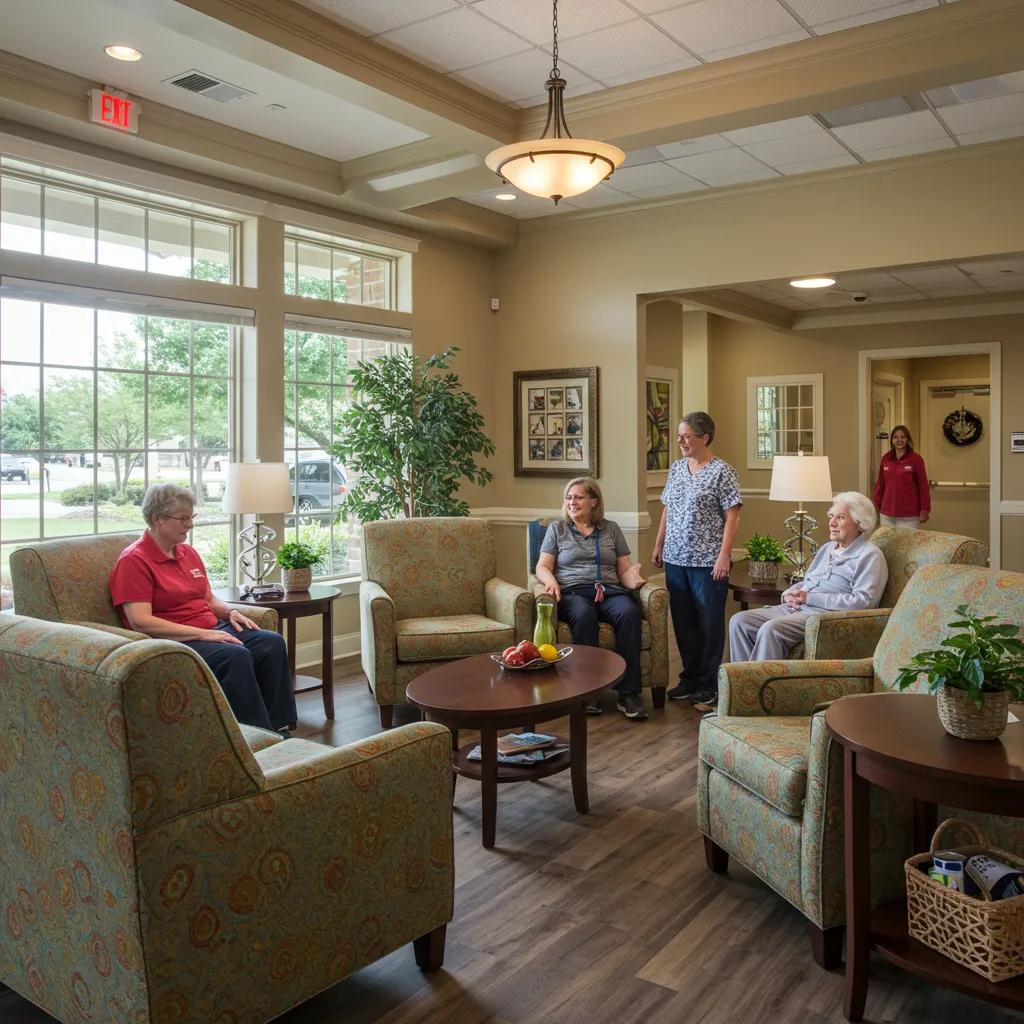
Braley Care Homes uses a small 16-bed household design, personalized resident rooms, and communal spaces intended to resemble a family home rather than an institutional ward, promoting dignity and calm. The secure environment balances safety with opportunities for supervised indoor and outdoor wandering, and staff encourage family involvement in room personalization and daily routines. This design reduces disorientation and supports memory through consistent cues and meaningful possessions. Visitors on a tour typically see how household-scale living promotes interaction and lowers agitation compared with larger institutional settings.
Braley FeatureBenefitExample / EvidenceSmall 16-bed household modelGreater familiarity and continuityResidents interact with a consistent small staff teamHome-like communal spacesReduced institutional stressMeals and activities occur in communal family-style areasSecure wandering areasSafer mobility for those at riskMonitored indoor/outdoor paths support activity without elopement risk
This table maps how specific features at Braley address common family concerns about safety, routine, and social connection.
Who Are the Expert Staff Behind Braley's Memory Care Programs?
The Braley team centers around dementia-informed staff with ongoing training, supervised clinical leadership, and a focus on continuity of care to build trusting relationships with residents. The owner/administrator, Chris Braley, holds LICSW credentials and brings both professional expertise and a personal connection to dementia care, which shapes the facility's policies and staff development. Trained nurse aides and licensed nursing staff assist with medication administration, ADLs, and clinical coordination while caregivers deliver daily, individualized support. Families should ask about staff training frequency and who will be the primary point of contact during tours.
What Personalized Activities and Therapies Support Residents Daily?
Individualized activities at Braley emphasize life-story based programming, daily exercise, pet therapy, and celebration events that connect residents to meaningful roles and memories. Staff create activity plans informed by each person's history and preferences, using sensory approaches and structured routines to stimulate residual memory and reduce distress. Daily group activities are balanced with one-on-one engagements to tailor stimulation and rest needs, and programs may include gentle exercise and memory-oriented games. These personalized interventions aim to preserve identity and functional ability while enhancing quality of life.
What Are the Costs and Financial Assistance Options for Memory Care in West Virginia?
Understanding cost drivers and assistance options is essential when planning for residential memory care in West Virginia because price varies by location, level of care, and included services. Current local reporting shows a WV average range for residential memory care that families commonly reference, but actual costs vary with room type, clinical needs, and program inclusions. Key payers include private pay, long-term care insurance where applicable, VA benefits for eligible veterans, and limited Medicaid pathways depending on eligibility and program parameters. Families should prepare documentation, ask facilities about transparent pricing, and consider free assessments and tours to obtain accurate placement estimates and discuss payment strategies.
What Is the Average Cost of Residential Memory Care in WV?
Current reporting places a typical West Virginia monthly average in a mid-range bracket, noting variability by city and service level; families should use published averages as starting points while confirming facility-specific pricing. Cost differences arise from factors such as private versus shared rooms, the intensity of clinical supervision required, included services like medication administration and laundry, and geographic location. The following table breaks down common cost drivers so families can see what influences monthly rates.
Cost FactorTypical RangeExplanation / ImpactRoom typeLower to higherPrivate rooms cost more than shared accommodationsLevel of clinical needModerate to highHigher care needs increase staffing and costIncluded servicesVariesMeals, laundry, transportation may be bundled or charged separately
This table clarifies how specific choices and needs change cost expectations and why facility estimates are essential.
Which Financial Assistance Programs Help Cover Memory Care Costs?
Several payment pathways can offset memory care costs for families, including Medicaid programs with eligibility rules, VA benefits for qualifying veterans and their spouses, and long-term care insurance if a policy exists and covers residential memory care. Medicare generally does not cover long-term residential memory care, so families often combine private pay with other programs and legal planning strategies. Each program has eligibility criteria and application processes that vary by case, so families should consult state resources, VA offices, and insurance documents early in planning. A financial counselor or facility liaison can help identify applicable programs and next steps.
How Does Braley Care Homes Support Payment and Financial Planning?
Braley Care Homes offers free assessments and tours that help families determine level-of-care needs and receive transparent discussions about pricing and payment options during the visit. Facility staff assist families by explaining which services are included, what to expect for private-pay rates, and how to explore Medicaid or VA benefit pathways as appropriate. They can also provide guidance on documentation to prepare for applications and financial planning conversations, and they encourage families to schedule an assessment to obtain a precise cost estimate. This practical support helps families move from uncertainty to a clear, individualized financial plan.
What Are the Licensing and Regulatory Requirements for Memory Care in West Virginia?
West Virginia memory care facilities operate under state oversight that includes specific licensing categories for Alzheimer's and dementia special care units, inspections, and resident protections designed to promote safety and rights. OHFLAC is involved in licensing and monitoring, and families can request information about a facility's license status, recent inspections, and any corrective actions. Knowing the regulatory landscape helps families verify compliance, ask informed questions during tours, and understand mechanisms for reporting concerns. The next subsection summarizes how licensing and monitoring work in plain language and offers questions families can use during evaluations.
How Does OHFLAC License and Monitor Memory Care Facilities?
OHFLAC issues licenses for residential care and specific Alzheimer's/dementia special care programs, setting standards for staffing, safety, medication management, and facility operations that providers must meet. The agency conducts periodic inspections and responds to complaints, generating records families can request to verify a facility's history and compliance. When visiting a facility, families should ask for the current license, recent inspection summaries, and policies for incident reporting. Understanding these monitoring processes empowers families to assess regulatory standing and safety practices.
Regulatory RequirementSummaryWhat Families Should AskLicense typeSpecific dementia unit or residential memory care license required"May I see your current license and inspection report?"Inspection recordsPeriodic inspections and complaint investigations"Have there been recent citations or corrective actions?"Staffing and trainingMinimum staffing levels and required dementia training"How often does staff receive dementia-specific training?"
This EAV-style table links regulation elements to actionable family questions, helping to translate regulatory language into practical evaluation points.
What Resident Rights and Protections Are Enforced in WV Memory Care?
Residents in West Virginia memory care settings retain rights to dignity, privacy, participation in care decisions, and protection from abuse and neglect, and facilities are required to have complaint and reporting procedures. Families should expect transparent care plans, involvement in care decisions, and clear mechanisms for reporting concerns to facility leadership and state authorities. Verifying how a facility communicates rights, documents consent, and trains staff in prevention and reporting is an important part of any evaluation. These protections are designed to ensure that care balances safety with respect for individual autonomy.
What Resources and Support Are Available for West Virginia Caregivers?
West Virginia caregivers have access to state and nonprofit resources that provide education, counseling, respite options, and support groups tailored to dementia care needs, which can reduce caregiver burden and improve planning for transitions to residential memory care. Local Area Agencies on Aging, the state chapter of the Alzheimer's Association, and community-based organizations offer programs, telephone helplines, and meeting directories to help families connect with services. Using these resources early helps caregivers prepare medical histories, legal documents, and emotional support systems before arranging assessments and placements. Practical tips and lists below make initial outreach more manageable.
Which Local Support Groups and Organizations Assist Dementia Caregivers?
Several core organizations and community groups in West Virginia provide caregiver education, helplines, and support meeting listings that families can contact to learn practical caregiving strategies. These groups typically offer in-person and virtual meetings, care planning workshops, and resource directories for local services. Reaching out to these organizations helps caregivers find respite options, counseling, and legal or benefits guidance. Knowing where to look for timely support reduces isolation and connects families with peers facing similar decisions.
Local chapters of national Alzheimer's organizations offer education, support groups, and care planning resources for caregivers.
Area Agencies on Aging provide information about local services, respite programs, and assistance with benefits applications.
Community caregiver support groups and online forums help families share strategies and practical tips for day-to-day dementia care.
These resources create pathways to both immediate emotional support and long-term planning assistance, helping caregivers navigate the transition to residential memory care.
What Practical Tips Help Family Caregivers Navigate Memory Care?
Practical preparation includes gathering medical records, medication lists, personal history details, and legal documents like power of attorney and advance directives before assessment and placement conversations. Clear communication strategies — such as using short, reassuring sentences, introducing the idea of a tour as a way to learn, and involving a trusted clinician — can ease difficult conversations with loved ones. Caregivers should also pace decision-making with trial stays and free assessments where possible to test compatibility. Preparing documentation and a plan reduces stress during transitions and improves the chances of a good match between resident needs and facility services.
How Can Families Find Quality Memory Care Near Them in West Virginia?
Finding quality memory care near you involves a structured process: identify candidate facilities, verify licenses and inspection records, visit multiple times including meals and activities, and compare staffing, programming, and costs to your loved one's needs. Location influences access to medical specialists, family visits, and regional service mixes across Hurricane, Charleston, Huntington, and Morgantown, so families should weigh travel convenience against program quality. Use a consistent evaluation checklist during tours to compare providers objectively and prioritize facilities that demonstrate dementia-specific expertise and person-centered care. The following localized overview and scheduling guidance make next steps clear.
What Memory Care Services Are Available in Hurricane, Charleston, Huntington, and Morgantown?
Across these West Virginia communities, families can find a range of memory care services from specialized free-standing facilities to memory neighborhoods within larger senior living campuses, with offerings such as medication management, individualized activity programming, and secured outdoor areas. Service availability and cost can vary by city, affecting choices for families who prioritize proximity versus specialized programs. Braley Care Homes, located in Hurricane and reported to serve nearby areas including Charleston, Huntington, and Morgantown, positions itself as a free-standing memory care option emphasizing a small-home model and individualized programming. Comparing services across providers helps families choose based on both clinical needs and lifestyle priorities.
How Can Families Schedule a Tour or Free Assessment at Braley Care Homes?
Families interested in a personalized evaluation at Braley Care Homes can request a free assessment or tour to review the household environment, meet staff, and discuss individualized care planning and payment options. During an assessment or tour, expect staff to review medical history, ADL needs, medication management, and activity preferences while showing communal areas and resident rooms; bring a recent medication list and relevant medical records to streamline the process. Staff will discuss safety features, staffing patterns, and what a typical day looks like for residents to help families evaluate fit. After the visit, families can follow up with placement inquiries and further questions about care transitions and financial planning.
Prepare these documents for an assessment or tour: current medication list, recent physician notes, and a brief life-story summary for activity planning.
Ask these questions on a tour: details about staff dementia training, recent inspection history, and how individualized activity plans are developed.
Expect these steps after a tour: a personalized care estimate, discussion of payment options, and the opportunity to schedule a trial or move-in date.
These procedural steps help families convert research into action while ensuring the chosen setting aligns with clinical and personal priorities. Families can begin this process by visiting the resident application page or contacting Braley Care Homes directly.
Frequently Asked Questions
What should families consider when evaluating memory care facilities?
When evaluating memory care facilities, families should consider several key factors. First, assess the staff-to-resident ratio to ensure adequate supervision and personalized care. Next, inquire about staff training specific to dementia care, as well as the facility's approach to individualized programming. Additionally, consider the physical environment, including safety features and the overall atmosphere. It's also important to review the facility's licensing and inspection history to ensure compliance with state regulations. Finally, visiting multiple facilities can provide a clearer picture of the best fit for your loved one.
How can families prepare for a tour of a memory care facility?
Preparing for a tour of a memory care facility involves gathering essential documents and formulating questions. Bring a current medication list, recent medical records, and a brief life-story summary to help staff understand your loved one's needs. Prepare specific questions about staff training, safety protocols, and daily routines. It's also beneficial to observe interactions between staff and residents during the tour to gauge the facility's atmosphere. Lastly, consider visiting during meal times or activities to see how residents engage in their daily lives.
What role do family members play in the care of residents in memory care?
Family members play a crucial role in the care of residents in memory care facilities. They can provide valuable insights into the resident's history, preferences, and routines, which help staff tailor care plans. Family involvement can also enhance the emotional well-being of residents, as familiar faces can provide comfort and reassurance. Additionally, families are encouraged to participate in care planning meetings and activities, fostering a collaborative approach to care. Regular communication with staff ensures that families stay informed about their loved one's progress and any changes in care needs.
What types of activities are typically offered in memory care facilities?
Memory care facilities typically offer a variety of activities designed to engage residents and promote cognitive function. These activities may include arts and crafts, music therapy, exercise classes, and memory games tailored to individual abilities. Social events, such as group outings or themed celebrations, are also common to encourage interaction among residents. Facilities often incorporate life-story based programming, allowing residents to connect with their past experiences. The goal is to create a stimulating environment that fosters a sense of purpose and belonging while addressing the unique needs of individuals with dementia.
How can families assess the quality of care in a memory care facility?
Assessing the quality of care in a memory care facility involves several steps. Start by reviewing the facility's licensing and inspection reports to ensure compliance with state regulations. During visits, observe staff interactions with residents to gauge the level of engagement and compassion. Ask about staff training programs and the facility's approach to individualized care. Additionally, inquire about resident-to-staff ratios, as lower ratios often indicate more personalized attention. Finally, seek feedback from current residents' families to gain insights into their experiences and satisfaction with the care provided.
What are the common challenges families face when transitioning a loved one to memory care?
Transitioning a loved one to memory care can present several challenges for families. Emotional resistance from the individual, who may feel anxious or confused about the move, is common. Families may also experience guilt or uncertainty about the decision, fearing they are abandoning their loved one. Additionally, logistical challenges such as finding the right facility, understanding financial implications, and managing the move itself can be overwhelming. To ease this transition, families should seek support from professionals, utilize available resources, and maintain open communication with their loved one throughout the process.
