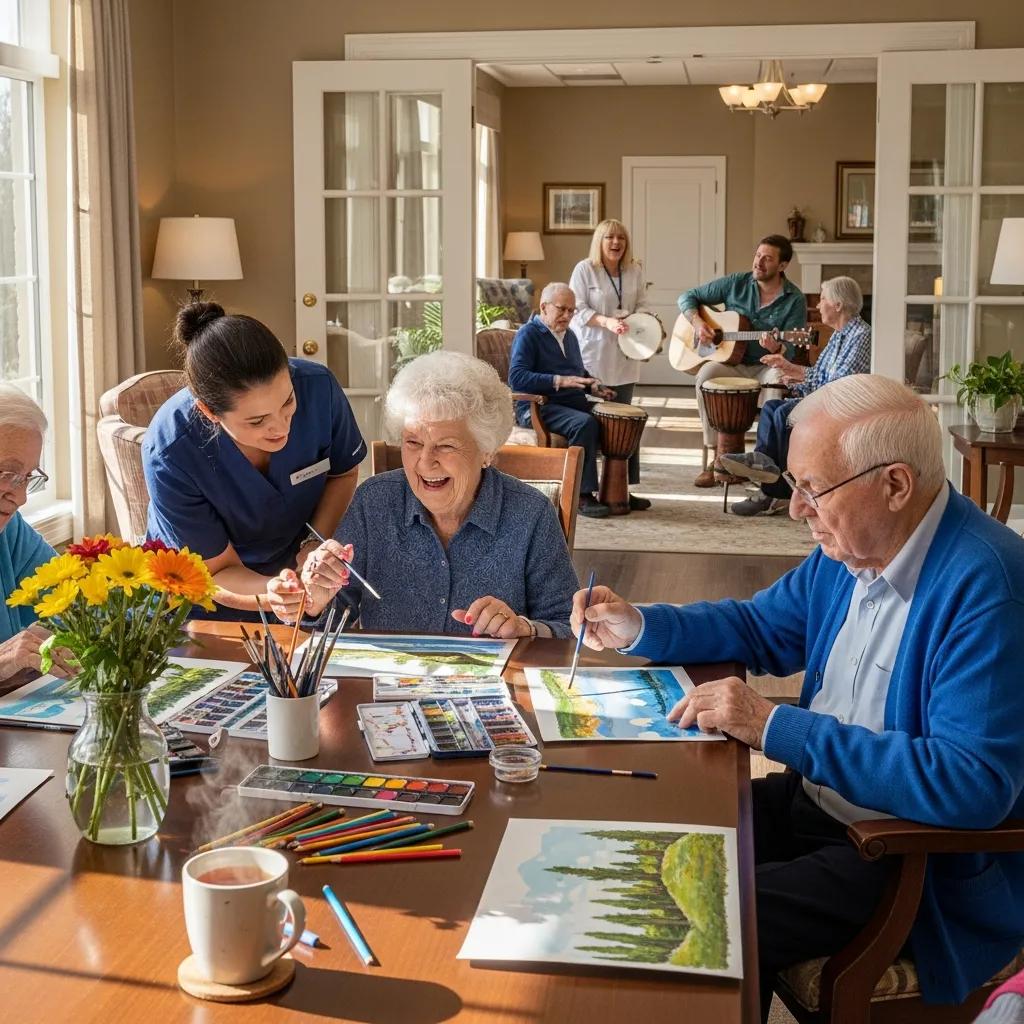
Senior Memory Care Programs: Effective Activities for Dementia and Alzheimer's Care
Senior Memory Care Programs: Effective Activities for Dementia and Alzheimer's Care
Memory care programs support seniors with cognitive challenges, including dementia and Alzheimer's, by offering tailored activities that promote cognition and emotional wellbeing. According to the Alzheimer's Association, more than 6 million Americans are living with Alzheimer's disease, highlighting the critical need for effective care strategies. This article summarizes effective activities, their benefits, and how they can improve quality of life. We cover therapeutic approaches, social engagement, and family involvement in dementia care.
Effective Activities for Dementia and Alzheimer's Care
Programs use individualized plans to stimulate cognition and support emotions. Core approaches include art therapy, music therapy, and cognitive stimulation exercises, all aimed at maintaining skills and providing meaningful, enjoyable engagement. Research published in the Journal of Alzheimer's Disease indicates that cognitive stimulation therapy can improve cognitive function by up to 30% in some patients.
Implementation of Activities
Implementation follows a structured process that accounts for cognitive and emotional needs. Trained caregivers lead safe, engaging sessions and use regular assessments to adjust activities as residents' abilities change. The National Institute on Aging emphasizes that personalized care plans are essential for maximizing benefits and minimizing frustration.
Impact on Patient Well-Being
Participation can improve mood, reduce anxiety, and increase social interaction. Structured programs help seniors feel more purposeful and connected, supporting overall health. A 2019 study in Aging & Mental Health found that social engagement activities reduced depression symptoms by 25% among dementia patients.
Research supports that cognitive interventions contribute to improved wellbeing and daily functioning for people with Alzheimer's disease.
Cognitive Interventions for Alzheimer's Well-being
Cognitive interventions, whether restorative or compensatory, developed for mild Alzheimer's disease have been tested widely with cognitive measures; however, their generalisability to daily functioning is less clear. This study examined affective state, perceived functionality, and quality of life indicators across three different cognitive rehabilitation programs.
It is not only memory: Effects of sensecam on improving well-being in patients with mild alzheimer disease, AR Silva, 2017
What Are the Key Benefits of Memory Care Activities for Seniors?
Memory care activities provide cognitive support, emotional care, and social engagement. They can slow decline, lift mood, and help residents form and maintain relationships within the community. The World Health Organization reports that engaging in mentally stimulating activities can delay the onset of dementia symptoms by up to 5 years.
How Do Therapeutic Activities Support Cognitive Stimulation?

Therapeutic activities challenge the brain and encourage mental engagement. Puzzles, memory games, and storytelling support cognitive function and neural connections while offering social and expressive opportunities. According to a 2020 meta-analysis in Frontiers in Aging Neuroscience, music therapy significantly improves cognitive performance and reduces agitation in dementia patients.
In What Ways Do Activities Enhance Quality of Life and Emotional Well-Being?
Activities add routine and purpose, increasing participation and satisfaction when tailored to the individual. Supportive staff who facilitate sessions respectfully help residents feel valued and connected. The Alzheimer's Society notes that emotional well-being is closely linked to engagement in meaningful activities, which can reduce behavioral symptoms by up to 40%.
Which Activities Are Most Effective for Dementia and Alzheimer's Patients?
Families looking for additional ideas and structured programs can also explore memory care activities for West Virginia residents designed to support cognitive engagement and emotional well-being.
Several activities are especially effective for dementia and Alzheimer's patients. These include:
Cognitive Stimulation Exercises: Memory games and puzzles that challenge the brain.
Social Engagement Activities: Group activities that encourage interaction and relationship-building.
Therapeutic Approaches: Art and music therapy promoting emotional expression and cognitive engagement.
These approaches support cognitive function and overall wellbeing when matched to resident preferences and abilities. The Mayo Clinic highlights that combining these therapies can improve cognitive function and quality of life more than any single approach alone.
How Do Social Engagement Activities Benefit Memory Care Residents?
Social engagement reduces isolation and builds meaningful connections. Group activities help residents form peer relationships, improving emotional health and fostering belonging. Studies show that socially active seniors have a 50% lower risk of cognitive decline compared to those who are isolated.
How Does Staff Training Influence the Success of Memory Care Programs?
Staff training is essential. Well-trained caregivers understand dementia, can implement effective activities, and use communication and facilitation skills to engage residents in ways that improve care quality. The Alzheimer's Association emphasizes that specialized dementia training improves patient outcomes and caregiver satisfaction.
What Specialized Skills Do Caregivers Need for Activity Facilitation?
Caregivers need targeted skills to lead activities. These include:
Understanding Dementia: Knowledge of how dementia affects behavior and cognition.
Communication Techniques: Practical strategies for engaging residents.
Activity Facilitation: Adapting tasks to match resident needs and abilities.
These competencies create a supportive setting that encourages participation and enjoyment. According to a 2021 report by the National Council of Certified Dementia Practitioners, caregivers with these skills reduce resident agitation and improve engagement by up to 35%.
How Is Safety Ensured During Therapeutic Activities?
Safety is paramount. Caregivers prepare structured environments, monitor participants, and adapt tasks to physical and cognitive abilities. Clear protocols protect residents while allowing meaningful engagement. The Centers for Disease Control and Prevention (CDC) recommends environmental modifications and supervision to prevent falls and injuries during activities.
How Can Families Participate in Supporting Memory Care Activities?

Family involvement strengthens memory care. Families can participate by:
Regular Communication: Staying in touch with caregivers to learn about needs and progress.
Engagement in Activities: Joining sessions to strengthen bonds and support residents.
Advocacy for Individual Needs: Ensuring care plans reflect personal preferences.
Collaboration between families and staff builds a more supportive community around residents. Research from the Journal of Gerontological Nursing shows that family participation improves residents' emotional well-being and reduces caregiver stress.
Families looking for broader information about dementia care options, financial assistance, caregiver support, and memory care services throughout the state can explore our comprehensive guide to West Virginia dementia care resources.
What Roles Do Family Members Play in Enhancing Cognitive and Emotional Support?
Family members bring comfort and familiarity that support emotional wellbeing. Participating in care planning and activities helps personalise care and create a nurturing environment. The Alzheimer's Foundation of America highlights that family involvement can slow cognitive decline and improve quality of life.
How Can Families Collaborate with Caregivers for Personalized Care Plans?
Open communication lets families share preferences and needs. Regular assessments and a feedback loop ensure care plans adapt as residents' requirements change. The Agency for Healthcare Research and Quality recommends family-caregiver partnerships as a best practice in dementia care.
Different memory care activities provide distinct benefits through specific mechanisms.
Activity TypeMechanismBenefitCognitive Stimulation ExercisesEngages brain functionSlows cognitive declineSocial Engagement ActivitiesFosters relationshipsReduces isolationTherapeutic ApproachesPromotes emotional expressionEnhances mood
This comparison shows how different activities contribute to the effectiveness of memory care programs and highlights the value of a well‑rounded approach to senior care.
We are here to help you find the best care solutions for your loved ones.
Frequently Asked Questions
What types of cognitive stimulation exercises are recommended for seniors?
Recommended exercises include puzzles, memory games, and word searches that challenge thinking and promote mental engagement. Storytelling and reminiscence therapy encourage recall of past experiences, supporting cognition and emotional wellbeing. Tailoring activities to preferences makes them more effective and enjoyable. The Alzheimer's Association notes that personalized cognitive activities can improve memory retention and delay progression.
How can caregivers adapt activities for different stages of dementia?
Caregivers adapt activities by assessing cognitive and physical abilities. Early stages may allow more complex tasks like puzzles or group discussions; later stages often benefit from simpler, sensory-based activities such as art or music therapy. Regular assessments and family communication keep activities appropriate and engaging. The National Institute on Aging recommends ongoing evaluation to ensure safety and effectiveness.
What role does music therapy play in memory care?
Music therapy stimulates emotion and supports cognitive function. It can evoke memories, provide comfort, and, in group settings, promote social interaction and reduce isolation. Music therapy often improves mood and overall quality of life. A study published in Frontiers in Psychology found that music therapy reduced agitation by 60% in dementia patients.
How can technology be integrated into memory care activities?
Technology such as tablets, apps, and virtual reality can offer interactive cognitive games, virtual tours, and tailored music sessions. Video calls help maintain family connections. Caregivers should ensure technology is user-friendly and accessible so residents can engage meaningfully. According to a 2021 report by the Alzheimer's Association, technology-assisted interventions can improve cognitive function and social engagement.
What are some signs that a memory care activity is effective?
Signs include higher participation, positive emotional responses, and increased social interaction. Look for smiling, laughter, or active involvement. Improvements in mood, communication, or recall, along with family feedback, indicate benefit. The Journal of Geriatric Psychiatry highlights that consistent positive responses correlate with slower cognitive decline.
How can families support the emotional well-being of their loved ones in memory care?
Families support emotional well-being by keeping regular contact and joining activities. Shared experiences like reminiscing or listening to familiar music strengthen bonds and offer comfort. Advocating for personalised care plans that reflect interests helps preserve identity and belonging. The Alzheimer's Foundation of America emphasizes that family involvement is key to maintaining emotional health and quality of life.
