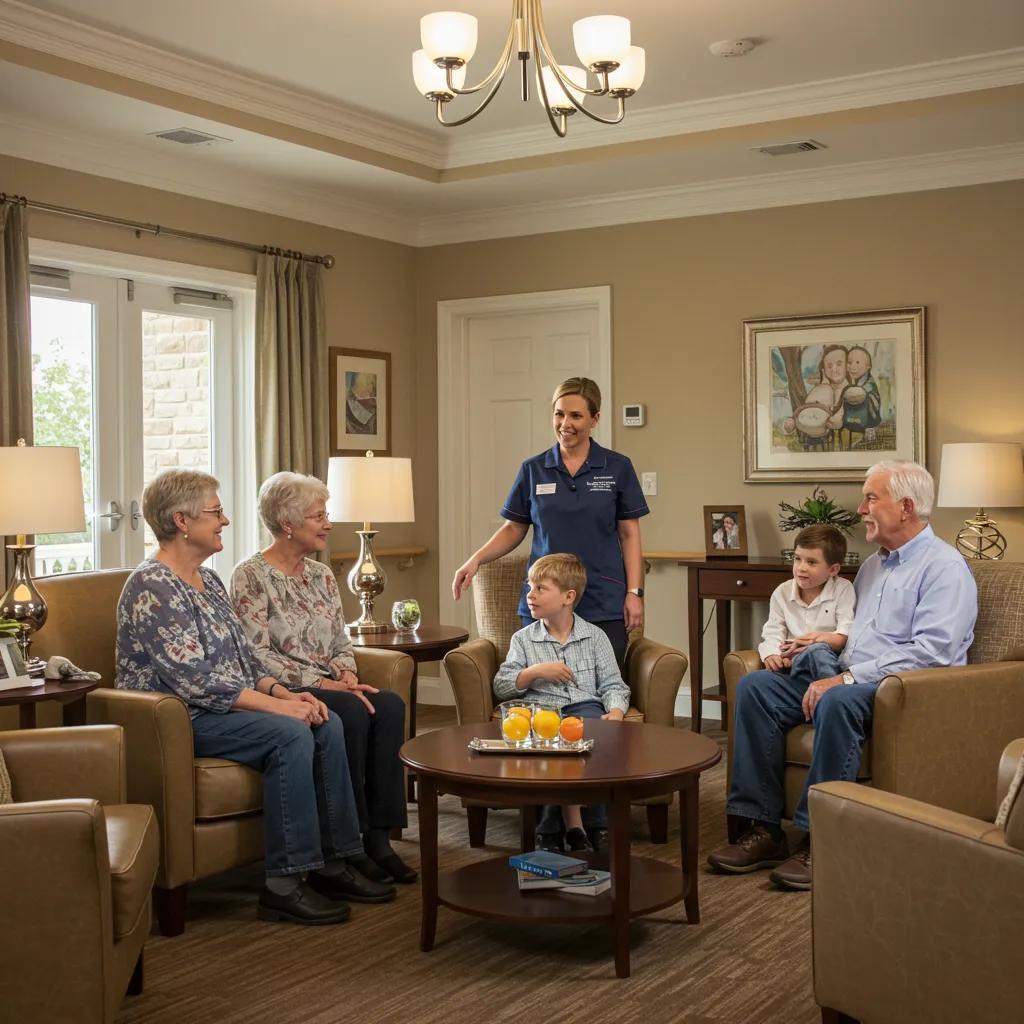
Top Family-Recommended Memory Care Facilities in West Virginia: What You Need to Know
Top Family-Recommended Memory Care Facilities in West Virginia: What You Need to Know
Searching for memory care feels overwhelming for many families balancing safety, dignity, and finances while facing Alzheimer’s or dementia. According to the Alzheimer's Association, over 39,000 West Virginians aged 65 and older are living with Alzheimer's disease, a number projected to increase significantly in the coming years. This guide explains what memory care is, how it differs from assisted living and nursing homes in West Virginia, and which evaluation criteria families use when recommending facilities. You will learn practical stage-based care signals, transparent cost guidance, and actionable steps to compare providers across Charleston, Huntington, Morgantown, and nearby communities. The article also profiles a local, specialized option—Braley Care Homes Inc.—to show how a standalone, home-like memory care model can align with family priorities and referral pathways. Read on for checklists, comparison tables, and local planning steps that help families move from uncertainty to confident placement decisions.
Why Are Family Recommendations Crucial When Choosing Memory Care in West Virginia?
Family recommendations matter because they translate lived outcomes into practical signals about daily care, staff responsiveness, and resident quality of life. Research consistently shows that facilities with high family satisfaction scores often correlate with better resident outcomes and staff retention. When a family endorses a memory care facility, they are conveying evidence about communication practices, routine consistency, and the match between promised services and everyday reality. Using recommendations helps other families prioritize features that reduce risk and promote well-being, from wandering prevention to meaningful activity programming. Later sections map those priorities into a checklist you can use on tours and assessments to verify claims and compare options effectively.
What families value most often centers on day-to-day experience rather than marketing claims, and that perspective shapes which providers earn sustained referrals. Families prioritize staff compassion, safety systems, transparent communication, and programming that engages cognition and mood. These priorities become measurable during visits by observing interactions and reviewing care plans, which is the topic explored next in detail.
After reviewing what families value, it helps to see a local example of a family-recommended provider to understand how those priorities translate into services and tours.
Below is a brief local example of how a specialized provider can meet family priorities and encourage confident referrals.
For families seeking in-person references or tours, Braley Care Homes Inc. is positioned in the region as West Virginia’s only free-standing, standalone Alzheimer’s and dementia memory care facility. The facility emphasizes a home-like environment, 24/7 specialized care, secure outdoor space, and clinical leadership by an LICSW, making it a relevant example when evaluating family-focused memory care options. If you want specific family testimonials and to schedule a tour, contact the facility directly to request references and a guided visit.
What Do Families Value Most in Memory Care Facilities?

Families typically rate a handful of criteria as decisive when recommending memory care to others. A 2022 study by the American Health Care Association and National Center for Assisted Living (AHCA/NCAL) highlighted that specialized dementia training for staff is a top priority for families, directly impacting perceived quality of care. First, trained and compassionate staff who understand dementia behaviors provide safety and preserve dignity, which reduces crises and improves daily mood. Second, secure design and wandering prevention combined with clear emergency protocols are essential for peace of mind and risk mitigation. Third, consistent, meaningful activities and routines that reflect resident history promote engagement and slow functional decline. These priorities form the basis of a practical evaluation checklist families can use during a tour and when reviewing contracts and care plans.
Families often ask about staffing ratios, staff training, and how the facility measures outcomes; those metrics are critical signals of quality. Observing meal times, activity sessions, and staff-resident interactions during a visit gives concrete examples of how these criteria play out every day. Use these observations to compare facilities objectively rather than relying solely on promotional materials or star ratings.
How Do Real Family Experiences Build Trust and Peace of Mind?
Narrative details from families—how a loved one adjusted, what staff did on a difficult day, or how communication improved—create trust because they reveal consistency and problem-solving. Video or in-person testimonials that describe routine care, behavioral responses, and personalization of activities provide more useful evidence than generic praise. Asking facilities for recent references and specific examples of a resident’s progress or handled incidents helps verify claims and assess fit. Ultimately, firsthand experiences help families anticipate daily life and choose a provider aligned with their values and expectations.
When families share experiences that highlight transparent communication and visible outcomes, other caregivers gain templates for what to expect and what to probe during their own evaluations. This practice reinforces a community-level standard of accountability that benefits all families searching for memory care.
What Is Memory Care and How Does It Differ from Assisted Living or Nursing Homes in West Virginia?
Memory care is specialized residential care designed specifically to support people with Alzheimer’s disease and other dementias through secure environments, dementia-trained staff, and programs tailored to cognitive needs. The model combines 24/7 supervision, medication management, structured routines, and therapeutic activities to reduce confusion, manage behaviors, and support function. Memory care differs from assisted living and nursing homes primarily in the intensity of cognitive-focused programming, security features for wandering prevention, and staff training centered on dementia care. Understanding these distinctions helps families choose the right setting based on dementia stage and care goals. With the number of Americans aged 65 and older projected to nearly double by 2060, the demand for specialized memory care services is rapidly increasing, making these distinctions more critical than ever.
Below is a concise comparison table that outlines practical differentiators you can use when evaluating options in West Virginia.
SettingKey FocusTypical StrengthsMemory CareDementia-specific supervision and programming24/7 trained staff, secure design, tailored activitiesAssisted LivingSupport with ADLs in a residential settingIndependence support, social activities, limited medical oversightNursing Home (SNF)Skilled nursing and medical rehabilitationIntensive medical care, therapy services, clinical oversight
What Defines Memory Care Services for Dementia and Alzheimer’s Patients?
Memory care services combine environmental design, staffing models, and programmatic interventions to lower risk and improve daily functioning for residents with dementia. Core components include constant supervision, medication administration, structured daily routines, and evidence-informed activities such as reminiscence, music therapy, and sensory stimulation that support memory cues and reduce agitation. Staff training focuses on dementia communication techniques, behavioral de-escalation, and consistent care planning to maintain dignity and slow decline. These service elements work together to create a safer, more predictable living environment for people with progressive cognitive impairment.
These mechanisms—staff training, routine, and tailored activities—directly address the reasons families seek memory care: fewer safety incidents, better nutritional intake, and improved mood and engagement for residents.
Training a Workforce for Alzheimer's and Dementia Care in West Virginia
The purpose of this project was to evaluate the current status of dementia care and services in the state of West Virginia and make recommendations for preparing a healthcare workforce competent to meet the future needs of people with Alzheimer's disease and related dementias (ADRD) and their families. The project also sought to identify gaps in current dementia care and services in West Virginia, and make recommendations for improving the quality of life for people with ADRD and their families. " Training" a workforce to care for people in West Virginia with Alzheimer's disease and related dementias, 2011
How Do Memory Care, Assisted Living, and Nursing Homes Compare?
Residential Option Staffing & Training Security Best For Memory Care Dementia-trained caregivers; behavior management Locked units; wandering prevention Moderate–severe dementia, behavioral symptoms Assisted Living Care aides for ADLs; less dementia specialization Community with controlled access Mild cognitive impairment, independent with support Nursing Home RNs/LPNs for clinical care Secure clinical unit options Medical instability, post-acute rehab, high medical needs
Using this table during facility comparisons helps families ask pointed questions about staffing ratios, training frequency, and protocols for behavioral incidents.
When Do Dementia Stages Require Specialized Memory Care?
As dementia progresses from mild to moderate and severe stages, care needs shift from reminders and supervision to full-time assistance, behavior management, and intensive safety measures. The Alzheimer's Association reports that individuals with dementia typically require 24/7 supervision in the moderate to severe stages, underscoring the necessity of specialized environments. Early signs indicating a move to memory care include repeated wandering, unsafe medication management, significant nighttime disorientation, and frequent behavioral crises. In later stages, loss of mobility, eating difficulties, and complex medical needs make a memory care or skilled nursing environment more appropriate. Families should use staged indicators and professional assessments to time transitions so safety and quality of life are prioritized.
Mapping stage-based needs to facility services ensures that choices support both current stability and foreseeable escalation in care needs.
What Makes Braley Care Homes West Virginia's Only Standalone Memory Care Facility?
Braley Care Homes Inc. specializes exclusively in Alzheimer’s, dementia, and memory care within a free-standing, home-like environment in Hurricane, WV. The facility focuses on individualized 24/7 dementia care, secure outdoor courtyard access, medication administration, nutritious meals, laundry and transportation, and engaging activities such as pet therapy. Leadership includes an administrator with clinical credentials (BSW, MSW, LICSW), which anchors care in both professional expertise and lived understanding of dementia. This combination of dedicated focus and clinical leadership is an example of how a standalone model can align with family priorities for safety, dignity, and specialized programming.
The table below outlines core service elements families often check when evaluating a dedicated memory care home.
Care Component What to Verify How It Benefits Residents24/7 Alzheimer’s/Dementia Care Staff training, supervision patterns Continuous safety and tailored interventions Clinical Leadership LICSW-led oversight, care plan review Informed clinical decisions and family communication Home-like Environment Small households, personal items allowed Reduced disorientation and improved comfort Safety Features Secure courtyard, locked units Wandering prevention and controlled outdoor access Programming Pet therapy, reminiscence, movement Cognitive engagement and mood support
How Does Our Home-Like Environment Support Resident Well-Being?
A home-like design reduces institutional stressors by favoring small household groupings, familiar furnishings, and opportunities for personal belongings that trigger memory and identity. Such environments support predictable routines—mealtimes, leisure, and rest—that lower anxiety and agitation in people with dementia. Access to a secure outdoor courtyard promotes gentle physical activity and sensory stimulation, which benefits sleep and mood. Families should observe whether spaces feel residential rather than clinical, as the environment directly impacts day-to-day comfort and engagement.
Seeing personalized rooms and small-group dining during a tour provides concrete evidence of whether an environment truly supports resident well-being.
Who Are the Compassionate Experts Behind Our Dementia Care Team?
Leadership and front-line staff in specialized memory care combine clinical knowledge with behavioral skills to manage dementia-related needs effectively. At Braley Care Homes Inc., clinical leadership includes an administrator with social work credentials (BSW, MSW) and licensure (LICSW), which guides practice standards and family communication. Front-line teams typically include aides and nursing staff trained in dementia care techniques, behavior management, and medication administration. When evaluating staff, families should ask about dementia-specific training frequency, supervision, and how care plans are updated when needs change.
Evidence of professional oversight and ongoing staff development indicates a facility’s commitment to quality and consistent care.
What Personalized Activities and Programs Enhance Cognitive Engagement?
Personalized programming ties resident history to daily activities that stimulate cognition and preserve identity, such as life-story projects, music sessions, sensory stations, and pet-assisted visits. Structured routines that incorporate familiar tasks—gardening, folding laundry, or music from a resident’s era—support dignity and engagement. Small-group activities and one-to-one interactions allow staff to adapt stimulation to current abilities, reducing frustration and increasing participation. Families should inquire how activities are individualized and how progress or engagement is tracked over time.
Programs that center on personal preferences and meaningful routines help maintain purpose and social connection for residents with dementia.
How Much Does Memory Care Cost in West Virginia and What Financial Assistance Is Available?

Families need transparent cost ranges and practical next steps to determine affordability, since expenses vary by location, level of services, and facility type. Nationally, the average monthly cost for memory care can range from $5,000 to $7,000, making West Virginia's rates comparatively lower but still a significant consideration for families. In West Virginia, memory care monthly costs are generally lower than national urban averages but still represent a significant financial commitment; regional differences often reflect amenities, staffing, and private-room options. Financial assistance options may include Medicaid programs with dementia waivers, VA benefits for eligible veterans, and private long-term care insurance, each with specific eligibility rules and coverage limits. Understanding typical ranges and assistance pathways prepares families for conversations with facilities and benefits counselors.
Below is a compact regional cost overview to help set expectations and prompt follow-up with providers and state resources.
Region/City Typical Monthly Range Factors That Affect Cost Charleston area$4,080–$5,400Amenities, private rooms, staffing levels Huntington area$4,080–$5,400Program breadth, transport services Morgantown area$4,080–$5,400Local demand and clinical services Hurricane (local example)Varies by facility; request estimate Standalone memory care specialization
What Is the Average Cost of Memory Care in West Virginia by Region?
Average monthly memory care costs in West Virginia vary across cities due to local wage levels, facility types, and included services; cost drivers include 24/7 staffing, private suites, specialized programming, and transportation. Families should obtain written cost breakdowns showing what is included—meals, medications, activities, and laundry—to compare offerings fairly. Ask each provider about rate increases, what triggers higher levels of care charges, and what assessments determine placement and costs. A documented care assessment yields a clearer estimate and helps families plan for potential transitions and funding needs.
Comparing itemized fee schedules and asking about bundled versus a la carte services can avoid surprises and help align expectations with budget realities.
Which Financial Assistance Options Can Help Families Afford Memory Care?
A few public and private pathways can offset memory care costs, though eligibility rules and covered services vary. Medicaid may cover certain long-term services through state programs when eligibility criteria are met, while VA benefits may assist eligible veterans with aid and attendance or other benefit streams. Long-term care insurance, when in force, can cover memory care depending on policy definitions and triggers. Families should consult state Medicaid offices, veteran service officers, and insurance representatives to understand timelines, documentation, and potential gaps in coverage.
Practical next steps include gathering medical documentation, recent assessments, and financial records to expedite eligibility determinations and to discuss payment plans or sliding-fee options with facilities.
Braley Care Homes Inc. invites families to request a care assessment and discuss pricing and available support; the facility can also help coordinate assessments to determine eligibility for benefits and appropriate placement. Contact us today to learn more.
Virginia Memory Project: Designing a Statewide Dementia Registry
In Georgia and West Virginia, registry data have been used to inform public health initiatives and to help estimate health care costs. State registries are also valuable for tracking the prevalence of dementia, identifying populations at risk, and evaluating the effectiveness of interventions. The Virginia Memory Project aims to leverage the Healthy Brain Initiative Roadmap to design a statewide dementia registry that will provide comprehensive data on dementia prevalence, incidence, and care.
Virginia Memory Project: Using the Healthy Brain Initiative Roadmap to design a statewide dementia registry, A Rhodes, 2025
How Can Families Choose the Best Memory Care Facility for Their Loved Ones in West Virginia?
Choosing the best memory care provider requires a structured approach that combines observational assessment, documentation review, and staged conversations with staff and clinicians. Experts recommend visiting at least three facilities and conducting thorough due diligence, as a well-matched environment can significantly improve a loved one's quality of life and reduce caregiver stress. Start with an evaluation checklist focused on safety, staff training, activities, communication practices, and verified family references. Schedule multiple visits at different times of day to observe routine, staffing consistency, and mealtime dynamics. Use a formal care assessment to match clinical needs to services and to confirm whether the facility can manage anticipated behavioral and medical needs as dementia progresses.
A clear, repeatable evaluation process reduces emotional decision-making and centers on measurable indicators of daily quality and long-term suitability.
What Checklist Should Families Use When Evaluating Memory Care Facilities?
Staff Training and Ratios: Verify dementia-specific training frequency and observable staff-to-resident interaction.
Safety and Wandering Prevention: Confirm secure access, courtyard controls, and emergency protocols.
Daily Routine and Activities: Observe activity schedules, personalization, and engagement levels.
Clinical Oversight: Ask about care plan reviews, medication administration, and clinical leadership.
Family Communication: Check how often families receive updates and how care concerns are escalated.
Why Is Scheduling a Tour and Care Assessment Essential?
Tours reveal living conditions, staff-resident interactions, and the realism of activity programming, while formal care assessments match the resident’s functional and behavioral needs to service capabilities. During a tour, look for consistent routines, respectful interactions, and evidence that staff know residents’ histories. A care assessment, often conducted by the facility or a third-party clinician, clarifies clinical needs, documents cognitive and physical status, and establishes baseline care plans that inform placement and cost. Preparing medical records and a summary of behaviors before a tour expedites the assessment and improves the accuracy of placement recommendations.
Combining observational visits with professional assessments ensures families make decisions grounded in both lived experience and clinical appropriateness.
What Specialized Alzheimer’s and Dementia Care Services Are Offered in West Virginia Memory Care Facilities?
Specialized services for Alzheimer’s and dementia aim to reduce risk, preserve function, and improve quality of life through a blend of clinical oversight and evidence-informed therapies. Studies published in journals like 'Alzheimer's & Dementia' consistently show that non-pharmacological interventions, such as music therapy and structured activities, can effectively reduce agitation and improve mood in individuals with dementia. Common elements include interdisciplinary care teams, personalized care plans, nonpharmacologic therapies (music, reminiscence, sensory stimulation), behavior management protocols, and safety systems to prevent elopement. Facilities that integrate these components effectively provide comprehensive support that addresses both medical and psychosocial dimensions of dementia. Families should evaluate how programs are individualized and how outcomes are measured to ensure services deliver meaningful benefits.
Understanding the range of available therapies and how they are used helps families set realistic goals and track progress over time.
How Do Comprehensive Alzheimer’s Care Programs Support Residents?
Comprehensive programs use interdisciplinary teams—nurses, social workers, activity specialists, and aide staff—to create coordinated care plans tailored to medical, behavioral, and social needs. Regular care conferences update goals, monitor symptoms, and adjust interventions, which helps manage progression and reduce preventable crises. Medication management, nutrition oversight, and therapy referrals are integrated with daily routines to stabilize health and preserve function. Families benefit from coordinated communication and outcome tracking that make the trajectory of care transparent and actionable.
This integrated approach links clinical management to everyday practices that support safety and engagement.
What Dedicated Dementia Care Routines and Therapies Are Available?
Dementia-focused routines and therapies commonly include music therapy, reminiscence groups, sensory stimulation, structured physical activity, and life-story projects that reinforce identity. These interventions reduce agitation, promote social connection, and stimulate memory through multisensory cues tied to personal history. One-to-one activities and small-group sessions allow staff to match intensity to ability, improving the likelihood of participation and benefit. Facilities that document therapy goals and response rates can demonstrate program effectiveness and tailor approaches over time.
Targeted routines and evidence-informed therapies form the heart of daily life in effective memory care settings.
How Are Safety and Security Measures Implemented to Protect Residents?
Safety measures combine built-environment design, staff protocols, and monitoring systems to reduce elopement risk and prevent injuries. Features typically include controlled access points, secure courtyards, clear wayfinding, and staff-trained response sequences for wandering or emergencies. Regular safety drills, medication reconciliation practices, and family notification protocols ensure incidents are handled promptly and transparently. Families should ask how incidents are logged, how care plans change after events, and how staff are supported in rapid response to minimize harm.
Robust safety systems paired with trained staff create predictable responses that protect residents and reassure families.
Where Are Top Memory Care Facilities Located in West Virginia and How Do They Serve Local Communities?
Memory care resources cluster around larger cities, but specialized standalone options can serve regional families who seek focused dementia programming and home-like settings. The demand for memory care beds in West Virginia is projected to grow significantly in the next decade, highlighting the critical need for both urban and regional specialized facilities. Charleston, Huntington, and Morgantown each offer a mix of assisted living, memory care units, and skilled nursing options with varying cost and program breadth. For families in smaller communities, a dedicated facility in a nearby town can provide specialized care and outreach services, often coordinating transportation and assessments to support regional placement decisions. Understanding local options and logistical considerations makes it easier to evaluate tradeoffs between proximity and specialized services.
Regional providers that accept referrals across counties help families access the level of dementia care that matches complex needs even when it requires travel.
What Memory Care Options Are Available in Charleston, Huntington, and Morgantown?
Each city typically features a spectrum of care—from memory care neighborhoods within larger communities to freestanding memory care homes—so families can compare program intensity and environment type. Urban areas may offer a wider selection but also higher demand and cost variability, while smaller standalone providers may concentrate expertise in dementia care with a more residential feel. Families should compare service inclusions, transportation options, and whether assessments can be coordinated remotely to reduce travel burdens during placement planning. Local aging resources can assist with referrals and benefits navigation to streamline the search.
Mapping local service types helps families weigh convenience against the specialized supports a loved one may require.
How Does Braley Care Homes Serve Families Beyond Hurricane, WV?
Braley Care Homes Inc., as a standalone memory care facility in Hurricane, WV, serves regional families by offering specialized Alzheimer’s and dementia services, coordinating care assessments, and arranging transportation when needed. For a full list of offerings, visit our memory care services page. The facility’s focus on a home-like environment, secure outdoor spaces, pet therapy, and LICSW-led clinical oversight positions it to accept referrals from nearby cities seeking dedicated memory care options. Families from across the region can inquire about tours, care assessments, placement pathways, and employment opportunities for those interested in dementia care careers. Contact the facility directly to request details about evaluations, tours, and how they support benefits coordination for families planning placement.
This regional outreach model shows how a specialized provider can extend access to focused memory care beyond its immediate locality while maintaining the home-like features that families often recommend.
Frequently Asked Questions
What should families look for during a memory care facility tour?
During a memory care facility tour, families should observe the environment, staff interactions, and daily routines. Look for signs of engagement among residents, the cleanliness of the facility, and whether the atmosphere feels home-like rather than clinical. Pay attention to how staff interact with residents, ensuring they are respectful and attentive. Additionally, inquire about the activities offered and how they are tailored to meet the needs of residents. This firsthand observation can provide valuable insights into the quality of care provided.
How can families assess the quality of care in memory care facilities?
Families can assess the quality of care in memory care facilities by reviewing staff training, observing resident interactions, and checking for safety protocols. Ask about staff-to-resident ratios and the frequency of staff training in dementia care. Observing meal times and activity sessions can reveal how well residents are engaged and cared for. Additionally, families should request references from other families and look for documented outcomes related to resident well-being. This comprehensive approach helps ensure that the facility meets the necessary standards of care.
What role do family testimonials play in choosing a memory care facility?
Family testimonials play a crucial role in choosing a memory care facility as they provide real-life insights into the experiences of other caregivers. These narratives can highlight the strengths and weaknesses of a facility, including staff responsiveness, quality of care, and the overall environment. Testimonials can also reveal how well the facility communicates with families and addresses concerns. By considering these personal accounts, families can make more informed decisions that align with their values and expectations for care.
What are the key differences between memory care and assisted living?
The key differences between memory care and assisted living lie in the level of specialized support and security provided. Memory care facilities focus specifically on the needs of individuals with Alzheimer’s and other dementias, offering 24/7 supervision, structured routines, and tailored activities to enhance cognitive function. In contrast, assisted living facilities provide support for activities of daily living (ADLs) but may not have the same level of training or security measures for residents with cognitive impairments. Understanding these distinctions helps families choose the appropriate setting based on their loved one's needs.
How can families prepare for a care assessment at a memory care facility?
To prepare for a care assessment at a memory care facility, families should gather relevant medical documentation, including recent evaluations and a summary of the loved one's cognitive and physical abilities. It’s also helpful to compile a list of specific concerns or questions regarding care needs and preferences. Being ready to discuss the loved one's daily routines, behaviors, and any previous care experiences can provide valuable context for the assessment team. This preparation ensures that the assessment is thorough and tailored to the individual’s needs.
What types of financial assistance are available for memory care in West Virginia?
In West Virginia, families may access several types of financial assistance for memory care, including Medicaid programs that offer waivers for long-term care services. Eligible veterans can also benefit from VA programs that provide financial aid for memory care. Additionally, some families may have long-term care insurance policies that cover memory care costs, depending on the policy specifics. It’s essential for families to consult with state Medicaid offices, veteran service officers, and insurance representatives to understand eligibility requirements and coverage options.
