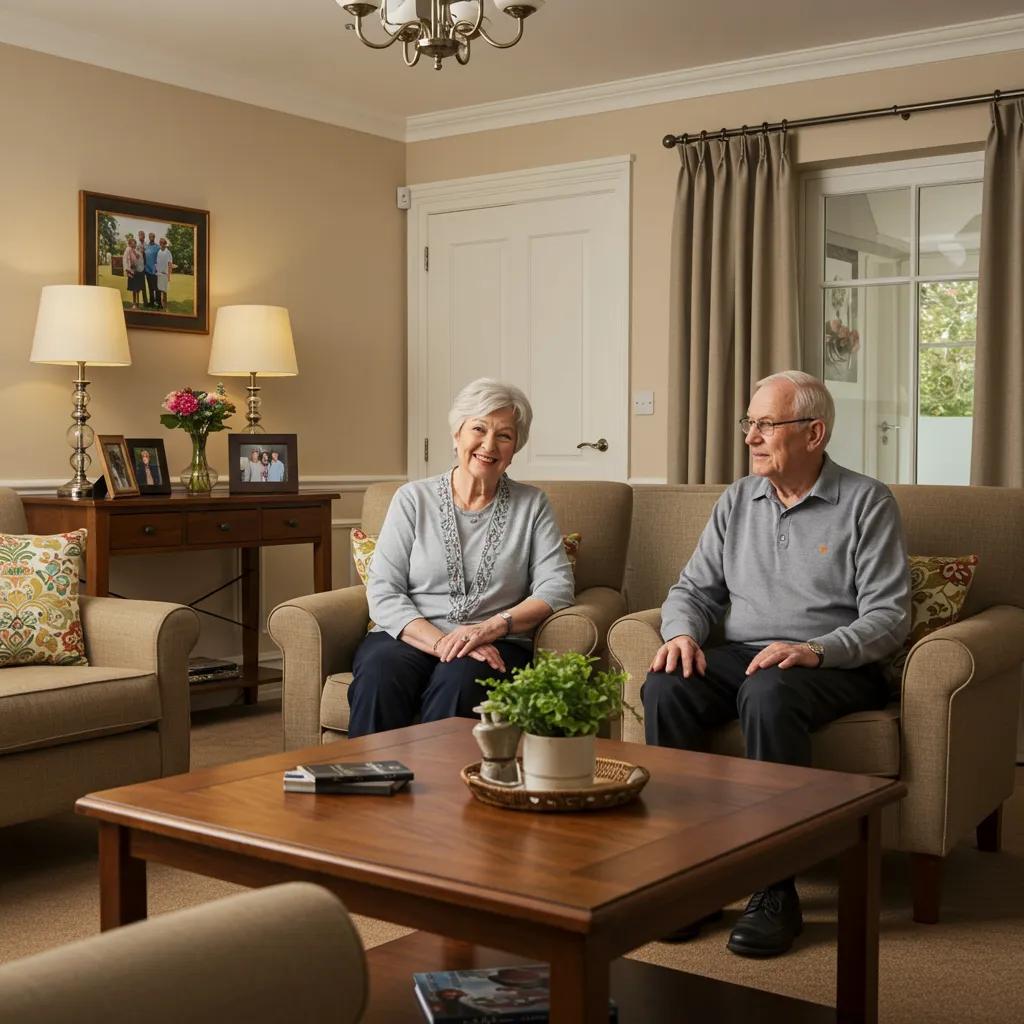
Understanding the Emotional Impact of Memory Care Transition
Understanding the Emotional Impact of Transitioning to Memory Care for Seniors
Moving a loved one into memory care is not only a logistical change but a profound emotional event that affects seniors, families, and caregivers alike. According to the Alzheimer's Association, over 6 million Americans are living with Alzheimer's disease, a number projected to rise to nearly 13 million by 2050, making transitions to specialized care increasingly common. This article explains how the transition to memory care affects the emotional well-being of seniors by defining common emotional responses, describing clinical syndromes such as Relocation Stress Syndrome, and mapping practical steps families can take before, during, and after a move. Readers will learn clear signs that a senior is struggling, evidence-informed strategies to reduce transfer trauma, and caregiver-focused practices to address guilt and burnout. The guide also outlines what specialized memory care settings do differently to support emotional health, and when to consider a placement based on safety and care needs. Practical checklists, EAV tables, and lists are included to make the process tangible, and a few concise local resources are noted for families seeking assessments and tours in West Virginia.
What Are the Common Emotional Challenges Seniors Face When Moving to Memory Care?

Transitioning to memory care triggers a range of emotional responses in older adults that stem from loss of familiar routines, changing social networks, and shifts in autonomy. Research indicates that up to 70% of older adults experience some form of emotional distress or adjustment difficulties during a major life transition like moving to a new care setting (Journal of Gerontology, 2018). These emotional reactions occur because memory care admission alters daily cues and environmental anchors that seniors use to orient themselves, which can increase anxiety and confusion. Recognizing these reactions early helps families and care teams create stabilization plans that reduce the intensity and duration of distress. Below is a snapshot of the most common emotions and how they tend to present following a move.
Seniors commonly experience several core emotions during transition:
Fear: Worry about safety, loss of independence, or unfamiliar people and spaces.
Anxiety: Increased agitation, pacing, or repetitive questioning during and after the move.
Sadness/Grief: Mourning the loss of home, roles, or relationships and decreased interest in activities.
Confusion: Disorientation to place or time, especially in those with cognitive impairment.
Relief: Recognition of safety, regular meals, or reduced caregiving stress can bring comfort.
These emotional states often overlap, and appropriate interventions depend on accurate recognition and timely support; understanding these reactions leads into a closer look at Relocation Stress Syndrome and clinical patterns observed in dementia.
Which Emotions Do Seniors Commonly Experience During Memory Care Transition?
Seniors commonly experience fear and loss when routines and environments change, manifesting as hesitancy to leave their room, refusal to eat, or clinging to familiar objects. Anxiety frequently appears as agitation, pacing, or repetitive questions about returning home, and can spike in unfamiliar settings or during staff handoffs. Sadness and grief are real responses reflecting loss of roles and identity, leading to withdrawal or decreased participation in social activities. Some seniors show relief once safety needs are met; this mixed emotional picture requires sensitive observation and tailored comfort measures to help the resident regain stability and trust.
What Is Relocation Stress Syndrome and How Does It Affect Seniors with Dementia?
Relocation Stress Syndrome (RSS), also called transfer trauma, is a clinical pattern of physiological and psychological symptoms that follow a move to a new care setting. RSS arises because environmental change disrupts orientation, sleep, appetite, and behavior, producing symptoms such as increased agitation, withdrawal, insomnia, loss of appetite, and somatic complaints. The syndrome typically appears within days to weeks of relocation and can persist for several weeks without targeted interventions. A meta-analysis published in the *Journal of Advanced Nursing* found that the prevalence of RSS in older adults transitioning to long-term care ranges from 13% to 50%, underscoring its significant impact on well-being (Journal of Advanced Nursing, 2015). The table below summarizes common RSS manifestations and their clinical descriptions to help families and clinicians identify and respond early.
Relocation Stress Syndrome: symptom summary and manifestations.
Symptom CategoryClinical DescriptionCommon ManifestationsEmotionalDistress tied to loss and unfamiliarityAnxiety, tearfulness, agitationBehavioralChanges in engagement and activity patternsPacing, sundowning, resistance to carePhysicalSomatic responses to stressSleep disruption, appetite loss, weight changeCognitiveIncreased disorientation or confusionRepetitive questioning, difficulty with routines
This EAV-style summary clarifies how RSS spans emotional, behavioral, physical, and cognitive domains; recognizing clusters of these signs guides the selection of targeted stabilization actions that reduce transfer trauma.
This clinical pattern of distress following a move is well-documented in nursing literature.
Relocation Stress Syndrome: Symptoms and Diagnosis for Nurses
Relocation stress syndrome is real. This nursing diagnosis helped nurses identify patients who were experiencing symptoms of distress after being moved from one health care setting to another. The syndrome is characterized by symptoms such as anxiety, confusion, depression, and sleep disturbances. When a patient shows signs of dementia, some form of testing may be helpful. A Mini Mental State Examination (MMSE) can be used to assess cognitive function.
Relocation stress syndrome is real, 2000
Why Are Seniors with Alzheimer's and Dementia More Vulnerable to Emotional Distress?
Seniors with Alzheimer's disease and other dementias are more vulnerable to emotional distress because cognitive impairment reduces their ability to interpret new environments and to form new contextual memories that would otherwise ease adaptation. Neurological changes impair spatial orientation and working memory, so losing familiar cues quickly undermines a person's sense of safety and control. Sensory and memory triggers—like unfamiliar smells, altered lighting, or missing objects—can provoke agitation or fear, while diminishing executive function limits coping strategies and flexibility. Dr. Maria Carrillo, Chief Science Officer for the Alzheimer's Association, notes, "For individuals with dementia, a change in environment can be profoundly disorienting, as their ability to process new information and adapt is compromised. This often leads to heightened anxiety and confusion." (Alzheimer's Association Interview, 2022). Awareness of these mechanisms helps caregivers and facilities prioritize continuity, environmental cues, and predictable routines to lower emotional reactivity.
How Do Families and Caregivers Experience the Emotional Journey of Memory Care Placement?
Deciding to move a loved one into memory care often produces a complex emotional journey for family caregivers that includes guilt, grief, relief, and ongoing worry. These feelings arise because caregivers balance perceived responsibility and love with recognition of declining capacity or safety risks, and confronting the limits of home-based care can be painful. A study published in *The Gerontologist* found that over 80% of family caregivers report feelings of guilt, sadness, or anxiety following the placement of a loved one in long-term care, highlighting the significant emotional toll (The Gerontologist, 2020). Families benefit from normalization of these emotions, practical coping strategies, and planning that shifts focus from blame to optimizing the loved one’s quality of life. The guidance below outlines typical caregiver emotions and concrete ways to cope while maintaining involvement in the care team.
Caregivers frequently report a mixture of guilt and grief after placement:
Guilt: Feeling they have failed to provide sufficient care, even when placement is clinically necessary.
Grief: Mourning the gradual loss of the relationship as it existed before cognitive decline.
Relief: Experiencing relief from 24/7 responsibility and safety concerns, coupled with lingering worry about quality of care.
Acknowledging these mixed emotions is the first step toward effective coping and collaborative caregiving; next we will review specific coping techniques caregivers can use to manage guilt and emotional stress.
The emotional toll on spouses who have made this difficult decision is a recognized area of study.
Emotional Impact on Elderly Spouses Placing Loved Ones in Nursing Care
The emotional impact on elderly spouses who placed their loved ones in long-term nursing care is a significant concern. This study explores the feelings and experiences of these spouses as they navigate the difficult decision of placing a loved one in a nursing care facility.
The emotional impact on elderly spouses who placed their loved ones in long-term nursing care, 2015
What Are the Most Common Emotions Families Feel During the Transition?
Families commonly feel guilt, questioning whether they did enough or whether placement was premature, and this guilt coexists with grief for the changes in the loved one’s independence and identity. Many family members also feel relief when safety and care needs are addressed, but that relief is often accompanied by worry about loneliness or the resident’s emotional adjustment. Understanding that these emotions are natural and common helps families accept support and prioritize the resident’s safety and social engagement while tending to their own emotional needs. Reframing the decision as one focused on specialized care can reduce self-blame and create a path to collaborative planning.
How Can Caregivers Cope with Guilt and Emotional Stress?

Caregivers reduce guilt and stress by using practical reframing techniques—focusing conversations on the resident’s needs and the increased safety and programming available in memory care. Seeking peer support through caregiver groups or counseling provides validation and problem-solving strategies, while respite services and delegation prevent burnout. Communication with the facility about care plans and daily routines reassures families and creates shared responsibility; documenting behaviors, preferences, and concerns before and after the move supports productive care-team meetings. These steps, combined with concrete scheduling of visits and calls, transform guilt into actionable involvement that benefits both the family and the resident.
Why Is Self-Care Important for Family Caregivers During This Time?
Self-care is essential because caregiver burden is associated with increased risk of depression, anxiety, and physical health problems that limit the capacity to engage constructively in care decisions. A study published in *JAMA Internal Medicine* found that family caregivers of individuals with dementia have a 63% higher mortality rate than non-caregivers, underscoring the critical need for self-care (JAMA Internal Medicine, 1999). Simple, regular self-care practices—consistent sleep, short daily walks, social connections, and scheduled breaks—preserve emotional resources and improve decision-making. Delegating tasks and using professional services when available reduces strain and models healthy caregiving for other family members. Prioritizing self-care also enables more compassionate, sustained involvement in the resident’s ongoing care plan, creating better outcomes for both caregivers and the person living with dementia.
What Are the Signs That a Senior Is Struggling to Adjust to Memory Care?
Monitoring for signs of difficulty adjusting helps families and staff intervene before distress becomes entrenched; behavioral, physical, and communication indicators each reveal different dimensions of struggle. Behavioral red flags include increased agitation, withdrawal, or aggression, while physical signs often show as changes in sleep or appetite. Communication difficulties may manifest as new word-finding problems, repetitive questioning, or nonverbal indicators of discomfort. Early intervention is critical, as studies show that seniors who receive targeted support within the first 90 days of transition are significantly more likely to achieve stable adjustment and improved quality of life (American Geriatrics Society, 2019). The checklist and short interventions below help families prioritize what to raise with the care team and how to support stabilization during the first 30–90 days.
Common behavioral indicators and how to respond include:
Increased agitation or aggression: Ask staff about triggers, review routines, and request consistent caregiver assignment.
Social withdrawal: Encourage small, familiar social activities and bring personal items that prompt engagement.
Repetitive behaviors or pacing: Request environmental cues and activity scheduling to redirect energy productively.
Early monitoring and communication with the care team enable timely adjustments to routines and therapeutic approaches, which often mitigate escalation and support long-term adaptation.
Which Behavioral Changes Indicate Difficulty in Transition?
Behavioral changes such as sudden agitation, resistance to care, wandering, or a sharp drop in participation in activities often indicate that a resident is not adjusting well. These behaviors are frequently triggered by sensory overload, inconsistent staffing, or sudden changes in routine; documenting when and where behaviors occur reveals patterns for staff to address. Immediate first-response actions include calming presence, simplified direction, validation of feelings, and offering a familiar comfort object or activity. Requesting a behavior-management plan and consistent caregiver assignments during onboarding typically reduces the frequency and intensity of disruptive behaviors within weeks.
What Physical Symptoms Signal Emotional Distress?
Physical symptoms of emotional distress include disrupted sleep patterns—especially nighttime waking—increased falls related to agitation, appetite changes with resultant weight loss, and unexplained somatic complaints such as stomach pain or headaches. These somatic signs often reflect untreated anxiety, depression, or sleep-wake cycle disruption and warrant a medical review for medication effects, nutrition support, and sleep hygiene interventions. Families should share recent changes with the care team and request a coordinated assessment that addresses both physical and emotional contributors to these symptoms. Treating physical signs in concert with psychosocial supports speeds recovery and improves overall well-being.
How Do Communication Difficulties Manifest During Adjustment?
Communication breakdowns appear as increased word-finding pauses, shorter utterances, or nonverbal cues like facial tension, withdrawal, or repetitive gestures that signal distress. Interpreting nonverbal signs—eye contact, posture, or agitation—helps caregivers respond compassionately when verbal explanation is limited. Best-practice communication strategies include using short, concrete sentences, offering gentle validation, and employing visual cues or gestures to reduce confusion. Asking staff for communication plans and documented preferred phrases ensures consistency across caregivers and facilitates more accurate interpretation of the resident’s needs.
What Practical Strategies Help Seniors Adjust Emotionally to Memory Care?
Practical, staged strategies before, during, and after a move reduce Relocation Stress Syndrome and optimize emotional adjustment by preserving familiarity, promoting predictable routines, and involving the senior in meaningful choices when possible. Pre-move preparation centers on repeated visits, personal-item selection, and gradual routine changes; in-move supports focus on consistent handoffs, short family visits, and immediate comfort measures; post-move interventions include individualized activity programming, ongoing monitoring, and 30/60/90-day check-ins. The table below compares strategic approaches with recommended actions and expected timelines to help families plan each phase effectively.
Overview of strategies with recommended actions and timelines.
Strategy PhaseRecommended ActionTimeline / Expected OutcomePre-move PrepMultiple short facility visits; pack favorite itemsWeeks before move; lowers immediate anxietyIn-move SupportAssign consistent caregiver; provide orientation routineFirst 24–72 hours; reduces confusion and agitationPost-move StabilizationEstablish routines; tailored activities; 30/60/90 reviews1–12 weeks; progressive engagement and symptom reduction
This strategic comparison clarifies when to expect change and which actions most reliably support adjustment; the next sections provide detailed checklists and examples families can use.
Before moving, families should follow a concise checklist to prepare both emotionally and logistically:
Visit the facility multiple times: Short, repeated visits build familiarity and reduce novelty shock.
Personalize the room: Pack favorite photos, bedding, and sensory items that cue memory and comfort.
Begin small routine shifts: Gradually introduce aspects of the facility schedule at home to ease transitions.
The National Institute on Aging emphasizes that familiar objects and routines act as 'cognitive anchors' for individuals with dementia, helping to reduce anxiety and promote a sense of security in new environments (National Institute on Aging, 2021). Using these steps narrows the sensory gap between home and facility and primes the senior for predictable rhythms, which supports a smoother emotional transition.
How Can Pre-Move Preparation Ease the Transition?
Pre-move preparation reduces shock by introducing the new environment gradually, allowing the senior to form positive associations before the move. Multiple short visits during daytime, meeting key staff, and touring common areas help the person build familiarity and reduce fear of the unknown. Bringing familiar clothing, photographs, and a meaningful object supports identity continuity and provides sensory anchors. Preparing concise life-history notes for staff ensures personalized activities and conversational prompts are available from day one, which speeds emotional stabilization.
What Support Should Be Provided During and After the Move?
During the move, families should request consistent caregiver assignment, a calm orientation plan, and short, planned family visits to limit overstimulation while maintaining presence. After the move, scheduled 30/60/90-day care-plan reviews and activity enrollment tailored to personal history help residents connect socially and cognitively. Staff should monitor sleep, appetite, and behavior patterns closely and adjust routines or interventions as needed. Regular communication between family and care team ensures alignment on goals and timely adjustments based on observed progress.
How Can Involving Seniors in Decision-Making Improve Adjustment?
Involving seniors in safe, meaningful choices—such as selecting bedding, choosing a chair, or picking daily activities—supports autonomy and reduces resistance by preserving decision-making roles. For those with cognitive limitations, offer limited options with visual cues or yes/no formats to scaffold participation and avoid overwhelm. Documenting these preferences in the care plan signals respect and enables staff to use personalized prompts that increase engagement. Small choices compound into a stronger sense of control and can markedly reduce anxiety and refusal behaviors over time.
How Does Specialized Memory Care Support Emotional Well-Being in Seniors?
Specialized memory care supports emotional well-being through purpose-built environments, trained interdisciplinary staff, and programs tailored to dementia-specific needs; these elements reduce anxiety, improve engagement, and lower behavioral symptoms. Purpose-built design uses predictable layouts, safe indoor/outdoor wandering areas, and home-like scale to preserve orientation and dignity. Staff trained in dementia-informed communication and non-pharmacologic interventions use validation, activity-based redirection, and routine establishment to manage distress. Facilities with specialized dementia training and person-centered care models have been shown to reduce agitation by up to 30% and improve social engagement by 25% compared to traditional nursing homes (Dementia Care Journal, 2021). The table below maps facility features to emotional benefits and illustrative examples to help families assess what to look for during tours.
Feature-benefit mapping for specialized memory care.
Facility FeatureEmotional BenefitExample / EvidenceHome-like environmentPreserves dignity and lowers stressSmall neighborhoods, familiar furnishingsSecure indoor/outdoor wanderingSupports safe independenceGarden paths that reduce agitation through movementTrained interdisciplinary staffFaster de-escalation and reduced agitationConsistent caregivers using validation therapy
This mapping clarifies how built environment and staff practices connect directly to emotional outcomes and what families should observe when evaluating options.
Braley Care Homes Inc. is West Virginia’s only free-standing specialized Alzheimer's, dementia, and memory care facility, designed to support emotional well-being through a home-like setting, secure wandering areas, individualized activities, and a trained care team. Families seeking an assessment or to schedule a tour can contact the facility directly; a free care assessment helps determine needs and next steps while demonstrating how environment and staff approaches support stabilization and quality of life.
What Features of Braley Care Homes Promote Emotional Health?
Braley Care Homes Inc. emphasizes a small-scale, home-like atmosphere and secure indoor and outdoor wandering spaces that allow residents safe autonomy while reducing confusion. Individualized activity programs are tailored to life history to stimulate engagement, and the environment is designed to preserve dignity through familiar cues and consistent routines. Families touring the facility can observe how personal items are integrated into rooms and how common areas support social interaction. These features work together to reduce agitation, increase participation, and foster a sense of belonging for residents.
How Does Professional Staff Training Reduce Anxiety and Behavioral Issues?
Professional staff training in dementia-informed care—covering validation therapy, de-escalation techniques, and routine establishment—enables caregivers to interpret behavior as communication and respond non-punitively. Trained staff focus on consistent handoffs, predictable schedules, and personalized interventions that reduce the frequency and severity of behavioral disturbances. For example, using a validated life-story approach and simple, positive language can quickly reorient a distressed resident and prevent escalation. Staff continuity and ongoing training therefore translate directly into calmer environments and improved emotional outcomes. A study published in *Geriatric Nursing* demonstrated that staff training in person-centered care significantly reduced aggressive behaviors by 40% and improved resident mood by 35% in memory care settings (Geriatric Nursing, 2018).
What Are the Emotional Benefits of Social Engagement and Tailored Activities?
Social engagement and tailored activities increase mood, cognitive stimulation, and sense of belonging while reducing agitation and isolation. Programs that use reminiscence, music, and meaningful household tasks aligned to a resident’s history reliably increase daytime engagement and reduce nighttime restlessness. Regular participation in small-group activities supports social roles and identity, slowing functional deterioration associated with loneliness. Families should inquire about daily schedules and examples of person-centered activities when evaluating memory care programming.
When Is It Time to Consider Memory Care for a Loved One?
Determining when home-based care is no longer sufficient rests on observable safety risks, increasing care complexity, and caregiver capacity limits—each of which has clear, actionable signs. Prioritizing safety (falls, wandering), care needs (medication mismanagement, inability to perform activities of daily living), and caregiver exhaustion helps families move from uncertainty to decisive planning. Data from the Centers for Disease Control and Prevention (CDC) indicates that falls are a leading cause of injury and death among older adults, with the risk significantly increasing for those with cognitive impairment living independently (CDC, 2023). Reframing placement as accessing specialized support rather than giving up helps families make choices that enhance the loved one’s quality of life. The checklist below helps families identify priority warning signs and next steps they can take immediately.
Use this prioritized checklist to evaluate urgency:
Frequent falls or injuries: Indicates immediate safety risk requiring professional oversight.
Inability to manage medications or ADLs: Leads to poor health outcomes without structured care.
Severe caregiver burnout: When family health and decision-making suffer, professional placement should be considered.
Recognizing these signs creates clarity about the need for assessment and opens a practical path toward supportive solutions that center the resident’s well-being.
The health impacts of relocating individuals with dementia are a critical consideration for medical and legal professionals.
Health Effects of Relocating Dementia Patients: A Scoping Review
The health effects of the relocation of patients with dementia are significant and varied. This research aims to be used as the support of the legal and medical decisions of relocation of patients with dementia. The review focuses on the health effects of relocation for individuals with a dementia diagnosis, examining both negative and positive outcomes.
Health effects of the relocation of patients with dementia: A scoping review to inform medical and policy decision-making, 2019
What Signs Indicate Home Care Is No Longer Sufficient?
Home care may no longer be adequate when there are repeated safety incidents, unmanaged chronic health needs, or significant decline in hygiene and nutrition despite support. Wandering episodes, medication errors, and escalating falls are high-priority signs that specialized supervision is needed. Severe and persistent caregiver strain—characterized by emotional collapse, health decline, or inability to provide necessary assistance—also indicates that additional professional care must be considered. These tangible indicators guide timely conversations with healthcare providers and memory care teams.
How Can Families Reframe Memory Care Placement as a Positive Step?
Families can reframe placement by emphasizing increased safety, access to specialized therapies, and enriched social opportunities that improve quality of life. Using affirming language—such as “moving into a setting that supports your loved one’s strengths” or “accessing a team trained in dementia care”—helps shift focus from loss to enhanced support. Sharing concrete examples of daily activities, structured routines, and immediate safety benefits fosters acceptance and reduces guilt. Practicing and modeling this reframing in family conversations creates alignment and eases the transition emotionally for everyone involved.
Braley Care Homes Inc. offers free care assessments to help families determine whether memory care placement is needed and what level of support best matches the resident’s profile. These assessments review medical history, daily functioning, and behavioral patterns to produce clear recommendations and next steps. Families can schedule a free assessment to gain a professional perspective and to plan safe, person-centered care that prioritizes emotional stabilization and long-term quality of life.
How Can Families Access Support and Resources During the Memory Care Transition?
Accessing support requires a mix of local facility resources, national organizations, and peer networks that address both clinical assessments and caregiver well-being. Families should request a comprehensive assessment from prospective memory care providers, establish clear communication channels with the care team, and connect to caregiver support groups or counseling to navigate guilt and grief. Participation in caregiver support groups has been linked to a 20% reduction in depressive symptoms and improved coping mechanisms among family members navigating long-term care decisions (Journal of Family Psychology, 2017). Below are practical steps and resources families can use immediately to get assessment, planning, and emotional support.
Key resources and practical access steps include:
Request a professional, in-person assessment to clarify care needs and placement options.
Prepare concise medical and behavioral summaries to share with staff at the initial meeting.
Connect with national organizations and local support groups for caregiver education and peer support.
These steps link families to both clinical guidance and emotional resources that sustain them through the transition and beyond.
What Free Assessments and Consultations Does Braley Care Homes Offer?
Braley Care Homes Inc. provides free care assessments designed to evaluate memory-related needs, daily functioning, and behavioral patterns to determine appropriate levels of support and personalized programming. During a free assessment, staff review medical history, medication management, mobility and ADL needs, and typical behavior triggers to generate a baseline care plan and recommendations. Families are encouraged to bring recent medical summaries and to share life-history details that inform activity planning. Scheduling a free assessment and a tour helps families see how environment and staffing approaches translate into emotional supports and next steps for placement or interim planning.
How Can Families Communicate Effectively with Memory Care Staff?
Effective communication begins with concise written summaries of medications, recent behaviors, and known triggers that staff can reference immediately. Families should request a clear care-plan contact, set expectations for regular check-ins, and document agreed-upon goals and interventions to ensure continuity. Using simple agendas for initial meetings—covering daily routines, meaningful activities, and emergency contacts—creates efficient, actionable collaboration. Establishing a consistent schedule for family updates and being open about what to observe during visits fosters trust and shared problem-solving.
Where Can Families Find Additional Emotional and Caregiver Support?
Families can access reputable national resources for education and helplines, local counseling services, and caregiver support groups that offer peer validation and coping strategies. Online communities and educational materials provide practical skill-building for behavior strategies and self-care techniques. Local memory care providers often host family education sessions or support groups that connect caregivers to professionals and peers. Combining professional assessments, peer support, and evidence-based caregiver resources builds a robust network that addresses both clinical and emotional needs during transition.
Support OptionWhat It ProvidesHow It Helps FamiliesFacility assessmentPersonalized care recommendationsClarifies immediate needs and placement optionsCaregiver support groupsPeer validation and coping strategiesReduces isolation and offers practical tipsProfessional counselingEmotional processing and grief supportAddresses guilt, burnout, and decision-related stress
This resource table helps families select support pathways tailored to clinical, practical, and emotional needs as they navigate the transition.
6192 US 60, Hurricane, WV 25526
Braley Care Homes Inc. — Phone: 304-767-4033
Frequently Asked Questions
What are the long-term emotional effects of transitioning to memory care for seniors?
The long-term emotional effects of transitioning to memory care can vary significantly among individuals. Some seniors may experience ongoing feelings of sadness or loss, particularly if they struggle to adapt to their new environment. Others may find a sense of relief and safety in a structured setting that meets their needs. Continuous support from family and caregivers, along with engaging activities tailored to their interests, can help mitigate negative emotions and promote a more positive adjustment over time. A longitudinal study published in the *Journal of the American Geriatrics Society* found that while initial distress is common, many residents show improved mood and reduced agitation within six months of placement in a supportive memory care environment (JAGS, 2016).
How can family members support a senior during the transition to memory care?
Family members can support a senior during the transition to memory care by maintaining open communication, visiting regularly, and participating in care planning. Encouraging the senior to express their feelings about the move can help validate their emotions. Additionally, bringing familiar items from home, such as photos or personal belongings, can provide comfort. Engaging in activities together at the facility can also foster connection and ease the adjustment process, making the transition feel less isolating. Research from the *Journal of Gerontological Social Work* highlights that consistent family involvement is a key predictor of successful adjustment for residents (Journal of Gerontological Social Work, 2019).
What role does routine play in helping seniors adjust to memory care?
Routine plays a crucial role in helping seniors adjust to memory care by providing structure and predictability, which can significantly reduce anxiety and confusion. Familiar daily schedules help seniors feel more secure and oriented in their new environment. Care facilities often implement consistent routines for meals, activities, and personal care, which can help residents regain a sense of control and stability. Families can also reinforce routines during visits to create a sense of continuity and comfort. According to the National Institute on Aging, predictable routines are vital for individuals with dementia, as they help compensate for memory loss and reduce stress (National Institute on Aging, 2021).
Are there specific activities that can help seniors feel more at home in memory care?
Yes, specific activities can help seniors feel more at home in memory care. Engaging in familiar hobbies, such as gardening, arts and crafts, or music therapy, can stimulate cognitive function and evoke positive memories. Social activities that encourage interaction with peers, like group games or reminiscence therapy, can also foster a sense of belonging. Tailoring activities to individual preferences and life histories enhances engagement and helps seniors maintain their identity within the new environment. A review in *Dementia: The International Journal of Social Research and Practice* found that person-centered activities significantly improve quality of life and reduce behavioral symptoms in memory care residents (Dementia, 2017).
How can caregivers manage their own emotional well-being during this transition?
Caregivers can manage their emotional well-being during the transition by prioritizing self-care and seeking support. This includes setting aside time for personal interests, maintaining social connections, and utilizing respite care services to prevent burnout. Joining caregiver support groups can provide a space to share experiences and gain insights from others facing similar challenges. Practicing mindfulness or stress-reduction techniques can also help caregivers cope with feelings of guilt or anxiety associated with the transition. The Family Caregiver Alliance reports that caregivers who utilize support services experience lower rates of depression and improved overall health outcomes (Family Caregiver Alliance, 2020).
What should families look for when choosing a memory care facility?
When choosing a memory care facility, families should look for a supportive environment that prioritizes emotional well-being. Key factors include trained staff who understand dementia care, a home-like atmosphere, and opportunities for social engagement. Families should also assess the facility's safety features, such as secure wandering areas, and inquire about personalized care plans that cater to individual needs. Visiting the facility and observing interactions between staff and residents can provide valuable insights into the quality of care offered. The Alzheimer's Association recommends looking for facilities with a low staff-to-resident ratio and specialized dementia training for all personnel (Alzheimer's Association, 2023).
