Visit us: Mon - Fri: 9:00 - 18:30
Braley Care Homes 6192 US 60 Hurricane, WV 25526

Resources
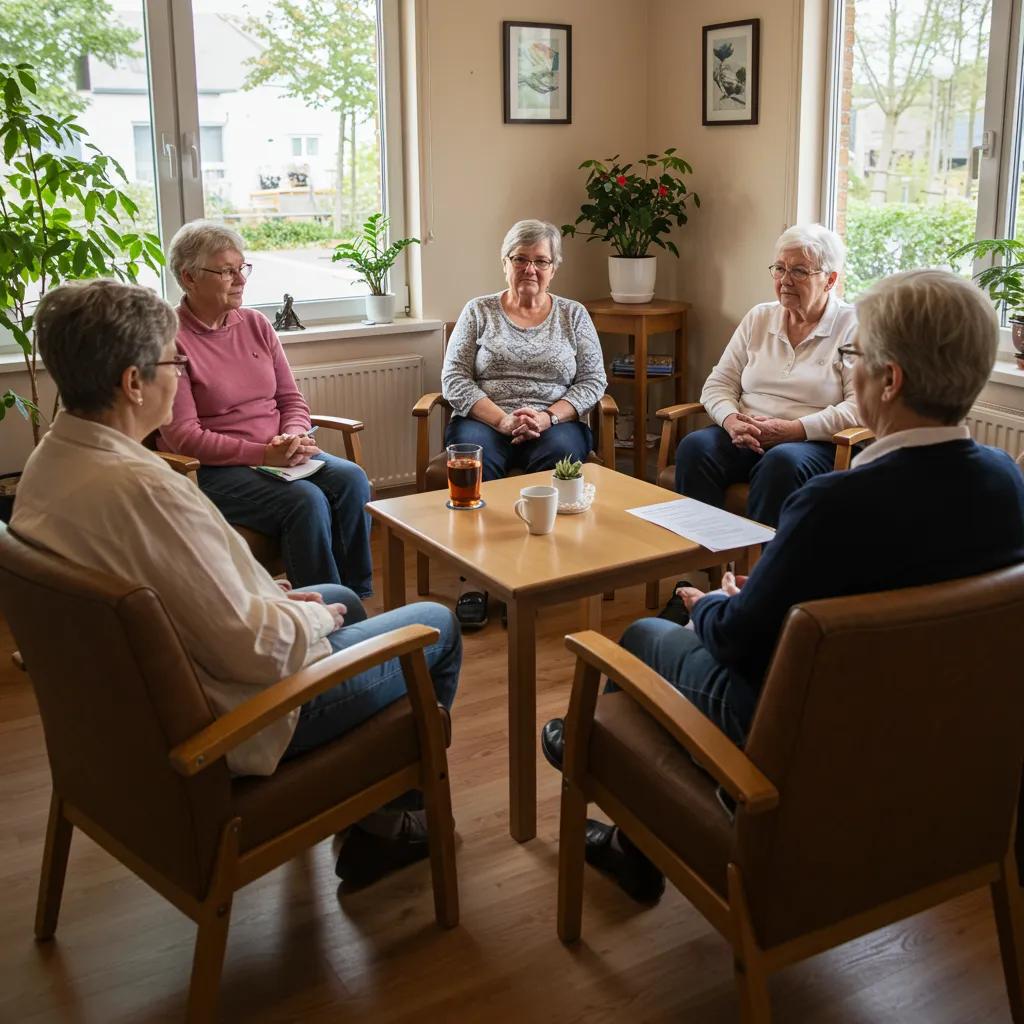
Dementia Support Groups in West Virginia: What to Know
Dementia Support Groups in West Virginia: What to Know About Finding Help and Care
Dementia support groups bring together caregivers, family members, and sometimes people living with dementia to share information, coping strategies, and emotional support in a structured setting. This article explains how dementia and Alzheimer's support groups work in West Virginia, where to find in-person and virtual options, and how groups fit into a larger care pathway that may include professional memory care when needs escalate. Families often feel isolated, overwhelmed by behavior changes, or unsure how to plan next steps; peer support and education address many of these gaps while clarifying when formal assessment or residential memory care becomes necessary. In the sections that follow, you’ll get clear definitions of group formats, a local directory and EAV-style comparison of major resources, a decision checklist for when peer support isn’t enough, a detailed look at how a specialized memory care provider operates in WV, and practical next steps for assessments, tours, and financial planning. Throughout, the focus is on actionable guidance for West Virginia caregivers seeking community-based support, respite options, and a stepwise path toward professional memory care when appropriate.
What Are Dementia Support Groups and How Do They Help Caregivers in West Virginia?
Dementia support groups are organized gatherings that connect caregivers and sometimes people living with dementia to exchange knowledge, validation, and practical coping strategies; they work by combining peer experience with professional education to reduce isolation and improve caregiving skills. Groups operate in formats that include caregiver-only peer groups, person-with-dementia-friendly sessions, and education-focused workshops led by health professionals, and each format produces different benefits that address emotional, informational, and practical needs. For West Virginia caregivers, local groups are especially valuable because facilitators can point to state-specific resources, respite options, and community programs that reflect the region’s services and rural access challenges. Understanding the formats and benefits of support groups helps caregivers decide what to attend first and how to prepare questions for clinicians or community partners. The next subsections define typical group formats, list caregiver benefits in plain terms, and show where to find both in-person and virtual groups across West Virginia.
What Defines a Dementia or Alzheimer’s Support Group?
A dementia or Alzheimer’s support group is typically defined by its participant mix, facilitation style, and purpose: some are peer-led by caregivers sharing experiences, others are professionally facilitated by social workers or clinicians, and a few combine both approaches for education and emotional support. Meetings often follow a predictable cadence—weekly, biweekly, or monthly—with confidentiality guidelines, suggested topics (behavior management, legal planning, safety), and optional guest speakers such as healthcare professionals or local resource coordinators. Participants can expect a mix of open discussion, problem-solving sessions, and short educational segments that introduce new caregiving techniques or community services. Knowing whether a group is caregiver-only or open to people living with dementia helps families choose safe, appropriate settings that match their loved one’s current abilities. This practical understanding leads naturally into the concrete benefits caregivers commonly report from regular group participation.
What Are the Benefits of Joining Dementia Caregiver Support Groups?
Support groups deliver a combination of emotional support, practical skills, and actionable referrals that together improve caregiver resilience and care quality. Regular group attendance reduces caregiver isolation and stress by creating a predictable space for validation and shared problem-solving, which often improves coping and decreases feelings of guilt or helplessness. Groups also provide hands-on tips for daily care challenges—communication strategies, behavioral de-escalation techniques, and approaches to ADLs—that caregivers can try at home and report back on in future meetings. Finally, groups serve as a conduit to local services such as respite care, financial counseling, and clinical assessments, helping caregivers move from advice to concrete action when a loved one’s needs change. These practical benefits naturally raise the question of where to find trusted groups in West Virginia, which the next section addresses with a scannable resource table and search tips.
Support groups in West Virginia commonly lead caregivers to statewide and local partners, and they can be a bridge to online resources for those in remote areas.
Alzheimer's Association West Virginia: Support Groups for Dementia
The Association's West Virginia Chapter has about 35 active affiliated caregiver support groups. A need was observed for support groups for those with early/young onset dementias and related conditions, and the Association has been working to fill this gap.
Filling an unmet need: a support group for early stage/young onset Alzheimer's disease and related dementias: offered by the Alzheimer's Association of West Virginia, 2011
Where Can Families Find Dementia Support Groups in West Virginia?

Finding the right group in West Virginia usually begins with statewide organizations, community health centers, and local hospitals; these providers list scheduled meetings, virtual options, and contact points for caregivers. The table below compares major statewide and local support options, including the primary statewide chapter that frequently coordinates local meeting lists, community centers and faith-based groups that host caregiver gatherings, and local 211 or aging services that can connect callers to nearby groups. Use this comparison to identify resources that match your location and meeting preferences, and confirm accessibility, meeting frequency, and whether sessions are caregiver-only or open to people living with dementia.
Introductory note: this table highlights common resource types, where they typically serve, and how they operate to help caregivers decide where to call or inquire locally.
ResourceTypical Area ServedMeeting TypeHow to ContactAlzheimer's Association (WV Chapter)Statewide/multiple countiesVirtual & in-person caregiver groups, educational workshopsState helpline and chapter contacts (statewide coordination)Local hospitals & community centersCity or county (Huntington, Charleston, Morgantown, etc.)Professionally facilitated support and caregiver educationContact hospital community programs or aging services211 West Virginia / Aging ServicesStatewide referral serviceReferral to local caregiver groups and respite programsPhone-based referral system and local resource listings
This comparison helps caregivers prioritize outreach: start with the Alzheimer's Association chapter for statewide schedules, then check hospital community programs and 211 for localized meeting lists and accommodations. After identifying likely groups, confirm meeting details and accessibility before attending.
Are There Online Dementia Support Groups Available for West Virginia Caregivers?
Virtual support groups expand access for caregivers who live far from urban centers or who need flexible meeting times, offering real-time interaction by video or moderated forums that maintain confidentiality and structured facilitation. National and statewide organizations run regular virtual caregiver sessions focused on behavior strategies, legal planning, and grief support, while specialty forums and social platforms host moderated discussion threads and educational webinars for focused topics. The main advantages are convenience, variety of expertise, and the ability to join topic-specific sessions (for example, early-stage versus late-stage caregiving), but caregivers should vet groups for professional facilitation, privacy safeguards, and a clear moderation policy. For caregivers new to virtual meetings, basic tech tips—testing audio/video, using headphones, and choosing a quiet space—make participation smoother. Virtual options often complement in-person groups and can be an effective first step to building a local support network.
Virtual Support Groups for Dementia Caregivers: A Scoping Review
barriers to caregiver participation in support groups, technology, and the impact of virtual support groups on caregivers and patients with dementia (PwD). However, best practices for virtual support groups are still emerging, and more research is needed to optimize their effectiveness and accessibility.
Virtual support groups for informal caregivers of individuals with dementia: a scoping review, MJ Armstrong, 2019
When Should Families Consider Professional Memory Care Beyond Support Groups?
Deciding when to move beyond peer support into professional memory care involves observing specific safety, functional, and behavioral indicators that suggest a higher level of structured supervision and specialized programming is needed. Memory care is appropriate when safety risks (such as nighttime wandering or unsafe cooking), significant decline in ADLs, frequent falls, or persistent aggressive behavior appear despite home supports and respite; caregiver burnout and inability to maintain safe supervision are also key decision points. This section presents a concise checklist of observable signs, explains how memory care differs from assisted living in practical terms, and outlines why specialized memory care improves safety and quality of life—guidance meant to help families evaluate next steps and prepare for an assessment. After reviewing these criteria, families will see how a local, free-standing memory care facility can be the next step if support groups and in-home measures are no longer sufficient.
Safety concerns: Wandering at night or unsafe use of appliances that put the person at immediate risk.
Functional decline: Inability to complete ADLs such as bathing, dressing, or toileting without frequent help.
Behavioral escalation: New or worsening aggression, severe agitation, or hallucinations that caregivers cannot manage safely.
Health decline: Rapid weight loss, recurring infections, or uncontrolled medication issues affecting overall stability.
Caregiver crisis: Persistent burnout, health impacts on the caregiver, or inability to provide safe supervision.
Reviewing these signs helps families prioritize a formal assessment or short-term respite stay as immediate next steps that can lead into a memory care placement if recommended.
What Are the Signs That Indicate the Need for Professional Dementia Care?
Concrete indicators that suggest professional dementia care is needed include repeated falls, unintentional weight loss, extended confusion leading to missed medication, and behaviors that create risk for the person or others; each sign carries a recommended immediate action. For example, repeated falls should trigger a clinical evaluation for gait and environment modification and may prompt a transition to a setting with 24/7 supervision; wandering or repeated elopement incidents require secure environments and monitoring that are difficult to maintain at home. Severe caregiver stress—sleep loss, depressive symptoms, or health deterioration—also signals the need for outside support because caregiver capacity directly affects safety. Documenting incidents, time-of-day patterns, and triggers gives clinicians a clearer picture during assessment and helps families choose appropriate levels of care. These diagnostic observations lead into understanding how memory care differs from assisted living in structure and services.
Caregiver Support Groups for Dementia Patients: Meta-Analysis Findings
Support groups benefit caregivers and findings of this meta-analysis serve as immediate guidance for group facilitators and participants. The effectiveness of support groups is indicated to enhance outcomes for caregivers and patients with dementia.
Caregiver support groups in patients with dementia: a meta‐analysis, JL Guo, 2011
How Does Memory Care Differ from Assisted Living in West Virginia?

Memory care differs from assisted living primarily through specialized staff training, structured programming tailored to dementia symptoms, and secure environmental design that prioritizes safety and predictable routines; these distinctions matter when a resident’s cognitive needs exceed typical assisted living supports. Memory care settings often provide higher staff-to-resident ratios, dementia-focused activities that maintain routines and orientation, and secure outdoor and indoor spaces that reduce wandering risk; assisted living, by contrast, serves a broader population with varied needs and may not have the same depth of dementia-specific therapy or supervision. Cost structures and eligibility criteria can vary, but the choice hinges on the intensity of supervision and the need for specialized behavioral supports rather than on amenities alone. Understanding these differences prepares families to ask targeted questions during tours and to evaluate whether enhanced memory care programming is required.
Why Is Specialized Memory Care Important for Dementia Patients?
Specialized memory care combines clinical approaches—behavioral management, structured activities, and medication oversight—with environmental design principles to reduce triggers, maintain routines, and preserve dignity, producing measurable improvements in safety and quality of life. Evidence-based programming focuses on meaningful, person-centered activities that reduce agitation and support residual abilities, while trained staff apply de-escalation techniques and adaptive communication strategies that decrease harmful incidents. A secure, smaller-scale, home-like environment often reduces disorientation and fosters positive social interactions, which can improve mood and slow functional decline in many residents. Families benefit from the coordination of care, clearer communication about changes, and a predictable daily schedule that reduces caregiver anxiety about safety. When peer support no longer meets safety needs, these specialized elements make memory care a clinically appropriate next step.
To help families map observed problems to recommended responses, the table below organizes common signs and suggested next actions.
Introductory note: this table links observable situations to risk levels and practical next steps to guide decision-making.
Observed Sign or SituationRisk LevelSuggested Immediate ActionWandering or nighttime elopementHighArrange supervised environment or secure facility assessmentRepeated falls or fracturesHighClinical fall risk evaluation; consider increased supervision or residential careInability to perform ADLsMedium–HighShort-term respite and formal care assessment to plan level of supportAggression or severe agitationHighBehavioral health consultation and controlled environment evaluationCaregiver exhaustion or medical issuesMedium–HighArrange respite care and professional assessment for placement options
How Does Braley Care Homes Provide Specialized Memory Care in West Virginia?
Braley Care Homes Inc. is a West Virginia facility focused exclusively on Alzheimer’s, dementia, and memory care, offering a home-like environment, person-centered services, and specialized staff trained to support residents with cognitive impairment. As West Virginia’s only free-standing Alzheimer’s, Dementia, and memory care facility, Braley Care Homes emphasizes tailored care plans, family involvement, and a secure setting that includes 24-hour supervision and a secure outdoor courtyard for safe outdoor time. The facility’s philosophy—quality care in a home-like environment—frames daily programming, medication management, and assistance with ADLs so that clinical needs and dignity are both prioritized. Families exploring memory care will find that a facility dedicated entirely to memory disorders can simplify coordination of care, education, and transitions from community-based supports when needs escalate. The following subsections break down services into an EAV-style table, introduce the team members noted in public information, and describe environment features linked to safety and wellbeing.
What Comprehensive Dementia and Alzheimer’s Care Services Does Braley Care Homes Offer?
Braley Care Homes lists services that center on personalized care planning, clinical oversight, and family involvement: free assessments to evaluate needs, assistance with ADLs, medication administration, nutritious meals, and specialized dementia programming that supports daily engagement and safety. The table below maps core services to what they include and the direct benefits families and residents can expect, making it easier to compare offerings when considering a memory care placement. This comparison clarifies how tailored supports—rather than generic supervision—reduce risks, maintain function, and provide structured respite for caregivers.
Introductory note: the table clarifies core service components and their practical benefits for residents and families.
Service OfferedWhat It IncludesBenefitFree care assessmentsProfessional evaluation of ADLs, behaviors, and needsClear care recommendations and personalized planAssistance with ADLsHelp with bathing, dressing, toileting, and mobilityImproved safety and daily functionMedication administrationSupervised medication schedules and monitoringReduced medication errors and improved health outcomesNutritional meals & programmingBalanced meals and structured daily activitiesBetter nutrition and engagement; mood stabilization
Who Are the Expert Staff Supporting Residents at Braley Care Homes?
Leadership and staff at Braley Care Homes include licensed and trained professionals focused on dementia care, with explicit mention of Chris Braley (LICSW) in an organizational role alongside nursing staff such as RNs and LPNs and a trained caregiving team. That expertise supports a person-centered approach: social work leadership coordinates behavioral and family supports, nurses oversee health monitoring and medication administration, and caregivers apply dementia-specific training in daily routines and activity engagement. Emphasis on ongoing staff training and multidisciplinary collaboration ensures clinical changes are noticed early and communicated to families, which improves response times and care planning. The presence of licensed clinical social work leadership and licensed nursing staff signals an organizational commitment to both psychosocial and medical aspects of dementia care, which families often seek when choosing a memory care partner.
How Does Braley Care Homes Create a Safe and Home-Like Environment?
Braley Care Homes combines environmental design and programmatic choices to produce a smaller, home-like setting with security measures and therapeutic routines that reduce confusion and wandering risk while preserving dignity. The facility features a secure, locked environment and a secure outdoor courtyard that allows safe access to fresh air and supervised outdoor activities; such features reduce environmental hazards and provide restorative outdoor exposure that supports mood. Smaller household-scale settings, predictable daily schedules, and familiar décor are used to lower agitation and help residents maintain orientation, while staff prioritize meaningful activities tailored to residents’ abilities. These design and program elements work together to create an atmosphere where safety and quality of life reinforce each other, allowing families to focus on engagement and trusted communication with the care team.
What Resources and Support Are Available for Dementia Caregivers in West Virginia?
West Virginia caregivers have access to a range of supports: respite care options that provide temporary relief, state and federal financial programs that may assist with care costs, and mental health and community services that support caregiver wellbeing. Respite services can be provided in-home, through adult day programs, or via short-term stays at licensed facilities; each option helps caregivers recharge and maintain long-term caregiving capacity. Financial planning resources include Medicaid pathways, VA benefits for eligible veterans, and long-term care insurance where applicable; early planning is essential to maximize options. The section below summarizes respite types, finance pathways, and caregiver wellbeing strategies with practical steps and local referral suggestions that work in partnership with both community supports and memory care placements.
What Respite Care Options Help West Virginia Dementia Caregivers?
Respite care can be arranged in several formats—short-term residential stays in memory-supportive facilities, adult day programs providing structured daytime activities, and in-home respite through visiting aides or home-care providers—and each option offers a different level of supervision and caregiver relief. Short-term facility stays can give caregivers extended breaks for travel or acute needs, while adult day programs provide daytime structure and social engagement for the person with dementia, helping to delay long-term residential placement in some cases. In-home respite is useful when leaving the home would increase disruption or for families in rural areas where transportation is a barrier. Local providers, the Alzheimer's Association chapter, and 211 referrals are primary pathways to arrange respite; discussing options with a social worker or care coordinator helps match the respite type to current needs. Planning respite proactively reduces caregiver burnout and creates safer, more sustainable care arrangements.
How Can Families Access Financial Planning and Assistance for Dementia Care?
Access to financial assistance typically follows a layered approach—reviewing private long-term care insurance, VA benefits for veterans, Medicaid eligibility, and out-of-pocket planning—while consulting a financial counselor experienced in elder care to identify applicable programs in West Virginia. Early documentation of assets, income, and insurance policies supports timely eligibility reviews; families should also consider long-term planning steps such as power of attorney and advanced directives to avoid crisis-driven decisions. State aging services and certified financial counselors can provide referrals and explain program rules, while the Alzheimer's Association and 211 can help connect families to local benefit navigators. A practical next step is to collect recent medical records, insurance statements, and a list of current medications before meeting with a counselor to streamline the assessment process. Clear financial planning reduces stress and preserves options when placement decisions arise.
What Strategies Support Caregiver Well-Being and Prevent Burnout?
Sustaining caregiver wellbeing requires structured self-care strategies, the use of respite, delegation, and connection to peer or professional support that addresses both emotional and physical health needs. Practical strategies include scheduling regular respite breaks, establishing predictable routines for caregiving tasks, delegating responsibilities among family members, and engaging in brief daily self-care practices like short walks or focused breathing to reduce stress. Professional counseling, caregiver support groups, and community-based programs offer emotional processing and problem-solving tools that prevent isolation and preserve caregiver capacity. Monitoring one’s own health—regular medical checkups, sleep management, and attention to nutrition—helps caregivers remain effective and reduces the chance of crisis-driven care transitions. Proactive use of community and facility resources often delays the need for permanent placement and improves long-term outcomes for both caregiver and person with dementia.
How Can Families Take the Next Steps Toward Dementia Care in West Virginia?
When families decide to move from community supports and respite toward formal assessment and potential residential memory care, a clear step-by-step pathway simplifies the process: schedule an assessment, arrange a tour, and review care recommendations to determine the right placement and timing. Preparing for each step—collecting medical records, documenting functional changes, and listing current medications—helps evaluators provide accurate recommendations. This section provides concrete instructions for scheduling assessments and tours, outlines what to observe during visits, and supplies a checklist of documents and questions that families should bring to appointments so they can make informed decisions with confidence. Clear, actionable next steps reduce the emotional burden of transition planning and help families move forward at a pace that preserves dignity and safety.
How Do You Schedule a Free Care Assessment at Braley Care Homes?
Scheduling a free care assessment at Braley Care Homes begins with contacting the facility to request an evaluation, preparing key information such as recent medical history, current medications, and specific examples of functional decline or behavioral changes to share during the assessment. The assessment typically covers ADLs, cognitive status, medication needs, and behavioral observations; assessors use this information to recommend care levels and to plan potential transition pathways such as short-term respite, trial stays, or full admission when warranted. Families should prepare a concise timeline of recent incidents (falls, wandering, increasing care needs) and note caregiver capacity and constraints to help the assessor recommend realistic next steps. The assessment outcome usually includes a written care recommendation and suggested next actions, which can include a tour or a coordinated plan to initiate a move if appropriate.
What Should Families Expect During a Tour of Braley Care Homes?
A tour of a memory care facility typically follows a predictable flow: a greeting and overview of the program, observation of common areas and living spaces, discussion of staffing and care practices, and time for questions about safety, activities, and family involvement; families should take notes and observe resident-staff interactions. Key observation points include cleanliness, staff engagement with residents, presence of structured activities, visible safety features such as secure exits and courtyard access, and signs that staff respect resident dignity and independence. Useful questions to ask include staffing ratios, training in dementia care, protocols for behavioral incidents, medication oversight, and how families receive regular updates. Taking a checklist into the tour and talking frankly about recent care challenges helps staff tailor responses and gives families clearer expectations about daily life and transitions.
Bring documentation: recent medical records, medication lists, and a summary of ADL function.
Observe interactions: note how staff communicate with residents and respond to needs.
Ask about programming: request specifics on daily routines, meaningful activities, and family involvement.
Clarify next steps: ask about assessment timelines, trial stays, and how transitions are coordinated.
These steps ensure tours are focused and informative, supporting a decision that aligns with clinical needs and family priorities.
Where Can You Find Additional West Virginia Dementia Support Resources?
Additional authoritative resources include the Alzheimer's Association WV Chapter for statewide programs and education, West Virginia Department of Health and Human Resources and 211 for local service referrals, and national sources such as the National Institute on Aging for clinical information and guidance. Local hospitals, community health centers, and aging services offices often maintain regional lists of caregiver supports, respite providers, and volunteer-driven programs that can be accessed by calling local resource lines or speaking with a social worker. Combining facility-based assessment and community resources produces a coordinated plan that uses peer support, respite, financial counseling, and professional memory care when appropriate. Bringing these resources together helps families navigate transitions smoothly and keeps the person with dementia supported in the most appropriate setting for their current needs.
Introductory note: use the resources above to coordinate assessments, financial planning, and local respite options as you plan next steps.
Resource TypeWhat It ProvidesHow It HelpsAlzheimer's Association (WV Chapter)Education, support group listings, caregiver resourcesCentral source for statewide programs and training211 West Virginia / DHHRLocal referrals, benefit navigationConnects families to local services and assistance programsNational Institute on AgingClinical information and caregiver guidanceEvidence-based information for planning and care choices
Use these resources in combination with facility assessments and local support groups to build a practical care plan tailored to your family’s needs.
This article has provided definitions, local directories, decision frameworks, and practical next steps to help West Virginia families use dementia support groups effectively and transition to professional memory care when needed. If peer support, respite, and community resources no longer meet safety or behavioral needs, a dedicated memory care provider that emphasizes person-centered care and secure, home-like environments is often the next appropriate step.
Frequently Asked Questions
What should I look for when choosing a dementia support group?
When selecting a dementia support group, consider factors such as the group's format (peer-led vs. professionally facilitated), meeting frequency, and whether it is caregiver-only or includes individuals with dementia. Additionally, assess the group's focus areas, such as emotional support, practical caregiving strategies, or educational content. It's also important to evaluate the group's accessibility, including location and virtual options, as well as the facilitator's experience and training in dementia care. These elements will help ensure the group meets your specific needs and preferences.
How can I prepare for my first visit to a support group?
Preparing for your first visit to a support group can enhance your experience. Start by writing down any questions or topics you want to discuss, such as specific caregiving challenges or emotional concerns. It may also be helpful to bring a notebook to jot down insights or advice shared during the meeting. Arriving early can give you a chance to meet other participants and get comfortable with the environment. Remember, it's a supportive space, so feel free to share your experiences and listen to others.
Are there specific resources for young caregivers in West Virginia?
Yes, there are resources specifically tailored for young caregivers in West Virginia. Organizations like the Alzheimer's Association often provide support groups and educational programs that focus on the unique challenges faced by younger caregivers. Additionally, local community centers and schools may offer workshops or events aimed at younger individuals caring for family members with dementia. Connecting with these resources can provide valuable support, networking opportunities, and coping strategies tailored to younger caregivers' needs.
What role do healthcare professionals play in support groups?
Healthcare professionals play a crucial role in support groups by providing expert guidance, education, and emotional support. They often facilitate discussions, share evidence-based strategies for managing dementia-related challenges, and help caregivers understand the medical aspects of the condition. Their presence can also enhance the credibility of the group, ensuring that participants receive accurate information. Additionally, healthcare professionals can assist in connecting caregivers with local resources and services, making the support group a more comprehensive source of assistance.
How can I find virtual support groups if I can't attend in person?
Finding virtual support groups is easier than ever, especially for caregivers in remote areas. Start by checking websites of organizations like the Alzheimer's Association, which often list virtual meeting options. Social media platforms and online forums also host various support groups where caregivers can connect and share experiences. Additionally, local community health centers may offer virtual sessions. When searching, ensure that the group is moderated by professionals or experienced facilitators to maintain a supportive and safe environment.
What are some common misconceptions about dementia support groups?
Common misconceptions about dementia support groups include the belief that they are only for caregivers who are struggling or that they are solely focused on grief and loss. In reality, these groups provide a space for sharing practical caregiving strategies, gaining emotional support, and learning from others' experiences. Another misconception is that participation requires sharing personal stories; while sharing is encouraged, it is not mandatory. Many caregivers find value in simply listening and learning from others in similar situations.
How can I encourage a loved one with dementia to participate in a support group?
Encouraging a loved one with dementia to participate in a support group can be approached gently. Start by discussing the benefits of social interaction and shared experiences with others facing similar challenges. Highlight that these groups can provide a safe space for them to express their feelings and learn coping strategies. If they are hesitant, consider attending a session together to ease their anxiety. Emphasize that participation is voluntary and that they can choose how much they wish to engage in discussions.

Our clinic largest private mental health partnership, with a carefully selected nationwide team of Psychiatrists.
KEEP IN TOUCH.


CONTACT US
Location:
Braley Care Homes
6192 US 60
Hurricane, WV 25526
Phone Numbers:
Referrals and Inquiries: (304) 767-4033
Facility Phone: (304) 201-3677
Facility Fax: (304) 201-3678
AREAS WE SERVE
BUSINESS HOURS
Monday
9:00am – 6:30pm
Tuesday
9:00am – 6:30pm
Wednesday
9:00am – 6:30pm
Thursday
9:00am – 6:30pm
Friday
9:00am – 6:30pm
KEEP IN TOUCH.
CONTACT US
Location:
Braley Care Homes
6192 US-60
Hurricane, WV 25526
Phone Numbers:
Referrals and Inquiries: (304) 767-4033
Facility Phone: (304) 201-3677
Facility Fax: (304) 201-3678
AREAS WE SERVE
BUSINESS HOURS
Monday
9:00am – 6:30pm
Tuesday
9:00am – 6:30pm
Wednesday
9:00am – 6:30pm
Thursday
9:00am – 6:30pm
Friday
9:00am – 6:30pm