Visit us: Mon - Fri: 9:00 - 18:30
Braley Care Homes 6192 US 60 Hurricane, WV 25526
Resources
Exploring Therapeutic Activities in West Virginia Memory Care Facilities: What to Expect
Engaging Memory Care Activities
Therapeutic activities in memory care are structured, non-pharmacological programs designed to support cognition, behavior, and quality of life for people living with and . These activities work by stimulating memory cues, engaging the senses, and promoting social connection to reduce agitation and preserve daily function. This article explains what therapeutic activities typically include across West Virginia memory care settings, how personalized plans are created from life histories and clinical assessments, and what a day-in-the-life looks like when therapies are integrated with routines. Families researching options will gain practical checklists for evaluating providers, evidence-based benefits to expect, and concrete examples of therapy implementation. Throughout, we highlight how specialized, free-standing emphasize individualized programming and trained staff to deliver consistent results. Read on for an in-depth guide to common therapy types, sample schedules, outcome mapping, and steps to and .
What Are Therapeutic Activities in West Virginia Memory Care Facilities?
Therapeutic activities are purposeful, evidence-based programs that use music, art, movement, sensory stimulation, and cognitively targeted tasks to support people with dementia. These interventions work by activating preserved abilities, cueing long-term memories, providing predictable social routines, and reducing stress responses, which together can lower agitation and improve mood. In , therapeutic activities are offered as part of a broader non-pharmacological approach and typically emphasize safety, familiarity, and opportunities for meaningful engagement. The next subsection explains the underlying mechanisms that make these activities effective for dementia and Alzheimer's care.
How Do Therapeutic Activities Support Dementia and Alzheimer's Patients?
Therapeutic activities support and by engaging multiple neural pathways—sensory, emotional, and procedural—rather than relying solely on declarative memory. This multimodal stimulation helps preserve function through habit networks and emotional recall, which are often more resilient than short-term memory. For example, familiar songs can trigger autobiographical memories and reduce distress, while gentle movement supports balance and sleep regulation. Understanding these mechanisms helps families recognize why consistent, person-centered activities often produce measurable improvements in behavior and wellbeing.
Which Types of Therapeutic Activities Are Common in WV Memory Care?
Common therapeutic activities in include music sessions, guided art projects, reminiscence groups, chair and walking exercises, pet or animal-assisted visits, and structured cognitive games. Each activity targets different domains: music and reminiscence for emotional recall, art for fine motor skills and self-expression, physical activity for mobility and sleep, and cognitive games for attention and language. Facilities often adapt sessions to individual interests and local culture so that activities feel familiar and meaningful. The following section outlines why specialized memory care settings matter for delivering these programs effectively.
Why Is Specialized Memory Care Important for Effective Therapeutic Programs?
Specialized memory care differs from general assisted living because it combines staff training, secure design, and individualized programming to meet dementia-specific needs. Trained caregivers and licensed clinicians understand behavioral triggers, use validation techniques, and design activities that avoid overstimulation while encouraging participation. Secure layouts and small household models enable safe outdoor walks and consistent routines that reinforce engagement. These features increase the likelihood that therapeutic activities will be delivered reliably and adjusted appropriately as needs change.
What Key Therapeutic Activities Does Braley Care Homes Offer in West Virginia?

Therapeutic activities at specialized memory care facilities typically include music, art, reminiscence, movement, pet interactions, cognitive stimulation games, and community social programming. These modalities are organized into individualized schedules and small-group sessions to maximize participation and reduce agitation. Below we describe each activity type, practical examples of how they are used, and the primary benefits families can expect when programming is tailored to resident histories and abilities.
How Does Music Therapy Improve Mood and Memory in Dementia Care?
Music therapy improves mood and memory by leveraging preserved musical memory and emotional associations to cue recall and calm agitation. Activities range from personalized playlists and recorded favorites to live singalongs and interactive rhythm sessions that encourage participation. Music serves as a predictable, low-pressure cue that fosters social connection and verbal expression even when other memory systems decline. Families often report that familiar songs spark conversation and recognition, which supports identity and improves mealtime or bathing cooperation.
Research indicates that music therapy is a feasible and effective non-pharmacological intervention for reducing agitation in individuals with dementia.
Music Therapy for Dementia Agitation: A Non-Pharmacological Approach
Music therapy is a non-pharmacological intervention that aims to increase emotional wellbeing through cognitive stimulation and social interaction. Nurses are well placed to support its introduction in care homes and day care units. Eight articles show that music therapy is feasible for use with people with all stages of dementia. The best results involved using familiar music and a qualified group music therapist, with the optimum frequency of intervention being two to three times a week for 30-50 minutes. Control interventions such as reading and recreational activities also reduced agitation.
Music therapy to reduce agitation in dementia, 2014
Furthermore, systematic reviews have confirmed the positive impact of music interventions on agitation levels in older adults with dementia.
Music Therapy Effectiveness in Reducing Dementia Agitation: Systematic Review
PURPOSEThe purpose of this review was to assess the quality and to evaluate the effectiveness of music interventions in reducing agitation in older adults with dementia.METHODSRandomized controlled studies and randomized crossover studies were identified by searching MEDLINE, EMBASE, CINAHL, PsycINFO, AGELINE, Cochrane Central Register of Controlled Trials, Korea Med, Kmbase, RISS, National Assembly Digital Library, KISS, and RICH. Two reviewers independently retrieved articles, extracted data, and assessed the quality of studies.RESULTSIn total, 10 studies were selected from 1095 unique citations. All included studies were conducted in long term care settings. Overall, risk of bias for included studies was low to moderate. The weighted average effect size across studies was -0.39 (95%CI [-0.69, -0.10], p=.009, I2=63%). Music therapy was effective to reduce agitation of the older adults with dementia.CONCLUSIONMusic intervention can be an effective non-pharmacological intervent
Effects of music therapy on agitation in dementia: Systematic review and meta-analysis, 2015
What Are the Benefits of Art and Creative Expression for Memory Care Residents?

Art and creative expression enable residents to communicate nonverbally, exercise fine motor skills, and experience a sense of accomplishment through guided projects or open-studio sessions. Programs often use painting, collage, clay modeling, and seasonal crafts adapted to abilities to reduce frustration and encourage sensory exploration. Art sessions provide safe opportunities for one-to-one attention and peer interaction, lowering isolation and promoting self-esteem. Staff observe increased calm and longer social engagement following regular creative activities.
How Is Reminiscence Therapy Used to Enhance Identity and Social Connection?
Reminiscence therapy uses life stories, memory boxes, and themed storytelling circles to validate identity and create conversational prompts. Activities might center on decades, occupations, or local West Virginia heritage to make memory recall easier and more emotionally resonant. Group reminiscence fosters mutual recognition among residents, while one-to-one sessions allow deeper personal validation. This technique often increases social reciprocity and reduces loneliness by focusing on strengths and shared history.
Reminiscence therapy is a valuable technique that allows individuals to reflect on their life experiences, fostering a sense of meaning and emotional resolution.
Reminiscence Therapy: Enhancing Meaning and Emotional Resolution in Dementia Care
Reminiscence is a free-flowing process of thinking or talking about one's experiences in order to reflect on and recapture significant events of a lifetime. Life review offers a chance to re-examine one's life, pursue remote memories, recall past events and accomplishments, and seek personal validation. Life review, as a formal concept, is widely used in counseling therapy as people search for meaning, solve problems and strive for emotional resolutions. It also tends to occur when a person is confronted with critical decisions or is faced with the end of their life. Remembering the past can bring a new awareness to the present. This paper intends to throw light on some of the aspects of Reminiscence therapy and its clinical applications.
Reminiscence therapy: An overview, S Tejaswini, 2014
What Role Does Physical Activity Play in Cognitive and Physical Health?
Physical activity—such as chair exercises, walking groups, and gentle dance—supports balance, cardiovascular health, and sleep regulation while also enhancing mood and cognitive attention. Movement sessions are tailored to functional ability, focusing on safe ranges of motion, gait practice using secure routes, and rhythmic activities that combine cognitive cues with physical tasks. Regular activity helps maintain independence in daily tasks and can reduce fall risk when paired with balance training. Integrating exercise into social groups further boosts participation and motivation.
How Does Pet Therapy Reduce Anxiety and Promote Social Interaction?
Pet therapy provides comfort, tactile stimulation, and a calming presence that reduces anxiety and encourages interaction. Whether via scheduled visits from therapy animals or resident pets supervised by staff, animal interactions often prompt smiling, gentle touch, and conversational exchange. Pets act as social catalysts in groups and help ground residents who become agitated, offering predictable routines for feeding or petting that reinforce caregiving roles. Safety protocols and hygiene practices ensure visits are comfortable and therapeutic for all participants.
What Cognitive Stimulation Games and Brain Activities Are Provided?
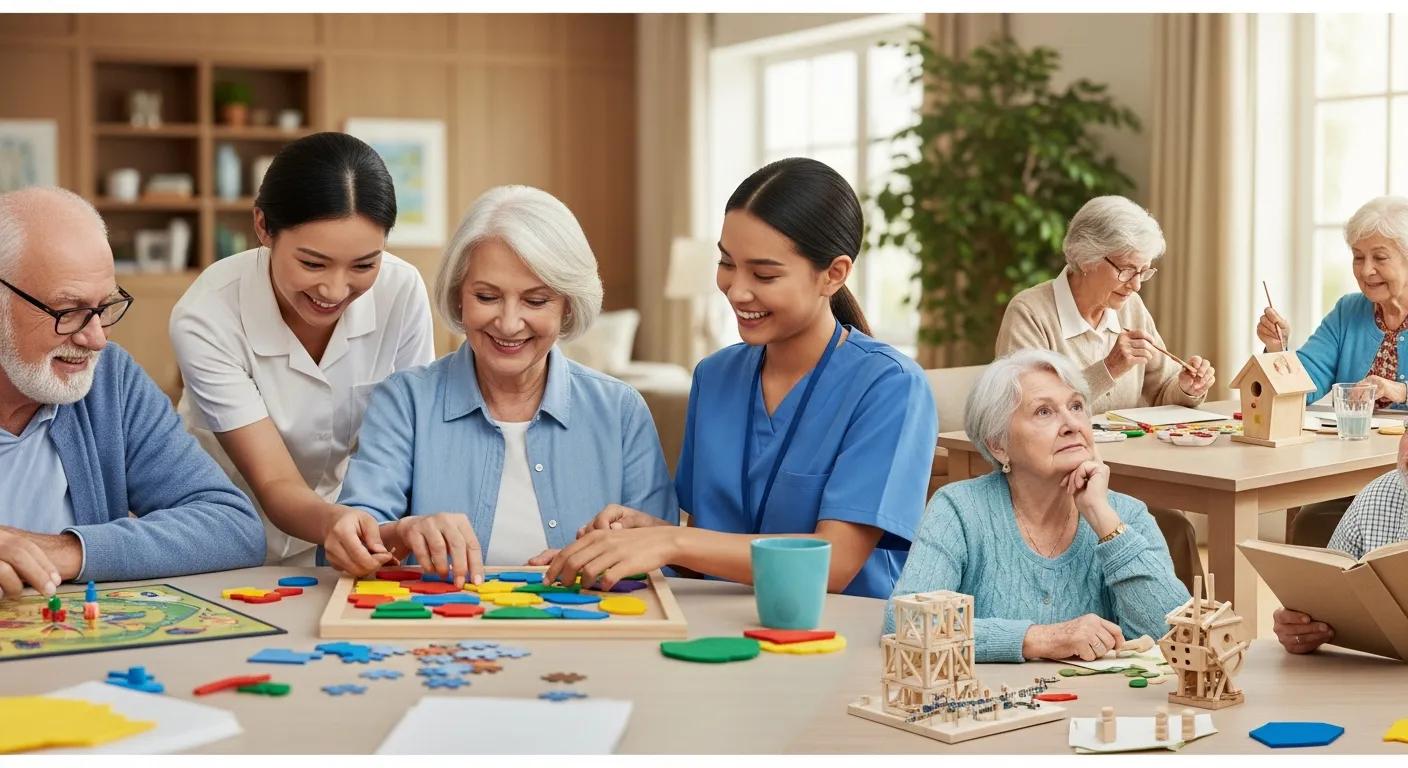
Cognitive stimulation covers puzzles, trivia, word games, structured memory groups, and activity stations that target specific domains such as attention, language, and executive function. Staff adapt difficulty and provide cues to maintain success and confidence, measuring engagement through participation and observational notes. Weekly cadences typically rotate activities to prevent boredom and reinforce learning through repetition. These structured programs aim to preserve function and slow decline by exercising mental skills in meaningful contexts.
How Does Social and Community Interaction Support Resident Well-Being?
Social and community interaction—intergenerational visits, volunteer groups, faith-based programs, and local outings—reduces isolation and strengthens a sense of belonging. Community participation brings varied stimuli and opportunities for residents to contribute in familiar roles, such as singing with a church group or meeting student volunteers. These connections support emotional health and can prompt increased activity participation back at the facility. Regular social rhythms also create predictability that minimizes anxiety and sundowning.
Before the next section, review a concise comparison table that maps therapy types to typical activities and primary benefits to help families quickly compare options.
TherapyTypical ActivitiesPrimary BenefitsMusic TherapyPersonalized playlists, singalongs, live musicMood regulation, memory cueing, social engagementArt TherapyGuided painting, crafts, open-studio sessionsSelf-expression, fine motor engagement, reduced isolationReminiscence TherapyMemory boxes, storytelling circles, themed promptsIdentity validation, conversation stimulationPhysical ActivityChair exercise, secure courtyard walks, danceMobility, balance, sleep improvementPet TherapySupervised animal visits, pet care routinesAnxiety reduction, tactile comfort, social catalystCognitive GamesTrivia, puzzles, memory quizzesAttention, language practice, executive function support
This table illustrates how each therapy maps to observable benefits, making it easier to discuss options with care teams and family members. Families seeking more detail can request a facility assessment to see which modalities align best with a loved one's history and preferences.
At , these activity types are presented within a home-like model that emphasizes individualized programming and trained staff. Families can or by calling the facility phone number to discuss personalized therapy plans and observe activity settings in person.
How Are Individualized Activity Plans Created for Memory Care Residents in WV?
Individualized activity plans begin with structured intake that collects a resident's social history, clinical assessments, and family input, then are translated into tailored weekly schedules and adaptive strategies. The process aligns preserved abilities with meaningful interests so that activities reinforce identity while supporting safety and function. Coordination among nursing staff, activity directors, and licensed clinicians ensures that plans are updated based on response, behavior trends, and evolving health status. The table below outlines data sources, what they inform, and example applications to clarify how personalization is operationalized.
Data SourceWhat It InformsExample ApplicationSocial HistoryInterests, routines, cultural contextUse of favorite music, themed reminiscence topicsMedical AssessmentMobility limits, sensory issues, comorbiditiesAdapted chair exercise, hearing-friendly group formatsFamily InterviewsLife roles, triggers, behavior patternsPersonalized cues, preferred activity timesStaff ObservationEngagement levels, fatigue windowsAdjusted session length, one-to-one redirection
This mapping shows how multiple inputs create a cohesive plan that balances stimulation with safety and comfort. The next subsection explains what specific information is collected during intake and how it drives programming decisions.
What Information Is Used to Tailor Therapeutic Activities?
Staff collect a resident's life story, occupation, hobbies, music preferences, language, medical diagnoses, functional ability, and behavioral triggers to build an activity profile. This social history provides cues and themes that make sessions personally meaningful, while clinical notes identify restrictions and safety needs that influence activity choice and supervision levels. Family interviews contribute nuance about past routines and preferences that may not appear in medical records. Together, these inputs inform initial plans and ongoing adaptations to maintain engagement and reduce stress.
How Do Staff Coordinate and Adapt Activities to Resident Needs?
Coordination relies on daily communication, documentation, and regular interdisciplinary meetings where nursing, activities staff, and clinical leadership review responses and adjust programming. Staff use brief observational tools to record engagement, mood, and triggers after each session, then modify group sizes, cueing strategies, or activity timing to improve outcomes. Training in redirection and validation techniques ensures consistent approaches across shifts. Ongoing adaptation is a continuous loop of observation, adjustment, and reassessment to keep activities aligned with changing needs.
What Makes Braley Care Homes' Home-Like Environment Ideal for Personalized Care?
home-like design, secure courtyard, and small household model create familiar settings where individualized activities can be delivered in comfortable spaces. Living rooms and activity areas resemble home environments rather than institutional rooms, which supports relaxed participation and easier cueing. Secure outdoor routes allow safe walking groups that incorporate nature and routine into daily schedules. This physical design, paired with trained staff, facilitates consistent personalization and spontaneous engagement opportunities.
What Does a Typical Day Look Like for Residents Engaged in Therapeutic Activities?
A typical day in a memory care setting weaves therapeutic activities into predictable routines that balance care tasks with engagement windows to support wellbeing. Mornings often include gentle movement and individualized grooming routines, mid-day offers group music or reminiscence, and afternoons focus on social or cognitive groups with calming evening rituals to support sleep. This structure reduces anxiety by signaling what to expect while providing repeated, meaningful opportunities for participation.
Typical daily timeline showing therapy integration and care routines:
Morning (8:00–10:00): Gentle chair exercises, grooming with cueing, and breakfast conversation groups.
Late Morning (10:30–12:00): Small-group music session or art activity focused on familiar themes.
Afternoon (1:30–3:00): Reminiscence circles, cognitive games, or secure courtyard walks for physical activity.
Late Afternoon (3:30–5:00): One-to-one visits, pet therapy sessions, and social time with family or volunteers.
Evening (6:00–8:00): Calming music, short story reading, and predictable bedtime routines to reduce sundowning.
How Are Therapeutic Activities Integrated Into Daily Routines?
Therapeutic activities are scheduled in predictable windows that align with meals, medication administration, and rest periods so residents can participate without being overwhelmed. Staff coordinate transitions by using verbal and visual cues, short lead-ins, and consistent staff assignments to build trust. Integration aims to make therapy incidental to daily life—turning a courtyard walk into both physical exercise and social time, or using music to ease dressing and bathing routines. Flexibility allows staff to move activities to one-to-one formats when a resident is not comfortable in groups.
What Examples Illustrate Resident Participation and Benefits?
Anonymized vignettes show typical outcomes: a resident who rarely spoke began humming and joining singalongs after tailored music playlists; another regained confidence in hand use through repeated painting sessions; a third showed reduced nighttime agitation after daily afternoon walks. These stories illustrate how small, consistent interventions produce meaningful improvements in mood, cooperation with care, and family interactions. Families frequently report a clearer sense of identity and more pleasant visits after programs are established.
How Does Routine Support Behavioral Management and Quality of Life?
Routine reduces uncertainty and stress by establishing predictable patterns that help residents anticipate what comes next, which lowers anxiety and behavioral outbursts. Consistent timing of activity windows, familiar staff, and repeated cues create a scaffold for remaining abilities, reducing the need for reactive redirection. Over time, routine also supports sleep hygiene and appetite, contributing to overall physical health and improved quality of life. This structure is especially beneficial for managing sundowning and transition times.
After reviewing how days are organized, families who want to explore personalized plans can and to see activity integration firsthand. The facility phone number and contact options are available for families to arrange a no-obligation visit and discuss individualized programming with clinical staff.
What Are the Tangible Benefits of Therapeutic Activities for Residents and Families?
Therapeutic activities deliver measurable and experiential benefits across mood, behavior, cognition, physical health, and family wellbeing. Programs focused on personalization and consistent delivery show reductions in agitation, improved social engagement, preserved functional ability, and enhanced family confidence in care. The table below maps key benefit areas to practical evidence or examples and explains how each outcome affects families.
Benefit AreaEvidence or ExampleFamily ImpactMood & BehaviorReduced agitation after music and routine-based interventionsFewer crises, calmer visits, less caregiver stressCognitive EngagementSustained participation in memory groups and puzzlesMaintained conversation ability, longer meaningful interactionsPhysical HealthImproved gait and balance from regular movement sessionsLower fall concern, better independence with ADLsFamily Peace of MindRegular updates and visible programmingIncreased trust, reduced decision stress
This table clarifies how specific therapies translate into outcomes families notice and value. The following subsections explain these benefits in more detail and how they are tracked.
How Do Therapeutic Activities Improve Mood and Reduce Behavioral Issues?
Therapeutic activities improve mood and reduce behavioral issues by replacing disorienting or passive time with structured, meaningful engagement that meets emotional needs. Non-pharmacological interventions such as music, sensory calming, and personalized routines often lower agitation and aggression by addressing underlying distress and establishing safety cues. Facilities track behavior changes through observational measures and care notes to adjust frequency, duration, and format of sessions. Families typically see fewer episodes of distress and more cooperative daily routines after consistent programming begins.
In What Ways Do Activities Enhance Cognitive Function and Physical Health?
Activities enhance cognitive function by exercising attention, language, and memory through repeated, scaffolded tasks that emphasize success and recognition. Physical programs improve mobility, balance, and sleep, which in turn support cognition by maintaining vascular and metabolic health. Pairing cognitive and physical tasks—for example, rhythm-based movement—engages multiple systems simultaneously for synergistic benefit. Observations of slower decline in daily task performance and improved ambulation are common outcomes of integrated therapy plans.
How Do Families Gain Peace of Mind Through Specialized Memory Care Programs?
Families gain peace of mind when they see documented programming, clear communication, and individualized plans that respect a loved one's history and preferences. Regular updates, involvement opportunities, and transparent assessment processes reassure families that care is active and goal-oriented. The structured environment of specialized memory care reduces the unpredictability that often burdens caregivers, allowing families to focus on meaningful visits rather than crisis management. When facilities invite family input into social histories and activity selection, trust and collaboration deepen.
How Can Families Choose the Right Memory Care Facility in West Virginia?
Choosing a involves evaluating safety, staff training, therapeutic offerings, environment, costs, and opportunities to observe programming in action. Families should prioritize providers that demonstrate consistent delivery of person-centered activities, interdisciplinary coordination, and clear communication practices.
When touring or calling a facility, ask these prioritized questions to evaluate therapeutic activities and care quality:
What types of therapeutic activities are offered and how are they individualized?
How do you gather a resident's social history and involve families in planning?
What staff roles support programming (activity staff, licensed clinicians, nursing)?
How do you measure engagement and behavioral outcomes?
Can we observe a group session and meet the activity director?
How Does Braley Care Homes Compare to Other Assisted Living and Memory Care Options?
represents a free-standing, specialized memory care model that emphasizes a home-like environment, individualized activity programming, and highly trained staff. Unlike some traditional assisted living settings where memory care is a unit within a larger campus, a focuses exclusively on dementia care routines, secure outdoor access, and social histories to guide activities. Families seeking concentrated expertise and smaller household dynamics may find this model better aligned with best practices for therapeutic engagement.
What Resources Are Available for Caregiver Support and Financial Planning in WV?
Families can access national resources like Alzheimer's disease organizations and state guidance through West Virginia health agencies for caregiver education and support. Local providers often connect families to counseling, support groups, and financial planning referrals to navigate long-term care costs and benefits. Asking a facility for a list of local supports and typical cost considerations helps families plan next steps. Combining facility guidance with state and national resources provides a more complete support system for caregivers.
How Can Families Schedule Tours and Assessments at Braley Care Homes?
To or at , families may call the facility phone number to speak with admissions or the administrator and arrange a no-obligation visit. During the tour, ask to meet the activities director and observe a group session, and request a sample social history form to see how personalization is documented. A free assessment typically includes a review of medical status, functional ability, and life history so staff can recommend an individualized activity plan and explain .
Choosing the right memory care setting is a balance of program quality, environment, staff expertise, and family comfort. Use the checklists, questions, and observations above to make an informed decision that prioritizes meaningful engagement and safety for your loved one.
Frequently Asked Questions
What qualifications should staff have in memory care facilities?
Staff in memory care facilities should possess specialized training in dementia care, including understanding behavioral triggers and effective communication techniques. Many facilities require caregivers to have certifications in gerontology or related fields, along with ongoing education in person-centered care practices. Licensed clinicians, such as nurses and social workers, should also be part of the team to ensure comprehensive support. This training helps staff create a safe and engaging environment tailored to the unique needs of residents with and .
How can families participate in the therapeutic activities?
Families are encouraged to participate in therapeutic activities by joining in group sessions, attending special events, or engaging in one-on-one visits with their loved ones. Many facilities offer family involvement opportunities, such as art projects or music sessions, which can enhance the emotional connection between residents and their families. Additionally, families can provide input on their loved one's preferences and interests, helping staff tailor activities that resonate with the resident's history and personality, thus fostering a more personalized experience.
What safety measures are in place during therapeutic activities?
Safety measures during therapeutic activities in memory care facilities include secure environments, trained staff supervision, and tailored activity adaptations to meet individual needs. Facilities often have secure layouts to prevent wandering and ensure safe participation in outdoor activities. Staff are trained to recognize and manage potential risks, such as falls or agitation, and to provide appropriate support. Regular assessments of residents' abilities and health status help staff adjust activities to maintain safety while promoting engagement and enjoyment.
How do memory care facilities track the effectiveness of therapeutic activities?
Memory care facilities track the effectiveness of therapeutic activities through observational assessments, resident feedback, and regular interdisciplinary meetings. Staff document engagement levels, mood changes, and behavioral responses during and after activities. This data helps identify which interventions are most beneficial for each resident. Facilities may also use standardized tools to measure cognitive and emotional outcomes over time, allowing for adjustments in programming to enhance individual care plans and ensure that therapeutic activities remain effective and relevant.
What role do family members play in creating individualized activity plans?
Family members play a crucial role in creating by providing valuable insights into their loved one's history, preferences, and routines. During the intake process, families can share information about past hobbies, favorite activities, and any specific triggers or needs. This collaboration helps staff design personalized schedules that align with the resident's interests and abilities, ensuring that therapeutic activities are meaningful and engaging. Ongoing communication between families and staff also allows for adjustments as the resident's needs evolve.
Are there any costs associated with therapeutic activities in memory care facilities?
Most therapeutic activities in are included in the overall care package, but some specialized programs or materials may incur additional costs. It's essential for families to inquire about any potential fees during the facility tour or assessment process. Understanding the financial aspects of care can help families budget effectively and ensure that their loved ones receive the full range of therapeutic support available. Facilities should provide transparent information regarding costs and any optional services offered.
How can families evaluate the quality of therapeutic activities offered?
Families can evaluate the quality of therapeutic activities by observing sessions during facility tours, asking about staff qualifications, and reviewing activity schedules. Inquire about the frequency and variety of activities, as well as how they are tailored to individual residents. Additionally, families should seek feedback from current residents and their families about their experiences. Facilities that prioritize , demonstrate consistent engagement, and maintain open communication with families are likely to provide high-quality therapeutic activities.

Our clinic largest private mental health partnership, with a carefully selected nationwide team of Psychiatrists.
KEEP IN TOUCH.


CONTACT US
Location:
Braley Care Homes
6192 US 60
Hurricane, WV 25526
Phone Numbers:
Referrals and Inquiries: (304) 767-4033
Facility Phone: (304) 201-3677
Facility Fax: (304) 201-3678
AREAS WE SERVE
BUSINESS HOURS
Monday
9:00am – 6:30pm
Tuesday
9:00am – 6:30pm
Wednesday
9:00am – 6:30pm
Thursday
9:00am – 6:30pm
Friday
9:00am – 6:30pm
KEEP IN TOUCH.
CONTACT US
Location:
Braley Care Homes
6192 US-60
Hurricane, WV 25526
Phone Numbers:
Referrals and Inquiries: (304) 767-4033
Facility Phone: (304) 201-3677
Facility Fax: (304) 201-3678
AREAS WE SERVE
BUSINESS HOURS
Monday
9:00am – 6:30pm
Tuesday
9:00am – 6:30pm
Wednesday
9:00am – 6:30pm
Thursday
9:00am – 6:30pm
Friday
9:00am – 6:30pm