Visit us: Mon - Fri: 9:00 - 18:30
Braley Care Homes 6192 US 60 Hurricane, WV 25526



Resources

Paying for Alzheimer's Care Without Insurance
Paying for Alzheimer's Care Without Insurance

By Braley Care Homes Inc. Editorial Team · Updated 2026-08-03
Families without long-term care insurance combine personal assets, Social Security benefits, and home equity to fund Alzheimer's care, then apply for Medicaid once resources run low. Veterans benefits also offset costs for eligible families. Braley Care Homes Inc., West Virginia's only freestanding Alzheimer's and dementia care facility, guides families through these options during a free assessment.
Key Takeaways
- Combine private funds like pensions, home equity, and Social Security with public Medicaid programs for comprehensive coverage.
- Braley Care Homes offers referrals for families seeking affordable care options; contact the brand directly for more information.
- Employee benefits, retirement accounts, and life insurance policies provide immediate financial resources for memory care expenses.
- Community support services and government assistance programs reduce out-of-pocket costs for families without sufficient personal assets.
What Should You Prepare Before Paying For Care?
Preparation starts with gathering documents, not writing checks. Families facing a new Alzheimer's diagnosis lose valuable time when legal and financial paperwork sits unorganized during a crisis. Multiple financial resources exist for covering [dementia care](https://www.braleycarehomesinc.com/dementia-care) costs beyond insurance. Locating them requires early groundwork rather than a last-minute scramble.
What documents does a family need before exploring payment options?
Legal and financial plans placed early make it far easier to access resources later, once a care decision becomes urgent. Families should collect:
- Power of attorney and healthcare proxy paperwork
- Recent bank statements, pension records, and property deeds
- Current insurance policies, including Medicare and any long-term care coverage
- Veteran discharge papers, if applicable, for benefit eligibility
- A written list of monthly income and fixed expenses
Having these ready shortens intake conversations and speeds up eligibility reviews for public programs.
Should a family rely on one payment source or several?
Rarely does one source cover the full cost. Most families combine private funds, such as savings or home equity, with public programs like Medicaid or veterans benefits. Relying solely on personal assets often drains resources faster than expected, leaving little cushion for later-stage care needs.
Before choosing a payment strategy, an honest look at the loved one's actual care requirements matters most. A free assessment helps families understand daily support needs first, so financial planning matches reality rather than guesswork. This sequence — assess, then plan, then fund — protects families from overcommitting to a payment structure that no longer fits as the disease progresses.

How Do Personal Assets Cover Memory Care Costs?
Personal assets form one of the core resource categories families draw on when paying for Alzheimer's care without insurance. Pensions, home equity, Social Security retirement or disability benefits, and life insurance policies typically serve as the first line of payment for memory care before families turn to public programs. For families searching for **how to pay for memory care** immediately after a diagnosis, reviewing these existing assets comes before applying for outside assistance.
Building a workable plan means taking inventory before spending. Families facing rising dementia care costs benefit from a structured approach:
- List all liquid assets, including savings, checking accounts, and investment holdings.
- Identify retirement income sources such as pensions and 401(k) distributions.
- Evaluate home equity through a reverse mortgage or home sale, if independent living is no longer safe.
- Review life insurance policies for cash value or accelerated death benefits.
- Confirm Social Security retirement or disability benefit amounts already being received.
What Role Do Employee and Retirement Benefits Play?
Employee benefits and retirement accounts often get overlooked in the rush to arrange care. Group life insurance, pension payouts, and employer retirement plans can offset costs alongside personal savings, extending the timeline before a family exhausts private funds.
Should Families Work With a Financial Professional?
Yes. A financial professional or senior living advisor helps a family build a realistic budget rather than guess at affordability. These specialists identify the right mix of private funds. Public programs, reducing the risk of running out of money mid-care. Braley Care Homes encourages families to pair this financial planning with early conversations about long-term care without insurance. Combining personal assets with programs like Medicaid often stretches resources further than either option alone.
How Can Medicaid And VA Benefits Help?
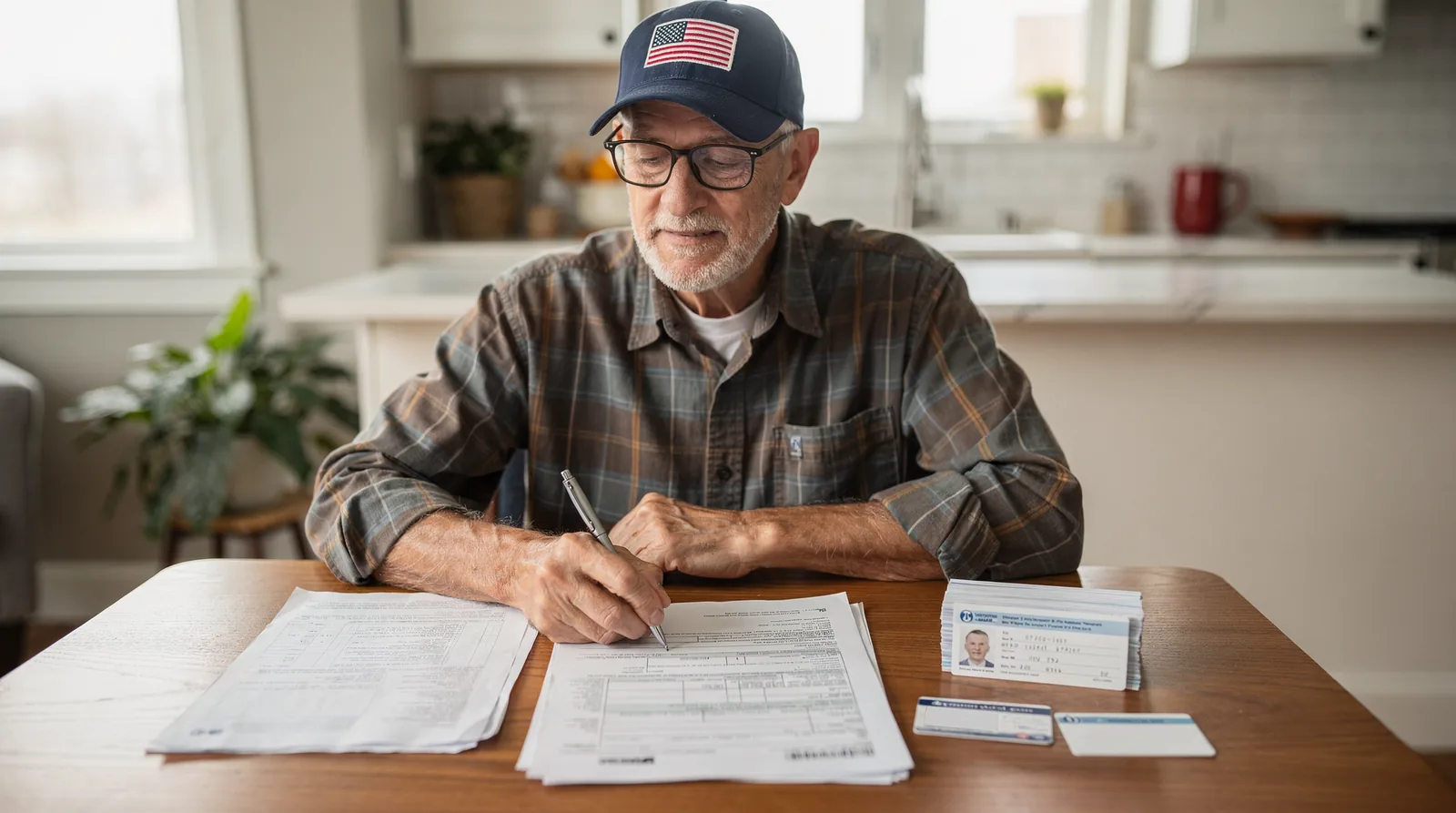
Medicaid, veterans benefits, and the PACE program dementia care option cover memory care costs after private funds and Medicare coverage fall short. Families facing dementia care costs without long-term care insurance often turn to public programs once savings, pensions, or home equity get depleted. Government assistance stands as its own distinct category of support, separate from insurance or personal assets, and understanding it early prevents a financial crisis later.
Medicaid for Alzheimer's care functions differently than Medicare. Medicare remains the primary health coverage source for most adults age 65 and older, but it focuses on medical treatment rather than the custodial, day-to-day support memory care requires. Medicaid, by contrast, can extend to cover long-term residential care once a family meets income and asset requirements. This distinction matters enormously for adult children trying to map out paying for Alzheimer's care without insurance.
Public programs families commonly rely on include:
- Medicaid, for long-term residential and custodial care coverage
- Supplemental Security Income (SSI), for additional monthly income support
- Veterans benefits, including programs designed for former service members and surviving spouses
Does the VA Aid and Attendance benefit help pay for memory care?
The VA Aid and Attendance benefit falls under the veterans benefits category families use when private funds run low. It represents one of the public program options alongside Medicaid and SSI that households combine to afford full-time memory care. Exploring eligibility early gives families more options and less financial pressure later.
Who can help a family sort through these programs?
Navigating Medicaid, SSI, and VA benefits rarely feels simple during a new diagnosis. Braley Care Homes' leadership brings recognized, dementia-specific expertise to these conversations. Chris Braley earned the Achievement Award from AGE-u-cate for his work as a Dementia Live Coach, giving families a knowledgeable partner while they weigh long-term care without insurance and figure out how to afford memory care.
How Do Families Combine Payment Sources Successfully?
Successful families rarely rely on one payment source alone. Blending private funds with public benefits builds a stronger foundation for paying for Alzheimer's care without insurance. No single program typically covers the full scope of dementia care costs. Pension income, personal savings, and home equity often pair with Medicaid or Social Security disability payments to close the gap. This layered approach reflects the reality that most families combine private funding sources with income from publicly funded benefit programs when figuring out how to pay for memory care.
Community support services round out this financial picture. Adult day programs, transportation assistance, and local respite services stretch a family's budget further, reducing the daily burden that drives up overall costs. These resources rarely replace paid care outright, but they lower the number of paid hours a family needs to cover.
What role does a social worker play in financial planning?
A Licensed Clinical Social Worker helps families sort through the emotional and logistical sides of care planning alongside financial decisions. This staff member connects families to benefit programs, explains eligibility timelines, and coordinates paperwork that often overwhelms new caregivers.
Where should families start when combining funding sources?
Start with a clear inventory of available resources before applying for any program. Consider the following order:
- Review personal assets, retirement income, and existing insurance coverage.
- Apply for applicable public benefits, including disability or veteran programs.
- Identify community support services that offset daily costs.
- Consult a Licensed Clinical Social Worker to align care needs with funding realities.
Families facing these decisions can call Braley Care Homes directly at 304-767-4033 for referrals. Inquiries while working through funding questions.
What Mistakes Delay Alzheimer's Care Funding?
Delayed action, not lack of options, causes most families to miss out on paying for Alzheimer's care without insurance. Families stretched paycheck to paycheck frequently assume memory care sits permanently out of reach. They never apply for programs that could offset dementia care costs. That assumption costs valuable time. Waiting also creates real safety risk: a parent left alone during the day faces falls, wandering, and missed medication while relatives search for how to afford memory care.
Common funding mistakes include:
- Assuming income is too low to qualify for any assistance before checking eligibility.
- Postponing applications until a crisis forces an immediate placement decision.
- Overlooking specialized memory care facilities while researching only general senior housing.
- Failing to research Medicaid for Alzheimer's care early, since approval timelines can be lengthy.
Dementia rarely progresses on a predictable schedule. Many families report the disease worsening suddenly, leaving no time to compare financing routes or tour communities. A free-standing facility built specifically for Alzheimer's. Dementia gives families a specialized option to research and budget around well before an emergency hits.
Why Does Waiting Make Memory Care Harder to Afford?
Delayed planning shrinks the list of available placement options as a resident's needs intensify. Facilities equipped for advanced dementia symptoms often have limited openings. Financing applications submitted under pressure leave little room to compare Medicaid, veterans' benefits, or other support before a decision is required.
FAQ
What documents should families gather before seeking payment options?
Families need power of attorney and healthcare proxy paperwork, bank statements, pension records, property deeds, insurance policies, veteran discharge papers, and a list of monthly income and expenses.
Should families use only one source to pay for Alzheimer's care?
No, most families combine private funds like savings or home equity with public programs such as Medicaid or veterans benefits. One source rarely covers full costs.
What personal assets typically pay for memory care first?
Pensions, home equity, Social Security retirement or disability benefits, and life insurance policies serve as the first line of payment before families apply for Medicaid or other public assistance.
Facts
- Chris Braley has a bachelor's and Master's degree in social work and is an LICSW (licensed independent clinical social worker).
- Braley Care Homes provides 24/7 caring, highly trained staff including nurse aids, AMAPs, Licensed Practical Nurses, Registered Nurses, Licensed Clinical Social Workers, and an activity coordinator.
- Braley Care Homes serves Hurricane, WV, Huntington, WV, and Charleston, WV.
- Chris Braley received the Achievement Award from AGE-u-cate for his work as a Dementia Live Coach.

Our clinic largest private mental health partnership, with a carefully selected nationwide team of Psychiatrists.
KEEP IN TOUCH.


CONTACT US
Location:
Braley Care Homes
6192 US 60
Hurricane, WV 25526
Phone Numbers:
Referrals and Inquiries: (304) 767-4033
Facility Phone: (304) 201-3677
Facility Fax: (304) 201-3678
AREAS WE SERVE
BUSINESS HOURS
Monday
9:00am – 6:30pm
Tuesday
9:00am – 6:30pm
Wednesday
9:00am – 6:30pm
Thursday
9:00am – 6:30pm
Friday
9:00am – 6:30pm
KEEP IN TOUCH.
CONTACT US
Location:
Braley Care Homes
6192 US-60
Hurricane, WV 25526
Phone Numbers:
Referrals and Inquiries: (304) 767-4033
Facility Phone: (304) 201-3677
Facility Fax: (304) 201-3678
AREAS WE SERVE
BUSINESS HOURS
Monday
9:00am – 6:30pm
Tuesday
9:00am – 6:30pm
Wednesday
9:00am – 6:30pm
Thursday
9:00am – 6:30pm
Friday
9:00am – 6:30pm