Visit us: Mon - Fri: 9:00 - 18:30
Braley Care Homes 6192 US 60 Hurricane, WV 25526

Resources
Transitioning a Loved One: Memory Care Facility Guide
Step-by-Step Guide to Transitioning Your Loved One Into a Memory Care Facility
Moving a loved one into a memory care facility is a major life step that requires clear planning, compassionate communication, and realistic expectations. This guide explains the transition process from recognizing signs that specialized memory care is needed to making move-in day as calm as possible, integrating practical checklists and communication scripts you can use immediately. You will learn how to evaluate facilities, prepare legal and medical documents, pack and personalize a room, and support adjustment during the first days and weeks. The article also offers strategies for reducing caregiver burnout and maintaining strong family engagement while ensuring safety and dignity for the person with dementia. Throughout, we include actionable lists, EAV-style tables for quick comparison, and a factual local example describing touring and assessment at Braley Care Homes Inc. in Hurricane, WV to illustrate best practices and next steps.
What Are the Key Signs That Indicate It’s Time for Memory Care?
Memory care becomes appropriate when cognitive decline or behavioral changes create safety risks, reduce independence, or overwhelm family caregivers. These signs reflect a shift from home-based support to an environment with structured routines, medication management, and trained staff for dementia-specific needs. Identifying objective indicators helps families make an earlier, less crisis-driven transition that preserves dignity and improves daily quality of life. The next paragraphs list specific cognitive and behavioral signals, describe caregiver stress as a decision factor, and summarize how dementia progression changes care requirements.
What Cognitive and Behavioral Changes Signal the Need for Memory Care?
Cognitive and behavioral changes that commonly indicate memory care are persistent memory loss, disorientation to time and place, sundowning (increased confusion in late afternoon/evening), and wandering that places the person at risk. These symptoms often lead to missed medications, unsafe cooking or driving, poor hygiene, and financial errors that threaten health and security. Early recognition of these patterns allows families to prioritize safety evaluations and professional assessments. For many families, documenting specific incidents—missed medication doses, unaccounted time outside the home, or repeated safety lapses—helps clinicians and care teams determine appropriate next steps.
Common objective signs to watch for: Repeated missed medications or inability to follow simple dosing schedules.Getting lost in familiar places or repeated disorientation at home.Noticeable decline in personal care, grooming, or household management.Increased episodes of agitation, paranoia, or wandering behavior.
These concrete signs support conversations with medical providers and next actions to improve safety and care planning.
How Can Caregiver Stress and Burnout Affect the Decision to Transition?

Caregiver burnout is a major driver for considering memory care because chronic stress undermines both caregiver health and the quality of home-based care. Symptoms include persistent fatigue, sleep disruption, irritability, social withdrawal, and declining physical health; these changes reduce a caregiver’s ability to respond effectively to complex daily needs. When family members can no longer safely meet ADL (activities of daily living) needs or when caregiving compromises relationships, formal memory care can restore stability and structured support. Recognizing burnout as a legitimate reason to seek placement allows families to prioritize sustainable care solutions without guilt.
Research indicates that caregiver perspectives are a significant factor in the decision-making process for transitioning a loved one to assisted living or memory care.
Caregiver Views on Assisted Living and Memory Care Transitions
Caregiver perspectives on transitions to assisted living and memory care
Signs of burnout: exhaustion, mood changes, frequent illness.
Impact: reduced supervision, medication errors, strained relationships.
Action: consult clinicians, seek respite, evaluate memory care options.
These steps lead naturally to conversations about how dementia progresses and why facility-based care may become necessary.
How Does Dementia Progress and Impact Daily Living?
Dementia typically moves through stages—mild, moderate, and severe—each with distinct effects on memory, judgment, communication, and ability to perform daily tasks. In mild stages, individuals may need reminders and help with complex tasks; in moderate stages they often require assistance with bathing, dressing, and medication management; in severe stages they require near-constant supervision for safety and personal care. The stage-based understanding helps families anticipate care needs, plan legal and financial steps, and tailor activities and routines. Recognizing this progression clarifies why specialized staff training and secure environments become increasingly important as needs change.
How Do You Talk to Your Loved One About Moving to Memory Care?
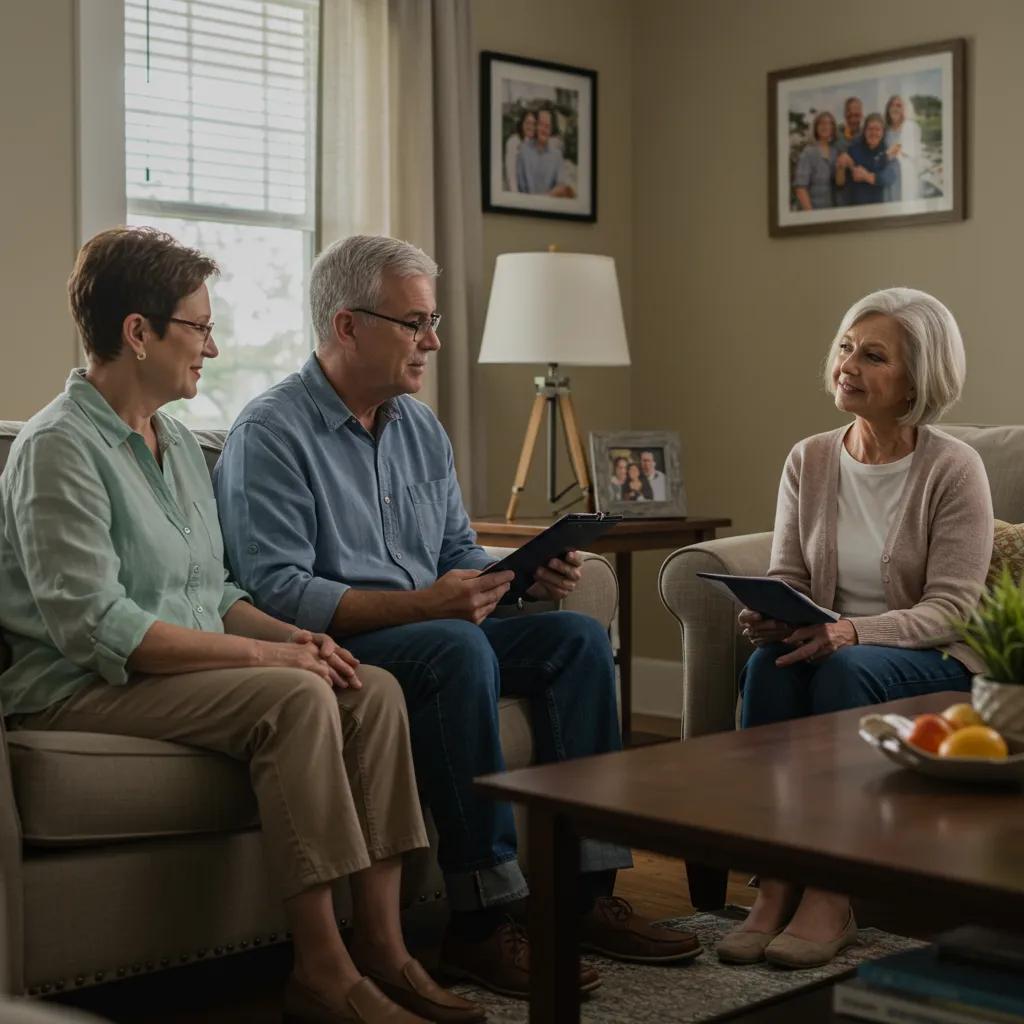
A compassionate, planned approach to the conversation reduces resistance and preserves dignity while aligning family expectations with clinical recommendations. Begin by defining the goal: improving daily safety, social engagement, and health through supportive routines and dementia-focused care. Communication should be person-centered—simple, respectful, and offered at a calm time of day—with the intention of reducing anxiety rather than persuading. The following subsections provide practical opening phrases and describe how clinicians and family members can support a constructive discussion.
What Are Compassionate Ways to Initiate the Conversation?
Initiate the conversation by expressing care and concern using brief, empathetic language and by focusing on specific examples rather than abstract judgments. Example opening lines include: "I’ve noticed you’ve seemed more confused lately and I worry about your safety," and "I want to make sure you have help with medications and activities you enjoy." Choose a quiet, familiar setting and limit the initial talk to one main point to avoid overwhelming the person. Closing the conversation by offering a next step—such as a medical checkup or a visit to a familiar facility—keeps the focus on practical safety and support.
Practical tips for initiating dialogue: Use “I” statements to lower defensiveness.Keep sentences short and calm.Offer tangible solutions, not ultimatums.
These approaches set the stage for involving medical and social work professionals in the discussion.
How Can Family and Medical Professionals Support This Discussion?
Including clinicians, social workers, or a trusted primary care provider can validate concerns and provide objective recommendations, which often eases family disagreements. Professionals can supply cognitive testing results, safety assessments, and written notes that clarify the medical need for higher-level care. Family meetings that include a neutral clinician or LICSW-trained professional can structure the conversation, document decisions, and outline next steps such as home safety changes or facility tours. Having professional support present also helps translate medical findings into practical care pathways that family members can accept and implement.
The experience of moving a loved one to a long-term care facility is often complex for families, highlighting the need for professional support and clear communication.
Family Experiences Moving Loved Ones to Long-Term Care
Understanding the experience of moving a loved one to a long-term care facility: Family members' perspectives
Who to involve: primary care clinician, neurologist, licensed social worker.
How they help: provide assessments, documentation, mediation.
Next step: request a formal safety and memory assessment.
This collaboration naturally leads into how to evaluate and choose an appropriate memory care facility.
How Do You Choose the Right Memory Care Facility for Your Loved One?
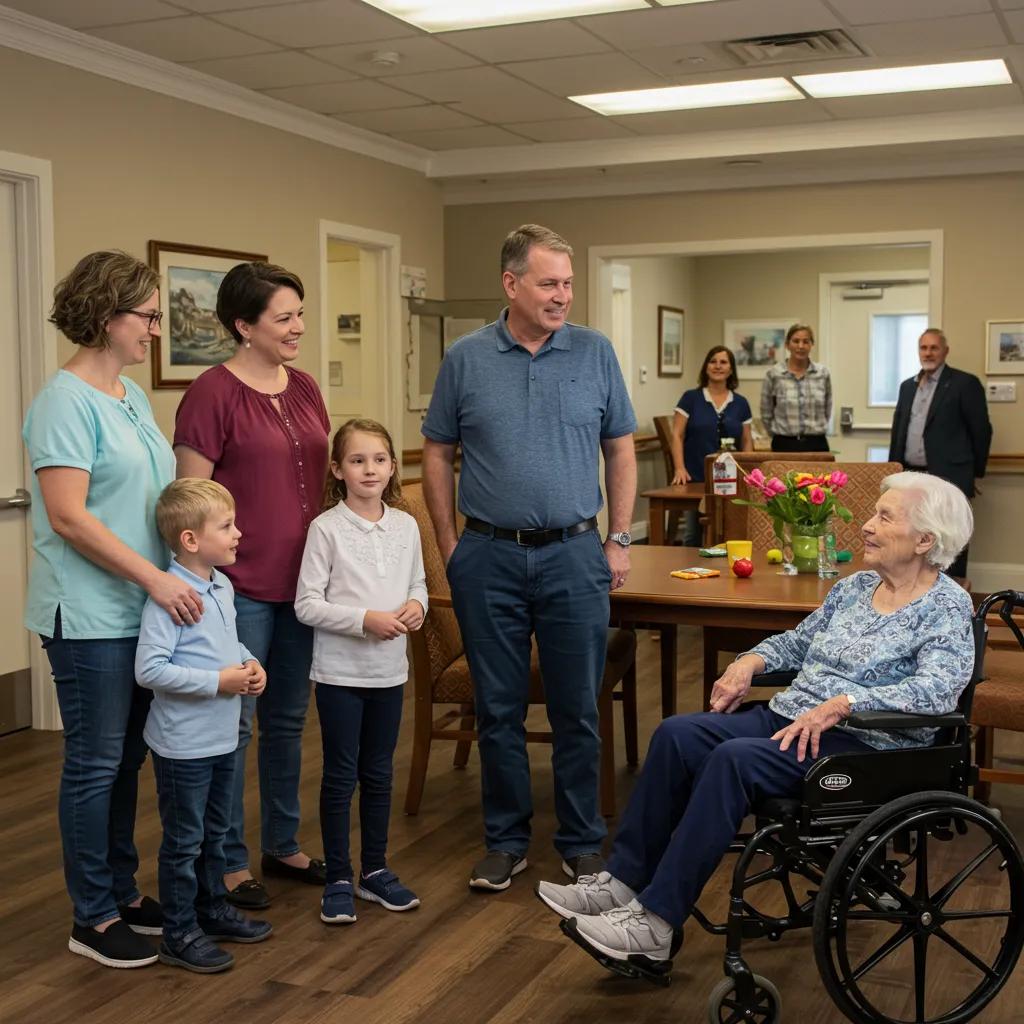
Choosing the right memory care setting requires a clear evaluation framework that balances clinical needs, safety features, staff training, programming, and environment. Start by prioritizing what matters most for your loved one—secure wandering prevention, individualized activities, medication management, or a home-like environment—and then use a checklist during tours to compare facilities objectively. Observing staff interactions, daily routines, safety measures, and resident engagement provides essential evidence beyond glossy brochures. Below is a practical checklist you can use and an EAV-style table to compare facility features during tours.
Before the checklist, here are top evaluation questions to ask:
Staff training and ratios: How is dementia-specific training delivered and tracked?
Safety features: What measures prevent wandering and support orientation?
Programs and routines: Are activities individualized and meaningful?
These priorities help families narrow their search and spot red flags during visits.
Facility Evaluation — What Should Be Included in a Memory Care Facility Checklist?
FeatureWhat to Ask During a TourExpected StandardStaff trainingAsk how often staff receive dementia-specific training and who provides itRegular, documented training with dementia care techniquesSafety and securityAsk about wandering prevention, door alarms, and secure outdoor accessSecure exits, monitored access, clearly posted policiesActivities programAsk how activities are personalized and how participation is encouragedIndividualized, daily activities with therapeutic optionsMedication managementAsk how meds are stored, administered, and reviewedLicensed oversight, documented MARs, regular review with physician
This comparison clarifies which facilities meet core safety and quality expectations. The next section describes what a typical touring and assessment process looks like using a local example.
What Is the Touring and Assessment Process at Braley Care Homes?
A focused tour and assessment prioritize seeing the living space, meeting staff, and observing daily routines in a small, home-like setting. At Braley Care Homes Inc. in Hurricane, WV—known as a 16-bed, free-standing home built specifically for Alzheimer’s and dementia care—families can expect a structured assessment led by trained staff that evaluates medical needs, activities of daily living, and behavioral patterns. The facility emphasizes a family-centered approach with free assessments and individualized activities, and staff roles include clinically trained leadership such as a Licensed Independent Clinical Social Worker. During a tour, observe resident engagement, staff-resident interactions, and whether the environment feels safe and familiar.
What to observe on a tour: Warm, home-like spaces and small group activities.Staff who can describe individualized care plans and routines.Clear procedures for admissions and care assessments.
This local example illustrates how a specialized, small memory care home structures evaluation and next steps for placement.
What Are the Essential Steps for Pre-Admission Planning and Preparation?
Pre-admission planning organizes medical, legal, financial, and personal tasks to minimize last-minute stress and ensure continuity of care. Start with gathering essential documents, scheduling physician orders and medication lists, and preparing a realistic timeline for the move. Concurrently, create a room personalization plan and an inventory of approved personal items to bring on move-in day. The sections below detail which legal and financial documents to assemble and what to pack for a memory care move, including an EAV-style table to make document tracking simple.
Which Legal and Financial Documents Are Needed Before Admission?
Gathering key documents before admission prevents delays and clarifies decision-making authority. Essential items include power of attorney and advance directives, current insurance and benefits information, recent medical records and medication lists, and bank or bill-pay instructions for ongoing financial management. The table below uses an EAV-style layout to show each document, its purpose, and where to obtain or note it—useful for organizing a binder or digital folder to bring to assessments and admissions.
DocumentPurposeWhere/How to Obtain / NotesPower of Attorney (POA)Authorizes a decision-maker for financial mattersLegal counsel or preexisting estate documents; ensure notarization if requiredAdvance directive / Living willStates healthcare wishes and decision-maker for medical choicesPhysician or legal advisor, often completed with clinician inputMedication listDetails current prescriptions, doses, and prescribersObtain from primary care or pharmacy; update immediately before admissionInsurance & benefits infoDetermines coverage and payment sourcesContact insurer or benefits administrator; bring card numbers and policy details
Understanding the nuances of transitioning residents from assisted living to memory care units, as explored through administrator perspectives, can inform pre-admission planning.
Dementia Transition: Assisted Living to Memory Care Perspectives
Purpose:This study examines transitioning residents with Alzheimer’s disease or a related disorder (ADRD) from assisted living facilities (ALFs) to memory care units (MCUs) from the perspective of 3 ALF organizational models: freestanding ALFs, ALFs with MCUs, and ALFs in continuing care retirement communities (CCRCs) with MCUs.Design and Methods:In-depth interviews were conducted with 37 ALF administrators, representing the 3 ALF types. Grounded theory identified major themes. Thematic analysis organized content. The constant comparison method compared themes among ALF types.Results:Administrators in freestanding ALFs were notably more likely to discuss transfer policies on admission. CCRC
Quick steps after assembling documents: Make copies for the facility and clinicians.Confirm physician orders and medication reconciliation.Schedule a pre-admission meeting to review the care plan.
Braley Care Homes offers a free care assessment and a downloadable checklist families can request during the planning process to streamline documentation and reduce stress before move-in.
What Should You Pack for a Memory Care Move?
Packing for memory care emphasizes familiar, comforting items that reduce anxiety while avoiding hazards or excessive valuables. Include a small selection of favorite clothing, comfortable slippers, toiletries with labels, a few framed photos, a familiar blanket, and any approved assistive devices. Avoid loose cords, high-value jewelry, and complex electronics that may cause confusion; label clothing and items clearly with the resident’s name. Prepare a small bedside bag with essentials for the first 24–48 hours and leave unpacking to staff if the move is likely to be overwhelming.
Suggested packing checklist: Comfortable clothing (seasonal), labeled.Personal hygiene items in easy-to-use containers.Two favorite photos and one treasured small keepsake.Medication list and recent medical records for admission staff.
These packing choices support an easier orientation to the new environment and help staff create a familiar, safe space quickly.
How Can You Make Moving Day Smooth and Comfortable?
Moving day should be intentionally paced with quiet transitions, minimal stimulation, and a familiar handoff to staff who will continue comforting routines. Plan logistics in advance—arrival time, staff point person, and a prioritized list of items to unpack first—so the day focuses on orientation rather than finishing tasks. Keep the person’s schedule as consistent as possible, incorporate favorite snacks and music, and limit the number of visitors during the first hours. Practical preparation and a calm environment reduce agitation and help staff begin building trust immediately.
What Are Effective Ways to Ease the Transition on Moving Day?
Effective tactics for moving day include scheduling the move for a time of day when the person is typically calm, bringing one caregiver to provide continuity, and introducing the primary staff member who will manage daily care. Keep activities low-stimulation: short orientation to the room, a brief walk of the shared areas, and a quiet sit-down with a familiar object like a blanket or photo. Coordinate with facility staff to review immediate care needs, medications, and sleep routines so the initial 24–48 hours are consistent with prior patterns. These steps create a warm handoff rather than a disruptive relocation.
Timing: choose a low-energy part of the day.
Familiar object: bring one or two meaningful items.
Staff introduction: meet the primary caregiver and nurse.
The calm structure of arrival paves the way for room personalization and ongoing adjustment.
How Do You Personalize Your Loved One’s New Memory Care Home?
Personalization supports identity and comfort by arranging photos, favorite textiles, and small keepsakes in consistent, visible places while following safety rules. Place one or two framed photos, a favorite quilt or pillow, and familiar sensory items—such as a soft scarf or a preferred music playlist—that cue recognition and positive memories. Work with staff to ensure items are safe (no loose cords or small choking hazards) and accessible for staff to help with cleaning and laundering. Balanced personalization preserves dignity, aids memory recall, and helps staff maintain routines without creating safety risks.
Practical personalization tips: Use large, clear photos rather than many small pictures.Select non-breakable frames and label items discreetly.Coordinate with staff on where personal items should remain for easy access.
These personalization practices encourage engagement and a sense of continuity between the old home and the new living environment.
What Should You Expect During the First Days and Weeks in Memory Care?
Adjustment after placement typically follows a predictable pattern of emotional and behavioral reactions that staff can anticipate and manage with individualized support. Expect fluctuation in mood, sleep, appetite, and engagement as the person responds to a new environment and routine; staff interventions and family visits that emphasize consistency accelerate settling. The timeline varies, but clear expectations, routine-building, and therapeutic activities reduce anxiety and foster social connection. The next subsections map typical adjustment timeframes and present strategies families and staff can use to support settling.
How Long Does It Typically Take to Adjust to a Memory Care Facility?
Adjustment commonly takes about four to six weeks but can range from a few weeks to several months depending on cognitive stage, prior routines, and social support. In the first 48 hours many individuals may be disoriented or tired; the first two weeks often show variable engagement and mood changes; by weeks four to six routines, sleep, and participation typically stabilize for many residents. The table below maps timeframes to common reactions and staff actions to provide a practical roadmap for families and care teams.
TimeframeCommon ReactionsStaff ActionsFirst 48 hoursDisorientation, fatigue, withdrawalGentle orientation, medication review, private rest timeFirst 2 weeksMood swings, sleep pattern shifts, variable appetiteEstablish routines, personalized activities, family support callsWeeks 4–6Increased engagement, improved sleep consistencyStrengthen activity plans, ongoing care plan review2–3 monthsStabilized routines and social connections for manyLong-term care goals, periodic reassessment
What Strategies Help Loved Ones Settle and Reduce Anxiety?
Routine, sensory cues, and personalized activities are central strategies for easing anxiety and promoting engagement in early weeks. Establish consistent wake/sleep and mealtime schedules, use favorite music or photos during visiting times, and encourage short visits that focus on familiar stories or activities rather than corrective conversation. Therapeutic approaches such as gentle exercise, pet therapy, and small-group activities help create predictable social opportunities that match the resident’s current abilities. Coordinating these strategies between family and staff creates a coherent environment that reduces confusion and supports well-being.
Effective settling strategies: Create a predictable daily schedule and communicate it to visitors.Integrate sensory cues—music, scent, photos—linked to positive memories.Encourage brief, focused visits that prioritize presence over instruction.
These tactics combine to shorten distress periods and promote a sense of continuity and safety.
How Can Families Stay Connected and Support Ongoing Engagement?
Sustained family involvement supports emotional well-being and complements facility care by providing identity cues and continuity of relationships. Plan visit frequency and content intentionally—short, meaningful visits focused on shared stories, music, or photos are often more effective than long, directive conversations. Use structured communication with staff through scheduled updates, care conferences, and family meetings to stay informed about changes in the care plan and to collaborate on activity choices. The following subsections describe practical visit practices and how a memory care provider can partner with families for continued care.
What Are Best Practices for Maintaining Family Visits and Communication?
Meaningful visits center on connection, familiarity, and routine rather than lengthy problem-solving or correcting memory lapses. Prepare a short visit plan—bring one topic or activity, avoid quizzing or testing memory, and use gentle prompts to encourage reminiscing. Schedule regular touchpoints with staff for brief updates and use written notes about favorite topics or triggers that staff can use during activities. For families at a distance, request periodic phone or staff-facilitated video updates to maintain involvement and consistency with the resident’s routine.
Quality over quantity: plan short, focused visits.
Bring sensory cues: music, photos, favorite snacks if allowed.
Coordinate with staff: set regular update times and share preferences.
These practices enhance emotional connection and provide staff with helpful cues for personalized engagement.
How Does Braley Care Homes Partner with Families for Continued Care?
Braley Care Homes Inc. emphasizes a family-centered approach that includes free assessments, individualized activity planning, and regular communication between staff and families. As a 16-bed, free-standing memory care home in Hurricane, WV, Braley focuses on home-like environments and trained, compassionate staff whose roles include clinical oversight by a Licensed Independent Clinical Social Worker. Families can expect involvement in care planning, updates on behavioral or medical changes, and invitations to participate in celebrations and activities that reinforce social connection. This partnership supports continuity of care and helps families remain active collaborators in their loved one’s daily life.
Family partnership features at Braley: Free initial care assessments and individualized care plans.Family involvement in activity selection and celebrations.Clinically informed staff engagement with transparent communication.
This local example demonstrates how small, specialized memory care settings can integrate family-centered practices into daily care.
Frequently Asked Questions
What should I consider when visiting a memory care facility?
When visiting a memory care facility, focus on the environment, staff interactions, and resident engagement. Observe how staff members interact with residents and whether they seem attentive and compassionate. Check for safety features, such as secure exits and clear signage. Additionally, assess the activities offered to ensure they are meaningful and tailored to residents' needs. Take note of the overall atmosphere—does it feel welcoming and home-like? These observations will help you gauge if the facility aligns with your loved one's needs and preferences.
How can I prepare my loved one for the move to a memory care facility?
Preparing your loved one for a move to a memory care facility involves open communication and gradual acclimatization. Start by discussing the move in a calm and reassuring manner, emphasizing the benefits of the new environment. Involve them in the process by allowing them to choose personal items to bring, which can help create a sense of ownership. Familiarize them with the facility through visits, if possible, and introduce them to staff members. This preparation can ease anxiety and foster a smoother transition.
What role do family members play in the adjustment process after the move?
Family members play a crucial role in supporting their loved one's adjustment to a memory care facility. Regular visits can provide emotional support and continuity, helping to ease feelings of loss or confusion. Engaging in familiar activities, such as sharing stories or listening to favorite music, can create a comforting atmosphere. Additionally, maintaining open communication with staff about your loved one's preferences and behaviors can help tailor care to their needs, ensuring a smoother transition and fostering a sense of belonging.
How can I ensure my loved one's care needs are met in a memory care facility?
To ensure your loved one's care needs are met, maintain open communication with the facility's staff. Schedule regular meetings to discuss care plans, progress, and any concerns. Familiarize yourself with the staff's qualifications and training in dementia care, as well as the facility's policies on medication management and safety protocols. Additionally, advocate for your loved one by sharing their preferences and routines, which can help staff provide personalized care that aligns with their needs and enhances their quality of life.
What are some common challenges families face during the transition to memory care?
Families often face emotional challenges during the transition to memory care, including feelings of guilt, sadness, and anxiety about their loved one's well-being. There may also be practical challenges, such as navigating the logistics of the move and ensuring all necessary documents are in order. Additionally, families might struggle with adjusting to new routines and maintaining connections with their loved ones. Seeking support from professionals, such as social workers or support groups, can help families cope with these challenges and facilitate a smoother transition.
How can I stay involved in my loved one's care after the move?
Staying involved in your loved one's care after the move is essential for maintaining emotional connections and ensuring their needs are met. Regular visits, phone calls, or video chats can help you stay engaged. Participate in care planning meetings and communicate openly with staff about your loved one's preferences and any changes in behavior. Additionally, consider joining family support groups offered by the facility, which can provide valuable resources and foster connections with other families facing similar experiences.

Our clinic largest private mental health partnership, with a carefully selected nationwide team of Psychiatrists.
KEEP IN TOUCH.


CONTACT US
Location:
Braley Care Homes
6192 US 60
Hurricane, WV 25526
Phone Numbers:
Referrals and Inquiries: (304) 767-4033
Facility Phone: (304) 201-3677
Facility Fax: (304) 201-3678
AREAS WE SERVE
BUSINESS HOURS
Monday
9:00am – 6:30pm
Tuesday
9:00am – 6:30pm
Wednesday
9:00am – 6:30pm
Thursday
9:00am – 6:30pm
Friday
9:00am – 6:30pm
KEEP IN TOUCH.
CONTACT US
Location:
Braley Care Homes
6192 US-60
Hurricane, WV 25526
Phone Numbers:
Referrals and Inquiries: (304) 767-4033
Facility Phone: (304) 201-3677
Facility Fax: (304) 201-3678
AREAS WE SERVE
BUSINESS HOURS
Monday
9:00am – 6:30pm
Tuesday
9:00am – 6:30pm
Wednesday
9:00am – 6:30pm
Thursday
9:00am – 6:30pm
Friday
9:00am – 6:30pm