Visit us: Mon - Fri: 9:00 - 18:30
Braley Care Homes 6192 US 60 Hurricane, WV 25526

Resources
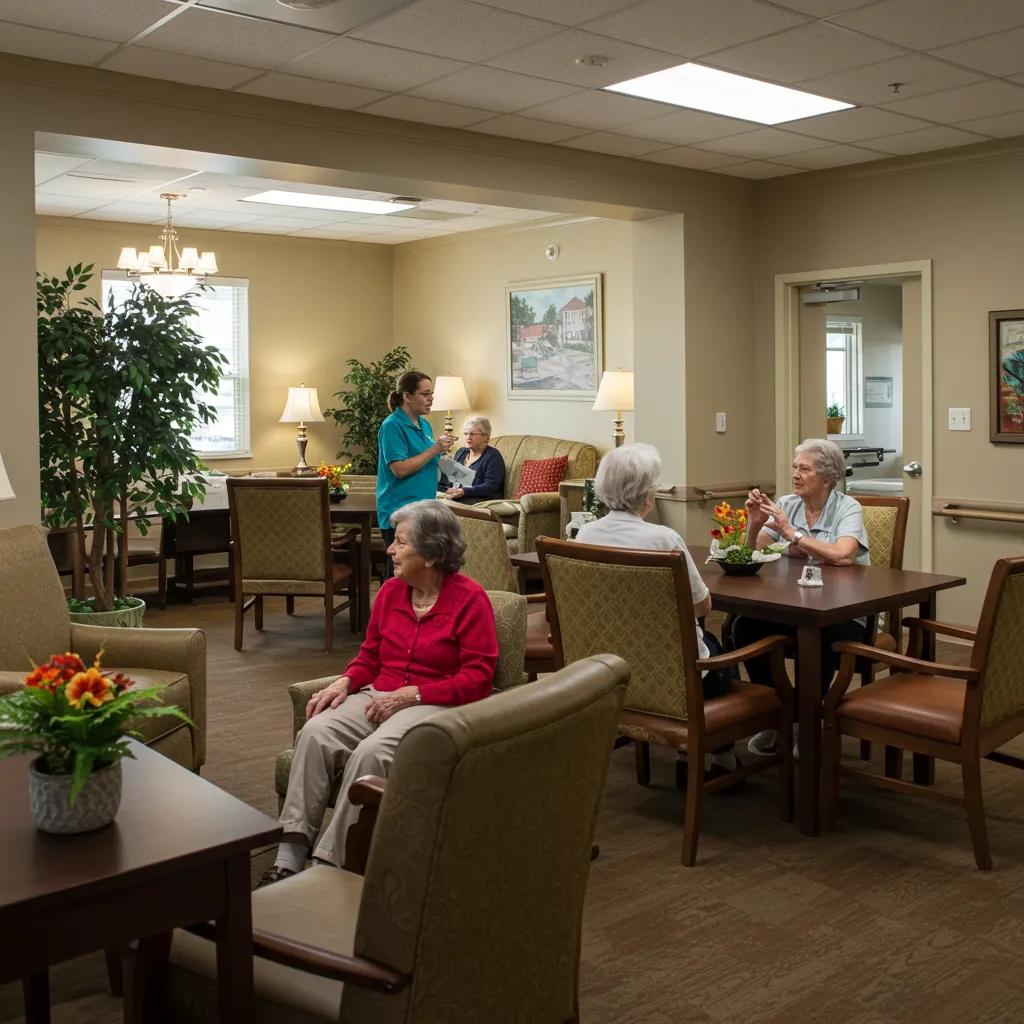
Understanding the Key Factors Impacting Memory Care Service Costs in West Virginia
memory care costs West VirginiaUnderstanding Memory Care Costs in West Virginia: Key Factors Impacting Pricing and Financial Assistance
Memory care costs reflect the services, supervision, and environment required to safely support people with Alzheimer’s disease, dementia, and related memory impairments. This article explains how those costs are calculated in West Virginia, why prices vary by need and location, and where families can turn for financial help and planning in 2025. You will learn statewide and city-level averages, the principal cost drivers (staffing, facility type, specialized programming), and practical funding paths including Medicaid waivers, veterans benefits, and long-term care insurance. The guide also compares memory care to assisted living and nursing homes, outlines actionable steps families can take to estimate and plan for expenses, and shows how a dedicated, home-like provider model maps to price and value. Read on for city tables, cost-driver breakdowns, program comparisons, checklists for visits, and specific guidance on working with Braley Care Homes Inc. to clarify pricing and next steps.
What Are the Average Memory Care Costs in West Virginia in 2025?
Memory care in West Virginia typically carries a monthly cost that reflects specialized staffing, secure environments, and dementia-focused programs. Current estimates place the statewide average monthly memory care cost near commonly observed national reporting levels for similar markets, while local city averages vary due to demand, labor costs, and provider density. The table below summarizes typical monthly averages and ranges for major West Virginia markets, helping families compare local price points and plan budgets. After the city-level snapshot, the next subsection compares West Virginia figures to national medians and then provides a local provider context that illustrates how a small, dedicated facility’s model maps to price.
How Do West Virginia Memory Care Costs Compare to National Averages?
West Virginia’s average memory care costs are generally modestly lower than metropolitan national medians, driven by differences in urbanization and local wage levels. National surveys often report higher medians in large metro areas where demand and operating expenses push prices up, while West Virginia’s mix of smaller cities and rural regions produces a broader range and slightly lower median. Key reasons for this variance include regional wage scales for licensed staff, differing property costs, and the concentration of specialized providers in larger markets — factors that directly affect local pricing models and available capacity.
What Are the Average Monthly Memory Care Costs by Major West Virginia Cities?
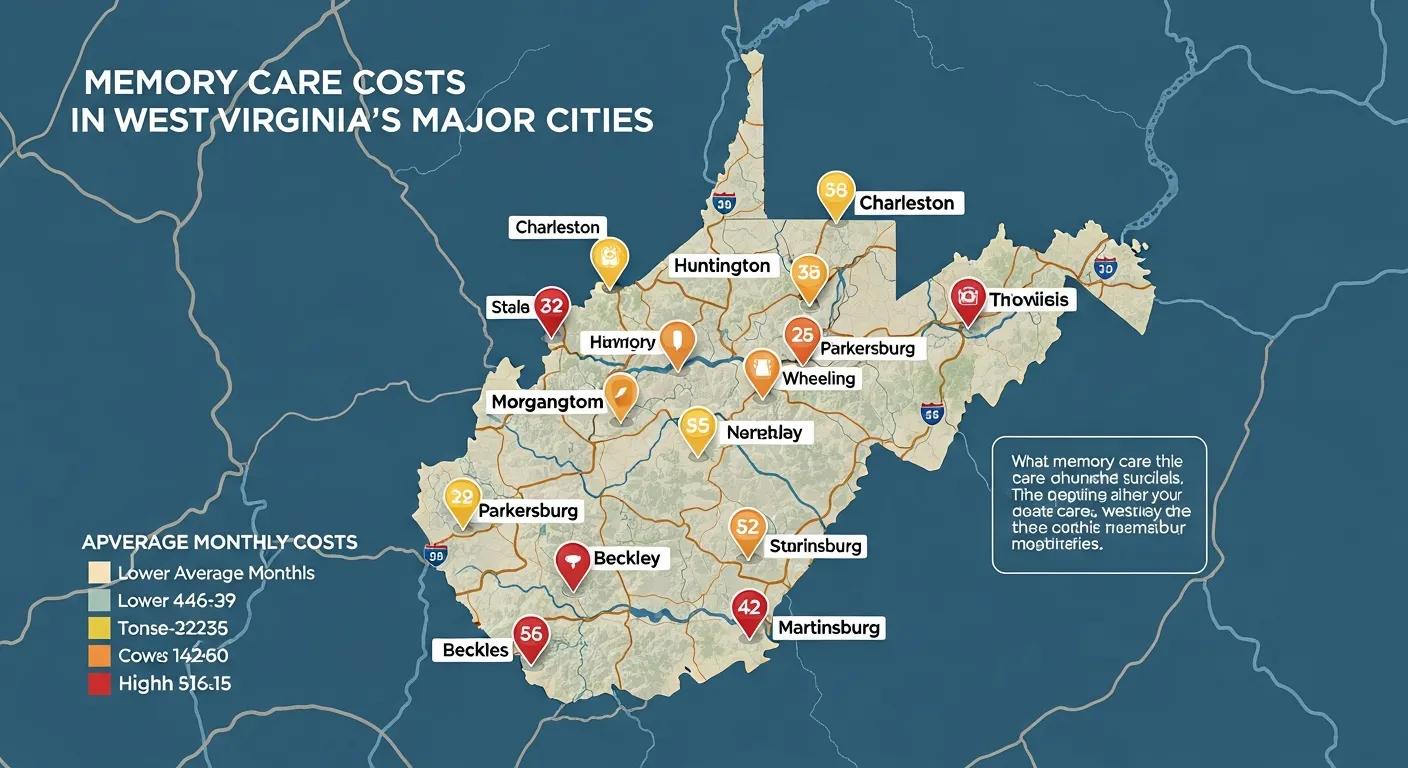
Below is a concise city-level comparison to illustrate variation across the state and support quick budgeting decisions. The table summarizes typical monthly averages and ranges for memory care in selected West Virginia cities, with short notes on market drivers like provider density and urban wages.
CityAverage Monthly CostTypical Range & NotesCharleston$5,808Urban demand; more provider options keep mid-range pricing.Huntington$5,095Moderate market with mixed public/private payor mix.Morgantown$6,000University town pressures higher prices due to wages.Wheeling$4,830Smaller market with fewer specialized homes; variable supply.Hurricane (Hurricane, WV area)$5,400Local market influenced by limited free-standing memory care options.
This table shows how urban centers and localized provider mixes produce measurable differences in monthly fees. Families should interpret averages as starting points and expect individualized assessment outcomes to determine exact monthly rates.
How Does Braley Care Homes’ Pricing Reflect Local Market Rates?
Braley Care Homes Inc. operates a 16-bed, free-standing Alzheimer’s and dementia care home in Hurricane, WV, offering a specialized, home-like environment that aligns with the higher-touch model of standalone memory care. Because the facility focuses exclusively on memory support with dedicated staff and programming, its pricing reflects the cost of continuous supervision, credentialed clinical oversight, and individualized activity planning. Families assessing Braley’s rates should view them as representative of specialized standalone homes: often slightly above the lowest local assisted living rates but aligned with the cost drivers that support improved outcomes and safety. To get a precise, personalized cost estimate, families can schedule a free assessment or tour to review what services are included and how individual needs affect placement pricing.
What Key Factors Influence Memory Care Service Costs in West Virginia?
Memory care pricing is driven by a set of repeatable, measurable factors that translate directly into operating costs and resident rates. The principal drivers include the resident’s level of care, the facility type and amenities offered, staffing ratios and training requirements, and geographic market differences such as urban wage scales and property costs. Understanding these mechanisms helps families predict how changes in needs or setting will change monthly fees and clarifies what investments deliver safety and quality.
How Does the Level of Care and Individual Needs Affect Memory Care Pricing?
The resident’s clinical complexity—measured by ADL assistance, cognitive-behavioral needs, and medical management—directly raises cost because it demands more staff time and clinical oversight. Residents requiring frequent assistance with eating, toileting, or mobility, or those with behavioral symptoms needing 1:1 support, typically incur higher monthly fees. Providers use structured assessments to assign care tiers, which then determine staffing and individualized service plans. Because those assessments guide staffing schedules and specialized interventions, they are the practical mechanism that converts clinical need into monthly cost.
How Do Facility Type and Amenities Impact Memory Care Costs?
Facility design and available amenities influence both quality and price: free-standing memory care homes, secure gardens, private rooms, and on-site therapies add operating costs that appear in monthly rates. Standalone homes tailored for dementia can be more expensive per bed due to specialized layouts, lower resident counts, and targeted program staffing, but they also often provide better outcomes through reduced environmental stressors. Amenities such as therapeutic activities, sensory spaces, or tailored dining programs increase cost but contribute to safety and quality of life, which many families value when comparing options.
Why Are Staffing Ratios and Specialized Training Important Cost Drivers?
Staff-to-resident ratios, the presence of licensed clinical staff, and ongoing dementia-specific training are among the largest labor cost components in memory care. Higher ratios and credentialed roles—such as RNs or social workers—raise payroll but reduce risks like falls and medication errors, improving resident stability. Ongoing training in behavior management and person-centered care requires recurring investment but directly influences outcomes and liability management. Providers that maintain these staffing investments reflect those costs in pricing, and families should weigh staffing quality as a primary value metric when comparing rates.
How Does Geographic Location Within West Virginia Affect Memory Care Prices?
Geography matters: urban centers typically command higher wages and property costs, while rural areas may have fewer specialized providers and thus more variable pricing or limited availability. Local Medicaid participation rates, the concentration of private-pay facilities, and regional labor markets all shape monthly fees. For families, this means that proximity to larger cities often buys access to more options but at a premium, while smaller towns may offer cost savings at the expense of limited specialized capacity and longer waitlists.
How Can Families Navigate Financial Assistance for Memory Care in West Virginia?

Navigating funding requires a clear map of federal, state, and private options and an action plan for eligibility verification and application. Common pathways include West Virginia Medicaid and the Aged and Disabled Waiver, veterans benefits such as Aid and Attendance, private long-term care insurance, and personal payment strategies. The following table summarizes major programs, what they typically cover, and practical eligibility notes so families can quickly identify which avenues merit follow-up.
ProgramWhat It CoversEligibility & Practical NotesWest Virginia Medicaid (Waivers)Personal care, in-home supports; waiver may cover some memory-care servicesWaiver programs often exclude room and board; applications require financial and clinical documentationVA Aid and AttendanceMonthly payments to eligible veterans/spouses to offset care costsRequires service documentation, medical proof of need, and income/asset reviewLong-Term Care InsurancePolicy-dependent coverage for memory care based on ADL triggersCoverage varies widely; families must review triggers and benefit limitsPrivate Pay & SavingsFull cost coverage for room, board, and servicesOffers immediate access but requires budgeting or asset strategies
This program comparison helps families prioritize applications and gather documents needed for each route. Providers and financial counselors can assist with eligibility checks and paperwork to accelerate approvals.
What Does West Virginia Medicaid Cover for Memory Care Services?
West Virginia Medicaid can cover many personal care and home- and community-based services through waiver programs, but room and board are often the family’s responsibility unless covered by another program. Waivers like the Aged and Disabled Waiver can authorize services such as personal care, respite, and some in-home supports when clinical need and financial eligibility are met. Application typically requires clinical assessments and financial documentation, and processing times can vary. Families should prepare assessments and seek provider assistance to ensure applications align with the required clinical evidence.
How Do Veterans Benefits Help Offset Memory Care Costs in West Virginia?
Veterans and surviving spouses may qualify for Aid and Attendance and related VA benefits that provide monthly payments to help cover care costs, including some expenses related to memory care. Eligibility depends on service history, documented medical need (such as ADL deficits), and income/assets thresholds; applications require detailed records and, in many cases, medical statements. Families can work with VA representatives or provider social workers to gather required paperwork and submit claims. Because benefit timelines can be lengthy, early application is recommended when veterans may qualify.
Can Long-Term Care Insurance and Private Pay Options Help with Memory Care Expenses?
Long-term care insurance can cover memory care depending on policy terms and trigger conditions, which commonly require a certified need for assistance with ADLs or cognitive impairment documentation. Policies vary substantially in benefit amounts, elimination periods, and inflation protection, so reviewing the contract early is crucial. Private pay — using savings, pensions, or other assets — covers the gap between program support and full costs but requires careful budgeting. Families may consider a mix of LTC insurance, VA benefits, and Medicaid planning to create a sustainable funding plan.
What State-Specific Programs Support Memory Care Financial Assistance in West Virginia?
West Virginia agencies like the Bureau of Senior Services and state waiver programs provide information, application support, and case management to help families access eligible benefits and local resources. State programs may offer counseling, caregiver respite, and referrals to community services that can reduce direct memory care costs or delay institutional placement. Practical next steps include contacting local aging services for screening and requesting waiver application assistance. Providers often support families by documenting clinical needs and supplying required assessments for applications.
What Are the Cost Differences Between Memory Care and Other Senior Care Options in West Virginia?
Memory care typically commands a premium over assisted living because it requires more staff time, specialized programming, secure layouts, and clinical oversight tailored to cognitive impairment. Compared with nursing homes, memory care focuses on dementia-specific supports rather than skilled nursing, producing different service mixes and payer patterns. Understanding the percentage differentials and service distinctions helps families choose care levels aligned with clinical needs and budget realities.
How Does Memory Care Compare to Assisted Living Costs in West Virginia?
Memory care generally costs about 15–25% more than assisted living in the same market because it includes higher staffing ratios, dementia-specific programming, and secure environments. Assisted living supports ADLs for residents with relatively lower supervision needs and often charges less when cognitive impairment is not the primary concern. Families should weigh whether clinical signs—such as wandering, behavioral changes, or increased supervision needs—make memory care clinically appropriate despite the premium. The clinical appropriateness determines both safety and cost-effectiveness.
What Are the Cost Variations Between Memory Care and Nursing Home Care?
Nursing homes provide skilled nursing and rehabilitation services and are often paid through Medicaid for eligible residents, whereas memory care specializes in dementia support and is most commonly privately paid or covered via waivers. Nursing home care can be costlier when skilled nursing is necessary, but for long-term dementia support, memory care may be preferred for its individualized programming and environment. Medicare generally does not cover long-term memory care beyond short skilled episodes, so families should plan funding accordingly.
What Makes Braley Care Homes’ Memory Care Services Unique and Valuable?
Braley Care Homes Inc. is positioned as West Virginia’s only free-standing Alzheimer’s and dementia care facility focused exclusively on memory support, offering a small 16-bed, home-like setting with specialized staff and programming. The facility model emphasizes continuous supervision, individualized activity planning, and a residential environment designed to reduce disorientation and promote dignity. Below we outline how that model affects quality and cost, the staff investments behind care, typical services included in pricing, and how families can arrange a free assessment and tour to learn specifics.
How Does a Specialized, Home-Like Environment Affect Care Quality and Cost?
A small, home-like environment reduces environmental stressors and supports familiar daily routines, which can lower agitation and improve quality of life for people with dementia. Operationally, smaller homes have higher per-resident staffing costs and facility maintenance expenses, which influences monthly pricing. The value proposition is better resident outcomes through individualized attention and a calming environment, which many families find worth a moderate premium. Understanding these trade-offs helps families evaluate whether the home-like model aligns with clinical goals and budget constraints.
Why Is Expert and Compassionate Staff Training a Key Factor in Pricing?
Staff credentials and ongoing dementia-specific training directly impact both safety and cost; licensed clinicians and trained caregivers reduce adverse events and improve behavioral management. Investment in regular training, clinical oversight, and activity programming requires recurring budget allocation that shows up in monthly rates. Roles such as licensed social workers and registered nurses help coordinate care plans and communicate with families, and those skill sets are integral to high-quality memory care. Families should ask about staff credentials and training frequency when comparing providers.
What Individualized Care and Activities Are Included in Braley Care Homes’ Pricing?
Braley Care Homes’ pricing typically covers individualized care planning, medication management, secure supervision, and activity programming tailored to cognitive levels. Typical activities include structured cognitive stimulation, music and reminiscence therapies, and routine-based daily living supports that promote engagement and reduce behavioral symptoms. These included services aim to minimize out-of-pocket surprise charges by bundling core supports into monthly rates. The bundled model clarifies what families can expect and how included services map to resident needs and outcomes.
How Can Families Schedule a Free Assessment and Tour to Understand Costs Better?
Scheduling a free assessment and tour gives families a detailed understanding of the facility’s care model, what services are included in pricing, and how individual needs determine final costs. During a visit, families should bring medical summaries, a list of medications, and notes on daily functioning so staff can provide a tailored estimate and care-plan outline. The assessment process typically covers clinical evaluation, discussion of goals, and transparent pricing explanation so families can compare options confidently. Interested families may contact Braley Care Homes Inc. to request an assessment or tour and discuss personalized placement planning.
What Are the Most Common Questions About Memory Care Costs in West Virginia?
This section answers concise, high-value questions families frequently ask when researching memory care: typical costs, Medicaid coverage, key cost drivers for Alzheimer’s care, and available financial assistance programs. Each short answer provides a direct response followed by brief clarifying bullets to support further research and decision-making.
How Much Does Memory Care Cost in West Virginia?
Average memory care costs in West Virginia vary by city but commonly fall in the mid–$4,000s to mid–$6,000s per month depending on services and setting. Individual assessments determine final rates because clinical needs, room type, and included services change pricing. Expect variance driven by staffing needs, private rooms versus shared, and additional clinical supports.
Memory care premiums reflect staffing and program intensity.
City-level averages help set initial budgets; individual quotes finalize costs.
Discussing specific needs with providers yields accurate monthly estimates.
Does Medicaid Cover Memory Care in West Virginia?
Medicaid in West Virginia can cover personal care and certain waiver-based memory care services but often does not pay for room and board in residential settings. Waiver programs may fund in-home or community supports when eligibility criteria are met, while institutional costs may require supplemental funding.
Waivers can cover service packages but usually exclude basic room/board.
Eligibility requires financial and clinical documentation.
Early application and provider help improve approval chances.
What Factors Affect the Cost of Alzheimer’s Care in West Virginia?
Several variables drive Alzheimer’s care costs: the severity of cognitive impairment, behavioral management needs, medication complexity, and required supervision levels. Each factor increases staff time, skilled oversight, or therapeutic programming and therefore raises the monthly rate.
Behavioral symptoms needing 1:1 supervision increase costs.
Complex medication regimens require licensed oversight and add expense.
Environmental security and specialized programming also raise fees.
Are There Financial Assistance Programs for Memory Care in West Virginia?
Yes—families can pursue Medicaid waivers, VA Aid and Attendance, long-term care insurance, and state-level supports through agencies like the Bureau of Senior Services. Each program has distinct eligibility criteria and coverage scopes, so coordinated planning improves access.
Medicaid waivers and state programs provide targeted service coverage.
VA benefits can offset private-pay costs for eligible veterans or spouses.
LTC insurance depends on policy terms and ADL triggers.
How Can Families Plan for Future Memory Care Costs in West Virginia?
Planning ahead reduces stress and ensures better alignment between clinical needs and funding sources. Effective strategies include tracking current expenses, engaging a financial counselor familiar with Medicaid and VA rules, reviewing long-term care insurance policies for triggers and limits, and using reliable cost-estimation tools. The final subsection lists projected trends, steps to use counseling effectively, and recommended tools and resources for estimating costs and checking eligibility.
What Are the Projected Trends in Memory Care Demand and Pricing in West Virginia?
Projected increases in Alzheimer’s and dementia diagnoses will likely place upward pressure on specialized memory care capacity and pricing as demand outpaces the number of dedicated facilities. Aging demographics, combined with limited free-standing memory care supply in some regions, suggest that families may face tighter availability and potential price sensitivity in higher-demand markets. Planning early helps families secure placement and evaluate funding options before urgent needs arise.
How Can Families Use Financial Counseling to Manage Memory Care Expenses?
Financial counselors can help families understand Medicaid spend-down rules, apply for VA benefits, interpret long-term care insurance policies, and create sustainable payment plans. Engaging a counselor early allows for documentation gathering, strategic timing of benefit applications, and exploration of mixed funding approaches. Prepare financial statements, insurance policies, and medical records to maximize the counselor’s ability to create a practical roadmap.
What Tools and Resources Help Estimate Memory Care Costs and Aid Eligibility?
Several authoritative resources and cost calculators can provide baseline estimates, while provider assessments supply individualized pricing. Recommended tools include national cost surveys for benchmarking, state aging services for eligibility guidance, and provider-offered assessments for tailored quotes. Braley Care Homes Inc. can assist families with free assessments and guidance on eligibility pathways to translate estimates into real placement options.
Use national cost surveys to benchmark local expectations.
Contact state aging services for waiver application help.
Ask providers for an assessment to receive a precise, individualized estimate.
Frequently Asked Questions
What types of memory care services are typically included in the monthly fees?
Monthly fees for memory care often encompass a range of essential services designed to support residents with cognitive impairments. These typically include personalized care planning, medication management, 24/7 supervision, and structured activities tailored to individual cognitive levels. Facilities may also offer specialized therapies, such as music or art therapy, and assistance with daily living activities like bathing and dressing. Understanding what is included in the monthly fee helps families avoid unexpected costs and ensures that the care provided meets their loved one's needs.
How can families assess the quality of memory care facilities?
Families can evaluate the quality of memory care facilities by considering several key factors. Start by visiting the facility to observe the environment, staff interactions, and resident engagement. Ask about staff-to-resident ratios, staff qualifications, and ongoing training programs. Additionally, inquire about the facility's approach to individualized care and how they handle behavioral challenges. Reviews from current residents' families and state inspection reports can also provide valuable insights into the facility's reputation and quality of care. A thorough assessment helps ensure a suitable match for your loved one's needs.
What should families consider when choosing between memory care and assisted living?
When deciding between memory care and assisted living, families should consider the specific needs of their loved one. Memory care is tailored for individuals with cognitive impairments, offering specialized support and secure environments, while assisted living is more suited for those who require help with daily activities but do not have significant memory issues. Evaluate the level of supervision needed, the types of activities offered, and the facility's approach to safety and security. Understanding these differences can help families make informed decisions that align with their loved one's health and safety requirements.
Are there specific eligibility requirements for financial assistance programs in West Virginia?
Yes, eligibility requirements for financial assistance programs in West Virginia vary by program. For Medicaid waivers, applicants typically need to demonstrate financial need and meet clinical criteria, which may include assessments of their care needs. Veterans benefits, such as Aid and Attendance, require proof of military service and a documented medical need. Long-term care insurance policies also have specific eligibility criteria based on the policy terms. Families should gather necessary documentation and consult with financial counselors or program representatives to navigate the application process effectively.
How can families prepare for a free assessment at a memory care facility?
Preparing for a free assessment at a memory care facility involves gathering relevant information and documentation. Families should compile medical records, a list of current medications, and notes on daily functioning and care needs. It’s also helpful to outline specific concerns or questions regarding care and services. During the assessment, staff will evaluate the individual’s needs and discuss available services, so having a clear understanding of what is important to the family can facilitate a productive conversation. This preparation ensures that families receive tailored recommendations and accurate cost estimates.
What are the potential long-term trends affecting memory care costs in West Virginia?
Long-term trends indicate that memory care costs in West Virginia may rise due to increasing demand driven by an aging population and a growing number of Alzheimer’s and dementia diagnoses. As the need for specialized memory care services expands, facilities may face capacity constraints, leading to higher prices. Additionally, regional variations in staffing costs and property expenses can further influence pricing. Families should plan ahead and explore funding options early to mitigate the impact of these trends on future care costs.

Our clinic largest private mental health partnership, with a carefully selected nationwide team of Psychiatrists.
KEEP IN TOUCH.


CONTACT US
Location:
Braley Care Homes
6192 US 60
Hurricane, WV 25526
Phone Numbers:
Referrals and Inquiries: (304) 767-4033
Facility Phone: (304) 201-3677
Facility Fax: (304) 201-3678
AREAS WE SERVE
BUSINESS HOURS
Monday
9:00am – 6:30pm
Tuesday
9:00am – 6:30pm
Wednesday
9:00am – 6:30pm
Thursday
9:00am – 6:30pm
Friday
9:00am – 6:30pm
KEEP IN TOUCH.
CONTACT US
Location:
Braley Care Homes
6192 US-60
Hurricane, WV 25526
Phone Numbers:
Referrals and Inquiries: (304) 767-4033
Facility Phone: (304) 201-3677
Facility Fax: (304) 201-3678
AREAS WE SERVE
BUSINESS HOURS
Monday
9:00am – 6:30pm
Tuesday
9:00am – 6:30pm
Wednesday
9:00am – 6:30pm
Thursday
9:00am – 6:30pm
Friday
9:00am – 6:30pm