Visit us: Mon - Fri: 9:00 - 18:30
Braley Care Homes 6192 US 60 Hurricane, WV 25526
Resources
Exploring Engaging Activities in Memory Care: Holistic Support for Residents' Well-Being and Connection
Exploring Engaging Memory Care Activities: Holistic Support for Residents' Well-Being and Connection
Engaging activities in memory care are structured programs and therapeutic experiences designed to support physical health, cognitive function, emotional regulation, and social connection for people living with Alzheimer’s disease and other forms of dementia. This article explains why activities matter, which therapeutic approaches have the strongest evidence, and how programs are implemented in purpose-built memory care environments to preserve dignity and purpose. Families researching long-term care options will learn practical, stage-specific activity ideas, step-by-step implementation tips staff use, and guidance for continuing engagement at home. The article also describes personalization methods and assessment tools that translate life stories and behavior profiles into meaningful, individualized plans. Read on for an evidence-informed review of benefits, actionable activity templates across stages, and clear ways families and professional staff can work together to sustain connection and reduce agitation.
What Are the Key Benefits of Engaging Activities in Memory Care?
Engaging activities in memory care improve cognition, reduce agitation, strengthen social bonds, support physical health, and preserve dignity by giving residents meaningful roles and predictable routines. Activities act through mechanisms such as repeated practice to reinforce neural pathways, multi-sensory stimulation to access implicit memory, and structured social interaction that reduces isolation and depression. When activities are matched to abilities and preferences, they yield measurable outcomes: fewer behavioral incidents, improved mood, better sleep patterns, and sustained mobility. Below are concise benefit categories followed by a quick comparison table mapping common activity types to mechanisms and expected resident outcomes.
Engaging activities therefore function as both prevention and rehabilitation tools that intersect cognitive, emotional, physical, and social domains and create opportunities for autonomy and purpose.
How Do Activities Improve Cognitive Function and Memory?
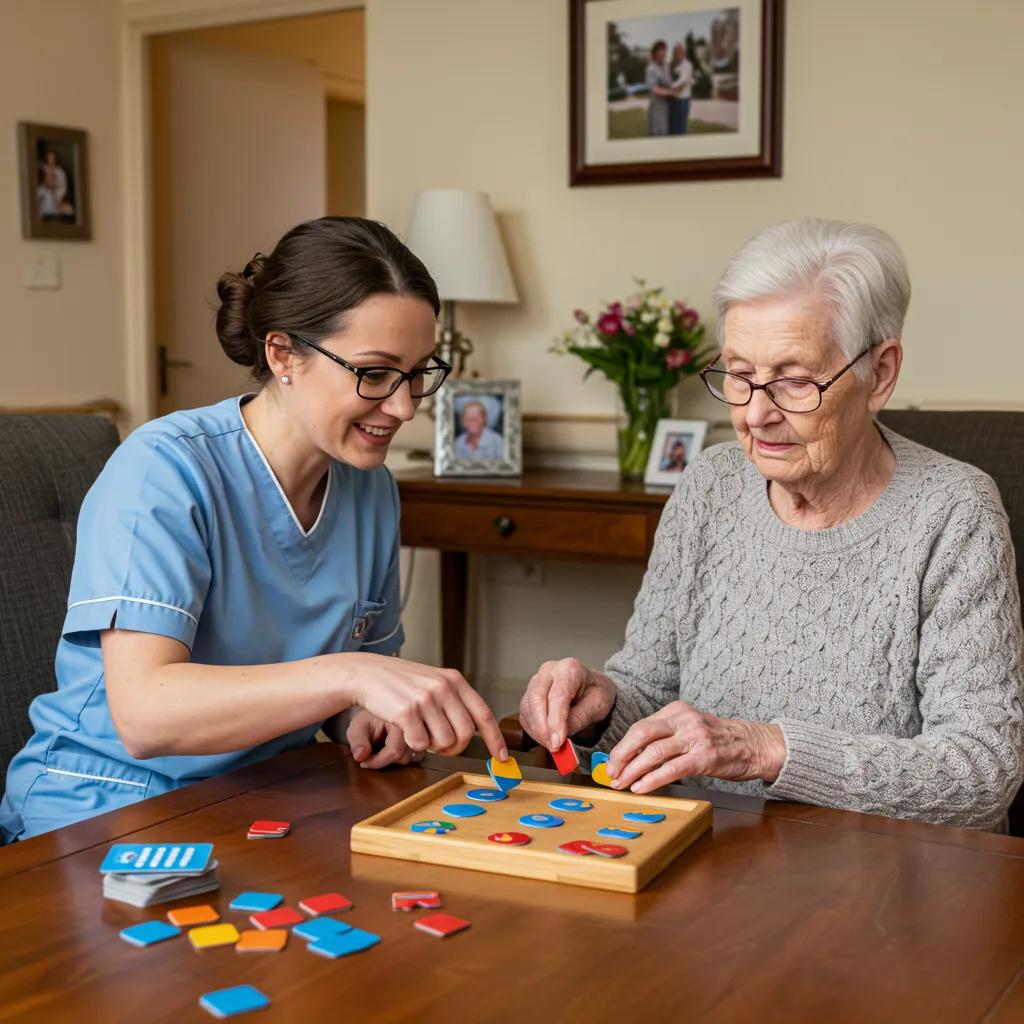
Activities improve cognitive function by repeatedly stimulating attention, recall, and problem-solving pathways, promoting neuroplasticity through meaningful practice rather than rote drills. Memory-supporting activities—such as personalized music listening, storytelling, and simple cognitive games—activate networks tied to autobiographical memory and procedural learning, which are often preserved longer in dementia. Staff-led sessions that combine visual cues, verbal prompts, and hands-on tasks scaffold learning and help residents access memories through multiple sensory channels. Frequent, short sessions with predictable structure reinforce gains and reduce frustration by setting clear, achievable goals that can be celebrated.
These cognitive benefits connect directly to emotional regulation because success and recognition in activities improve mood and reduce anxiety, which the next subsection explores.
In What Ways Do Activities Enhance Emotional Well-Being and Reduce Anxiety?
Meaningful activities reduce anxiety by providing routine, predictability, and opportunities for calm sensory input that soothe dysregulated nervous systems. Music therapy and familiar sensory objects can rapidly lower agitation by triggering calming memories and rhythmic entrainment, while repetitive, purposeful tasks like folding towels or gardening provide safe focus. Staff members trained in trauma-informed and dementia-aware approaches monitor triggers and adjust pacing to prevent overstimulation, using redirection and validation to maintain emotional stability. Over time, consistent engagement strengthens a resident’s sense of self and reduces episodes of distress that often arise from confusion or isolation.
Reducing anxiety through activities also makes social participation more likely, which supports the relational benefits discussed next.
How Do Social Activities Foster Connection and Reduce Loneliness?
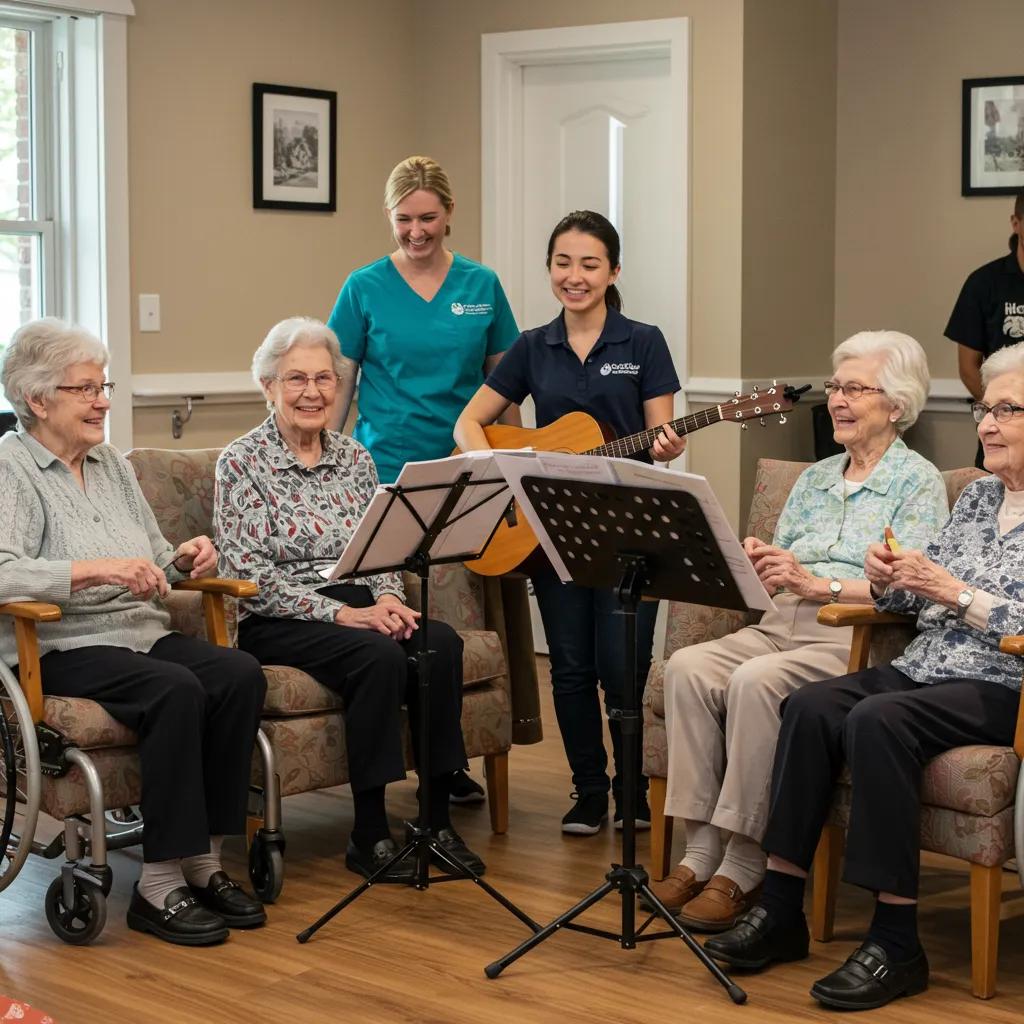
Social activities foster connection by creating shared experiences that promote recognition, turn-taking, and belonging, even when verbal communication is limited. Group formats such as sing-alongs, reminiscence circles, or small creative workshops facilitate peer interaction and provide natural cues for conversation and laughter. Staff intentionally design groups with 3–6 participants, clear roles, and visual prompts to support inclusion and reduce performance pressure. Family involvement in intergenerational or family-focused events further strengthens ties and anchors identity, helping residents feel seen and valued.
Stronger social bonds lead to measurable reductions in loneliness and improved overall well-being, which also supports mobility and participation in other therapeutic activities.
What Role Do Activities Play in Preserving Resident Dignity and Purpose?
Activities preserve dignity by offering choices, roles, and tasks that reflect residents’ histories, skills, and preferences, enabling them to contribute in meaningful ways. Purpose-driven options—such as assisting with a simple kitchen task, mentoring visiting volunteers, or helping with a garden plot—promote autonomy and reinforce identity beyond diagnosis. Staff use life-story information and validated assessments to match activities to strengths, ensuring tasks are achievable and respectful. Recognizing accomplishments, however small, affirms personhood and shifts focus from deficits to contributions in day-to-day life.
Preserving dignity through activities strengthens family trust and supports person-centered care planning, which underpins individualized programming described later.
This table compares common activity categories, their mechanisms, and typical benefits observed in memory care settings.
Different activity types support residents through distinct mechanisms and yield complementary outcomes.
Activity CategoryMechanismExpected Resident BenefitMusic TherapyEvokes implicit memory via melody and rhythmImproved mood, reduced agitation, better recallArt & Creative ExpressionNonverbal expression and fine motor engagementIncreased self-expression, improved self-esteemReminiscence/Sensory TherapyMulti-sensory cues tied to life historyEnhanced autobiographical recall, emotional comfortPhysical ActivitiesMovement-based engagement and balance trainingBetter mobility, improved sleep, reduced fall risk
Which Types of Therapeutic Activities Are Most Effective for Dementia and Alzheimer’s Patients?
Therapeutic activities that consistently show effectiveness include music therapy, art-based programs, reminiscence and sensory therapies, and gentle physical activity tailored to ability. Each category can be delivered in group or one-on-one formats and adapted with specific materials and staff facilitation to match cognitive stage and behavioral needs for effective dementia care. These approaches are particularly beneficial for individuals receiving Alzheimer's care and dementia support. Below are compact descriptions of each major category, followed by an implementation-focused table that maps activity type to typical materials/setups and the stages or symptoms they best address.
Choosing activities strategically—mixing cognitive stimulation, sensory comfort, and movement—supports resilience across domains and reduces reliance on medications for behavioral management.
How Does Music Therapy Support Memory Recall and Emotional Regulation?
Music therapy supports memory recall by engaging neural circuits tied to rhythm, melody, and autobiographical information, often preserving access to songs from long-term memory. Practically, staff curate personalized playlists from a resident’s youth and early adulthood, using short listening sessions or sing-alongs to trigger recognition and shared reminiscence. Group music-making, drumming circles, or gentle movement-to-music sessions also provide nonverbal avenues for expression and reduce agitation through rhythmic entrainment. Therapists and trained staff monitor responses closely, adjusting tempo and volume to maintain comfort and engagement.
Music’s rapid effect on mood makes it a first-line tool for immediate calming and a long-term strategy for maintaining identity through familiar songs.
Music Therapy: A Link to Memories for Adults with Impaired Memory
For adults with memory impairment, music may serve as a link to their past, allowing them to recall memories and experiences. Music therapy has been shown to be a beneficial intervention for adults with memory impairment. Remembering through music: Music therapy and dementia, 2014
What Are the Benefits of Art and Creative Expression in Memory Care?
Art and creative expression offer residents a nonverbal channel to express emotion, practice fine motor skills, and experience accomplishment without the pressure of “right” answers. Simple materials—large-handled brushes, pre-cut collage pieces, soft clay—reduce barriers and enable participation across stages of dementia. Facilitators emphasize process over product, prompting with gentle questions about color or feeling rather than technical instruction. Group art projects can foster collaboration and conversation, while individualized sessions provide a quiet therapeutic outlet for mood regulation and sensory exploration.
Art activities support self-expression and agency, and they can be adapted easily to cognitive level while producing tangible keepsakes that families value.
How Do Reminiscence and Sensory Therapies Engage Residents’ Past Memories?
Reminiscence and sensory therapies deliberately use objects, photographs, scents, and themed prompts to evoke life memories that remain accessible even as recent memory declines. Techniques include memory boxes filled with meaningful items, themed activity stations (e.g., “kitchen memories” or “music from hometown”), and tactile sensory kits for tactile engagement. Staff guide sessions by validating memories, avoiding correction, and using open-ended prompts that encourage storytelling or nonverbal responses. When carefully facilitated, these therapies reinforce identity, provide emotional comfort, and create entry points for family conversations.
Precautions include avoiding topics likely to trigger distress and pacing sessions to match tolerance for stimulation.
Multisensory Environments and Reminiscence Therapy for Dementia Quality of Life
Dementia significantly impacts elderly quality of life, necessitating innovative non-pharmacological approaches. This study aimed to identify key design elements for multisensory environments integrated with reminiscence therapy in Indonesian contexts. The development of a harmony multisensory space based on reminiscence therapy to improve quality of life for older adults with dementia: a qualitative study, FAM Mendrofa, 2025
What Physical Activities Are Safe and Beneficial for Seniors with Dementia?
Safe physical activities prioritize balance, coordination, gentle strength, and cardiovascular engagement tailored to mobility and endurance. Typical options include chair yoga, seated or standing range-of-motion routines, guided walking groups in secure outdoor courtyards, and movement-to-music classes that pair rhythm with steps. Staff emphasize clear instructions, close supervision, and environmental modifications—non-slip footwear, stable chairs, and unobstructed walkways—to reduce fall risk. Regular, moderate physical activity supports mood, sleep, joint function, and cardiovascular health while preserving independence.
Integrating short movement breaks into daily routines increases participation and reduces sedentary time.
How Does Gardening and Outdoor Engagement Support Cognitive and Emotional Health?
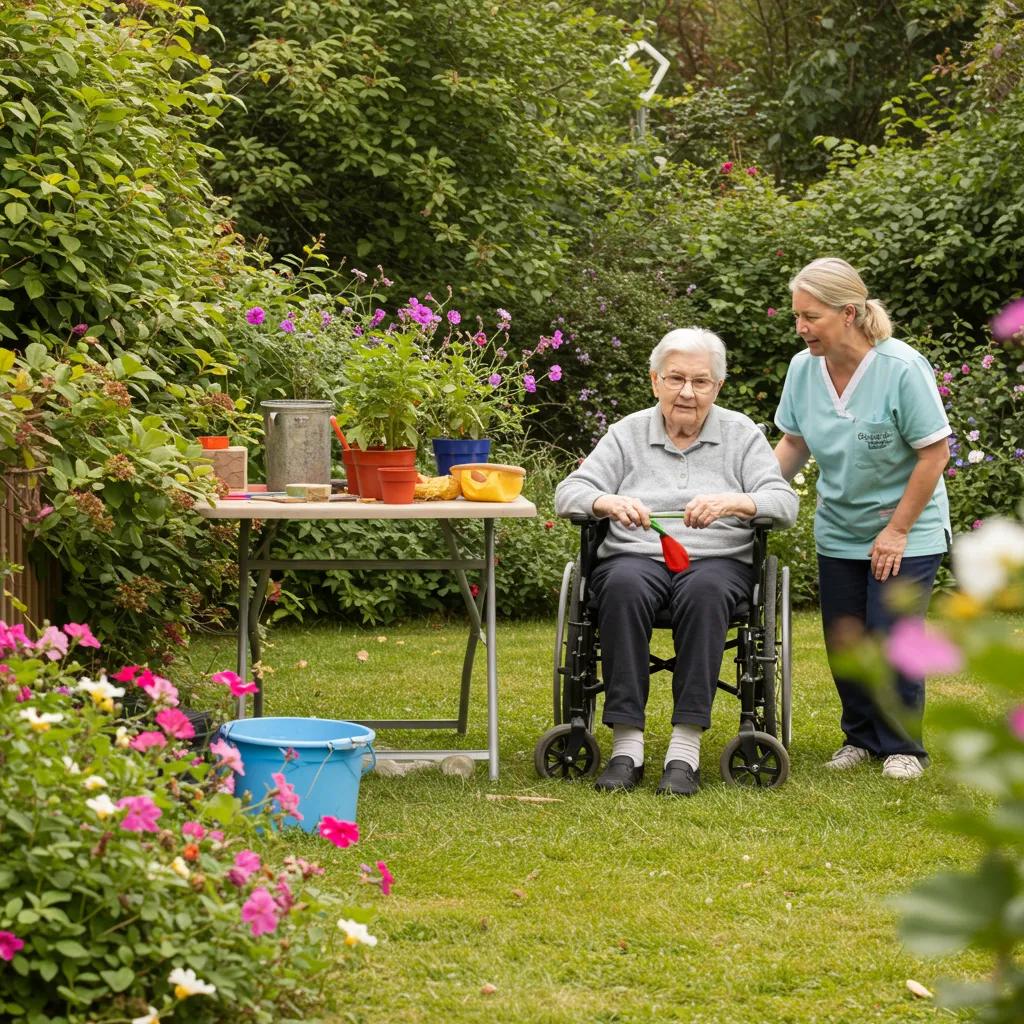
Gardening and outdoor activities combine sensory stimulation, purposeful tasks, and exposure to nature, which together enhance mood, reduce stress hormones, and promote attention restoration. Accessible adaptations—raised beds, container gardening, secure courtyard paths—permit participation regardless of mobility limitations and provide built-in cues and milestones for tasks. Planting, watering, and harvesting are repetitive, goal-oriented actions that offer immediate sensory feedback and a sense of achievement. Outdoor time also increases sunlight exposure, which supports circadian rhythms and sleep quality.
Routine gardening projects create seasonal rhythms and opportunities for social collaboration that reinforce community.
Here is a practical table mapping activity modalities to materials and stage-appropriateness so caregivers and staff can choose fit-for-purpose options.
Activity TypeTypical Materials/SetupBest For (stage/symptom)Music SessionsPersonalized playlists, portable speakerEarly–late stages; agitation, mood swingsArt ProjectsLarge paper, washable paints, clayEarly–middle stages; expression, fine motor workReminiscence KitsPhotos, memory boxes, themed propsAll stages; identity, comfortGentle ExerciseChairs, resistance bands, walking routesEarly–middle stages; mobility, balanceSensory StationsTextured fabrics, scent vials, sensory toysMiddle–late stages; calming, tactile engagement
How Does Braley Care Homes Personalize Activities to Meet Individual Resident Needs?
At Braley Care Homes, we personalize activities by combining structured assessments, life-history information, and the “step into their reality” philosophy to design individualized plans that respect each resident's identity and abilities. The facility is purpose-built for Alzheimer's, Dementia, and memory care and uses secure 24-hour environments with an outdoor courtyard to enable safe, meaningful engagement. Skilled staff including licensed clinical social workers and nursing personnel interpret assessment data—such as family intake forms and behavior profiles—to tailor activity timing, sensory inputs, and social formats. This integration transforms assessment findings into weekly activity schedules and one-on-one engagement strategies that minimize agitation and increase participation.
Below is a concise mapping of assessment tools, what they measure, and how answers inform activity choices at the facility.
Assessment ToolAttribute AssessedHow It Informs ActivitiesFamily Assessment FormPersonal history, preferencesGuides playlist curation, thematic activitiesBehavior ProfileTriggers, calming strategiesShapes pacing, staffing ratios, redirection methodsFunctional Mobility ScreenBalance, enduranceDetermines exercise intensity and adaptationsCognitive SnapshotCurrent abilities, attention spanSelects group size and complexity of tasks
This table shows how structured inputs translate directly into tailored programming and daily routines.
What Is the "Step Into Their Reality" Approach to Activity Programming?
The “Step Into Their Reality” approach centers on adapting activities to the resident's current perception and emotional world rather than insisting on objective reality. Practically, staff observe cues—verbal and nonverbal—and respond by meeting residents where they are, using validation, reminiscing, and adjusted role-play to create comfort and engagement. For example, if a resident believes they are preparing for a family event, staff might provide safe, supportive tasks that align with that reality, such as setting a table or folding linens, to promote purpose and calm. This approach reduces resistance and agitation by avoiding correction and instead harnessing the resident’s emotional truth to create meaningful participation.
Applying this philosophy consistently requires staff training and real-time judgment, which the facility supports through clinical oversight and documentation practices.
How Are Activities Tailored to Different Stages of Dementia?
Activities are tailored across early, middle, and late stages by adjusting complexity, sensory load, group size, and choice architecture to match attention, memory, and motor abilities. In early stages, programs emphasize cognitive challenge and social leadership—book clubs, complex crafts, and community outings. Middle-stage programming focuses on sensory-rich, structured tasks like themed reminiscence groups and gardening with clear steps. Late-stage activities prioritize comfort and sensory soothing—hand massage, familiar music, and tactile items—delivered one-on-one with predictable routines. Safety and dignity are constant priorities, with staff continuously monitoring for fatigue and distress.
Stage-appropriate tailoring maximizes participation while minimizing frustration and risk.
How Does Staff Expertise Enhance the Quality of Memory Care Activities?
Staff expertise enhances quality by combining clinical training, activity-specialist skills, and continuous supervision to ensure therapeutic fidelity and resident safety. Braley Care Homes’ team includes licensed clinical social work oversight and licensed nursing staff who consult on behavior profiles and health constraints, enabling activities that are both meaningful and medically appropriate. Discover more about our dedicated team. Activities directors and frontline caregivers receive ongoing coaching to implement evidence-based methods such as validation therapy, sensory modulation, and mobility adaptations. Clinical input informs individualized risk assessments and escalation plans so activity engagement remains safe and effective.
This multidisciplinary approach links therapeutic intent with practical delivery and measurable resident outcomes.
What Tools and Assessments Help Design Personalized Activity Plans?
Personalized plans rely on a combination of intake instruments and ongoing observational tools that capture personal history, functional status, triggers, and preferences. Key tools include the Family Assessment Form for life-story data, behavior profiles to identify antecedents of agitation, mobility and ADL screens to identify safety needs, and regular engagement tracking to measure response to activities. Responses map to activity choices—for instance, a love of gardening in a Family Assessment Form leads to adapted horticulture tasks, while a behavior profile noting sundowning prompts afternoon calming music and low-stimulation routines. Staff document outcomes to refine plans iteratively.
Using structured tools creates a feedback loop that continually improves personalization and resident well-being.
Braley Care Homes offers free assessments and a Family Assessment Form to gather the information needed for individualized programming. Families are invited to submit the Family Assessment Form and request a confidential assessment so staff can design activity plans informed by life history and behavior profiles. To explore personalized support, families may contact the facility to arrange an assessment or a tour through the facility’s established intake process.
How Can Families and Caregivers Support Loved Ones Through Engaging Memory Care Activities?
Families and caregivers can support engagement by learning stage-appropriate activities, collaborating with staff to share life history, and maintaining consistent routines that extend therapeutic gains into everyday interactions. Practical involvement includes bringing familiar items, helping curate music playlists, participating in scheduled visits that align with the resident’s best times of day, and practicing simple, structured activities at home. Communication with care teams—sharing observations about triggers, preferences, and small successes—helps refine activity plans and reduces caregiver stress by building predictable expectations. Below are hands-on activity ideas families can use immediately, plus tips for pacing and safety.
Consistent, collaborative involvement strengthens resident outcomes and improves family confidence.
What Activities Can Families Use to Connect with Dementia Patients at Home?
Families can use low-prep, meaningful activities that emphasize familiarity and sensory comfort to connect with loved ones at home. Examples include music sessions using favorite songs, photo-sorting or memory-box exploration with prompts, short guided walks in familiar places, simple baking or folding tasks that offer rhythm and purpose, and tactile sensory boxes with fabrics and scented items. Each activity should be brief (10–20 minutes), paced to the resident’s energy, and framed with validation to avoid correction. Safety tips include minimizing distractions, ensuring comfortable seating, and choosing non-breakable materials.
These activities create opportunities for shared joy and reduce the pressure on conversation-heavy visits.
Family activity tips summary:
Use familiar music: Play short favorite songs to prompt memory and mood.
Create tactile memory boxes: Include meaningful objects for touch-based recall.
Choose brief, repeatable tasks: Simple chores can reinforce purpose without strain.
Regular practice helps families notice positive changes in mood and engagement over time.
How Do Engaging Activities Reduce Caregiver Stress and Improve Family Well-Being?
Engaging activities reduce caregiver stress by decreasing behavioral incidents and offering structured opportunities for respite while professionals manage activity delivery. When residents participate in predictable, person-centered activities, episodes of agitation and wandering often decline, lowering constant supervision demands. Families who partner with staff to plan activities also gain clarity about safe engagement strategies and realistic expectations, improving communication and emotional coping. Self-care strategies for caregivers include scheduling short, restorative breaks and using activity time as an opportunity to recharge or consult with staff about behavior management.
Reducing caregiver burden improves the entire care ecosystem and supports sustained involvement.
Where Can Families Find Resources and Support at Braley Care Homes?
Braley Care Homes provides family-centered resources including free assessments and the Family Assessment Form to collect life history and preferences that inform activity planning. Families may request confidential assessments or schedule tours to observe activity programming and learn how staff translate assessment findings into daily routines. The facility emphasizes collaboration with families and provides documentation—such as behavior profiles and personalized activity recommendations—to support consistent approaches both in the facility and at home. Reaching out for an assessment or tour connects families to expert input from licensed staff and activity specialists who can answer questions and co-create care plans.
Inviting families to participate strengthens personalization and ensures continuity between home and memory care environments.
What Is the Holistic Approach to Memory Care Activities at Braley Care Homes?
A holistic approach integrates physical, cognitive, emotional, and social interventions into daily rhythms that reflect a home-like environment and community orientation. Explore our comprehensive memory care services. Activities are scheduled across the day to balance stimulation and rest, mixing group sessions, one-on-one engagement, outdoor time in secure courtyards, and purposeful tasks that reinforce identity. The home-like setting reduces institutional cues and encourages participation by mirroring familiar routines, while clinical oversight ensures that activities remain safe and therapeutically targeted. This integrated model emphasizes measurable outcomes—reduced agitation, improved mood, sustained mobility—and aligns staff, family, and clinical goals around person-centered care.
Placing activities within a holistic framework ensures they work together to support overall well-being rather than acting as isolated interventions.
How Do Activities Address Physical, Cognitive, Emotional, and Social Needs?
Activities are intentionally mapped to outcome domains so a single program can yield multiple benefits: movement classes support mobility and mood, music sessions boost memory and emotional regulation, and group crafts foster social connection and fine motor skills. Staff design cross-domain plans—for example, a gardening group includes physical tasks, sensory stimulation, and opportunities for storytelling—maximizing efficiency and resident engagement. Progress is tracked through simple metrics like participation rates, mood observations, and reduction in behavioral incidents to evaluate effectiveness. This cross-mapping ensures that each activity contributes to a broader plan for resident health.
Documenting outcomes helps teams refine programming and demonstrate value to families and clinicians.
Why Is a Home-Like Environment Important for Activity Engagement?
A home-like environment encourages participation by reducing anxiety associated with institutional settings and by providing familiar scale, décor, and routines that cue behavior and memory. Design features such as smaller dining areas, comfortable seating nooks, and a secure outdoor courtyard foster spontaneous interaction and safe exploration. Familiar objects and decor aligned with residents’ cultural and generational backgrounds support reminiscence and reduce disorientation. When surroundings feel safe and familiar, residents are more willing to try new activities and sustain involvement over time.
Environmental design therefore functions as a therapeutic tool that amplifies the effectiveness of activity programming.
How Does Braley Care Homes Foster Community and Purpose Through Activities?
Braley Care Homes fosters community by embedding purposeful roles and shared rituals into daily life—group gardening, communal music times, and routine chores that give residents responsibility and belonging. The facility’s purpose-built memory care model and dedicated activity programming create predictable rhythms that residents can anticipate and participate in. Staff coordinate events that invite family involvement and local volunteer participation to broaden social networks and create intergenerational connections. Anonymized success stories and outcome tracking illustrate how community-oriented activities lead to improved mood, fewer behavioral incidents, and enduring social ties.
Families interested in seeing this community in action can schedule a tour or request a free assessment to learn how activity programming is personalized and implemented.
Call-to-Action: To explore the holistic activity model, schedule a tour or request a free assessment at Braley Care Homes so the clinical team can begin individualizing a plan based on your loved one’s history and needs.
What Are Common Questions About Engaging Activities in Memory Care?
Below are concise, actionable answers to frequent questions families ask when evaluating activity programming for memory care residents. These responses prioritize safety, stage-appropriate guidance, and clear examples that families and staff can implement.
What Activities Are Best for Seniors with Advanced Dementia?
For advanced dementia, focus on low-demand, sensory, and comfort-driven activities—soft music, hand massage, textured objects, simple folding or sorting tasks, and short outdoor visits in a secure courtyard. Sessions should be one-on-one or in very small groups, last 5–15 minutes, and emphasize sensory cues rather than complex instructions. Safety considerations include supervision during any movement, non-toxic materials, and avoiding overstimulation from loud or busy environments.
These activities prioritize comfort, familiarity, and emotional connection over cognitive challenge.
Can Dementia Patients Enjoy Group Activities Safely?
Yes—when groups are small, have a high staff-to-resident ratio, and use structured formats with clear visual cues and roles, group activities can be safe and beneficial. Best practices include pre-screening for triggers, limiting group size to match attention spans, assigning predictable roles, and providing quiet breakout options. Staff trained in dementia care continuously monitor engagement and adjust pacing to prevent distress.
Proper planning and staffing make group participation both safe and socially rewarding.
How Do You Entertain Residents in a Memory Care Facility?
Entertaining residents balances novelty with familiarity by mixing therapeutic sessions—music, reminiscence, gentle exercise—with recreational events like themed celebrations, hands-on crafts, and outdoor gatherings. Entertainment differs from therapy in intent but can still be adapted to therapeutic goals by using familiar themes and sensory supports. A sample weekly menu alternates active and calming sessions and reserves afternoons for one-on-one visits when many residents prefer quieter interaction.
Balancing stimulation and rest preserves enjoyment while supporting well-being.
What Activities Stimulate the Brain in Dementia Patients?
Brain-stimulating activities emphasize meaningful challenge and repetition: personalized music, storytelling that prompts recall, simple puzzles adapted to ability, rhythmic movement, and hands-on crafts that require sequencing. Difficulty should be adjusted to avoid frustration and to provide attainable goals. Combining cognitive tasks with social interaction or sensory cues often increases effectiveness and sustains engagement.
Adaptations and pacing ensure activities remain accessible and beneficial across stages.
How Does Braley Care Homes Incorporate Community and Innovation in Memory Care Activities?
Braley Care Homes incorporates community and innovation by partnering with local volunteers and leveraging evidence-based practices to pilot new activity formats while maintaining rigorous clinical oversight. The facility uses staff training and outcome monitoring to vet new approaches—such as curated playlist protocols or modified horticulture programs—before full adoption. Community volunteers and visiting artists expand the activity palette, bringing fresh experiences that complement daily routines. Anonymized vignettes illustrate measurable improvements in engagement and reductions in behavioral incidents when innovations are introduced thoughtfully.
This combination of local partnerships and clinical evaluation keeps programming both vibrant and accountable.
What Partnerships Enhance Activity Offerings at Braley Care Homes?
Partnerships with community volunteers, visiting musicians, and local schools or organizations enhance offerings by introducing intergenerational activities, live performances, and project-based collaborations that bring novelty and social variety. Volunteer-led reading programs, music visits, or craft mornings provide residents additional social contact and broaden the types of engagement available. These collaborations are structured to align with clinical schedules and safety protocols so they augment rather than disrupt daily routines.
Community involvement increases social capital and creates more opportunities for meaningful participation.
How Are New Research and Trends Integrated Into Activity Programs?
New research and trends are integrated through a formal review and pilot process: staff review emerging evidence, trial selected interventions on a small scale, measure resident responses, and scale successful practices with documentation and training. For example, curated music playlist protocols may be piloted and their impact on agitation tracked before wider use. Continuous staff education and clinical oversight ensure that innovation is evidence-informed and resident-centered.
This iterative approach balances innovation with the imperative to protect resident well-being.
What Success Stories Illustrate the Impact of Engaging Activities?
Anonymized success stories show residents who, after introduction of personalized music sessions and gardening tasks, experienced increased daily participation, fewer afternoon agitation episodes, and improved social interaction during meals. Another example describes a resident who reclaimed a role in a simple baking routine based on life history, leading to increased smiles, brief conversational exchanges, and family reports of more positive visits. These observable outcomes—participation rates, mood improvements, reduced incidents—demonstrate tangible benefits from tailored activity programming.
Such stories underscore the practical impact of aligning activities with identity and capacity.
This article has described evidence-based activity categories, mechanisms of benefit, stage-specific guidance, caregiver tools, and the assessment-driven personalization used at Braley Care Homes. Families seeking support can request a free assessment or schedule a tour to see how individualized activity plans are developed and implemented with clinical oversight. For those ready to proceed, information on the resident application is also available.
Personalized Psychosocial Interventions for Dementia Care
There was good evidence to support the value of personalized pleasant activities with and without social interaction for the treatment of behavioral and psychological symptoms of dementia (BPSD) in care homes. The value of personalized psychosocial interventions to address behavioral and psychological symptoms in people with dementia living in care home settings: a …, I Testad, 2014
Frequently Asked Questions
What types of activities are best for different stages of dementia?
Activities should be tailored to the cognitive and physical abilities of residents at various stages of dementia. In early stages, focus on cognitive challenges and social leadership through book clubs or community outings. Middle-stage activities should emphasize sensory-rich tasks like gardening or themed reminiscence groups. For late-stage residents, prioritize comfort and sensory soothing with activities such as hand massages or familiar music sessions. This tailored approach maximizes engagement while minimizing frustration and risk.
How can families effectively engage with their loved ones in memory care?
Families can enhance engagement by participating in stage-appropriate activities that emphasize familiarity and sensory comfort. Simple tasks like sorting photos, listening to favorite music, or going for short walks can foster connection. It's important to keep activities brief and paced according to the resident's energy levels. Additionally, families should communicate with care teams to share observations about preferences and triggers, which can help refine activity plans and improve overall engagement.
What role does staff training play in memory care activities?
Staff training is crucial in delivering effective memory care activities. Trained staff can implement evidence-based methods, such as validation therapy and sensory modulation, ensuring that activities are both meaningful and safe. Continuous education helps staff stay updated on best practices and new research, allowing them to adapt activities to meet residents' needs effectively. This expertise enhances the quality of care and ensures that activities align with therapeutic goals, ultimately improving resident outcomes.
How can caregivers reduce stress while managing memory care activities?
Caregivers can reduce stress by utilizing structured activities that engage residents, which often leads to fewer behavioral incidents and a more predictable environment. Collaborating with staff to plan activities can provide clarity on safe engagement strategies and realistic expectations. Additionally, caregivers should prioritize self-care by scheduling breaks during activity times, allowing them to recharge. This approach not only benefits caregivers but also enhances the overall care experience for residents.
What are some innovative approaches to memory care activities?
Innovative approaches to memory care activities include integrating community partnerships, such as involving local volunteers or artists, to introduce fresh experiences. Facilities may pilot new activity formats based on emerging research, ensuring they are evidence-informed. For example, curated music playlists or modified gardening programs can be tested for effectiveness before wider implementation. This iterative process allows for continuous improvement in activity offerings, enhancing engagement and well-being for residents.
How do sensory activities benefit residents with dementia?
Sensory activities benefit residents by providing calming and engaging experiences that can evoke memories and emotions. Activities like tactile exploration with textured objects, scent-based reminiscence, or listening to familiar music stimulate the senses and can reduce anxiety. These activities are particularly effective in late-stage dementia, where verbal communication may be limited. By focusing on sensory input, caregivers can create meaningful interactions that enhance emotional well-being and foster a sense of connection.

Our clinic largest private mental health partnership, with a carefully selected nationwide team of Psychiatrists.
KEEP IN TOUCH.


CONTACT US
Location:
Braley Care Homes
6192 US 60
Hurricane, WV 25526
Phone Numbers:
Referrals and Inquiries: (304) 767-4033
Facility Phone: (304) 201-3677
Facility Fax: (304) 201-3678
AREAS WE SERVE
BUSINESS HOURS
Monday
9:00am – 6:30pm
Tuesday
9:00am – 6:30pm
Wednesday
9:00am – 6:30pm
Thursday
9:00am – 6:30pm
Friday
9:00am – 6:30pm
KEEP IN TOUCH.
CONTACT US
Location:
Braley Care Homes
6192 US-60
Hurricane, WV 25526
Phone Numbers:
Referrals and Inquiries: (304) 767-4033
Facility Phone: (304) 201-3677
Facility Fax: (304) 201-3678
AREAS WE SERVE
BUSINESS HOURS
Monday
9:00am – 6:30pm
Tuesday
9:00am – 6:30pm
Wednesday
9:00am – 6:30pm
Thursday
9:00am – 6:30pm
Friday
9:00am – 6:30pm