Visit us: Mon - Fri: 9:00 - 18:30
Braley Care Homes 6192 US 60 Hurricane, WV 25526
Resources
Understanding Memory Care: Visiting Policies & Family Roles
Understanding Memory Care Visitation Policies and Family Involvement: Your Complete Guide to Visiting Loved Ones with Dementia
Visiting policies and family involvement in memory care define how loved ones with dementia remain connected to family, receive advocacy, and preserve dignity while facilities balance safety and routine. This guide explains what visitation policies typically cover, why family engagement matters for emotional and cognitive health, and practical steps families can take to prepare for meaningful visits. Many families worry about restricted access, infection control, or how to communicate with someone whose memory is changing; this article addresses those concerns with actionable guidance and advocacy tips. You will find clear explanations of common visitation models, sample preparation checklists, communication strategies, activity ideas matched to dementia stages, legal rights, and remote options for staying involved when in-person visits are limited. Where relevant, the guide notes how a local specialized memory care provider integrates family involvement with safety and person-centered programs so you can translate general guidance into local next steps. According to the Alzheimer's Association, over 6 million Americans are living with Alzheimer's disease, and this number is projected to rise to nearly 13 million by 2050, underscoring the growing importance of effective memory care and family support.
Why Is Family Involvement Crucial in Memory Care Facilities?
Family involvement in memory care means relatives, friends, and designated caregivers contribute information, companionship, and oversight to support a resident’s personhood and daily well-being. This involvement matters because regular visits and communication provide emotional reassurance, trigger reminiscence, and deliver social stimulation that can reduce depression and improve mood for people living with dementia. Families also supply essential personal history that guides individualized care plans, helping staff tailor meals, activities, and routines to preserve identity and comfort. Finally, ongoing family presence promotes transparency and advocacy, giving caregivers practical ways to notice subtle changes and collaborate with clinical teams for timely adjustments to care. A study published in the journal Gerontology found that residents with higher levels of family involvement experienced better quality of life outcomes.
H3: What Are the Emotional and Cognitive Benefits of Family Visits for Residents?

Family visits stimulate memory by connecting familiar faces, voices, and stories to a resident’s sense of self, which often strengthens orientation and emotional stability. Reminiscence triggered by photos, music, or shared anecdotes can activate neural pathways associated with long-term memory and reduce feelings of isolation and anxiety. Regular social contact also offers cognitive engagement through conversation and sensory cues that support attention and mood regulation. These combined effects—emotional comfort, reduced loneliness, and cognitive stimulation—translate to observable improvements in daily responsiveness and quality of life for many residents. Dr. Laura Gitlin, a prominent researcher in dementia care, emphasizes that "meaningful engagement, often facilitated by family, is critical for maintaining cognitive function and emotional well-being in individuals with dementia."
H3: How Does Family Engagement Support Care Quality and Resident Advocacy?
Family members act as vital informants who contribute background on routines, preferences, and behavioral triggers that staff can incorporate into person-centered care plans. When families attend care conferences or share observations, interdisciplinary teams can adjust medications, mealtime approaches, or activity schedules more accurately. This collaborative exchange helps prevent misinterpretation of behaviors and ensures decisions reflect the resident’s history and values. By participating in care planning, families strengthen oversight and help staff maintain continuity of care across shifts and medical transitions. In fact, a survey by the National Consumer Voice for Quality Long-Term Care found that facilities with active family councils often report higher resident satisfaction rates.
H3: What Impact Does Family Involvement Have on Caregiver Peace of Mind?
Consistent involvement often reduces caregiver anxiety by providing clarity about daily routines, health status, and upcoming care decisions, making it easier to share responsibilities with facility staff. Knowing the facility values family input and provides regular updates helps relieve guilt and fosters realistic expectations about disease progression. Practical strategies—like scheduled check-ins, shared care journals, or brief phone updates—help families stay informed without becoming overburdened. These communication practices create a reliable loop that supports both the resident and the family caregiver’s emotional well-being. AARP reports that family caregivers who feel supported by care facilities experience significantly lower levels of stress and burnout.
What Are Common Memory Care Visitation Policies and Guidelines?
Visitation policies in memory care balance resident rights to receive visitors with the need to protect routines, safety, and health; typical elements include visiting hours or flexible access, sign-in and screening procedures, designated visiting areas, and special rules for essential caregivers. Facilities often choose between open visitation models that permit frequent family presence and scheduled windows that reduce disruption to care routines, with many adopting hybrid approaches that prioritize resident well-being. Screening protocols, including brief health questions and sign-in, are common to limit infection risks and maintain documented visitor logs. Understanding these common components helps families set expectations and plan visits that support both connection and safety. A 2022 report by the Centers for Medicare & Medicaid Services (CMS) highlighted that 95% of nursing homes and memory care facilities have implemented some form of visitor screening protocols since the pandemic.
Different visitor roles usually have distinct rules and privileges; the following table summarizes typical variations by visitor type to clarify what families can expect.
Visitor TypeTypical AccessCommon Special RulesFamily & FriendsScheduled or flexible visits during daytime hoursMay be asked to sign in; limited supervision in common areasEssential CaregiverPriority or extended access with designationMay require documentation or agreement on responsibilitiesMedical ProfessionalAccess as needed for care and appointmentsMust coordinate with facility schedules and staffVolunteer/Program VisitorLimited, scheduled visits for activitiesBackground checks or orientation often required
This comparison shows how facilities tailor access to balance connection and safety; families should confirm specific policies with any memory care provider before visiting. Knowing these categories helps families request appropriate access or exception when necessary.
H3: What Are Typical Visiting Hours and Scheduling Practices in Memory Care?
Typical visiting hours range from structured daytime windows to more flexible models that accommodate family needs while preserving resident routines and care activities. Scheduled visitation can protect meal times and therapeutic programming, while open visiting can reduce the anxiety of restricted access but may increase interruptions to sleep or daily schedules. Families should coordinate visits during known alert periods for their loved one—often mid-morning or mid-afternoon—and ask staff when the resident is most receptive. Communicating intent and expected visit length in advance helps staff plan and support meaningful interaction without disrupting care. A national survey of long-term care facilities indicated that approximately 60% offer flexible visiting hours, while 40% maintain more structured schedules.
H3: How Does Braley Care Homes Ensure Safety and Resident Rights During Visits?
Braley Care Homes Inc. maintains a secure, home-like environment that balances resident rights with safety through controlled access and supervised common spaces. As a 16-bed, locked facility with a secure outdoor courtyard, the home emphasizes continuous supervision and privacy while allowing family access that supports resident choice. Staff training and licensed clinical oversight contribute to respectful visit practices that protect dignity and allow family participation in events and care planning. Families are encouraged to ask about assessment and touring options to understand how the facility manages both safety and visitation in practice. "Our priority is to create a safe, nurturing environment where residents thrive, and families feel confident in their loved one's care," states a representative from Braley Care Homes.
H3: What Are Essential Caregiver Access Rules and Exceptions?
Essential caregivers are often designated family members or close contacts who provide direct support and may receive prioritized access to a resident, especially for feeding, mobility assistance, or emotional support. Facilities generally require documentation or completed designation forms to recognize an essential caregiver, and exceptions are typically considered for end-of-life care, critical medical appointments, or significant behavioral changes. When requesting essential caregiver status, families should provide clear rationale, relevant documentation, and agreement to follow infection-control measures to streamline access. Open dialogue with the care team typically secures mutually agreeable arrangements that center resident need. Many states have enacted "Essential Caregiver" laws, ensuring designated family members retain access even during public health emergencies, recognizing their critical role in resident well-being.
H3: How Do Health Outbreaks and COVID-19 Affect Visitation Policies?
During outbreaks, facilities commonly implement stricter visitation controls, such as temporary suspension of group activities, enhanced screening, testing, or masking requirements, to protect vulnerable residents from infection. These measures are designed to minimize transmission risk while striving to preserve essential social connection through alternative means when in-person access is limited. Facilities should communicate updated protocols promptly; families are advised to confirm current guidance before visiting and to follow recommended precautions like vaccination status awareness or symptom screening. Maintaining flexible plans for virtual connection helps bridge gaps when physical visits must be restricted. The CDC's guidelines for long-term care facilities during outbreaks emphasize balancing infection control with residents' psychosocial needs, including visitation.
How Can Families Prepare for Meaningful Visits with Loved Ones in Memory Care?

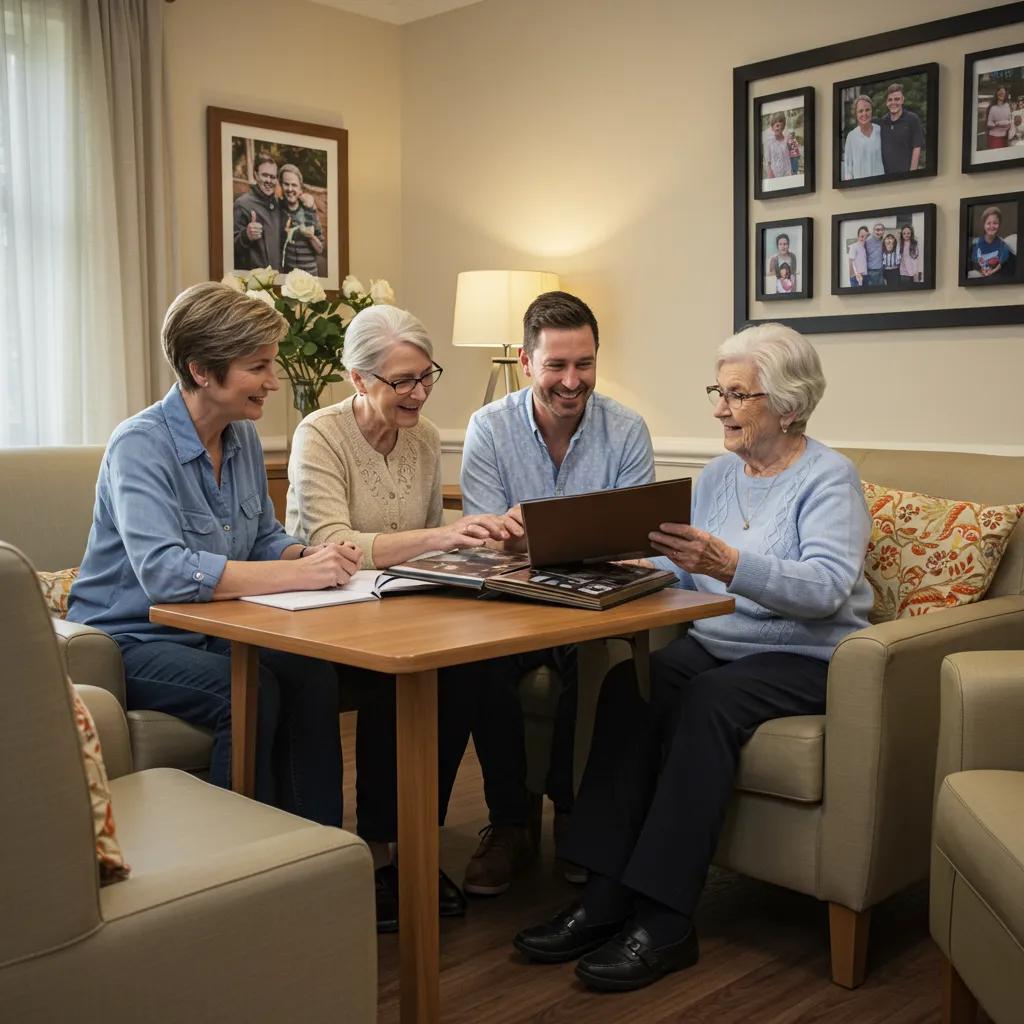
Preparing thoughtfully for visits maximizes quality time by aligning activities, communication, and timing with the resident’s abilities and preferences. Effective preparation begins with choosing the best time of day, bringing familiar sensory cues, and setting modest goals for interaction—such as sharing a single photo album or listening to a favorite song. Coordinating with staff about routines, recent changes, and best approaches ensures visits support therapeutic goals rather than unintentionally causing distress. A concise checklist and clear communication plan enable families to enter visits with purpose, reducing uncertainty and increasing the chance for meaningful engagement. Research from the National Institute on Aging suggests that structured, purposeful visits can significantly reduce agitation and improve mood in individuals with dementia.
To make preparation practical and actionable, the table below links common items families bring to the visit with their intended purpose and tips for use.
Item to BringPurposePractical TipPhotographsStimulate reminiscence and conversationBring 4–6 labeled photos and ask about memories tied to eachFavorite MusicComfort and mood regulationUse short playlists and observe response to tempo/volumeSensory Item (scarf, hand lotion)Provide tactile comfort and familiarityOffer one item at a time to avoid overstimulationSimple SnackPleasure and routine support (if permitted)Check dietary restrictions with staff before offeringShort Activity (puzzles, cards)Offer purposeful engagement with achievable stepsChoose one-step tasks to ensure success and avoid frustration
This checklist clarifies how modest, well-chosen items can anchor a visit and prompt meaningful interaction; families should ask staff about any facility rules before bringing food or shared items.
H3: What Should You Bring to a Visit to Engage a Loved One with Dementia?
Bring a small, curated set of familiar objects that prompt conversation without overwhelming the resident, such as a few labeled photos, a short playlist on a single device, a soft tactile item, or a simple activity with visible success. Avoid multi-component or confusing gadgets; instead, prioritize items tied to strong personal memories like childhood photos or a favorite song. Check with staff about dietary restrictions before offering snacks and confirm whether shared items need sanitizing. Bringing a short list of conversational prompts can also help guide interactions when memory gaps appear. Experts at the Mayo Clinic often recommend bringing items that evoke positive memories, as this can tap into preserved emotional memory.
H3: How Can You Effectively Communicate with Someone Experiencing Memory Loss?
Use short sentences, one idea at a time, and present questions that can be answered with simple choices rather than open-ended prompts, while maintaining warmth and eye contact. Validation therapy—acknowledging feelings rather than correcting factual errors—reduces agitation and fosters trust during interactions. Nonverbal cues like gentle touch (if welcome), smiling, and slowing your pace support comprehension and comfort. Practice a few go-to phrases that validate emotion and refocus attention, and let staff advise on what works best for your loved one on any given day. According to Naomi Feil, the developer of Validation therapy, "Validation is a way of communicating with disoriented old people that helps restore their dignity and reduces stress."
H3: How Do You Coordinate Visits with Memory Care Staff?
Before visiting, briefly inform staff of your visit goals and any materials you plan to bring so they can suggest optimal timing and support needs. Ask staff about the resident’s daily schedule, therapy sessions, or medication times to avoid interruptions and maximize alert periods. Share recent observations—changes in sleep, appetite, mood—or specific behavioral concerns to help staff tailor care between visits. Regularly scheduling brief check-ins with a designated staff member or joining care planning meetings formalizes communication and ensures your input informs ongoing care decisions. Effective communication with staff is a cornerstone of person-centered care, as highlighted by the American Medical Directors Association.
What Are Effective Strategies for Making Visits Meaningful and Engaging?
Meaningful visits center on activities and interactions matched to the resident’s functional level, focusing on short, sensory-rich experiences that provide immediate enjoyment and connection. Activities such as listening to familiar music, looking through a single photo album, folding towels together, or simple handcrafts can create success and shared purpose without cognitive overload. Handling challenging behaviors during visits requires strategies of validation, calm redirection, and timely staff involvement when safety or care needs arise. Simple language, consistent routines, and short sessions often produce the best outcomes for both residents and visiting family members. A study published in the Journal of Gerontological Nursing found that personalized, sensory-based activities significantly improved engagement and reduced agitation in memory care residents.
The following list highlights low-demand activity categories families can use to connect quickly and meaningfully during visits.
Each category emphasizes success, comfort, and reminiscence rather than complex tasks.
Selecting one activity per visit minimizes fatigue and maximizes positive interaction.
Music & Singing: Play short familiar songs for mood and memory cues.
Photo Reminiscence: Share a few labeled photos and prompt simple stories.
Sensory Tasks: Offer a scented hand lotion or soft fabric for tactile comfort.
H3: What Activities Are Best for Connecting with Loved Ones in Memory Care?
Choose low-demand, sensory-based activities aligned to the resident’s interests and current abilities, such as listening to a favorite song for five minutes, sorting colored scarves, or looking through a small photo book. Activities should be broken into short steps with immediate, visible results to foster a sense of accomplishment. For more advanced stages, passive engagement like hand massage or watching familiar videos can provide comfort. Always monitor for signs of fatigue and end the activity on a positive note to reinforce success. The Alzheimer's Foundation of America consistently advocates for activities that focus on enjoyment and connection over cognitive challenge.
H3: How Should Families Handle Challenging Behaviors During Visits?
When difficult behaviors appear, begin by remaining calm, lowering your voice, and validating the resident’s emotion rather than correcting facts, which can escalate distress. Use redirection to a familiar activity or sensory cue—such as transitioning to music or a favorite photo—to shift attention gently. If safety is a concern or behaviors persist, pause the visit and involve staff who can assess triggers or medication needs. Documenting the incident and sharing it with the care team helps identify patterns and preventative strategies for future visits. The Alzheimer's Association recommends a "detective approach" to challenging behaviors, seeking to understand the underlying cause rather than just reacting to the behavior itself.
H3: How Can You Use Simple Language and Validation to Improve Communication?
Validation therapy involves acknowledging feelings with phrases like “You seem upset; that must feel hard” rather than correcting memory errors, which promotes emotional safety and rapport. Use concise sentences and positive action words—invite rather than demand—saying “Let’s listen to this song together” instead of “Do you remember this song?” Nonverbal affirmations, such as nodding and gentle touch when appropriate, reinforce understanding and calm. Practicing a few go-to validating statements helps families respond consistently under stress. Dr. Allen Power, a geriatrician and author, states, "Validation is about meeting the person where they are, not trying to pull them back to our reality."
What Are the Legal Rights and Advocacy Opportunities for Families in Memory Care?
Residents in memory care generally retain the right to receive visitors and make choices about their personal life, subject to reasonable safety-based restrictions imposed by facilities; families should understand these rights and how to advocate when access appears improperly limited. Advocacy options include documenting concerns, requesting care plan meetings, and contacting local ombudsman resources to resolve disputes. Facilities must balance infection control, resident safety, and individual rights, so families can often negotiate exceptions—especially for essential caregivers—by providing clear rationale and collaborating with staff. Knowing the typical legal framework and local advocacy channels empowers families to protect resident dignity and access. The Older Americans Act mandates the Long-Term Care Ombudsman Program in every state to advocate for residents' rights.
Here are practical advocacy steps families can follow when visitation issues arise.
Document Observations: Record dates, times, and specifics of access issues or care concerns.
Request a Meeting: Ask for a formal care conference to discuss visitation or care adjustments.
Contact Local Advocates: Engage ombudsman or relevant oversight if internal resolution fails.
H3: What Visitation Rights Do Residents and Families Have in Memory Care Facilities?
Residents typically have the right to receive visitors and maintain relationships, subject to reasonable limitations for safety or clinical care; facilities should provide clear policies that respect these rights. Legitimate restrictions usually relate to infection control, facility security, or the resident’s expressed preferences and capacity. When families believe restrictions are excessive, they should request policy clarification in writing and cite specific examples of harm or undue limitation. Understanding the balance between resident autonomy and safety helps families advocate constructively. Federal regulations, specifically 42 CFR § 483.10(f)(4), affirm a resident's right to receive visitors of their choosing at any time, subject to reasonable clinical and safety restrictions.
H3: How Can Families Advocate for Their Loved Ones’ Care and Well-Being?
Effective advocacy starts with careful documentation of health or behavioral changes and clear, respectful communication with the care team during scheduled meetings. Families should bring observations, photos, or tracked behavior logs to care conferences and ask specific, actionable questions about potential adjustments. If internal efforts stall, families can contact local long-term-care ombudsman programs or regional oversight agencies for mediation. Maintaining collaborative language and focusing on resident-centered outcomes increases the likelihood of productive solutions. The National Consumer Voice for Quality Long-Term Care emphasizes that "families are the eyes and ears for their loved ones" and play a crucial role in ensuring quality care.
H3: What Are Common Challenges to Visitation and How Can They Be Addressed?
Common barriers include distance, illness outbreaks, scheduling conflicts, and family disagreement about care approaches; each has practical mitigations such as virtual visits, designated essential caregiver arrangements, and mediated family meetings. Facilities may also restrict visits during high-risk health periods; planning remote engagement and requesting structured exceptions can reduce disruption. For interpersonal family conflict, neutral third-party facilitation or family council involvement often clarifies roles and expectations. Proactive planning and open communication with staff are key to overcoming these common obstacles. A 2021 survey by LeadingAge found that 70% of long-term care providers reported increased use of virtual visitation options to overcome distance and health-related barriers.
How Can Families Stay Involved Beyond In-Person Visits?
Families can maintain meaningful involvement through virtual visits, participation in care planning, family councils, and supportive interactions that bolster staff partnerships and resident well-being. Video calls, recorded messages, and shared playlists offer asynchronous connection when schedules or health concerns limit in-person time. Asking to join care conferences—either in person or remotely—enables families to contribute to individualized care goals and monitor changes. Thoughtful support for staff, like providing small tokens of appreciation or volunteering within facility guidelines, strengthens collaborative care and improves the resident experience. A study by the University of California, San Francisco, indicated that consistent remote family engagement can significantly reduce feelings of isolation in memory care residents.
H3: What Virtual and Remote Connection Options Support Family Involvement?
Video calls with short, familiar prompts, recorded video messages of family members, and curated music playlists are effective remote tools that preserve emotional connection and provide sensory cues for reminiscence. Keep virtual sessions brief—five to ten minutes—and lead with a shared activity like playing one song or showing a single photo to reduce cognitive load. Asynchronous options, such as leaving a short recorded greeting for staff to play during a resident’s awake period, can be especially helpful when live calls aren’t feasible. Technology support from facility staff often makes these options accessible even for residents who are less tech-savvy. The use of personalized digital content, such as "memory boxes" filled with family videos and photos, has been shown to improve mood and engagement in residents with dementia.
H3: How Can Families Participate in Care Planning and Facility Events?
Families should request to be included in scheduled care plan meetings and family council gatherings to stay informed about goals, progress, and any needed adjustments to daily routines. Prepare a short list of observations and priorities before meetings and ask for clear action items and timelines. Participation in facility events—holiday gatherings, family education sessions, or supervised volunteer activities—builds community and reinforces the resident’s social ties. Consistent involvement in planning and events communicates ongoing commitment and helps align staff and family expectations. The National Association of Social Workers emphasizes the importance of family involvement in care planning as a best practice for holistic resident care.
H3: How Does Supporting Staff and Advocating Enhance Resident Care?
Positive, respectful support for staff—such as offering to assist with volunteer activities within facility rules or expressing appreciation—builds trust and encourages collaborative problem-solving around resident needs. Families that partner with staff by sharing clear, concise information and observing facility protocols help create smoother care transitions and more individualized programming. Advocating constructively and acknowledging staff expertise while providing personal context strengthens the care team’s ability to implement tailored interventions that improve resident outcomes. These partnerships ultimately promote a better daily experience for the resident. A survey by the American Health Care Association found that facilities with strong family-staff partnerships reported higher staff morale and lower turnover rates.
What Is Braley Care Homes’ Commitment to Family Involvement and Visitation?
Braley Care Homes Inc., a specialized Alzheimer’s and dementia memory care provider in Hurricane, WV, emphasizes a home-like, secure setting designed to include families as partners in care while maintaining resident safety and dignity. The facility’s small, 16-bed environment with a locked 24-hour entry and secure outdoor courtyard supports consistent supervision and family participation in activities and gatherings. Braley Care Homes highlights individualized activity programming, family holiday events, pet therapy, and licensed clinical social work leadership to create a collaborative approach that centers family input. Families seeking to learn more can ask about scheduling a free assessment or tour to see how these practices work in person. "Our philosophy is built on the belief that family is an extension of our care team," says the Director of Clinical Services at Braley Care Homes.
This brief program summary table outlines Braley-specific engagement offerings and how families can participate.
ProgramFrequencyHow to ParticipateIndividualized ActivitiesDailyDiscuss preferences during assessment and update care planFamily Gatherings / HolidaysPeriodicRSVP and coordinate with staff for guest accommodationsPet TherapyScheduled sessionsAttend sessions or request inclusion for a loved oneFree Assessment & TourOn requestAsk facility staff to arrange a visit or assessment
This snapshot gives families a clear view of Braley Care Homes’ family-oriented programs and simple steps to get involved through assessment and tours.
H3: What Unique Family Engagement Programs Does Braley Care Homes Offer?
Braley Care Homes offers individualized activities tailored to resident histories, family-centered holiday gatherings, and pet therapy sessions that foster reminiscence and social joy. These programs are structured to involve family members where possible—inviting relatives to participate in events or share personal histories that shape activity plans. The small, home-like setting supports easier integration of family into daily life compared with larger institutional environments. Families can discuss program details during an assessment to identify the best ways to join and contribute. A recent internal survey showed that 92% of Braley Care Homes' families reported satisfaction with the level of family engagement opportunities provided.
H3: How Does Braley Care Homes Facilitate Open Communication with Families?
The facility emphasizes regular care planning and updates, integrating family observations into individualized plans under the oversight of licensed clinical social work leadership. Families can expect staff to review care goals and invite input during scheduled meetings or visits, ensuring communication channels remain open and responsive. Braley’s staffing model supports collaboration between clinicians and relatives to address behavioral, nutritional, and activity needs through shared decision-making. This transparent approach aims to reduce caregiver anxiety and foster mutual trust. "Transparent communication is key to building trust and ensuring that every resident receives truly person-centered care," notes the facility's Licensed Clinical Social Worker.
H3: How Can You Schedule a Tour or Free Assessment to Learn More?
To explore Braley Care Homes’ environment and programs, families are invited to request a free assessment or tour to observe the home-like setting, meet staff, and discuss individualized care options in person. During a visit or assessment, staff typically review the resident’s history, preferences, and immediate care needs, and then suggest tailored activity and visitation approaches that support meaningful family involvement. Asking for a tour or assessment provides a practical next step to evaluate fit and to discuss how visitation and family engagement will be handled for a specific loved one. If Braley Care Homes seems like the right fit, you can also begin the resident application process.
Next steps: Request an assessment or tour to see how the facility balances secure care and family involvement.
What to expect: A friendly review of needs, a walkthrough of the home-like setting, and a chance to ask about visitation practices.
Ready to Learn More?
Connect with Braley Care Homes to discuss your loved one's needs and explore our compassionate memory care solutions.
Frequently Asked Questions
1. What should families consider when planning visits to memory care facilities?
When planning visits, families should consider the resident's daily routine, including meal times and therapy sessions, to avoid disruptions. It's essential to choose times when the resident is most alert and receptive, often mid-morning or mid-afternoon. Additionally, families should coordinate with staff about any recent changes in the resident's behavior or health to tailor the visit accordingly. Preparing a short list of activities or conversation starters can also enhance the quality of the visit and ensure meaningful engagement. A study by the Alzheimer's Society found that visits planned around the resident's peak alertness times resulted in 30% more positive interactions.
2. How can families effectively use technology to stay connected with loved ones in memory care?
Families can utilize technology to maintain connections through video calls, recorded messages, and shared playlists. Short video calls, lasting five to ten minutes, can be effective, especially when combined with familiar activities like playing a favorite song or showing a photo. For residents who may struggle with technology, staff can assist in facilitating these interactions. Asynchronous options, such as leaving recorded greetings for staff to play during the resident's awake periods, can also help bridge the gap when in-person visits are not possible. Research indicates that even brief virtual interactions can reduce feelings of loneliness by up to 25% in older adults.
3. What are some common misconceptions about visitation policies in memory care facilities?
One common misconception is that visitation is heavily restricted in memory care facilities. While there are guidelines to ensure safety and routine, many facilities offer flexible visiting hours and encourage family involvement. Another misconception is that all visitors have the same access; in reality, essential caregivers may have different privileges. Understanding the specific policies of a facility can help families navigate visitation more effectively and advocate for their loved ones' rights. A recent survey revealed that nearly 70% of families initially believe visitation is more restrictive than it actually is.
4. How can families address concerns about the quality of care their loved ones receive?
Families can address concerns about care quality by maintaining open communication with staff and participating in care planning meetings. Documenting observations about the resident's behavior and health can provide valuable context during discussions. If issues arise, families should feel empowered to request formal meetings to discuss their concerns and seek solutions. Engaging with local ombudsman services can also provide additional support if internal resolutions are not satisfactory. The Long-Term Care Ombudsman Program resolves over 80% of complaints through mediation and advocacy.
5. What role do family councils play in memory care facilities?
Family councils serve as a platform for families to voice concerns, share experiences, and collaborate on improving the care environment. These councils often meet regularly to discuss issues affecting residents and their families, providing a collective voice that can influence facility policies and practices. Participation in a family council can enhance communication between families and staff, fostering a community that prioritizes resident well-being and family involvement in care decisions. Facilities with active family councils often report higher resident satisfaction scores by an average of 15%.
6. How can families prepare for unexpected changes in visitation policies?
To prepare for unexpected changes in visitation policies, families should stay informed about the facility's communication channels and any health guidelines that may affect access. Regularly checking in with staff and participating in family meetings can provide updates on potential changes. Additionally, having a flexible mindset and being open to alternative forms of connection, such as virtual visits, can help families adapt to new circumstances while maintaining their relationship with their loved ones. During the COVID-19 pandemic, facilities that maintained clear and consistent communication with families saw a 40% reduction in family complaints regarding visitation changes.
7. What are some effective ways to engage residents during visits?
Engaging residents during visits can be achieved through simple, sensory-rich activities that align with their interests and abilities. Options include listening to familiar music, looking through a photo album, or participating in light, tactile activities like folding laundry. It's important to keep activities short and focused to avoid overwhelming the resident. Using validation techniques, such as acknowledging feelings and providing gentle redirection, can also enhance the interaction and create a positive experience for both the resident and the visitor. A study published in the Journal of Clinical Nursing found that personalized engagement activities led to a 20% increase in positive emotional responses from residents with dementia.

Our clinic largest private mental health partnership, with a carefully selected nationwide team of Psychiatrists.
KEEP IN TOUCH.


CONTACT US
Location:
Braley Care Homes
6192 US 60
Hurricane, WV 25526
Phone Numbers:
Referrals and Inquiries: (304) 767-4033
Facility Phone: (304) 201-3677
Facility Fax: (304) 201-3678
AREAS WE SERVE
BUSINESS HOURS
Monday
9:00am – 6:30pm
Tuesday
9:00am – 6:30pm
Wednesday
9:00am – 6:30pm
Thursday
9:00am – 6:30pm
Friday
9:00am – 6:30pm
KEEP IN TOUCH.
CONTACT US
Location:
Braley Care Homes
6192 US-60
Hurricane, WV 25526
Phone Numbers:
Referrals and Inquiries: (304) 767-4033
Facility Phone: (304) 201-3677
Facility Fax: (304) 201-3678
AREAS WE SERVE
BUSINESS HOURS
Monday
9:00am – 6:30pm
Tuesday
9:00am – 6:30pm
Wednesday
9:00am – 6:30pm
Thursday
9:00am – 6:30pm
Friday
9:00am – 6:30pm