Boost Brainpower: Top Memory Enhancement Games for Seniors
Memory Enhancement Games for Seniors in West Virginia: Effective Cognitive Activities to Improve Senior Memory
Memory enhancement games for seniors are structured activities designed to stimulate cognitive domains such as short-term recall, attention, language, and executive function. They work by engaging neural networks through repetition, novelty, and social cues. This article explains why these games matter for seniors—especially those living with dementia or Alzheimer’s disease—how they help preserve function and mood, and practical ways families and memory care providers in West Virginia implement them. Caregivers will learn evidence-based game types, stage-appropriate adaptations, and simple at-home activities, while providers will find examples of facility-based programming and assessment-driven personalization. The guide covers therapeutic categories (puzzles, board and card games, music and art therapy, exercise and outdoor activities), describes assessment and individualization workflows, and summarizes recent research that supports cognitive stimulation therapy. Throughout, readers will see how specialized memory care practice integrates games into daily life and how families can use the same strategies at home to support engagement, safety, and quality of life.
Why Are Memory Enhancement Games Important for Seniors with Dementia in West Virginia?
Memory enhancement games provide targeted cognitive stimulation that strengthens neural pathways, reduces agitation, and improves daily engagement by exercising memory, attention, and problem-solving in meaningful contexts. Mechanistically, repeated retrieval, cueing, and social reinforcement activate networks involved in encoding and recall, which supports cognitive reserve and helps seniors maintain functional abilities. For families in West Virginia, locally tailored activities increase relevance and participation, and structured games also reduce behavioral symptoms by offering predictable routines and pleasure. Recent practice-based evidence indicates that regular, short sessions—combined with social interaction and physical activity—produce measurable improvements in mood and engagement, improving quality of life even when underlying disease remains progressive. The following table summarizes the common benefits and their mechanisms to make the therapeutic value easy to scan and apply.
Different memory game benefits, how they work, and expected outcomes:
BenefitMechanismTypical OutcomeImproved short-term recallRepetition and retrieval practice strengthens encodingBetter name/word recall during daily interactionsReduced agitation and anxietyRoutine, engagement and sensory cues lower stressFewer behavioral incidents and calmer demeanorSocial engagement and communicationGroup play encourages conversation and turn-takingIncreased participation and social bonding
This quick mapping shows how specific mechanisms translate into practical outcomes; next we examine which cognitive domains games target in more detail.
What Cognitive Benefits Do Memory Games Provide for Seniors?
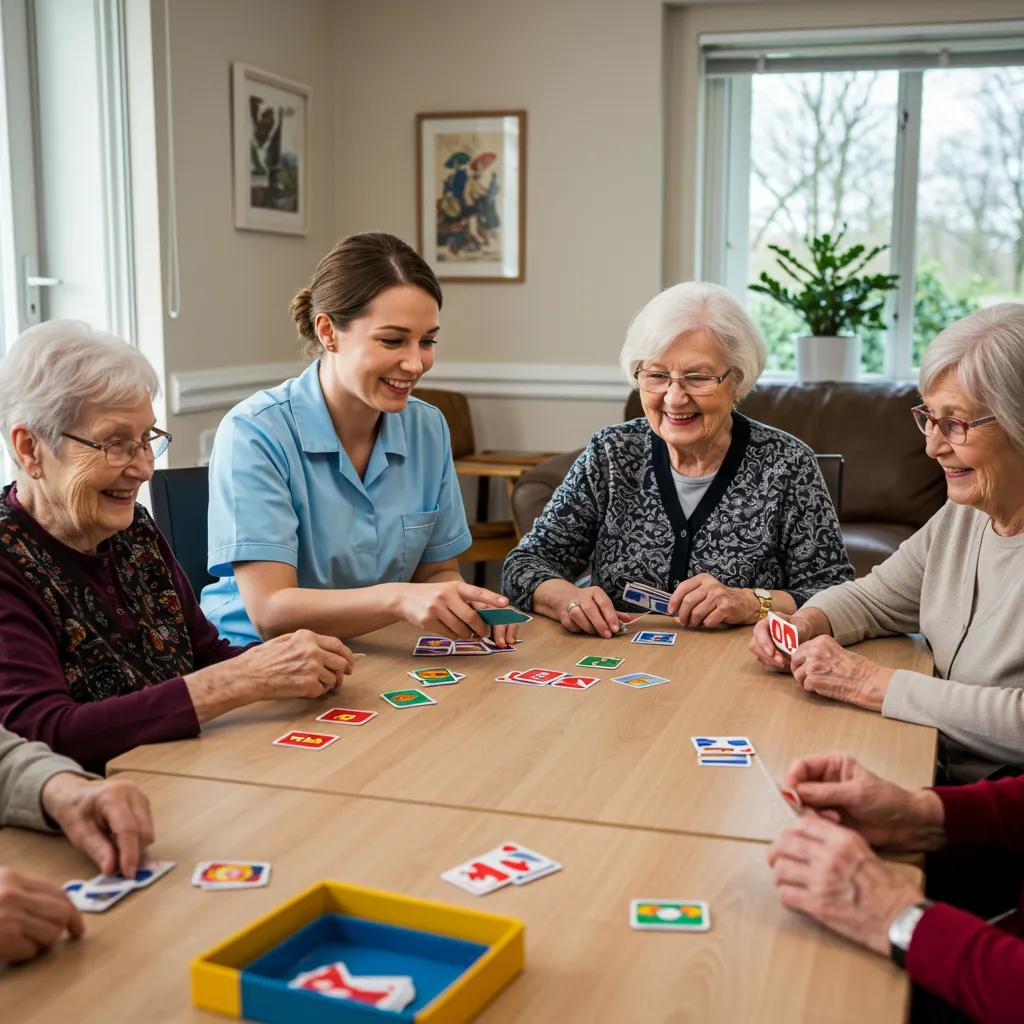
Memory games target several cognitive domains simultaneously: working memory through sequencing and recall tasks, attention through focused tasks, language through naming and conversation prompts, and executive function through planning and problem-solving puzzles. By repeatedly activating these domains, games promote neuroplasticity and strengthen patterns of neural communication, which supports day-to-day tasks like following a recipe or remembering appointments. Practical examples include word-recall exercises that boost short-term memory, matching activities that train attention and visual scanning, and sequencing tasks that reinforce planning skills. Care teams and families should expect incremental gains in engagement and function rather than cures; the real value lies in preserved independence, mood stabilization, and richer social connection.
Understanding these cognitive benefits leads directly to how memory games can moderate disease progression and maintain daily ability in real-world settings.
How Do Memory Games Help Slow Cognitive Decline in Dementia Patients?
Memory games help slow observable decline by building cognitive reserve and maintaining neural pathways through repeated, scaffolded practice that is paced to the individual’s capacity. Mechanisms include neuroplastic adaptation, increased synaptic activity from repetitive tasks, and behavioral regulation from structured routines; combined, these elements preserve function and reduce the pace of decline in measurable ways. Clinical evidence and practice guidelines emphasize that benefits are greatest when games are regular, varied, and personalized, reinforcing both procedural and declarative memory systems. Families should expect stabilization of some functional skills and improved engagement, while clinicians use games as part of a larger cognitive stimulation therapy plan.
Research indicates that structured cognitive stimulation therapy, particularly when delivered in group settings, can lead to measurable improvements in cognitive function and overall quality of life for individuals with dementia.
Cognitive Stimulation Therapy for Dementia: Improving Cognition and Quality of Life
AimsTo test the hypothesis that cognitive stimulation therapy (CST) for older people with dementia would benefit cognition and quality of life.MethodA single-blind, multi-centre, randomised controlled trial recruited 201 older people with dementia. The main outcome measures were change in cognitive function and quality of life. An intention-to-treat analysis used analysis of covariance to control for potential variability in baseline measures.ResultsOne hundred and fifteen people were randomised within centres to the intervention group and 86 to the control group. At follow-up the intervention group had significantly improved relative to the control group on the Mini-Mental State Examination (P=0.044), the Alzheimer's Disease Assessment Scale – Cognition (ADAS–Cog) (P=0.014) and Quality of Life – Alzheimer's Disease scales (P=0.028). Using criteria
Efficacy of an evidence-based cognitive stimulation therapy programme for people with dementia: randomised controlled trial, 2003
What Role Does Social Interaction Play in Memory Care Activities?
Social interaction amplifies the cognitive and emotional benefits of memory games because conversation, shared cues, and peer modeling reinforce memory through meaningful context and emotional salience. Group-based games increase motivation, provide natural prompts for reminiscence, and create opportunities for turn-taking and language practice that solitary tasks do not offer. Best practices include small group sizes, clear facilitation by trained staff, and adaptations that allow all participants to contribute; using familiar topics and sensory cues boosts autobiographical recall. Well-facilitated social activities not only strengthen cognitive skills but also reduce loneliness and increase measurable participation in daily routines.
Having reviewed why games matter, the next section lists specific game types commonly used in memory-focused care settings.
What Types of Memory Enhancement Games Are Used at Braley Care Homes in Hurricane, WV?
Memory-enhancement programming typically spans puzzles, board and card games, music and art therapy, and physical/outdoor activities; these categories are selected for their ability to target different cognitive domains and to be adapted by difficulty and sensory support. At Braley Care Homes, staff design sessions that mix individual and group formats—short jigsaw segments for visual problem-solving, reminiscence music sessions to trigger autobiographical memories, and courtyard walks that pair movement with conversation for dual cognitive-physical stimulation. Program schedules emphasize short, predictable sessions and multi-modal experiences to maximize participation. Below is a concise ItemList of common categories with one-sentence benefits for quick reference.
Common memory-enhancement activity types and their primary benefits:
Puzzle games (jigsaws, matching): Improve visual-spatial skills and sustained attention through progressive challenge.
Board and card games (adapted rules): Foster memory, turn-taking, and language via social play.
Music and art therapy (sing-alongs, painting prompts): Trigger autobiographical recall and nonverbal expression for mood lift.
Physical and outdoor activities (courtyard walks, gentle exercise): Boost circulation, sleep, and cognitive alertness through movement.
Which Puzzle Games Support Brain Health for Seniors?
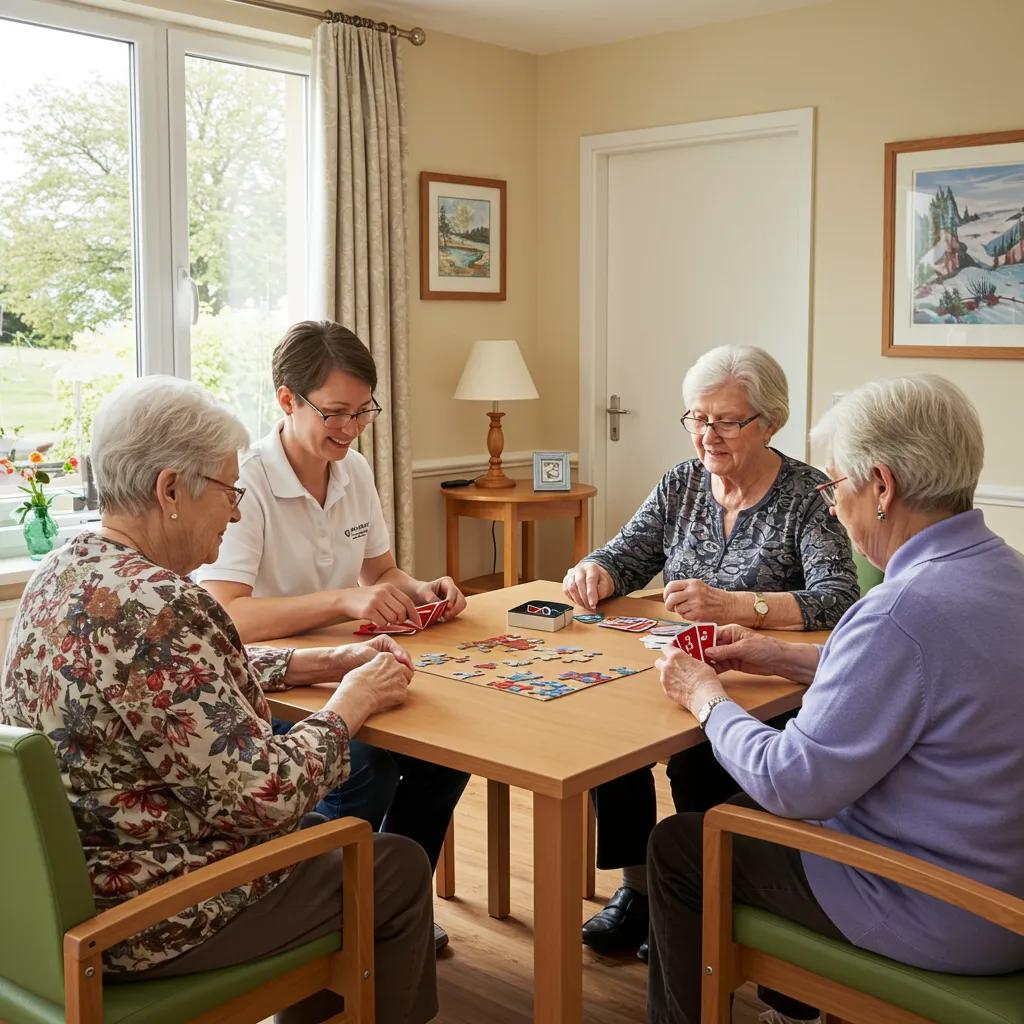
Puzzle games such as jigsaw puzzles, matching pairs, word searches, and simplified crosswords support memory and attention by requiring visual scanning, pattern recognition, and retrieval. Adaptations include using larger pieces, high-contrast images, and shorter tasks with clear goals to match sensory and motor abilities. At Braley Care Homes, staff often use large-piece family-scene jigsaws for shared problem-solving and matching card sets with pictures relevant to residents’ histories to prompt reminiscence. Facilitators break tasks into manageable steps with verbal prompts to reduce frustration and maintain success experiences.
The following table compares puzzle types, cognitive skills targeted, and practical adaptation examples used on-site.
Puzzle TypeCognitive Skills TargetedAdaptation / Example at BraleyJigsaw puzzlesVisual-spatial reasoning, attentionLarge pieces, familiar imagery, paired residentsMatching gamesShort-term memory, pattern recognitionPhoto-based pairs with life-history cuesWord searchesLanguage, visual scanningLarge-print grids, themed word listsSimplified crosswordsLanguage recall, cueingClues tied to autobiographical facts
This table shows how matching task selection to ability preserves engagement and supports targeted practice; next we explore board and card games.
How Do Board and Card Games Improve Memory and Engagement?
Board and card games improve memory by combining rule-following, turn-taking, and strategic recall in social settings that motivate participation. Simple adaptations—such as fewer steps, cooperative rules, or prompts printed on cards—allow residents with mid-stage dementia to succeed and enjoy the experience. Braley staff facilitate by using visual cues, limiting group size, and guiding turns to maintain flow and reduce confusion. Outcomes include increased conversational exchange, reinforced procedural memory, and stronger social bonds that further support cognitive activity.
Studies have explored the development of adaptive memory games that can be tailored to individual seniors' needs, demonstrating that personalized challenges can positively impact performance and engagement.
Developing Adaptive Memory Games for Seniors: Enhancing Cognitive Abilities
This paper describes the development of a game application for seniors to train their memory and learning abilities. From an initial co-discovery evaluation participants were found to prefer more cognitive challenge and expected more synergy between the games. Based on this feedback, a redesign was developed consisting of nine cognitive games, which were integrated in a higher-level maze game. In addition, each game was extended with five difficulty levels. The results of a two week field trial show that training positively affects performance, although this effect is mediated by subjective vitality. In addition, the amount of effort that participants put into playing the games contributed significantly to their experience of engagement, this in turn positively affected performance, which positively affected participants’ motivation to play the games. Participants with a high community rank experienced more pressure than participants with a lower acquired rank.
Developing an adaptive memory game for seniors, B de Ruyter, 2008
What Are the Benefits of Music and Art Therapy for Memory Recall?
Music and art therapy access emotional and procedural memory systems that are often preserved longer than episodic recall, enabling seniors to connect with past experiences through familiar songs or creative tasks. Singing well-known songs can trigger lyrics and stories, while painting or tactile crafts stimulate fine motor skills and sensory pathways linked to mood regulation. Braley incorporates sing-alongs and themed art sessions, using staff prompts and residents’ playlists to elicit reminiscence and social sharing. These therapies often produce immediate mood improvements, increased participation, and opportunities for meaningful validation.
How Does Daily Exercise and Outdoor Activities Enhance Cognitive Function?
Daily exercise and outdoor activities enhance cognitive function by improving cerebral blood flow, sleep quality, and mood—factors that support attention and memory consolidation. Simple, supervised activities such as courtyard strolls, seated aerobic routines, and garden tasks combine light physical exertion with social interaction to create cognitive gains. Braley's secure outdoor courtyard and supervised walking groups allow residents to practice orientation cues and conversational exchanges while moving safely. Integrating movement with cognitive prompts—for example, naming flowers on a walk—creates dual benefits for body and brain.
With activity types explained, the article now turns to how memory programs are personalized for each senior.
How Does Braley Care Homes Personalize Memory Enhancement Activities for Each Senior?
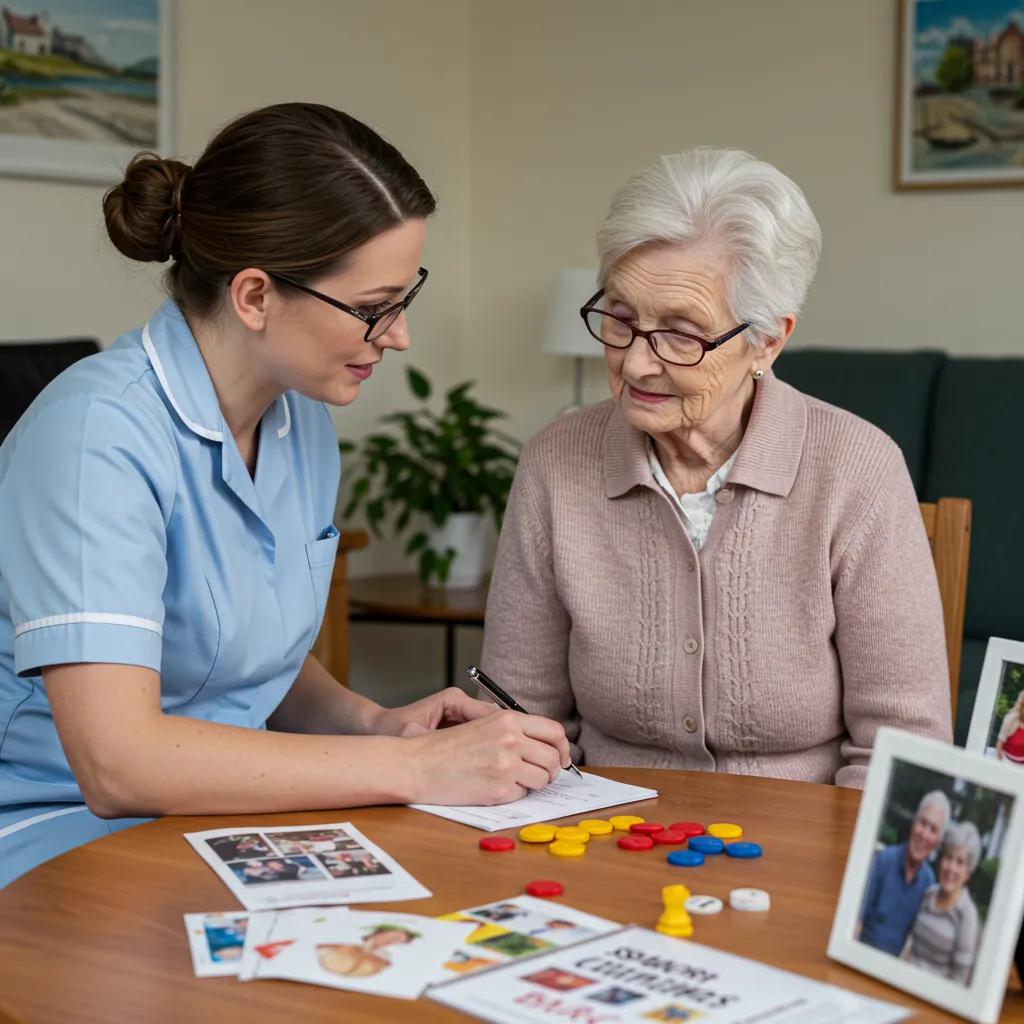
Personalization starts with a structured assessment that gathers medical history, cognitive screening, functional abilities, and life history to match activities to strengths, preferences, and safety needs. At Braley Care Homes, the assessment-to-plan workflow connects clinical evaluation to individualized activity plans that evolve with ongoing observation and family input. Staff roles—including activity coordinators and clinicians—translate assessment findings into session frequency, modality mix, and environmental supports. Families can expect transparent planning, monitoring, and regular updates so activities remain meaningful and effective over time. The table below clarifies assessment elements and how they guide activity selection.
Assessment ElementWhat Is MeasuredHow It Informs PlanningCognitive screeningOrientation, memory recall, attentionDetermines activity complexity and prompts neededFunctional abilityMobility, vision, fine motor skillsInforms materials size, supervision level, and activity formatPersonal historyHobbies, profession, favorite musicGuides content selection for reminiscence and engagementBehavioral profileAgitation triggers, sleep patternsShapes timing, group size, and calming interventions
What Is the Assessment Process for Tailoring Memory Games?
The assessment process combines clinical screening tools, observational reports, and conversations with family to build a comprehensive activity profile for each resident. Evaluations measure cognitive domains, sensory and motor abilities, and personal preferences, and staff document behavioral patterns that affect participation. Information is translated into an individualized plan that sets session length, game types, and necessary adaptations to maximize success. Families receive summaries of findings and collaborative goal-setting to align activities with meaningful outcomes.
How Are Activity Plans Adjusted for Different Dementia Stages?
Activity plans are adapted by simplifying instructions, increasing sensory cues, and shifting goals from skill improvement to comfort and engagement as dementia advances. Early-stage residents benefit from problem-solving and strategy tasks, mid-stage residents respond best to structured social games and reminiscence prompts, and late-stage care focuses on sensory stimulation and meaningful one-to-one interaction. Staff continually monitor responses and adjust pacing, materials, and facilitation techniques to preserve dignity and maintain involvement. This staged approach ensures activities remain achievable and rewarding across the disease continuum.
What Feedback Do Families Give About Personalized Memory Care?
Families commonly report that individualized activities increase engagement, reduce anxiety, and create more positive daily interactions with their loved ones, noting that tailored programming aligns better with personal interests and life story. Regular communication from staff—progress notes, informal updates, and periodic care conferences—helps families understand outcomes and contributes to shared decision-making. Rather than promising cures, staff emphasize measurable goals like increased participation and calmer behavior, and families appreciate transparent tracking of these improvements.
How Can Families and Caregivers Use Memory Games to Support Seniors at Home in West Virginia?
Families can implement short, structured memory games at home that reinforce routine, encourage social interaction, and provide meaningful cues tied to personal history. Start with 10–20 minute daily sessions using simple materials—photographs, large-piece puzzles, music playlists—and integrate activity prompts into existing routines like mealtime or walks. Caregivers should aim for consistency, positive reinforcement, and flexible pacing to avoid frustration while maximizing benefits. Local providers and memory-care teams can offer resources, guidance, and referrals when home strategies need to scale up; Braley Care Homes also provides informational support and can discuss assessment or placement options for families seeking added structure.
Step-by-step caregiver actions to introduce memory games at home:
Choose a familiar topic (family photos, favorite songs) and prepare materials in advance.
Limit sessions to 10–20 minutes and aim for daily repetition to reinforce retrieval.
Use simple, clear instructions and cueing (visual aids, prompts) to reduce confusion.
Encourage conversation around the activity and celebrate small successes to build confidence.
Pair activities with movement or sensory cues (a walk, a scented object) to deepen engagement.
What Are Easy Memory Game Ideas for Caregivers of Seniors with Dementia?
Simple at-home games include photo reminiscence (naming people and places), matching card sets with family pictures, short guided storytelling prompts, and playlists for sing-alongs that evoke memories. Materials are low-cost and setup is quick: a photo box, a set of laminated matching cards, or a playlist on a tablet. Adaptations—larger fonts, single-step instructions, and sensory elements—help accommodate visual or hearing limitations. Caregivers should document what engages the person most and rotate themes weekly to maintain novelty without overwhelming.
How Can Caregivers Encourage Cognitive Stimulation Daily?
Caregivers encourage daily stimulation by embedding short activities into established routines—morning naming tasks during breakfast, a mid-day walk with orientation cues, and an evening music session before dinner. Positive reinforcement, consistent scheduling, and environmental cues (labeled drawers, photo clocks) support memory and reduce reliance on external prompts. Balance stimulation with rest and physical activity to avoid fatigue; small, repeated practices lead to cumulative benefits over time. Families are encouraged to keep a brief activity log to track responses and adjust frequency based on mood and energy.
Where Can Families Find Support and Resources for Dementia Care in WV?
Families should reach out to statewide and community resources—Alzheimer’s Association chapters, caregiver support groups, and state elder services—for education, respite programs, and guidance on care options; these sources provide referrals, practical tools, and local workshop listings. When families need individualized assessments or are considering specialized placement, facilities that focus exclusively on memory care can offer consultations and care planning assistance. Braley Care Homes serves as a local resource in Hurricane, West Virginia, offering individualized activities and assessments to help families evaluate next steps when in-home strategies require augmentation.
Alzheimer's Association chapters and helplines for education and support groups.
State aging services for benefits counseling and respite options.
Local memory care providers for assessments and placement consultations.
Why Choose Braley Care Homes for Memory Enhancement and Dementia Care in West Virginia?
Braley Care Homes Inc. positions itself as West Virginia’s only free-standing facility dedicated exclusively to Alzheimer’s, dementia, and memory care, using a home-like design, individualized activities, and trained staff to support cognitive and emotional needs. The facility emphasizes individualized activity plans, daily exercise, pet therapy, volunteer engagement, and a secure, household-style environment with an outdoor courtyard to encourage safe movement and orientation. Leadership and clinical direction include Chris Braley, BSW, MSW, LICSW, whose personal connection to dementia informs a compassionate approach to care. For families seeking specialized memory programming, Braley offers assessments and activity-focused interventions designed to preserve dignity and improve daily engagement.
Key facility features that support memory care outcomes:
Home-like, household models that reduce stress and support orientation.
Trained staff and activity coordinators who design individualized programs.
Secure 24-hour environment and accessible outdoor courtyard for safe activity.
Therapeutic modalities including pet therapy, music, and community engagement.
What Makes Braley Care Homes the Only Standalone Memory Care Facility in WV?
Standalone memory care means the facility’s entire mission, design, staffing, and programming focus exclusively on Alzheimer’s and dementia care rather than splitting resources with broader assisted living or nursing services. This specialization enables targeted environmental design—lower-stimulus living areas, consistent routines, and dedicated activity staff—to reduce confusion and support therapeutic goals. Braley’s standalone model concentrates expertise and programming resources to create consistent, experienced care teams focused on memory-specific outcomes rather than generalized services.
How Does a Home-Like Environment Benefit Senior Memory Care?
A home-like environment supports memory care by providing familiar cues, stable routines, and smaller social groupings that reduce overstimulation and promote orientation. Psychological benefits include increased calmness, preserved identity through personalized spaces, and enhanced willingness to participate in activities. Braley uses household-scale units and communal areas such as a secure courtyard to maintain safety while offering meaningful opportunities for movement and reminiscence.
What Training and Expertise Do Braley Care Homes Staff Provide?
Staff training focuses on dementia-specific care techniques, activity facilitation, behavioral support, and emergency preparedness, supported by clinical leadership with credentials in social work and clinical social work. Chris Braley’s BSW, MSW, and LICSW background informs clinical oversight and staff development to prioritize person-centered care. Ongoing training ensures facilitators can adapt games, recognize triggers, and document progress, contributing to consistent, empathetic care delivery.
How Can You Schedule a Tour or Free Memory Care Assessment?
Families interested in a tour or a free assessment typically begin by contacting the facility’s admissions team to request an initial consultation and review of needs; during the assessment, staff review medical history, cognitive screening, and activity preferences to recommend a personalized plan. The free assessment helps identify immediate supports and clarifies whether onsite memory care or additional community resources are the appropriate next step. When urgent needs arise, families are advised to request expedited assessments so staff can rapidly evaluate placement options and safety considerations.
What Are the Latest Research Insights and Benefits of Memory Enhancement Games for Seniors?
Current research through 2023–2025 indicates that cognitive stimulation therapy and multimodal activity programs yield modest but meaningful improvements in cognition and quality of life for people with mild to moderate dementia. Meta-analyses show group-based cognitive stimulation improves cognitive test scores and increases social engagement, while music and art therapies deliver strong emotional and behavioral benefits. Limitations include variability in study design and the need for individualized approaches; nonetheless, consistent, tailored activities remain a recommended nonpharmacological intervention. Practically, combining cognitive tasks with social and physical elements produces the most robust outcomes in real-world settings.
The subsections below translate these research themes into actionable takeaways.
What Does Recent Research Say About Cognitive Stimulation Therapy?
Recent studies show cognitive stimulation therapy—structured group activities targeting memory, language, and orientation—produces small-to-moderate gains in cognition and quality of life, especially when sessions are regular and facilitator-led. Consensus statements emphasize personalization and multimodal approaches to enhance generalization of gains to daily life. Translating these findings into practice means using short, frequent sessions with social interaction and caregiver involvement to maximize benefit.
Systematic reviews and meta-analyses have consistently demonstrated the effectiveness of serious games in improving memory for older adults experiencing cognitive impairment.
Effectiveness of Serious Games for Improving Memory in Older Adults with Cognitive Impairment
Background:Memory, one of the main cognitive functions, is known to decline with age. Serious games have been used for improving memory in older adults. The effectiveness of serious games in improving memory has been assessed by many studies. To draw definitive conclusions about the effectiveness of serious games, the findings of these studies need to be pooled and aggregated.
Objective:This study aimed to assess the effectiveness of serious games in improving memory in older adults with cognitive impairment.
The effectiveness of serious games in improving memory among older adults with cognitive impairment: systematic review and meta-analysis, A Abd-Alrazaq, 2022
How Do Memory Games Reduce Anxiety and Improve Quality of Life?
Structured memory games reduce anxiety by offering predictable routines, social validation, and opportunities for mastery, which collectively lower agitation and improve mood. Sensory-rich activities like music or tactile crafts provide immediate calming effects, and repeated positive experiences reinforce participation and social identity. Practitioners should expect improvements in observable behavior and mood rather than dramatic cognitive restoration.
What Are the Projected Needs for Memory Care in West Virginia?
Demographic trends point to a growing demand for specialized memory care as the population ages, creating increased need for dedicated services that combine clinical oversight, individualized activities, and caregiver support. Local standalone memory-care models can meet complex needs by concentrating expertise and providing consistent programming designed for dementia progression. Planning for expanded capacity and caregiver education will be crucial to meet regional demand and maintain quality outcomes.
Frequently Asked Questions
What types of memory games are most effective for seniors?
Effective memory games for seniors include photo reminiscence activities, matching games, jigsaw puzzles, and simple word recall tasks. These games are designed to engage cognitive functions while being enjoyable and familiar. The best choice depends on the individual's cognitive abilities, interests, and sensory needs. Adaptations, such as larger pieces or simplified instructions, can enhance participation and success, making these games both beneficial and accessible for seniors with varying levels of cognitive decline.
How can caregivers encourage social interaction during memory games?
Caregivers can foster social interaction during memory games by organizing group activities that promote conversation and teamwork. Using familiar topics, such as family history or shared experiences, can stimulate discussion and reminiscence. Encouraging turn-taking and providing prompts can help maintain engagement. Additionally, creating a relaxed atmosphere where participants feel comfortable sharing their thoughts and memories can enhance the social benefits of the games, leading to improved emotional well-being and cognitive stimulation.
What are some signs that memory games are effective for seniors?
Signs that memory games are effective for seniors include increased participation, improved mood, and enhanced social interactions. Caregivers may notice that seniors are more engaged during activities, exhibit fewer signs of agitation, and demonstrate better recall of names or events. Additionally, consistent positive feedback from participants, such as expressing enjoyment or eagerness to play again, can indicate that the games are having a beneficial impact on their cognitive and emotional health.
How often should memory games be played for optimal benefits?
For optimal benefits, memory games should be played regularly, ideally several times a week. Short, structured sessions of 10 to 20 minutes can be effective, allowing for consistent cognitive stimulation without overwhelming the participant. Regular engagement helps reinforce memory pathways and maintain cognitive function. Caregivers should monitor the individual’s response and adjust the frequency and duration of sessions based on their comfort and engagement levels to ensure a positive experience.
Can memory games be adapted for different stages of dementia?
Yes, memory games can and should be adapted for different stages of dementia. For early-stage individuals, games that involve problem-solving and strategy may be appropriate, while mid-stage residents benefit from structured social games and reminiscence prompts. In late-stage dementia, activities should focus on sensory stimulation and one-on-one interactions. Tailoring the complexity and type of games to the individual's cognitive abilities ensures that activities remain engaging and achievable, promoting dignity and participation.
What resources are available for families seeking memory care support?
Families seeking memory care support can access various resources, including local Alzheimer’s Association chapters, caregiver support groups, and state elder services. These organizations provide education, respite programs, and guidance on care options. Additionally, facilities specializing in memory care, like Braley Care Homes, offer assessments and personalized activity plans to help families navigate care decisions. Online resources and community workshops can also provide valuable information and support for caregivers.
How can families incorporate memory games into daily routines at home?
Families can incorporate memory games into daily routines by integrating short, structured activities into existing schedules. For example, they can use mealtime for naming tasks, take walks while discussing familiar landmarks, or play music during evening routines. Keeping sessions brief and consistent helps reinforce memory while avoiding fatigue. Caregivers should celebrate small successes and adapt activities based on the senior's interests and responses, ensuring that the experience remains enjoyable and meaningful.
What Are the Best Memory Games for Seniors with Dementia?
Top picks include photo-based reminiscence, matching/pair games, large-piece jigsaws, simple word recall tasks, and music sing-alongs because they combine cognitive stimulation with familiarity and sensory cues. Selection should be based on the person’s stage, interests, and sensory abilities, with adaptations for font size, piece scale, and session length to maintain success. Prioritize activities that evoke positive emotions and allow social participation to enhance engagement.
How Do Memory Games Help with Short-Term Memory Loss?
Memory games support short-term memory through repeated retrieval practice, chunking information into manageable parts, and using retrieval cues to strengthen encoding. Practical activities include naming tasks with spaced repetition, matching tasks that require brief recall, and routine-based cues integrated into daily life to reinforce memory retrieval. Expect gradual improvements in task-specific recall rather than broad restoration of memory.
How Are Memory Games Implemented Safely in a Secure Environment?
Safe implementation relies on trained supervision, environmental modifications, simplified instructions, and structured group sizes to reduce confusion and prevent accidents. Facilities use locked, monitored units and supervised outdoor areas to allow safe activity, and staff document responses to tailor supervision levels. Materials are selected for non-toxicity and ease of handling, with facilitators trained to de-escalate agitation and adapt tasks to avoid frustration.
Can Memory Games Be Combined with Other Therapies Like Pet Therapy?
Yes—memory games are often combined with pet therapy, music therapy, and occupational approaches to create multimodal sessions that amplify cognitive and emotional benefits. Combined sessions must consider allergies, consent, and supervision; when well-planned, they provide richer sensory cues and social interaction that further support memory and mood. Coordinated care plans ensure safety and maximize therapeutic synergy.
This completes the detailed guide on memory enhancement games for seniors in West Virginia and practical pathways for families and providers to apply these strategies.
