Does Medicare Cover Memory Care?
 Chris Braley
Published on: 18/07/2026
Medicare coverage for memory care is limited. The program helps pay for specific services — cognitive assessments, home safety evaluations, care planning, hospital stays
 Chris Braley
Medicare coverage for memory care is limited. The program helps pay for specific services — cognitive assessments, home safety evaluations, care planning, hospital stays
 Chris Braley
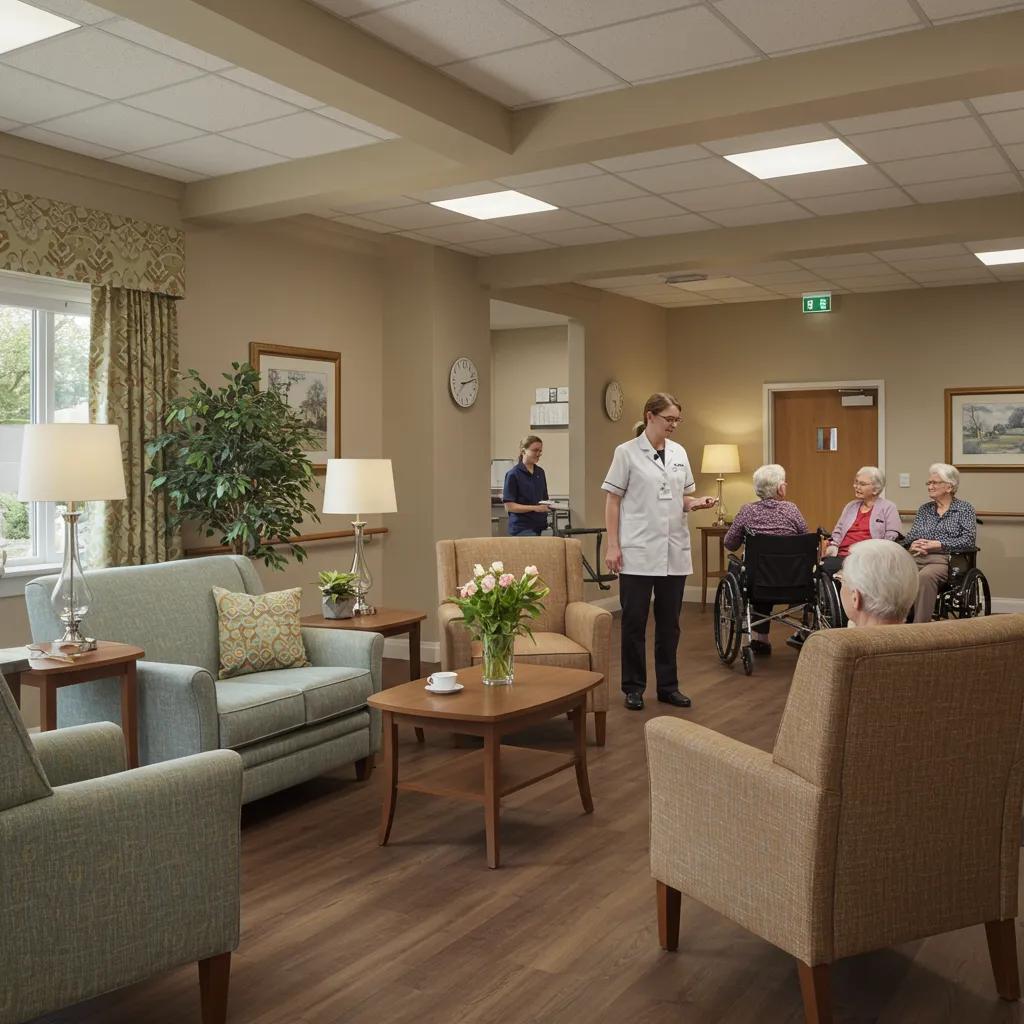
This guide explains what memory care entails in the West Virginia context, why specialized settings matter for cognitive impairment, and how families can evaluate options across the state. You will find clear definitions, comparisons with assisted living and nursing homes, state-focused cost and financial-assistance guidance, licensing highlights, caregiver resources, and practical checklists for selecting a facility. The article also highlights one verified West Virginia provider—Braley Care Homes Inc.—as an example of a standalone, home-like memory care setting and describes how families can request a free assessment. Read on for state-specific insights, city-level cost comparisons, regulatory essentials, and step-by-step guidance to help you plan safe, person-centered memory care for a loved one in West Virginia.
 Chris Braley
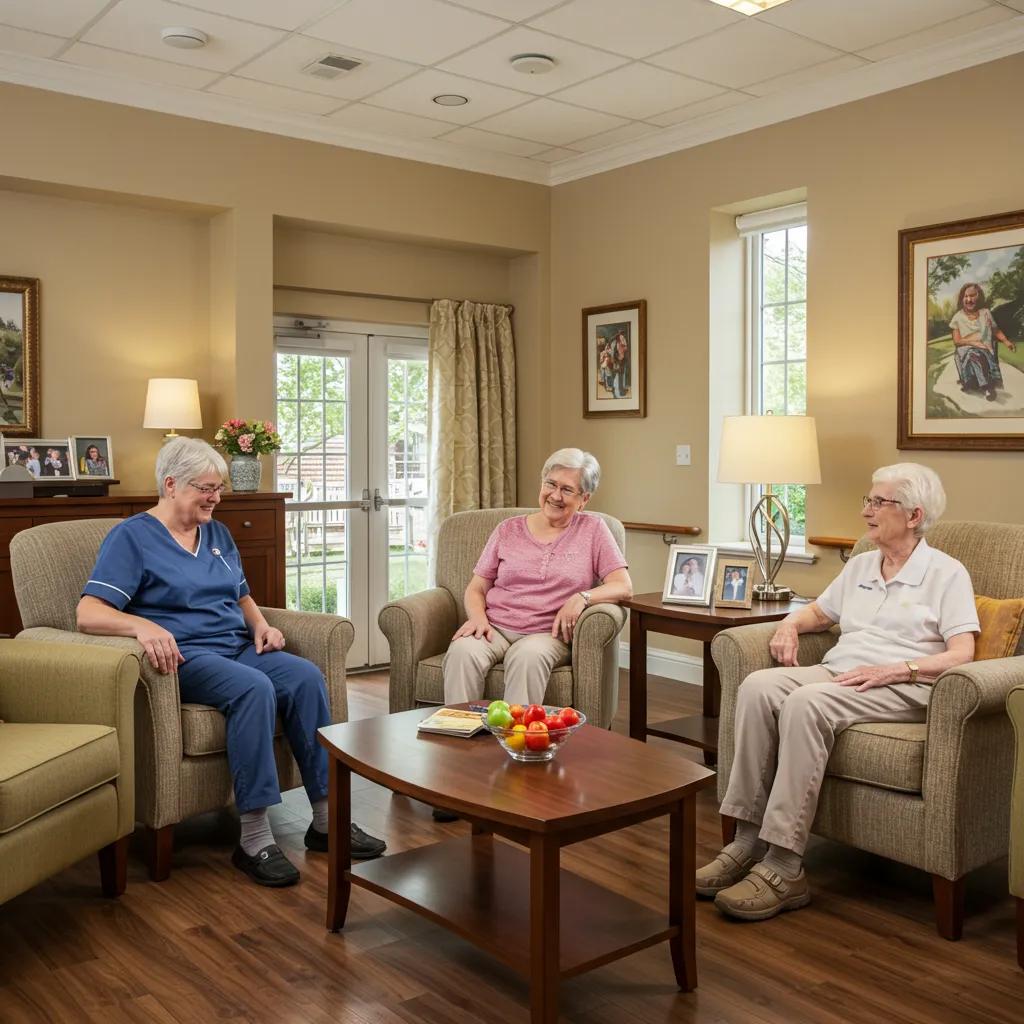
This article outlines ten evidence-based criteria and practical evaluation steps you can use when comparing local memory care programs, with concrete examples that illustrate how these criteria look in practice and how they translate into safer placements and higher quality of life. For those interested in exploring personalized options, Braley Care Homes offers comprehensive memory care services tailored to individual needs.
 Chris Braley
This guide explains what “memory care” means, why early detection matters, and how practical signs, safety risks, assessment tools, financial planning, and caregiver supports come together to inform a thoughtful transition. You will learn clear warning signs to watch for, how memory care differs from assisted living and nursing homes, assessment and next-step checklists, cost considerations specific to West Virginia, and how to support both the person living with cognitive decline and their caregivers. The article maps the stages of dementia using the Global Deterioration Scale and includes decision prompts for timing a move to a specialized setting. Throughout, the focus is education first; where appropriate the guide notes how Braley Care Homes Inc. can help with a free assessment and consultation to support families exploring memory care options.