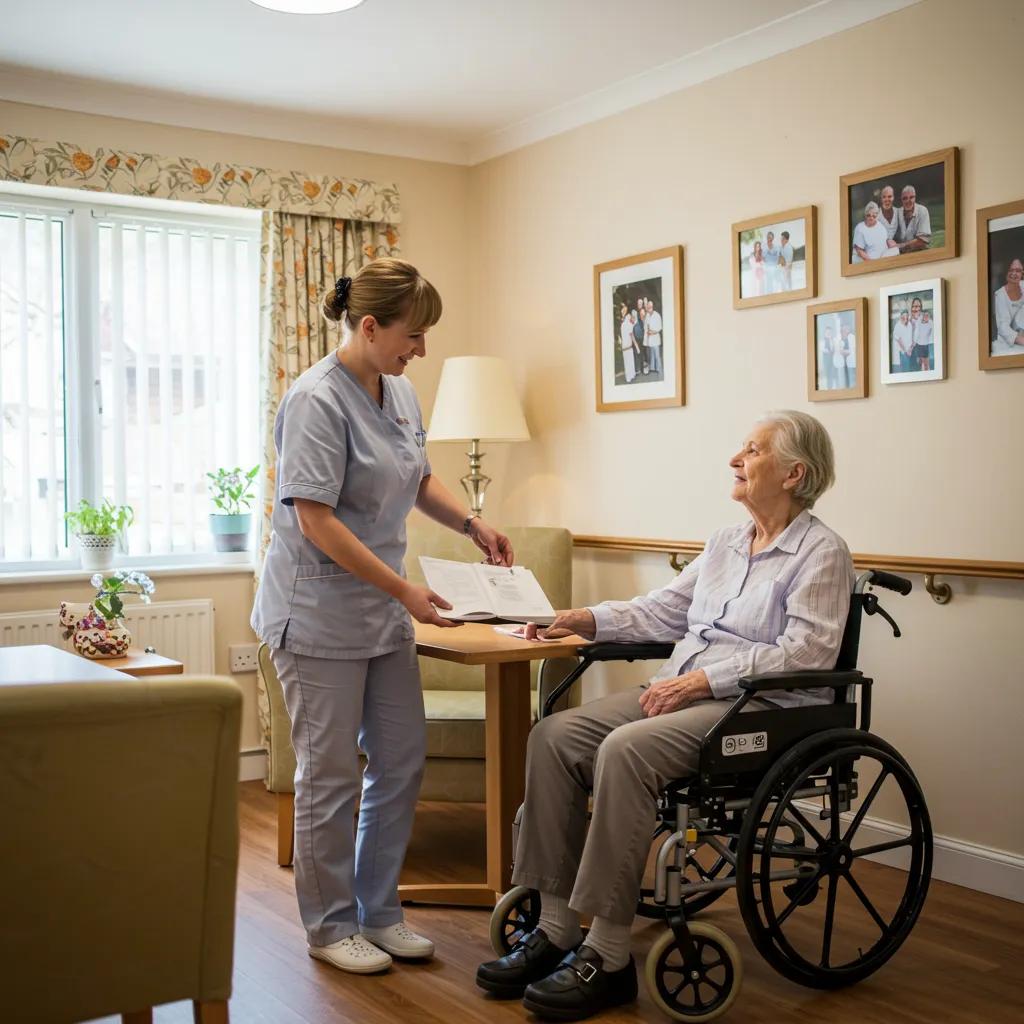
Signs Your Loved One May Need Memory Care in West Virginia: A Comprehensive Guide
Signs Your Loved One May Need Memory Care in West Virginia: A Comprehensive Guide to Early Detection and Support
Recognizing when a loved one needs memory care is one of the most difficult and consequential decisions families face, especially in West Virginia where local services and community supports shape practical options. This guide explains what “memory care” means, why early detection matters, and how practical signs, safety risks, assessment tools, financial planning, and caregiver supports come together to inform a thoughtful transition. You will learn clear warning signs to watch for, how memory care differs from assisted living and nursing homes, assessment and next-step checklists, cost considerations specific to West Virginia, and how to support both the person living with cognitive decline and their caregivers. The article maps the stages of dementia using the Global Deterioration Scale and includes decision prompts for timing a move to a specialized setting. Throughout, the focus is education first; where appropriate the guide notes how Braley Care Homes Inc. can help with a free assessment and consultation to support families exploring memory care options.
What Are the Early Signs That Indicate Memory Care May Be Needed?

Memory care becomes necessary when cognitive or functional changes begin to meaningfully compromise safety, independence, or emotional wellbeing. Early detection focuses on patterns of decline rather than isolated lapses, with emphasis on repeated failures in short-term recall, disorientation, new dependence for routine tasks, and behaviors that increase risk. Timely recognition reduces crisis-driven moves and enables planning that preserves dignity and quality of life. Read the checklist below and compare it to observed patterns over weeks or months to decide when to escalate evaluation.
The most common early warning signs include the following:
Memory loss that disrupts daily life and routines, such as repeated missed appointments or forgotten recent conversations.
Difficulty completing familiar tasks at home, at work, or during hobbies that were once routine.
Confusion about time or place that appears more than occasionally and worsens over weeks.
New safety risks like leaving the stove on, frequent falls, or wandering away from home.
Noticeable changes in mood, personality, or social withdrawal that are persistent.
Trouble with money management, unusual spending, or inability to follow bills and payments.
Repeated medication errors or inability to manage prescriptions reliably.
Communication breakdowns that cause frustration, repeated requests for clarification, or reduced social interaction.
These signs are not diagnostic on their own but signal when a medical evaluation and care assessment are appropriate. If multiple signs appear together, families should seek clinical evaluation and consider an assessment by a memory care specialist to determine the safest next steps.
Braley Care Homes Inc. can assist families in Hurricane and surrounding West Virginia communities by offering a free assessment and consultation when several of these signs are present; families can reach out to request a care assessment or use the facility’s contact pathways to arrange a visit.
What Are the Common Early Symptoms of Alzheimer’s and Dementia?
Common early symptoms center on short-term memory, word-finding, and orientation, and they often affect everyday functioning before medical tests show measurable decline. People may repeatedly ask the same questions, misplace items frequently, struggle to follow conversations, or become lost in once-familiar places. These cognitive lapses typically progress gradually and may be accompanied by subtle changes in planning, judgment, and multitasking ability, which makes daily routines harder to manage. Understanding these patterns helps families track change over time and communicate specific examples to clinicians during evaluation.
Because early cognitive symptoms are often intermittent, keeping a simple log of incidents—dates, circumstances, and consequences—can clarify trends for doctors and assessors. This documentation supports both clinical diagnosis and practical decisions about supervision, assistive technologies, or transition to a structured memory care environment.
How Do Behavioral Changes Signal the Need for Memory Care?
Behavioral and personality changes—such as increased agitation, aggression, impulsivity, or apathy—often reflect underlying neurological change rather than intentional rudeness, and they can dramatically affect caregiver safety and the home environment. When behaviors escalate to frequent agitation, physical aggression, or patterns of sundowning that unsettle sleep and routines, professional memory care becomes increasingly important. These behaviors complicate in-home care because they often require staff trained in de-escalation, therapeutic communication, and structured programming.
Families should track behavior frequency, triggers, and effective responses and discuss these patterns with clinicians; severe or dangerous behaviors are a prompt to consider specialized memory care where trained teams and secure, calming environments can reduce incidence and stabilize daily life.
When Does Decline in Daily Living Activities Suggest Memory Care?
Decline in activities of daily living (ADLs) and instrumental ADLs (IADLs) is a practical marker for when higher-level support is needed. Difficulty bathing, dressing, toileting, preparing meals, managing medications, or handling finances signals reduced capacity for safe independent living. Mild, occasional lapses might be manageable with in-home supports, but repeated inability to perform core ADLs—especially when combined with safety risks—typically indicates that a supervised residential option should be considered. Tracking the trajectory and frequency of missed ADLs helps families set thresholds for next steps and discuss appropriate levels of care with professionals.
Early planning around ADL decline allows families to explore assisted options before a crisis, reducing stress and improving outcomes for the person with dementia.
What Safety Risks at Home Indicate Memory Care Is Necessary?
Certain home safety incidents are red flags for memory care evaluation because they present immediate danger: unobserved cooking fires, repeated falls with injury, wandering or elopement episodes, and medication overdoses or omissions. When mitigation measures—locks, alarms, medication dispensers, or supervised visits—fail to sufficiently reduce risk, a secure memory care environment that prevents elopement and provides continuous supervision becomes necessary. A short safety checklist below can help families evaluate risk.
Install simple checks for risk and monitor whether they meaningfully reduce incidents.
Note any near-miss events such as almost falling on stairs, leaving stove unattended, or getting lost while driving.
Track medication errors and whether dispensers or visiting nurses correct the problem reliably.
If safety incidents continue despite reasonable interventions, a secure memory care setting with structured supervision and environmental design focused on wandering prevention is typically the safer option. Transition planning based on documented safety incidents helps families and clinicians prioritize the person’s security and wellbeing.
How Do Communication Difficulties and Social Withdrawal Affect Care Needs?
Declining language skills and social withdrawal increase isolation, reduce appetite, worsen mood, and accelerate functional decline, making structured social engagement and communication-focused therapies central to effective care. When conversation becomes fragmented, the person may stop attending social activities, become more irritable during interactions, or lose interest in previously enjoyed hobbies—changes that directly affect quality of life. Memory care programs that emphasize small-group activities, validation therapy, and purposeful routines can restore engagement, improve mood, and stabilize functioning.
Encouraging structured participation and seeking environments that prioritize communication-friendly activities helps families maintain connection while ensuring daily needs are met and monitored closely.
How Is Memory Care Different from Assisted Living and Nursing Homes in West Virginia?
Memory care is a specialized subset of residential senior care focused on dementia and cognitive impairment, combining 24/7 supervision, secure design, staff trained in dementia care, and programs targeting cognition, behavior, and meaningful engagement. Assisted living provides personal care and some supervision for residents who remain largely independent with ADLs, while nursing homes deliver skilled medical and rehabilitative care for those with complex medical needs. The core distinction is the combination of specialized training, environmental safety features, and dementia-tailored programming that memory care prioritizes to reduce agitation and wandering while supporting routines and identity.
Different care settings vary in staffing, security, and programming:
Care SettingTypical Staffing & TrainingPrimary StrengthMemory CareStaff trained specifically for dementia, focused on de-escalation and cognitive engagementSecure environment and specialized programming for dementia symptomsAssisted LivingCaregivers provide help with ADLs and medication reminders with general senior care trainingIndependence-preserving support for chronic but stable conditionsNursing HomeLicensed nurses and clinical teams able to manage complex medical and rehabilitative needsAdvanced clinical care and skilled nursing services
What Defines Specialized Memory Care Services?

Specialized memory care services center on secure facility design, staff with dementia-specific training, and therapeutic activities that respond to cognitive and emotional needs. Programs typically include structured daily routines, personalized engagement plans, validation and reminiscence therapy, and environmental cues that reduce disorientation. These services aim to maintain function and reduce distress by creating predictable days, simplifying choices, and using familiar objects and activities to stimulate residual memories. Families should look for teams with training in behavior management and for programs that emphasize dignity and individuality.
Understanding these defining features helps families evaluate whether a facility truly specializes in dementia care or is a general setting with a memory wing.
How Does Memory Care Compare to Assisted Living and Nursing Homes in WV?
For West Virginia families, regulations, cost, and local availability influence the choice between these settings, with memory care often being a standalone option that concentrates expertise and environmental design for dementia. The table below summarizes practical decision prompts and typical attributes to guide families when comparing options locally.
AttributeMemory CareAssisted LivingNursing HomeSecurityHigh, secured exits and wandering preventionVariable, not always securedVariable, clinical focus over securityADL SupportIntensive assistance with ADLs and routinesHelp with ADLs and independenceFull ADL and skilled nursing supportProgrammingDementia-focused activities and routinesGeneral social and wellness programmingRehabilitation and clinical therapy focusBest ForPrimary cognitive impairment with safety/behavior risksMobility or mild cognitive issues with independenceMedical complexity requiring nursing care
What Are the Benefits of Choosing a Standalone Memory Care Facility?
Standalone memory care facilities concentrate resources, staff expertise, and environmental design specifically on dementia, producing benefits such as reduced agitation, lower risk of elopement, and programming tailored to resident preferences. Smaller, home-like settings tend to support individualized routines and maintain personal identity through memory-focused activities and consistent caregiving teams. Families often report that specialized environments lead to better stabilization of behavior and improved day-to-day wellbeing compared with mixed-care campuses where dementia care is dispersed among many competing clinical priorities. Choosing a standalone option can therefore reduce hospital transfers and increase resident comfort by prioritizing predictable routines and familiar surroundings.
Families should prioritize facilities that emphasize personalized care plans and staff retention to maintain continuity and familiarity for residents.
When Should Families Consider Memory Care for Dementia in West Virginia?
Consider memory care when a combination of safety incidents, ADL decline, persistent behavioral symptoms, or caregiver burnout creates unsustainable risk or deteriorating quality of life at home. Clinically, repeated safety events, documented ADL dependence, and assessments showing significant cognitive impairment are common triggers for placement. Practically, families should consider memory care when home supports no longer reliably prevent dangerous incidents or when caregiver health and wellbeing are compromised; acting earlier can prevent crisis transfers and support better long-term outcomes. Next steps include arranging medical evaluation, a formal care assessment, and considering legal and financial planning to prepare for transition.
A clear yes/no style prompt: Consider memory care when repeated safety incidents occur, ADL dependence increases, behaviors pose risk, or caregiver burnout limits safe care. The rationale is that specialized settings provide targeted supervision, structured routines, and trained staff to maintain safety and quality of life.
How Do Care Assessment Tools Help Determine Memory Care Needs?
Care assessment tools—cognitive screens, ADL/IADL scales, and structured functional assessments—translate observations into measurable indicators that inform placement decisions. Cognitive screens quantify memory and executive function, while ADL scales document ability to manage bathing, dressing, toileting, eating, and medication. Interpreting these results alongside physician reports and behavioral logs clarifies whether the person requires continuous supervised care. Families should bring specific incident records and examples to assessments so scores reflect real-world functioning and safety concerns.
If an assessment identifies moderate-to-severe deficits in cognition and ADLs, it typically points toward a specialized memory care setting where daily routines and supervision are built into care plans. Braley Care Homes offers a free assessment and consultation as part of practical next steps; families can schedule a visit, arrange a tour, or submit a placement inquiry to begin the process.
What Role Do Doctor Recommendations and Diagnoses Play?
A clinical diagnosis anchors care planning and can affect eligibility for benefits and supports; physicians and specialists document cognitive decline, provide diagnostic clarity, and recommend appropriate levels of care. Doctor notes that specify functional impairment, behavioral symptoms, and safety risks are especially useful for intake teams and for applications to public benefits. Families should request clear documentation of cognitive testing results, medication lists, and any behavioral management recommendations to accompany placement or funding requests. Collaborative communication between primary care, neurology or psychiatry, and the chosen facility ensures care continuity.
Preparation of medical records and a concise summary of functional abilities helps the receiving team design an immediate plan and supports smoother transitions to residential memory care.
How Can Families Recognize and Address Caregiver Burnout?
Caregiver burnout presents as chronic fatigue, irritability, sleep disruption, declining personal health, and emotional withdrawal; recognizing these signals early is crucial because caregiver incapacity directly threatens resident safety. Addressing burnout begins with concrete steps: arranging respite care, delegating responsibilities, seeking counseling or support groups, and engaging community resources to share tasks. Short-term respite or trial stays can inform long-term decisions while preserving caregiver wellbeing. If burnout persists despite supports, transitioning the loved one to memory care often protects both the caregiver’s health and the resident’s safety.
Caregiver Burnout and Preventing Nursing Home Placement
1. Caring for patients with major neurocognitive disorders, other neuropsychiatric disorders, or functional impairments can lead to caregiver burnout, resulting in premature nursing home placement of the patient and increased risk for physical health problems and mortality in the caregiver. This chapter discusses risk factors and management strategies to help prevent early nursing home placement due to caregiver burnout, to prevent deterioration of caregiver health related to the burden of caregiving, and to reduce adverse health outcomes for patients. This chapter’s goal is to educate clinicians how to reduce risk of caregiver burnout and to preserve a rich and meaningful experience of a caregiver-patient relationship.
Families should use a caregiver self-checklist and proactively plan respite and transition steps before critical incidents occur to avoid crisis-driven placements.
What Legal and Financial Factors Should Be Considered?
Key documents and financial arrangements should be prepared early: durable power of attorney for health and finances, advance directives, and a review of assets and insurance to determine funding options. Knowing legal authority to make placement and financial decisions prevents delays when care decisions are urgent. Families should consult an elder law attorney or financial advisor if there are complex assets, long-term care insurance questions, or concerns about Medicaid eligibility. Having clear documentation expedites assessments and placements and assists in applying for any applicable benefits.
Compiling these documents in advance reduces stress and facilitates swift action when a move to memory care becomes necessary.
What Financial Planning Options Are Available for Memory Care in West Virginia?
Planning for memory care in West Virginia involves understanding typical cost drivers, how Medicaid and VA benefits may apply, and practical family strategies for budgeting and accessing resources. Costs vary by setting, level of services, and location, so families should obtain local estimates and factor in private pay versus benefit-supported options. Practical steps include early financial review, documentation of medical need for benefit eligibility, and exploring respite or trial options to evaluate affordability before committing to long-term placement. The table below summarizes common financial attributes and planning notes relevant to West Virginia families.
Cost ElementAttributeTypical WV Value / NoteMonthly Private PayRange depends on facility and level of careVaries by region and services; families should request local estimatesMedicaid / WaiverMay cover long-term services with eligibility criteriaRequires asset and income review and clinical documentationVA BenefitsPension or aid may assist eligible veteransCheck eligibility for VA pension or aid-and-attendance benefit
How Much Does Memory Care Typically Cost in West Virginia?
Memory care costs reflect staffing ratios, security features, medical oversight, and programming intensity; regional differences within West Virginia influence pricing. Families should obtain written fee schedules and ask which services are included versus billed separately, such as medication administration or therapy programs. Cost drivers include level of functional dependence, behavioral support needs, and whether hospice or skilled nursing services are required. Requesting sample invoices and clarification about additional fees prevents surprises and supports accurate budgeting.
Comparing multiple facilities with similar programming and asking about bundled service options helps families identify value relative to cost and resident needs.
What Medicaid and VA Benefits Support Memory Care Costs in WV?
West Virginia Medicaid programs and certain VA benefits may offset long-term care costs for eligible individuals, but eligibility depends on medical need, income, and asset limits; families should consult state resources and veterans’ benefits counselors for precise guidance. Medicaid waivers can provide home- and community-based services that delay residential placement, while VA pension or aid-and-attendance benefits can assist veterans with routine living costs. Preparing medical documentation and financial records in advance streamlines applications and improves the chances of timely approval.
Engaging specialists—benefits counselors or elder law attorneys—can clarify individual eligibility and help families choose the most appropriate funding pathway.
How Can Families Plan for Long-Term Memory Care Expenses?
Effective planning begins with a realistic budget, an inventory of assets, and timelines for likely transitions based on current functional trajectory. Practical steps include setting aside emergency funds, exploring long-term care insurance if available, and documenting medical need to support public benefits applications. Families should create a checklist of questions for financial advisors and compare potential out-of-pocket scenarios under different placement timelines. Early conversations about funding reduce stress during transitions and allow families to evaluate options like private pay, benefit-supported care, or blended approaches.
A timeline-based plan that accounts for expected progression and potential need for higher-level care helps families align finances with likely future needs.
Why Choose Braley Care Homes Inc. for Memory Care in West Virginia?
Braley Care Homes Inc. is a specialized, free-standing memory care facility located in Hurricane, West Virginia, with a singular focus on Alzheimer’s, dementia, and other memory impairments. The facility emphasizes a home-like environment, individualized activities, and a secure therapeutic setting staffed around the clock to support activities of daily living, medication administration, and routine-based programming. Leadership includes owner/administrator Chris Braley, a Licensed Independent Clinical Social Worker (LICSW), which informs clinical oversight and an emphasis on compassionate, expert care. Braley Care Homes serves families across Hurricane and broader West Virginia communities and offers a free assessment and consultation to guide placement decisions.
Key unique value propositions include:
Specialized standalone memory care facility focused exclusively on dementia.
24/7 professional staff trained in dementia care and behavior management.
Home-like environment designed to reduce agitation and support routine.
Individualized care plans and therapeutic activities tailored to resident history and preferences.
Free assessment and consultation available to families exploring placement.
These proof points help families evaluate whether a specialized setting aligns with their needs and preferences. To explore placement options, families can schedule a tour, request a free assessment and consultation, or submit a placement inquiry to learn how Braley Care Homes can support transitions.
What Makes Braley Care Homes a Specialized Memory Care Facility?
Braley Care Homes centers services on dementia-specific needs, providing continuous supervision, medication administration, assistance with ADLs, and structured routines that support stability. Staffing includes professionals trained to manage behavioral symptoms and to use therapeutic approaches that draw on residents’ strengths and memories. The facility’s standalone model ensures focus on memory care rather than being a mixed-use campus, which allows for consistent programs and environmental design that reduces confusion. These elements combine to create predictable days that enhance safety and wellbeing for residents living with memory impairment.
Families evaluating options should look for this alignment of staffing, environment, and programming in any prospective memory care partner.
How Does a Home-Like Environment Benefit Residents with Dementia?
A smaller, home-like setting reduces sensory overload, supports familiar routines, and preserves dignity through personalization and close caregiver relationships. Such environments use consistent schedules, familiar objects, and calming design cues to lower anxiety, reduce wandering triggers, and improve mealtime and sleep patterns. The result is often improved mood, less agitation, and greater participation in daily activities. For families, home-like settings can maintain a sense of continuity and identity for loved ones while delivering needed supervision and therapeutic programming.
Choosing a memory care environment that emphasizes personalization and routine supports long-term quality of life and emotional comfort.
What Individualized Care and Activities Does Braley Care Homes Offer?
Braley Care Homes develops individualized care plans that tap into residents’ histories, preferences, and remaining strengths to create meaningful daily activities and engagement blocks. Programming emphasizes cognitive stimulation, music or reminiscence activities, light physical movement, and purposeful household tasks that reinforce routine and identity. Staff tailor schedules to minimize triggers for agitation and to capitalize on times of day when residents are most receptive to participation. A sample daily block might include morning grooming and breakfast routines, mid-morning engagement activity, afternoon social time, and evening calming rituals.
These individualized approaches aim to sustain function, reduce distress, and preserve dignity through person-centered care.
How Can Families Schedule a Free Assessment or Tour?
Scheduling begins with a simple outreach to express interest and request a free assessment and consultation; families can then arrange a visit, a guided tour, or submit a placement inquiry to explore potential matches. During the free assessment, expect a review of medical history, current functional abilities, behavioral patterns, and discussion of preferences and goals for care. Families should bring recent physician notes, medication lists, and examples of daily incidents or safety concerns to inform recommendations. Braley Care Homes encourages families to use the free assessment and consultation to make informed decisions and to plan practical next steps such as tours or placement inquiries.
These steps help families move from uncertainty to an actionable plan that prioritizes safety and wellbeing.
How Can Families Support Loved Ones and Caregivers During Memory Care Transitions?
Transitions to memory care require emotional preparation, practical planning, and community support to minimize disruption and preserve relationships. Effective transitions begin with honest conversations about goals and preferences, gradual exposure to the new environment through visits or short stays, and careful transfer of routines and familiar items to the new setting. Caregiver needs must be addressed alongside resident needs to prevent burnout and ensure sustainable involvement. The checklist below highlights immediate support actions families can take.
Create a transition packet with familiar items, photographs, and a daily routine summary to bring to the new setting.
Plan several short visits before moving in to build familiarity and reduce anxiety.
Arrange respite and counseling supports for caregivers to cope with emotional stress.
Using these steps prepares both the resident and the family for a smoother transition and fosters continuity of identity and care.
What Resources Help Manage Caregiver Stress and Burnout?
Caregiver supports include respite care services, local support groups, counseling, and practical assistance from community programs that reduce caregiving load. Immediate strategies for stress reduction include delegating tasks, setting realistic daily goals, maintaining regular medical care, and accessing peer support groups focused on dementia caregiving. Local agencies and nonprofit organizations often provide education, respite vouchers, and connection to trained volunteers. Seeking help early prevents crisis and preserves the caregiver’s health, enabling sustained involvement in care decisions.
Timely use of respite options and support groups provides practical relief and emotional validation during challenging periods.
How Can Families Maintain Quality of Life for Loved Ones with Dementia?
Maintaining quality of life centers on purposeful engagement, preserving choices, and adapting activities to current abilities, such as simplified hobbies, music therapy, and sensory stimulation that reconnect the person to positive memories. Communication techniques—using short sentences, visual cues, and validation—reduce frustration and support meaningful interactions. Environmental adaptations like consistent labeling, routine calendars, and simplified spaces minimize confusion and promote independence. These approaches, when embedded in routines, help sustain mood, appetite, and participation in daily life.
Families and care teams should collaborate to tailor activities that reflect the person’s history and preferences to preserve dignity and enjoyment.
What Local Support Services Are Available in West Virginia?
West Virginia families can access state and nonprofit resources that provide caregiver education, benefit counseling, and respite services to supplement residential options. State health and human services agencies, Alzheimer’s Association chapter resources, and local respite providers offer structured programs, caregiver training, and referrals to financial and legal advisors. Contacting these organizations early helps families locate community-based supports and funding guidance tailored to West Virginia. Combining these supports with residential planning creates a comprehensive network that eases transitions and sustains long-term care strategies.
Connecting with state and local resources builds capacity and reduces isolation for both caregivers and families.
What Are the Stages of Dementia and How Do They Affect Memory Care Needs?
The Global Deterioration Scale (GDS) outlines seven stages of cognitive decline, ranging from no impairment through severe dementia, and each stage maps to evolving care needs, supervision levels, and recommended settings. Early stages emphasize monitoring and compensation strategies, while middle stages require increased supervision, structured routines, and specialized programming. Late stages require comprehensive personal care and often 24/7 clinical oversight. Understanding stage progression helps families time interventions, access supports, and choose a setting that matches current and near-term needs.
The table below maps GDS stages to symptoms and recommended care.
StageTypical SymptomsCare Needs / Recommended Setting1–2No or very mild subjective complaintsMonitoring and lifestyle supports at home3–4Noticeable memory lapses and reduced complex functionIncreased supervision, consideration of memory care or in-home supports5–7Major functional dependence and severe cognitive declineMemory care or nursing-level support with 24/7 supervision
What Are the Seven Stages of Dementia According to the Global Deterioration Scale?
The seven GDS stages progress from no cognitive decline to very severe cognitive decline, describing gradual loss of memory, language, orientation, and self-care ability. Early stages involve subtle forgetfulness and decreased complex task performance, middle stages show pronounced memory loss and need for assistance with daily tasks, and late stages include loss of communication and complete dependence. Using clear examples—like repeated disorientation or inability to dress—helps families match behaviors to stages and anticipate care needs. Recognizing stage progression informs timing for interventions and appropriate residential choices.
Documenting specific examples against each stage supports clinical evaluations and benefits applications.
How Do Care Needs Change at Each Stage?
Care needs escalate predictably: initial monitoring and compensatory strategies evolve into structured routines, increased supervision, personalized activities, and eventually full assistance with ADLs and medical management. Early-stage interventions focus on cognitive supports and safety planning, mid-stage care emphasizes behavior management and secure routines, and late-stage care requires clinical oversight, assistance with feeding and mobility, and palliative considerations. Anticipating these needs allows families to plan transitions, budget for increasing services, and arrange legal and financial protections ahead of time.
A staged plan reduces reactive decision-making and improves continuity of care as needs change.
A video overview of the seven stages of dementia can be found here:
Reisberg's 7 Stages of Dementia
Frequently Asked Questions
What should families do if they notice early signs of memory decline?
If families observe early signs of memory decline, it is crucial to document specific behaviors and changes over time. Keeping a log of incidents can help track patterns and provide valuable information during medical evaluations. Families should consult with healthcare professionals to discuss their observations and seek a formal assessment. Early intervention can lead to better outcomes, so proactive communication with doctors and memory care specialists is essential for planning appropriate next steps.
How can families prepare for a transition to memory care?
Preparing for a transition to memory care involves emotional and practical steps. Families should have open discussions about the move, addressing concerns and preferences. Creating a transition packet with familiar items, photographs, and a summary of daily routines can ease the adjustment. Additionally, scheduling visits to the new facility before the move can help familiarize the loved one with the environment. Engaging in gradual exposure and ensuring caregiver support can significantly reduce anxiety for both the resident and family members.
What role do support groups play for caregivers?
Support groups provide caregivers with a vital network of emotional and practical support. They offer a space to share experiences, challenges, and coping strategies with others facing similar situations. Participating in these groups can help reduce feelings of isolation and stress, allowing caregivers to gain insights and encouragement. Many organizations also provide resources, educational materials, and access to respite care options, which can alleviate caregiver burnout and improve overall well-being.
How can families assess the quality of memory care facilities?
To assess the quality of memory care facilities, families should visit multiple locations and observe the environment, staff interactions, and resident engagement. Asking about staff training, resident-to-staff ratios, and the types of activities offered is essential. Families should also inquire about safety measures, emergency protocols, and how the facility addresses behavioral challenges. Reading reviews and seeking recommendations from healthcare professionals can provide additional insights into the facility's reputation and quality of care.
What are the common misconceptions about memory care?
Common misconceptions about memory care include the belief that it is only for individuals in the late stages of dementia or that it is the same as nursing home care. In reality, memory care is designed for individuals with cognitive impairments at various stages, focusing on specialized support and engagement. Additionally, memory care facilities often provide a more secure and structured environment tailored to the needs of residents, which differs significantly from general nursing homes that cater to a broader range of medical needs.
How can families maintain communication with loved ones in memory care?
Maintaining communication with loved ones in memory care is essential for emotional connection and support. Families can use simple language, visual aids, and familiar topics to facilitate conversations. Regular visits, phone calls, or video chats can help reinforce relationships. Engaging in activities that the loved one enjoys, such as listening to music or looking through photo albums, can also enhance communication. Consistency in visits and interactions fosters a sense of security and belonging for residents in memory care.
What should families consider when evaluating financial options for memory care?
When evaluating financial options for memory care, families should consider the total cost of care, including monthly fees, additional services, and potential out-of-pocket expenses. Understanding eligibility for Medicaid, VA benefits, and long-term care insurance is crucial for financial planning. Families should also explore local resources and community programs that may offer financial assistance or guidance. Consulting with financial advisors or elder law attorneys can help families navigate complex financial decisions and ensure they are making informed choices regarding funding memory care.
