Dementia Wandering: Why It Happens and How Families Can Help
Dementia Wandering: Why It Happens and How Families Can Help
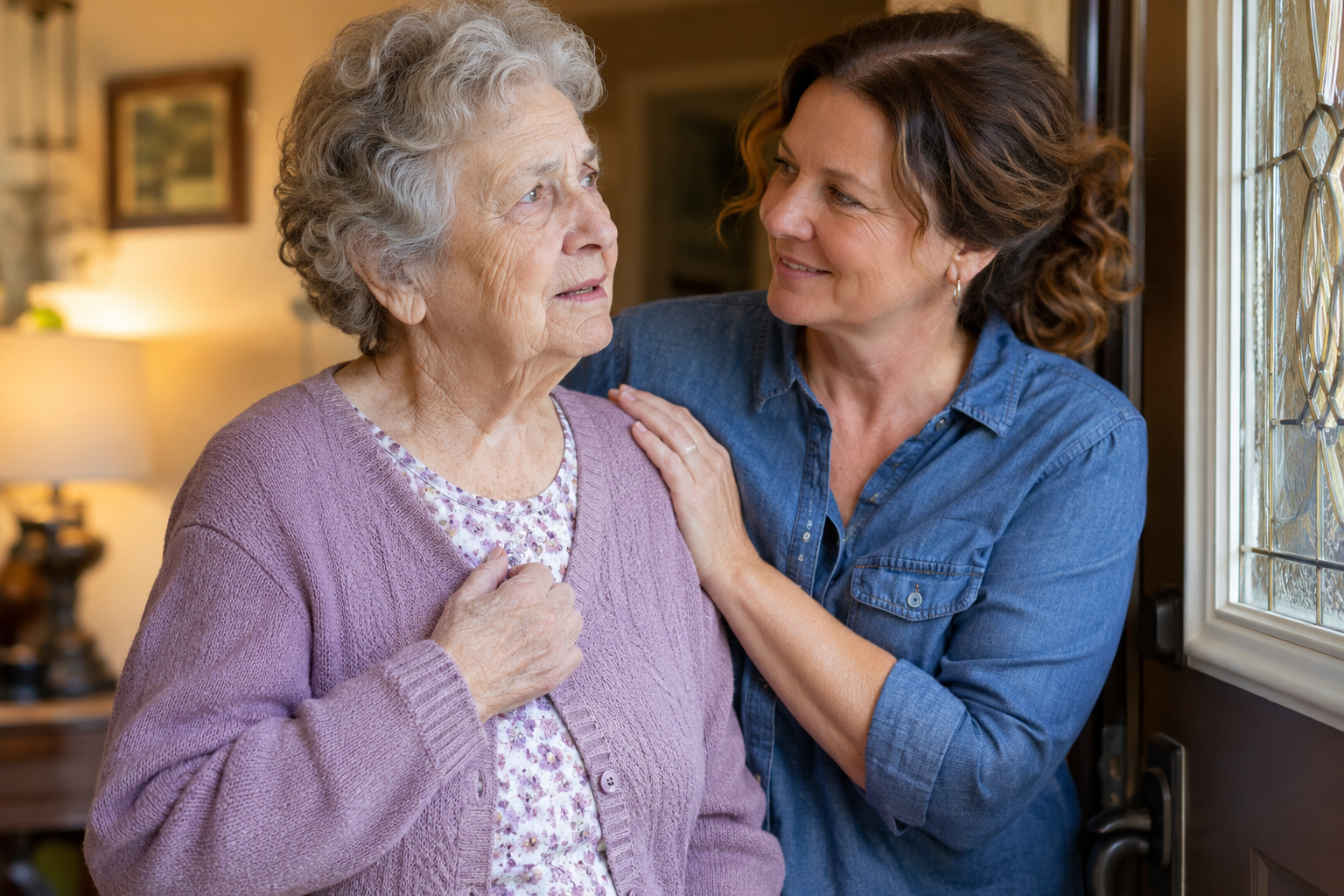
If you care for someone living with Alzheimer's or another dementia, you may already know the feeling: you turn around, and the front door is open, or the phone rings and a neighbor says they just saw Mom walking along the road in her slippers. Wandering is one of the most stressful parts of dementia care, and it's also one of the most common.
According to the Alzheimer's Association, six in 10 people living with dementia will wander at least once, and many do so more than once. It can happen at any stage of the disease, including the early stage. The good news is that understanding why it happens and planning ahead can lower the risk and help you act quickly if it does happen.
This guide explains why people with dementia wander, how to recognize early warning signs, and what families can do to keep their loved ones safe. It also covers what to do if someone goes missing and when it may be time to consider a secure memory care setting.
Why Do People With Dementia Wander?
Wandering is rarely aimless. To the person, there is usually a reason, even if they can't explain it. Dementia affects the parts of the brain that recognize places and faces, so a familiar street, or even their own kitchen, can suddenly feel strange.
Common reasons include:
Trying to "go home." Many people ask to go home even when they are home. Often "home" means a childhood house, an earlier stage of life, or simply a place where they felt safe and capable.
Following old routines. A retired teacher may get ready for school. A former miner or plant worker may set out for a shift. The routine is still there even after the job has ended.
Unmet needs. Looking for a bathroom, feeling hungry or thirsty, being in pain, or being too hot or cold can all lead someone to get up and go looking for relief.
Restlessness or boredom. Long stretches with nothing to do can build up energy and anxiety that come out as pacing or leaving.
Stress or overstimulation. Noise, crowds, or a busy room can make someone want to escape.
Time of day. Many people become more confused and restless in the late afternoon and evening. If that sounds familiar, our guide to sundowning in dementia explains what's happening and what helps.
When your loved one says they need to leave, arguing or correcting them usually raises their distress. Responding to the feeling behind the words ("You miss home. Tell me about it.") often works better. Our article on validation therapy for dementia goes deeper into this approach.
Early Warning Signs of Wandering
Wandering often begins with small changes. The Alzheimer's Association lists these common signs that a person may be at risk:
Coming back from a regular walk or drive later than usual
Forgetting how to get to familiar places
Talking about going to work or meeting other old obligations
Wanting to "go home" even when they are at home
Restlessness, pacing, or repetitive movements
Trouble finding the bathroom, bedroom, or kitchen
Asking where past friends or family members are
Seeming busy with a chore or hobby, but nothing gets done
Looking lost in a new or changed place
Getting nervous or anxious in crowded places like stores or restaurants
If you notice one or more of these, it's a good time to start planning, even if your loved one has never actually gotten lost.
How to Reduce the Risk of Wandering at Home
No single step can guarantee that someone won't wander, but combining a few can make a real difference.
Build a Calm, Predictable Day
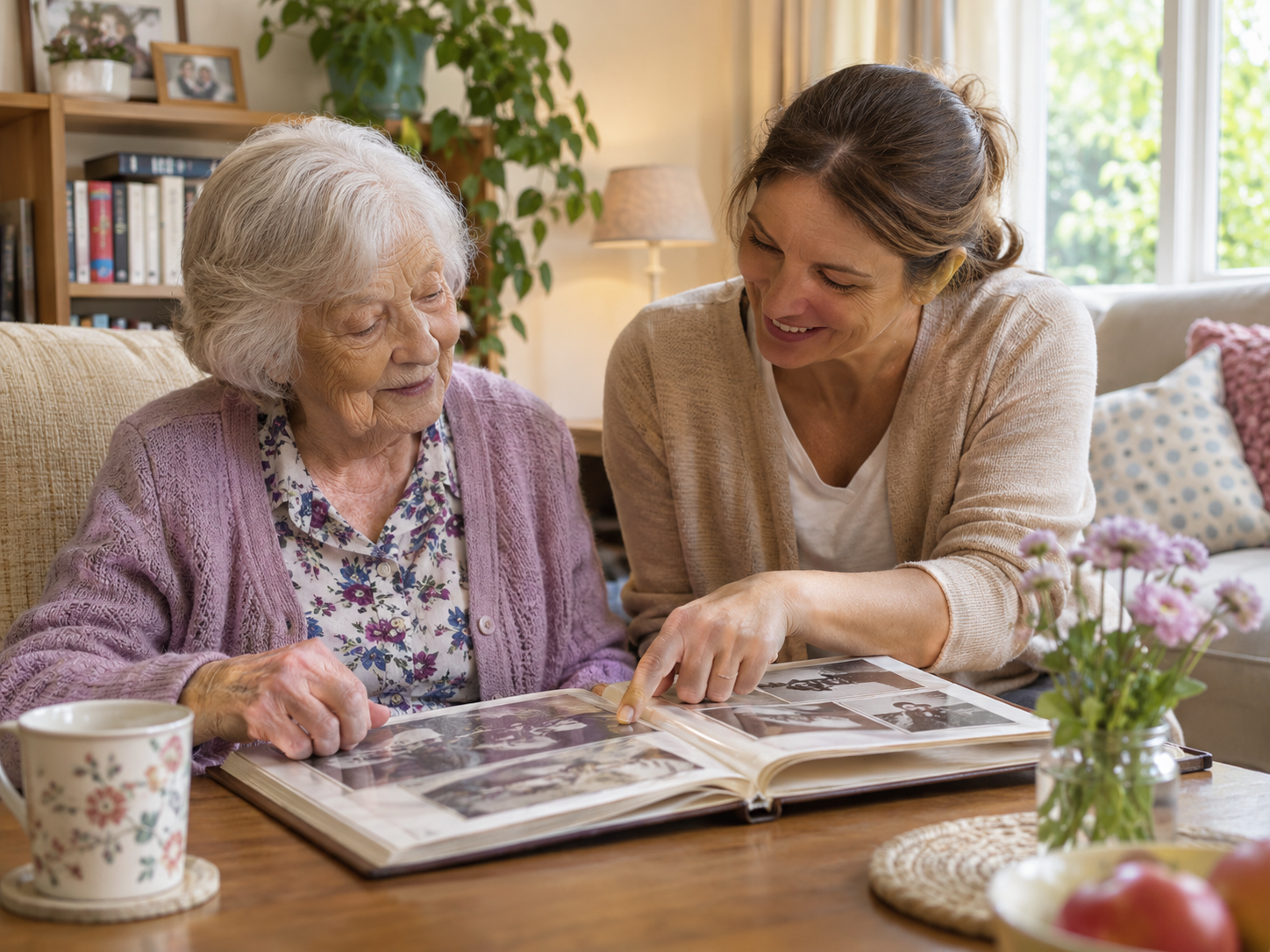
Plan structured, meaningful activities throughout the day, such as folding laundry, setting the table, looking at photo albums, listening to favorite music, or taking a supervised walk.
Notice when wandering tends to happen and schedule something engaging for that time. For many families, that's late afternoon or early evening.
Make sure basic needs are covered: regular bathroom trips, meals and snacks, water, and comfortable clothing.
Offer reassurance when your loved one seems lost, scared, or abandoned. A calm voice and a familiar face go a long way.
Make the Home Safer
For a full room-by-room checklist, see our guide to Alzheimer's care and safety at home. For wandering specifically, consider:
Door locks out of sight. Put deadbolts high or low on exterior doors, where they aren't in the person's direct line of sight.
Alerts. Chimes or bells above doors, door alarms, or pressure-sensitive mats by the door or bed can let you know when your loved one is up and moving.
Camouflage. Painting a door the same color as the wall, covering it with a curtain, or covering the knob can make an exit less noticeable.
Night lights in hallways and bathrooms to cut down on nighttime confusion.
A safe place to walk. A fenced yard or patio gives your loved one somewhere to move freely without risk.
Put away "leaving cues." Coats, hats, purses, wallets, and car keys by the door can trigger the urge to go.
Car safety. If your loved one no longer drives, keep the keys out of reach. People with dementia may forget they've stopped driving.
One important caution from the Alzheimer's Association: never lock a person with dementia in a home alone, and never leave them alone in a car.
Plan Before Anything Happens
Keep a recent, close-up photo of your loved one ready to share.
Let trusted neighbors know about the diagnosis and ask them to call you if they see your loved one out alone.
Consider an ID bracelet or a wandering response service.
Make a list of places they might try to go: a former home, an old workplace, a church, or a favorite restaurant.
Know the hazards nearby. Around Hurricane and the Kanawha Valley, this can mean creeks and ponds, wooded hillsides, and busy roads such as I-64.
What to Do If Your Loved One Goes Missing
If you realize your loved one is gone, act right away. Time matters.
Start searching immediately. Check the house, yard, garage, and car first, then the area close by. Many people who wander are found within about 1.5 miles of where they went missing.
Look in the places they've gone before and the places on your list.
Check the landscape. People are often found in brush, along tree lines or fence lines, or near water.
Call 911 if you haven't found them within 15 minutes. Tell the dispatcher your loved one has dementia, and share the photo and a description of what they're wearing.
You don't have to handle this alone. The Alzheimer's Association's free 24/7 Helpline (800-272-3900) can help you think through a safety plan.
When Home Safety Isn't Enough

Many families manage wandering at home for a long time with the right routines and safeguards. But it's worth being honest with yourself if:
Your loved one has left home or gotten lost more than once
Wandering happens at night, while you're asleep
You're constantly on alert and not sleeping well yourself
Locks and alarms are no longer enough, or are making your loved one more upset
There are serious hazards nearby, such as busy roads or water
These can be signs that your loved one needs more support than one caregiver can safely give. Our guide to the signs your loved one may need memory care can help you think it through.
Choosing memory care doesn't mean giving up. It means your loved one has a secure place to move around freely, and you get to be a son, daughter, or spouse again instead of a full-time guard.
How Braley Care Homes Helps Families in the Hurricane Area
Braley Care Homes has been caring for families in Hurricane, West Virginia, since 2005, and has focused on Alzheimer's, dementia, and memory care since 2008. Our approach is simple: quality care in a home-like environment.
For families worried about wandering, a few things matter most:
A secure home, 24 hours a day. Our facility is locked around the clock, so residents are protected from leaving unnoticed.
A secure outdoor courtyard. Residents can get fresh air and walk outside safely.
Individualized activities and behavior programming. Meaningful activities tailored to each person help address the restlessness, boredom, and anxiety that often lead to wandering.
Learn more about our memory care services, or reach out to talk with us about your loved one's needs. We offer a free assessment and welcome families to visit and see our home in person.
Wandering is frightening, but you don't have to face it alone. Whether you're looking for ideas to keep your loved one safe at home or starting to explore memory care, we're here to help.
This article is for general information and isn't medical advice. Talk with your loved one's doctor about changes in behavior or safety.
