Understanding Assisted Living Memory Care Standards in WV
Assisted Living Memory Care Standards in West Virginia: What Families Need to Know
Memory care in West Virginia refers to specialized assisted living services designed for people living with Alzheimer's disease, related dementias, or significant cognitive impairment that affects daily functioning. State standards matter because they set the minimum protections for safety, staffing, training, and the physical environment—elements that directly affect resident wellbeing and family reassurance. This guide explains which West Virginia agencies regulate memory care, the licensing and safety requirements that facilities must meet, and the specific dementia-care training expectations for staff. Families will also find practical cost guidance, steps for choosing the right facility, and a focused look at life inside a free-standing, memory-focused home in West Virginia. Later sections summarize current regional trends and list official state resources that help with licensing questions, financial assistance, and advocacy. Read on to learn how regulations, staffing, safety, and financial programs intersect so you can make an informed placement decision for a loved one.
What Are the Key West Virginia Memory Care Regulations and Licensing Requirements?
Memory care in West Virginia is governed by state health and licensing rules that require specialized oversight, licensing, and safety measures tailored to residents with cognitive impairment. These regulations ensure that facilities provide secure environments, appropriate staffing, trained personnel, and documented care plans that address behavioral and medical needs. Understanding which agencies set and enforce these rules helps families evaluate compliance, file complaints, or request inspection records. The following subsections break down the responsible agencies, licensing categories for dementia units, regulatory differences from general assisted living, and core safety mandates facilities must meet.
Which State Agencies Regulate Memory Care Facilities in West Virginia?
As of January 1, 2024, the West Virginia Department of Health and Human Resources (DHHR) was eliminated and split into three separate agencies:
Department of Health: Includes the Bureau for Public Health, Office of Emergency Medical Services, Office of the Chief Medical Examiner, Center for Threat Preparedness, Health Care Authority, Office of Inspector General, and Human Rights Commission.
Department of Health Facilities: Includes the Bureau for Behavioral Health, Bureau for Child Support Enforcement, Bureau for Family Assistance, Bureau for Medical Services, Bureau for Social Services, and Office of Drug Control Policy.
Department of Human Services: Includes Hopemont Hospital, Jackie Withrow Hospital, John Manchin Sr. Health Care Center, Lakin Hospital, Mildred Mitchell-Bateman Hospital, Welch Community Hospital, and William R. Sharpe, Jr. Hospital.
These agencies set licensing rules, conduct inspections, and respond to complaints to protect resident rights and safety. Families can request inspection summaries and complaint outcomes from these offices to confirm a facility's regulatory standing. Knowing the agencies and their roles simplifies follow-up, whether confirming license status or reporting concerns about resident care or safety.
The table below summarizes the key agencies, the license or program names they administer, and a brief description of their regulatory role for memory care.
AgencyLicense / ProgramRole / SummaryDepartment of HealthOversight & policySets statewide health policy, coordinates long-term care programs and resources for vulnerable adults.Department of Health FacilitiesFacility licensingIssues licenses, inspects assisted living and memory care units, enforces compliance and complaint resolution.Department of Human ServicesAdvocacy & complaintsAdvocates for resident rights, assists with complaints, and guides families on grievance procedures.
What Are the Licensing Standards for Alzheimer's and Dementia Care Units in WV?
Licensing standards for dementia-specific units emphasize specialized care plans, safe physical design, and documentation to meet the needs of cognitively impaired residents. Facilities with a dementia focus must demonstrate policies for behavior management, individualized care plans, and procedures for medication administration and emergency response. Physical standards often require secure exits, safe wandering areas, and environmental adjustments that reduce confusion and support daily routines. Families should review facility license type, inspection history, and written policies on dementia care to confirm alignment with regulatory expectations.
These licensing criteria ensure that facilities document resident assessments, maintain clear clinical records, and apply consistent protocols for behavioral incidents. Reviewing those documents during a tour helps families evaluate whether the license type and operational practices match a loved one's care needs.
How Do Assisted Living and Memory Care Regulations Differ in West Virginia?
Assisted living regulations address general needs for older adults, while memory care rules layer on additional requirements specific to cognitive impairment and safety. Memory care standards typically require focused staff training, environmental safeguards such as secure wandering areas, and care-plan features tailored to behavioral symptoms. Assisted living rules emphasize supports for activities of daily living and medication management for residents who can self-advocate more effectively. Families should compare the two sets of rules to understand why memory care units have specialized staffing and design provisions that address dementia-specific risks.
A direct comparison clarifies expectations: memory care centers concentrate on preventing elopement, managing agitation, and delivering consistent routines, while assisted living focuses on broader independence supports. This distinction helps families match a facility's license and programming to clinical and behavioral needs.
What Safety and Security Measures Are Required in WV Memory Care Facilities?
Safety mandates for dementia care in West Virginia revolve around preventing resident elopement, ensuring timely emergency response, and designing environments that reduce hazards and confusion. Required measures commonly include controlled entry points, staff monitoring procedures, and evacuation plans adapted for memory-impaired residents. Best practices add secure indoor/outdoor wandering areas, clear wayfinding, and environmental design that reduces fall risk and supports orientation. Families should seek facilities with written emergency protocols and visible design features that promote safe movement and supervision.
To evaluate safety effectively, ask for documented evacuation plans that account for cognitive impairment and observe whether communal spaces and private rooms are arranged to minimize hazards. These observations can reveal how seriously a facility implements both mandated and best-practice safety features.
What Are the Mandatory Dementia Care Staff Training Requirements in West Virginia?
State training requirements for dementia care staff define minimum competencies in communication, behavior management, medication safety, and emergency reporting to ensure consistent quality of care. Training rules typically specify initial orientation hours, periodic continuing education, and topic areas that facilities must cover for direct-care staff and supervisors. Documentation and recordkeeping are essential: facilities must maintain training records and show that staff competencies are reassessed over time. The subsections below summarize numeric hour expectations, required topics, and how a memory-focused facility can document practices that exceed these minimums.
How Many Training Hours Are Required for WV Memory Care Staff?
West Virginia mandates baseline training for staff who work in assisted living and memory care settings, with additional topic-focused hours for dementia care roles. Initial orientation covers core safety, resident rights, and emergency procedures, while ongoing annual training reinforces dementia-specific skills and behavior support strategies. Training requirements vary by staff role, with direct-care workers typically needing the most frequent competency refreshers. Families should ask facilities to produce current training logs that show initial and annual hours completed for staff who will care for their loved one.
Maintaining up-to-date training documentation supports regulatory compliance and gives families confidence that staff receive regular instruction on best practices for dementia care and safety.
What Topics Must Be Covered in West Virginia Dementia Care Training?
Training curricula must cover several core topics that support safe, person-centered dementia care: communication techniques, behavior management, medication administration protocols, emergency response, and awareness of resident rights. Each topic links directly to outcomes such as reduced agitation, safer medication practices, and enhanced dignity for residents. Effective programs also include practical skills for de-escalation and recognizing signs of medical deterioration. Ensuring these topics are taught and practiced helps staff respond consistently to common dementia-related challenges, improving resident wellbeing.
A facility's written training syllabus should identify topic durations, learning objectives, and evaluation methods so families can verify that staff are prepared to manage complex behavioral and clinical situations.
How Does Braley Care Homes Exceed WV Staff Training Standards?
Braley Care Homes Inc. positions its staffing model and leadership to meet and surpass state expectations through specialized focus and documented approaches specific to Alzheimer's and dementia residents. The home emphasizes a multidisciplinary staff that includes trained aides and clinical oversight under the leadership of Chris Braley, owner/administrator and LICSW, supported by registered nursing roles. Braley Care Homes provides 24/7 supervision, individualized care plans informed by detailed social histories, and hands-on strategies such as "step into their reality" to reduce distress and support daily functioning. Families touring the facility can request training logs and observe trained staff interactions that align with these stated practices.
These practices demonstrate how a free-standing, dementia-focused home can combine licensed clinical leadership, continuous supervision, and individualized plan development to exceed minimum training expectations and support safer, more consistent resident care.
How Much Does Memory Care Cost in West Virginia and What Financial Assistance Is Available?
Memory care costs in West Virginia vary by location, level of services, and the facility's model, with regional differences driven by local labor, real estate, and service offerings. Typical monthly figures provide families with planning benchmarks, while assistance programs such as the Medicaid Aged and Disabled Waiver (ADW) and certain VA benefits may offset eligible services (though room and board in assisted living is generally not covered by Medicaid). The subsections below present average cost context, Medicaid coverage nuances, VA benefit options, and pragmatic steps families can take to plan and compare expenses across facilities.
What Is the Average Cost of Memory Care in Different WV Cities?
Average monthly memory care costs in West Virginia reflect city-by-city differences driven by local demand and facility types, with urban areas generally showing higher averages than rural communities. Factors that influence cost include staff-to-resident ratios, included services such as transportation and meals, and whether the setting is a free-standing memory care home or a larger assisted living campus. Families should compare total monthly fees and what is included—meals, medication administration, activities, transportation—when evaluating value across locations. Reviewing sample fee schedules and asking about potential add-on charges helps avoid unexpected expenses.
The table below outlines typical cost categories and notes on which services commonly affect price differences in the state.
Cost ElementTypical ImpactNotes / Typical CoverageBase monthly feeMajor driverCovers room, basic supervision, meals in many facilitiesClinical servicesModerateMedication administration or skilled nursing increases costActivities & therapiesVariablePrograms like pet therapy or transportation may be included or charged separatelyLocationSignificantUrban centers often have higher fees due to labor and property costs
Does West Virginia Medicaid Cover Memory Care Services?
Medicaid in West Virginia does not typically pay for room and board in assisted living facilities, but it can cover authorized personal care and some clinical services through programs like the Medicaid Aged and Disabled Waiver (ADW) for eligible individuals. The waiver may fund personal assistance, skilled services, or equipment when criteria are met, though eligibility and covered services are determined through state program rules and assessments. Families should consult state waiver offices or facility social workers to understand what services may be reimbursable for a specific resident. Gathering this information early in planning helps identify funding gaps and timelines for enrollment.
Knowing Medicaid's role clarifies which expenses families are likely to pay privately and which services may qualify for waiver support.
What VA Benefits and Other Financial Supports Are Available for Dementia Care in WV?
Veterans and surviving spouses may qualify for VA pension benefits or Aid & Attendance allowances that help with long-term care costs, including assistance for daily living and specialized care needs when eligibility criteria are met. Other local supports can include elder-services grants, charitable programs, and regional aging-services resources that provide counseling on benefit applications. Families should contact veteran service officers and facility social services for guidance on applying for VA assistance and on how those benefits can be coordinated with Medicaid ADW support. Early inquiry speeds access to potential financial resources and supports placement planning.
Exploring VA and local programs alongside Medicaid options often creates a combined funding pathway that reduces out-of-pocket burden when eligibility exists.
After reviewing average costs and assistance pathways, families seeking placement help or an on-site assessment can contact Braley Care Homes Inc. as a local resource. Braley Care Homes is West Virginia's only free-standing Alzheimer's, dementia, and memory care facility, operating as a 16-bed home with a secure outdoor courtyard, 24/7 supervision, individualized care plans, three meals and snacks daily, transportation, laundry, pet therapy, daily exercise, and celebrations. Families may arrange tours or inquire about placement assessments and assistance with benefits enrollment through the facility's administrative contacts.
How Do You Choose the Right Memory Care Facility in West Virginia?
Choosing the right memory care setting requires comparing regulation compliance, staff training, safety features, daily programming, and the match between resident needs and facility services. A structured checklist helps families evaluate facilities objectively during tours and follow-up conversations. Key considerations include admission criteria, resident rights protections, prioritized questions to ask staff, and how a specialized, free-standing memory care home compares to other options. The subsections below provide actionable criteria, rights summaries, a top-ten question list for tours, and an illustrative comparison referencing Braley Care Homes as an example of a free-standing memory care option.
What Are the Admission Criteria for WV Memory Care Facilities?
Admission typically requires a clinical assessment of activities of daily living (ADLs), behavioral profile, medication list, and documentation from healthcare providers. Facilities evaluate whether they can safely meet a prospective resident's needs and may require financial prequalification or proof of available funds to cover services not covered by public programs. Preparing medical records, current medication lists, and relevant legal documents speeds the admissions process. Families should request the facility's written admission policy and clarify what triggers transfer or discharge to ensure continuity of care.
Reviewing criteria in advance helps match resident needs to a facility's capacity and reduces the risk of an immediate transfer due to unmet clinical or behavioral requirements.
What Resident Rights Are Protected in West Virginia Assisted Living?
Residents in assisted living and memory care retain rights to dignity, privacy, informed consent, and participation in care-planning decisions where possible. Complaint procedures and access to ombudsman services provide mechanisms for raising concerns and seeking resolution. Facilities must respect choices about daily routines while ensuring safety for those with cognitive impairment. Families should obtain written summaries of resident rights and the steps for filing complaints to understand protections and advocacy options.
Knowing these rights empowers families to advocate effectively for person-centered care and to escalate issues when needed.
What Questions Should Families Ask When Evaluating WV Memory Care Homes?
A focused list of questions helps families compare facilities consistently and quickly identify strengths and red flags during visits. Below are essential topics and sample questions to use during tours.
Staffing & Training: How are staff trained in dementia care and how often is training refreshed?
Safety & Security: What measures prevent elopement and how are emergency evacuations handled?
Care Planning: How are individualized care plans developed and updated with family input?
Activities & Therapies: What daily activities and therapies are offered and how are they individualized?
Costs & Contracts: What is included in monthly fees, and what services are extra?
Using this checklist during visits creates direct comparisons across facilities and clarifies which settings align with care priorities.
How Do Braley Care Homes' Services Compare to Other WV Facilities?
As an illustrative example, Braley Care Homes Inc. operates as a free-standing, specialized memory care home with a 16-bed, home-like environment focusing exclusively on Alzheimer's and dementia care. Compared to larger assisted living campuses, Braley emphasizes small-scale, individualized programming, secure wandering areas, pet therapy, and consistent 24/7 supervision. While other facilities may offer broader medical services or larger activity schedules, Braley's specialization provides families with an option centered strictly on dementia support and a secure outdoor courtyard. Families should weigh the benefits of small, specialized homes versus larger campuses based on clinical needs, social preferences, and safety priorities.
This comparative framing helps families understand trade-offs between specialized free-standing memory care and more generalized assisted living or nursing home options.
What Is Life Like at Braley Care Homes: Personalized Memory Care in West Virginia?
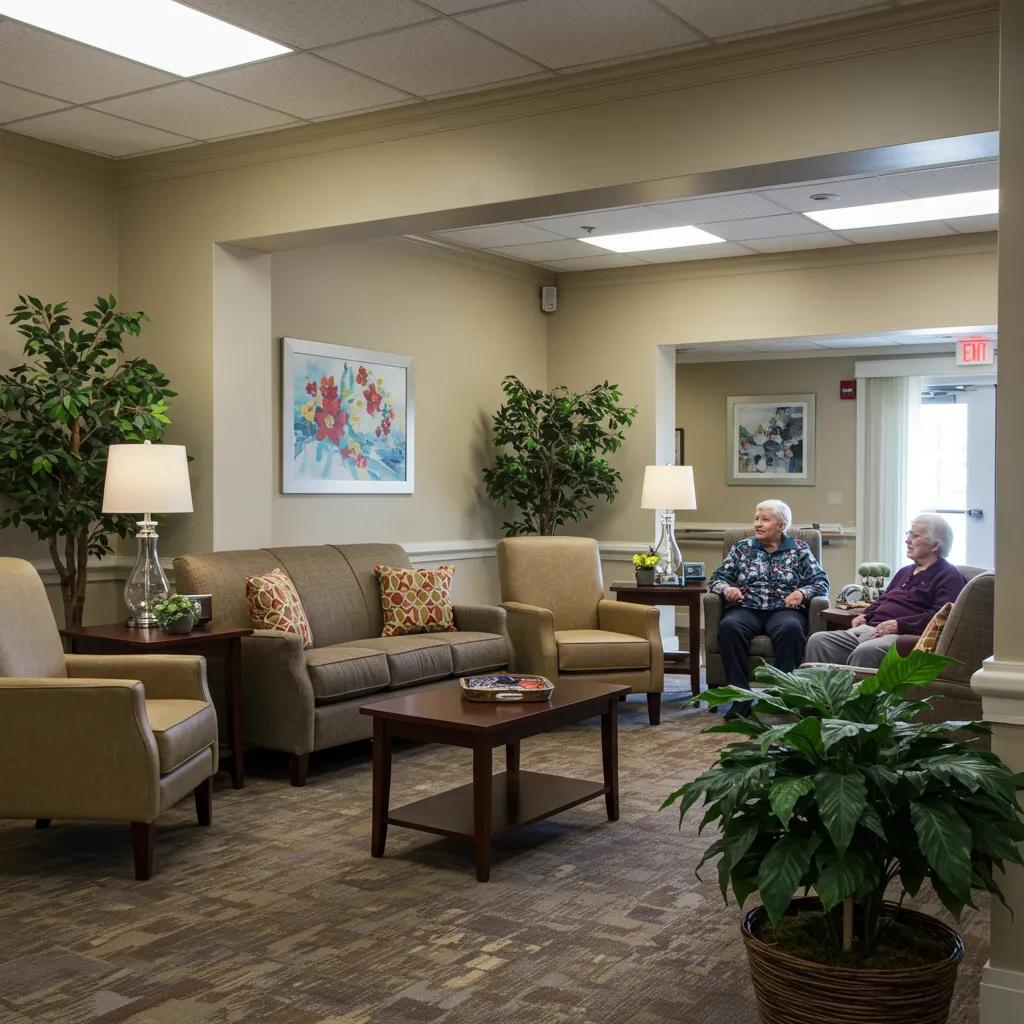
Life at Braley Care Homes centers on individualized routines, social histories informing care plans, and activities designed to engage residents in meaningful ways. The home-like 16-bed scale supports personalization of rooms and daily rhythms, while the secure outdoor courtyard and design features allow safe wandering and outdoor time. Staff deliver 24/7 supervision and tailored interactions aimed at reducing distress and preserving dignity. The following subsections explain how care plans are developed, which activities support residents, safety design elements, and the kinds of peace-of-mind families can expect.
How Are Individualized Care Plans Developed and Monitored at Braley Care Homes?
Braley Care Homes uses in-depth social histories and assessments to create individualized care plans that reflect a resident's life story, routines, and triggers. Plans incorporate practical strategies—such as stepping into a resident's reality—to reduce agitation and encourage engagement in daily activities. Staff monitor progress and adjust plans as behaviors change, documenting interventions and outcomes for continuity. Families are encouraged to share background details that inform person-centered approaches and to participate in periodic reviews of the care plan.
This assessment-driven, family-engaged process helps ensure plans remain responsive to evolving needs and preserve personal identity within daily care.
What Specialized Activities and Therapies Support Memory Care Residents?
Daily programming at Braley Care Homes includes individualized activities, daily exercise, pet therapy, and regular celebratory events such as birthdays and holidays that promote social connection and routine. Activity choices are tailored to residents' preferences and cognitive abilities to maximize participation and wellbeing. Exercise sessions provide gentle physical activity that supports mobility and mood, while pet therapy offers comfort and social stimulation that can reduce anxiety. Celebrations and life-enrichment events reinforce a sense of community, continuity, and emotional connection for residents and families alike.
These therapeutic and social activities combine to create a meaningful daily structure that supports cognitive engagement and emotional health.
How Does Braley Care Homes Ensure Safety and Comfort for Residents?
Safety at Braley Care Homes is achieved through a locked facility footprint with video surveillance in common areas, secure indoor/outdoor wandering routes, and a courtyard designed for safe outdoor access. The home-like environment enables room personalization while reducing institutional cues that can increase confusion. Staff provide 24/7 supervision to respond promptly to needs and to maintain routines that support comfort and reduce distress. These physical and operational features together promote a balance of safety, dignity, and personal freedom within a dementia-focused setting.
Families touring the home can observe how environmental design and supervision patterns create a secure but familiar atmosphere.
What Support and Peace of Mind Do Families Gain from Braley Care Homes?
Families often gain reassurance from Braley Care Homes' specialized focus on Alzheimer's and dementia, the small 16-bed scale, and dedicated approaches to individualized care and activities. Regular communication about care plans, observations of staff interactions, and the facility's structure for supervision contribute to confidence that a loved one's needs are being addressed. For families seeking a placement or a tour, Braley Care Homes offers assessment assistance and in-person visits to review fit and care options. Scheduling a visit can clarify how the home's programs and environment align with a loved one's daily needs and preferences.
This combination of specialization, small home scale, and family communication helps families assess fit and plan next steps with greater confidence.
What Are the Latest Trends and Statistics on Alzheimer's and Dementia Care in West Virginia?
Current trends indicate growing prevalence and rising demand for memory care services, driven by an aging population and increasing recognition of dementia diagnoses. Regional statistics show tens of thousands of West Virginians affected by Alzheimer's and related dementias, and family caregivers contribute substantial unpaid hours and economic value to support community-dwelling adults. Cost pressures and workforce availability are shaping service models, with facilities adapting activities, training, and design to meet escalating needs. The subsections below summarize prevalence estimates, caregiver impact, and projected cost and demand trends through the near term.
How Many West Virginians Are Affected by Alzheimer's and Dementia?
Recent regional estimates indicate a substantial number of West Virginians live with Alzheimer's disease or related dementias, with projections showing continued increases as the population ages. This prevalence translates into rising demand for memory care placements, specialized home-based supports, and caregiver resources across the state. The greater number of people affected underscores the importance of expanding dementia-capable care options that meet regulatory standards and community needs. Families and planners should factor prevalence growth into long-term care planning to ensure access as demand increases.
Understanding prevalence helps families appreciate the scale of need and the importance of timely planning for memory care services.
What Is the Impact of Family Caregivers in West Virginia?
Family caregivers deliver the majority of dementia care support, contributing significant unpaid hours that represent substantial economic value and personal sacrifice. Caregivers often provide medical tasks, supervision, and emotional support that would otherwise require paid services, creating hidden costs for households and stressors that affect caregiver health. Recognizing caregiver burdens emphasizes the role memory care facilities and state programs play in offering respite, clinical support, and structured day-to-day management. Families weighing placement options should consider caregiver capacity and the potential for facility-supported relief.
Highlighting caregiver impact clarifies why accessible memory care and supportive policies are essential parts of the long-term care landscape.
How Are Memory Care Costs and Demand Expected to Change by 2025?
Cost trends show upward pressure from staffing needs, training requirements, and program expansion to meet dementia-specific services, making early planning essential for families. Demand for specialized memory care is projected to increase, prompting facilities to adjust capacity, training, and programming to align with regulatory expectations and market needs. Families should plan ahead by assessing funding options, touring potential facilities early, and understanding waitlist dynamics in areas with limited memory-care capacity. Proactive steps reduce placement stress and improve the chances of finding an appropriately matched setting.
Preparing now helps families navigate cost increases and potential supply constraints as demand grows.
Where Can Families Find Official West Virginia Resources and Support for Memory Care?
Families looking for authoritative regulatory information, complaint procedures, and program details should consult the state offices and local advocacy organizations that handle long-term care oversight, waivers, and ombudsman services. These resources provide licensing information, complaint forms, waiver applications, and guidance on resident rights. The subsections below explain how to locate regulatory documents, connect with ombudsman services and local aging programs, and find financial-assistance contacts for ADW and VA benefits.
How to Access West Virginia DHHR and OHFLAC Regulatory Information?
To obtain licensing rules, inspection summaries, and complaint forms, families should contact the state health department and the office responsible for facility licensure and certification. These offices publish regulatory guidance, licensing requirements, and procedural instructions for filing complaints or requesting inspection results. Requesting specific documents such as facility inspection reports helps families verify compliance and understand prior corrective actions. Having this regulatory context enables more informed conversations with prospective facilities and clearer expectations about enforcement action when issues arise.
Knowing which agency handles inspections and licensing simplifies verification of a facility's regulatory standing.
What Local Programs and Ombudsman Services Support Memory Care Families?
Long-term care ombudsman programs advocate for resident rights, assist with complaints, and can guide families through dispute resolution processes. Local aging services and community organizations provide counseling, caregiver support, and referrals to respite programs that can complement facility-based care. Engaging these local supports can provide additional oversight and practical assistance during placement decisions and ongoing care. Families should identify regional ombudsman contacts and aging-service offices as part of their resource network when evaluating options.
These community supports help families access advocacy, navigate complaints, and find practical caregiver assistance.
Where Can You Find Financial Assistance and Medicaid Waiver Details?
Details about the Medicaid Aged and Disabled Waiver (ADW), eligibility criteria, and application steps are available through state program offices and local case managers who assist with enrollment. Veteran benefits including Aid & Attendance and pension-related supports can be explored through veteran service officers who help determine eligibility and coordinate applications. Facilities' social workers often assist families in identifying potential funding sources and preparing documentation for applications. Seeking these resources early improves the likelihood of securing available assistance and aligning funding with care needs.
Early engagement with program administrators and veteran service representatives streamlines benefit exploration and supports informed financial planning.
Frequently Asked Questions
What should families consider when touring memory care facilities?
When touring memory care facilities, families should focus on several key aspects. First, observe the environment for safety features, such as secure exits and clear signage. Next, inquire about staff-to-resident ratios and the training staff receive in dementia care. It's also important to ask about daily activities and how they are tailored to residents' needs. Additionally, families should review the facility's policies on resident rights and emergency procedures. Taking notes during the visit can help in making informed comparisons later.
How can families assess the quality of care in memory care facilities?
To assess the quality of care in memory care facilities, families should look for several indicators. Start by checking the facility's licensing and inspection history, which can reveal compliance with state regulations. Observing staff interactions with residents can provide insights into the level of care and attention given. Additionally, families should ask about individualized care plans and how often they are updated. Gathering feedback from current residents' families can also offer valuable perspectives on the facility's overall quality and resident satisfaction.
What role do family members play in the care of residents in memory care facilities?
Family members play a crucial role in the care of residents in memory care facilities. They can provide valuable information about the resident's history, preferences, and triggers, which helps staff create personalized care plans. Regular communication with facility staff is essential for ensuring that care remains aligned with the resident's needs. Families can also participate in care plan reviews and advocate for their loved ones' rights. Additionally, family involvement in activities and visits can enhance the emotional well-being of residents, fostering a sense of connection and support.
What are the common challenges families face when choosing a memory care facility?
Families often face several challenges when choosing a memory care facility. One common issue is navigating the complex landscape of regulations and licensing, which can be overwhelming. Additionally, families may struggle with the emotional aspects of placing a loved one in care, including feelings of guilt or uncertainty. Financial considerations, such as understanding costs and available assistance, can also complicate decision-making. Lastly, finding a facility that meets specific care needs while providing a comfortable environment can be challenging, requiring thorough research and comparison.
How can families stay involved in their loved one's care in a memory care facility?
Staying involved in a loved one's care in a memory care facility is vital for both the resident and the family. Families can maintain regular communication with staff to stay informed about care plans and any changes in the resident's condition. Participating in care plan meetings allows families to voice concerns and preferences. Additionally, visiting frequently and engaging in activities with the resident can strengthen emotional bonds. Families should also advocate for their loved one's rights and ensure that their needs are being met consistently within the facility.
What are the signs that a memory care facility is providing quality care?
Signs of quality care in a memory care facility include a clean and safe environment, attentive and well-trained staff, and a structured daily routine that promotes engagement. Residents should appear well-cared for, with appropriate hygiene and grooming. Positive interactions between staff and residents, characterized by patience and respect, are also indicators of quality care. Additionally, facilities that encourage family involvement and provide regular updates on residents' progress demonstrate a commitment to person-centered care. Observing these factors can help families feel confident in their choice of facility.
