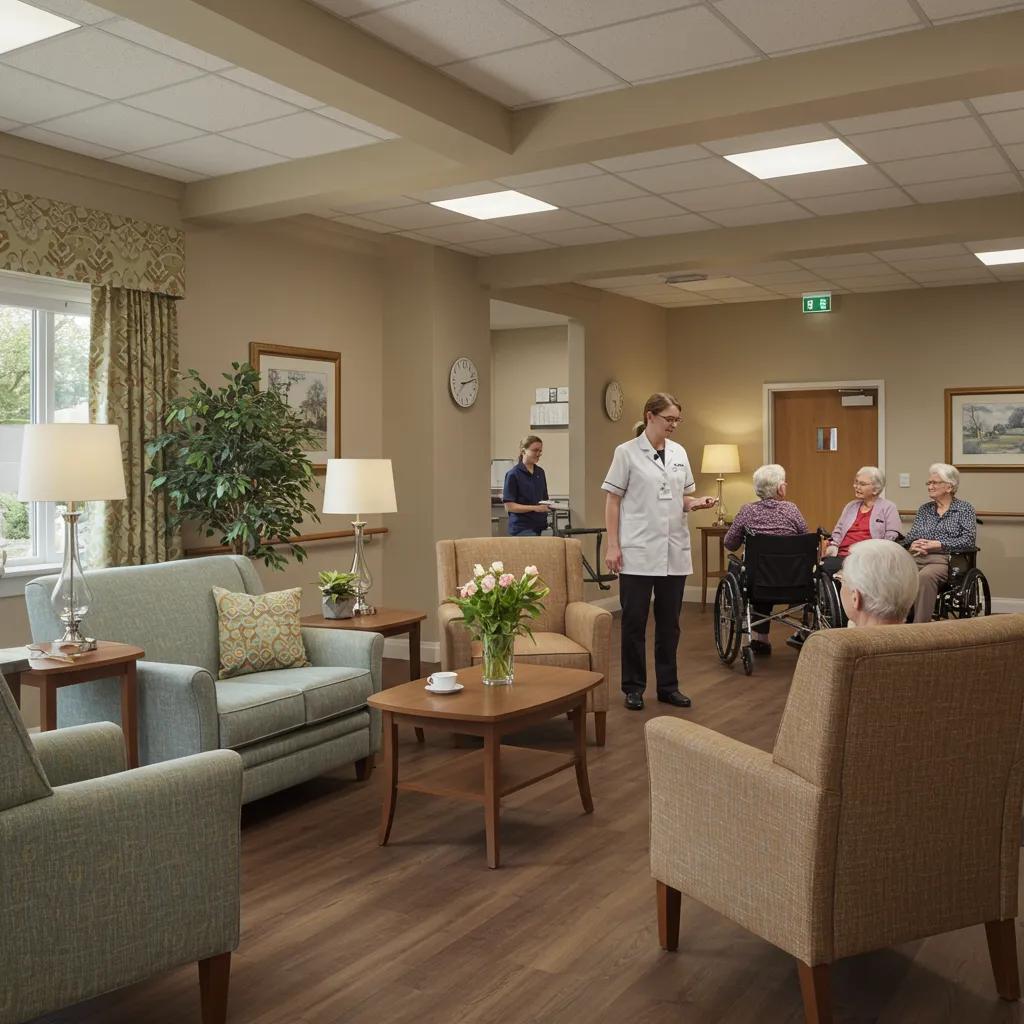
West Virginia Memory Care Facilities Overview
West Virginia Memory Care Facilities Overview: Costs, Services, and Choosing the Right Care
Memory care provides specialized, structured support for people living with Alzheimer’s disease, dementia, and other memory impairments by combining clinical oversight, environmental design, and individualized programming to promote safety and quality of life. This guide explains what memory care entails in the West Virginia context, why specialized settings matter for cognitive impairment, and how families can evaluate options across the state. You will find clear definitions, comparisons with assisted living and nursing homes, state-focused cost and financial-assistance guidance, licensing highlights, caregiver resources, and practical checklists for selecting a facility. The article also highlights one verified West Virginia provider—Braley Care Homes Inc.—as an example of a standalone, home-like memory care setting and describes how families can request a free assessment. Read on for state-specific insights, city-level cost comparisons, regulatory essentials, and step-by-step guidance to help you plan safe, person-centered memory care for a loved one in West Virginia.
What Is Memory Care and Why Is It Important in West Virginia?
Memory care is a level of long-term care designed specifically to meet the safety, behavioral, and daily-living needs of people with Alzheimer’s disease, dementia, and other progressive memory disorders. It combines 24-hour supervision, structured activities, medication management, and an environment engineered to reduce confusion and wandering, producing safer daily routines and often fewer emergency crises. In West Virginia, where rural geography and aging populations create access and planning challenges, specialized memory care can reduce caregiver burden and improve consistent clinical oversight. Understanding what constitutes memory care helps families distinguish providers, ask the right questions during tours, and make informed decisions about placement.
What Defines Memory Care and Its Benefits for Alzheimer’s and Dementia Patients?

Memory care is defined by targeted services that respond to cognitive decline: continuous supervision, assistance with activities of daily living (ADLs), behavior management, and cognitive stimulation programs. These services work by reducing triggers for agitation, creating predictable routines that support orientation, and ensuring medication and health needs are consistently managed. Benefits include greater resident safety, improved engagement through individualized activities, and clearer communication with families about daily status. Recognizing these core components helps families evaluate whether a setting truly offers memory-focused care rather than a generalized senior living environment.
How Does Memory Care Differ from Assisted Living and Nursing Homes in WV?
Memory care differs from assisted living and nursing homes primarily in staff training, environmental features, and program focus: memory care units emphasize dementia-specific behavioral strategies, secure design to prevent wandering, and individualized activity plans, while assisted living generally provides broader ADL support and nursing homes focus on clinical and medical needs. Staff-to-resident interactions in memory care are often organized around behavioral management and cognitive stimulation, which is distinct from the task-oriented routines more common in other settings. For families weighing options in West Virginia, the choice depends on the level of cognitive impairment, medical complexity, and the need for specialized therapeutic programs.
Why Choose a Specialized Memory Care Facility in West Virginia?
Choosing a specialized memory care facility matters when safety risks, repetitive behaviors, or progressive disorientation make home care or generalized settings unsafe or unsustainable. Specialized facilities provide trained teams who use structured routines and environmental cues to preserve independence and reduce incidents like wandering or medication errors. In West Virginia, choosing a memory-specific provider can address regional access issues and provide consistent oversight that rural family caregivers may struggle to maintain. Families should prioritize settings that combine clinical awareness with calming, home-like design to support daily functioning and dignity.
What Are the Top Memory Care Facilities and Services Available in West Virginia?
Across West Virginia, providers operate in several configurations: standalone memory care facilities, memory care units within assisted living communities, and memory-specialized units in nursing homes. Common services available statewide include 24-hour supervision, medication management, assistance with ADLs, individualized activities, and secure outdoor areas designed for safe wandering. Evaluating facilities requires comparing staff training, physical security, program individualization, and scale: small, home-like facilities can offer personalized attention, while larger communities may provide more on-site clinical resources. The guidance below helps families understand setting types and evaluate core service offerings.
What Makes Braley Care Homes a Leading Memory Care Facility in WV?
Braley Care Homes Inc. operates as a free-standing Alzheimer’s, dementia, and memory care facility in West Virginia with an emphasis on quality care in a home-like environment. The facility is described as a 16-bed locked facility with safe wandering areas, clear signage, abundant natural light, and an outdoor courtyard; its owner/administrator, Chris Braley, is a Licensed Independent Clinical Social Worker (LICSW). Braley Care Homes offers specialized memory care services including 24-hour supervision, medication management, ADL assistance, individualized activities, behavioral profiling, and free family assessment forms with professional consultation. Families seeking a smaller, purpose-built setting can contact Braley Care Homes via its website or Google Business Profile to request a tour or schedule a free assessment.
What Specialized Alzheimer’s and Dementia Care Services Are Offered?
Specialized memory care services focus on behavior management, individualized programming, and clinical oversight: providers commonly offer behavioral assessments and profiles, structured cognitive and social activities, medication oversight, and assistance with dressing, bathing, and eating. These components work together to reduce risk, support routine, and preserve functional skills for as long as possible. When assessing providers, ask how individual activity plans are developed, whether behavior profiles are updated regularly, and how medication changes are communicated to families. Clear procedures for emergency care and clinical coordination with outside providers are essential for safe memory care. For detailed information, families can visit Braley Care Homes’ memory care services page, as well as their Alzheimer’s care and dementia care pages.
How Do Smaller, Home-Like Environments Benefit Memory Care Residents?
Smaller, home-like environments often reduce sensory overload, provide more consistent staff-resident relationships, and support predictable daily routines that are critical for people with dementia. Intimate settings allow staff to tailor activities to individual histories and preferences, which can increase engagement and reduce agitation. Home-like design elements—such as clear signage, natural light, and secure outdoor spaces—help residents maintain orientation and mobility safely. For many families, a smaller capacity setting represents a balance between professional oversight and a familiar atmosphere that supports dignity and personalization.
How Much Does Memory Care Cost in West Virginia and What Financial Assistance Is Available?
Memory care costs vary widely based on location, level of clinical need, room configuration, and provider type, but understanding state-level drivers helps families prepare financially. In West Virginia, overall market rates tend to be lower than national averages, yet urban centers can command higher pricing due to demand and staffing costs. Financial assistance options include Medicaid programs specific to long-term services, veteran benefits such as Aid and Attendance, and other state or charitable supports that can offset monthly expenses. Families should gather facility-specific quotes and work with providers who can assist with benefit navigation and assessment for eligibility.
Before the comparison table, here is an explanation of what the city cost table contains and why it helps families: the table below summarizes typical monthly cost ranges and typical services included for representative West Virginia cities so families can compare local markets and plan conversations with facilities. Exact pricing varies by facility and family circumstances; contact facilities directly for current pricing and to discuss financial-assistance options.
City / RegionTypical Monthly Cost RangeTypical Services IncludedCharleston (state capital area)$3,000 - $5,00024-hour supervision, medication management, ADL assistance, activitiesHuntington / Metro area$2,800 - $4,800Secure units, individualized programming, nursing oversight as neededMorgantown / Northern WV$3,200 - $5,200Cognitive programs, secure outdoor areas, behavior managementRural / Smaller towns$2,200 - $4,000Basic memory care services, limited on-site clinical resources
This city-level comparison highlights how metropolitan areas often show higher price bands due to staffing and facility amenities, while rural options may be more affordable but require careful assessment of clinical supports.
What Are the Average Monthly Memory Care Costs Across West Virginia Cities?
Average monthly costs depend on city market dynamics, facility type, and included services; metropolitan areas like Charleston, Huntington, and Morgantown generally show higher ranges than smaller towns. City-level averages help families create realistic budgets and prepare for differences in staffing, programming, and physical amenities. When requesting pricing, ask what is included (meals, therapy, transportation) and what are variable fees for higher-care needs. Families should obtain written cost breakdowns and compare comparable services to make accurate financial decisions.
How Does Medicaid Cover Memory Care in West Virginia?
Medicaid can cover long-term services and supports for eligible residents, including certain memory care expenses through home-and-community-based waivers or nursing-home coverage depending on medical need and eligibility. Eligibility relies on financial qualification and clinical assessments; waiver programs may prioritize services that enable community-based care, while nursing-facility Medicaid covers institutionalized long-term care under specific criteria. Families should contact West Virginia’s Department of Health and Human Resources (DHHR) or a facility’s referral team for guidance on applications and waiver availability. Providers often help families begin the process and assemble necessary documentation.
What VA Benefits and Other Financial Aid Programs Support Memory Care?
Veterans and surviving spouses may qualify for Aid and Attendance or other VA benefits that increase monthly pension amounts to help cover long-term care costs, including memory care when eligibility and documentation requirements are met. These benefits require application through VA channels and documentation of need, income, and care requirements; many facilities and elder-care advisors can help families understand and pursue these options. Other philanthropic or local charitable programs may provide limited support for specific needs; families should ask facilities and local agencies about referrals and emergency assistance programs.
What Factors Influence Memory Care Pricing in West Virginia?
Several variables drive memory care pricing: the resident’s clinical acuity and ADL needs, staffing ratios and specialized training, room type (private vs. shared), presence of on-site clinical services, and geographic market factors. Add-on services—such as higher-frequency therapeutic programming, private nursing, or specialized behavior-management plans—can increase monthly costs. Facility scale also matters: smaller home-like providers may price differently than larger communities with broader clinical resources. Understanding these drivers helps families compare apples-to-apples and anticipate potential future cost increases as care needs evolve.
What Are the Licensing and Regulatory Requirements for Memory Care Facilities in West Virginia?
Memory care providers in West Virginia must comply with state licensing rules that govern residential long-term care, staff qualifications, safety standards, and reporting requirements to ensure resident safety and program integrity. Licensing categories depend on program type—residential care, assisted living with memory units, and skilled nursing have distinct regulations—so families should verify a facility’s licensing status and inspection history. Staff training mandates, environmental safety measures, and documentation standards form the backbone of regulatory oversight intended to reduce harm and maintain consistent care. Below is a table summarizing core licensing elements and expected facility actions.
Intro to table: The following table outlines common licensing elements, the required action or compliance attribute, and the typical WV-specific note or expectation families should verify when touring a facility.
Licensing ElementRequired Action / TrainingWest Virginia NoteFacility License TypeMaintain appropriate residential or nursing licenseVerify the license category that matches memory care servicesStaff Training HoursInitial and ongoing education for dementia careConfirm staff receive specialized dementia education and updatesSafety & Security StandardsLocked units, controlled egress, emergency proceduresAsk how wandering prevention and emergency plans are implementedMedication ManagementPolicies and trained staff oversightEnsure procedures for med administration and documentation exist
What Are West Virginia’s Memory Care Facility Licensing Standards?
West Virginia’s licensing framework differentiates facilities by the level of care provided and sets standards for safety, staffing, and recordkeeping that memory care programs must meet. Families should confirm that a provider’s license aligns with the services offered—standalone memory care facilities typically hold residential or specialized licenses appropriate to their program. Licensing reviews assess cleanliness, safety systems, staff qualifications, and resident rights, and they often inform public inspection reports. Asking facilities about their most recent licensure inspection and corrective actions provides transparency during selection.
How Does Staff Training Impact Quality of Memory Care in WV?
Staff training directly affects quality by equipping caregivers with behavior-management techniques, communication strategies, and clinical recognition skills that reduce crises and improve engagement. Initial dementia training and ongoing education ensure staff apply current, evidence-informed approaches to addressing agitation, wandering, and complex needs. Families should inquire about required training hours, frequency of refreshers, and whether leadership includes clinical expertise such as a licensed clinical social worker or nurse. Training transparency signals a facility’s commitment to maintaining and improving care quality.
What Safety and Security Measures Are Required in WV Memory Care Facilities?
Safety and security measures required for memory care commonly include locked or controlled access units, secure outdoor wandering areas, clear visual cues and signage, and emergency response plans tailored to residents with cognitive impairments. Facilities should demonstrate how design choices—lighting, color contrast, and layout—reduce confusion and support safe mobility. Families should ask about monitoring systems, staff response protocols for elopement or falls, and routine safety audits. Verifying these measures during a tour helps families assess environmental risk and the facility’s preparedness.
How Can Families Choose the Right Memory Care Facility in West Virginia?

Choosing the right memory care facility requires a structured approach: assess clinical needs, prioritize safety features, verify staff training and licensing, compare programming and activities, and evaluate communication practices with families. Use a checklist during tours to ensure consistent comparisons across facilities. The process should begin with an in-depth assessment of the person’s daily functioning and behaviors, followed by targeted visits that observe routines, mealtimes, and staff interactions. Below is a practical checklist families can use to guide tours and decision-making.
Staff Credentials and Training: Confirm dementia-specific training and leadership qualifications.
Safety Features: Check locks, secure outdoor areas, signage, and monitoring systems.
Programming and Activities: Ask how activities are individualized and scheduled.
Clinical Services: Verify medication management, nursing access, and emergency protocols.
Family Communication: Evaluate how the facility reports changes and involves families.
This checklist focuses conversation and helps families compare essential attributes rather than amenities alone. After using the list, prioritize the top three items that would most impact daily life for your loved one.
What Key Questions Should Families Ask When Selecting a Memory Care Facility?
Families should ask concise, direct questions during tours to evaluate safety, staffing, programming, and costs: inquire about staff-to-resident ratios on different shifts, examples of individualized activity plans, procedures for handling behavioral crises, medication administration policies, and how transitions of care are managed. Also ask for references to recent inspection reports and sample care plans that illustrate how the facility customizes interventions. Prioritizing these operational questions helps families move beyond marketing claims to practical evidence of safe, individualized care.
How Does Braley Care Homes Support Families Through Assessments and Tours?
Braley Care Homes provides free family assessment forms and behavior profiles and offers discussions with a licensed clinical social worker as part of its intake and planning process. This assessment-first approach gathers social history, behavior patterns, and care preferences to inform individualized care plans and activity programming. Families can request a tour or an assessment submission via Braley Care Homes’ website or its Google Business Profile, and staff will review assessment materials with the family to align expectations and care goals. This transparent assessment process helps families make informed placement decisions.
What Are the Signs That Memory Care Is Needed for a Loved One?
Signs indicating a move to memory care include repeated safety incidents (falls, wandering, missed medications), marked decline in ADLs such as bathing and dressing, increasing behavioral challenges that family cannot safely manage, and significant caregiver burnout that compromises consistent care. Other signals are escalating medical complexity or frequent emergency visits related to cognitive symptoms. When these patterns emerge, an assessment with a memory-care professional can clarify needs and provide recommendations for appropriate next steps.
What Resources and Support Are Available for Dementia Caregivers in West Virginia?
Caregivers in West Virginia can access a range of local and national resources for education, support groups, and practical assistance that reduce isolation and improve care strategies. Key organizations include the Alzheimer’s Association state chapter, AARP West Virginia resources, and state DHHR programs that offer guidance on benefits and services. Many communities host caregiver support groups, training workshops, and respite referrals that can be coordinated through local aging-services networks. Below is a compact list of common resource types and how they help caregivers navigate memory care responsibilities.
Support Groups: Peer support and shared problem-solving for emotional resilience.
Educational Workshops: Training on behavior management, communication, and safety.
Respite Services: Short-term relief options to prevent caregiver burnout.
Benefits Navigation: Help applying for Medicaid waivers or VA benefits.
After exploring these resources, caregivers often find improved coping skills, clearer care plans, and practical referrals that reduce daily stress and improve outcomes for loved ones.
Where Can Caregivers Find Local Support Groups and Educational Materials?
Local chapters of national organizations, area agencies on aging, and community health partners host support groups and publish caregiver education tailored to West Virginia contexts. These groups offer regular meetings, printed guides, and referral networks for respite and legal/financial planning. Families should check with regional aging networks to find local schedules, or ask memory care providers about partnerships and recommended programs. Engaging with local groups increases caregiver knowledge and connects families to practical supports.
How Does Braley Care Homes Assist Caregivers in Managing Stress and Burnout?
Braley Care Homes provides caregiver support through professional consultations, family assessment tools, and referral pathways that help families identify resources and plan transitions of care. By offering behavior profiles and discussions with a licensed clinical social worker, the facility helps caregivers understand behavioral drivers and practical strategies for daily management. Families can request consultations to explore respite options, referrals, and educational guidance that reduce caregiver strain and support clearer decision-making.
What Are Practical Tips for Daily Care and Cognitive Stimulation at Home?
Daily care strategies that support cognition include establishing consistent routines, using clear visual cues and labeling, simplifying tasks into single-step instructions, and scheduling meaningful, familiar activities that reinforce identity and memory. Environmental modifications—reducing clutter, ensuring good lighting, and creating safe walking paths—decrease confusion and falls. Short, frequent cognitive exercises such as music, reminiscence activities, and simple games support engagement without causing fatigue. Combining routine structure with gentle stimulation helps preserve function and reduce behavioral triggers.
What Are the Benefits of Choosing Braley Care Homes for Memory Care in West Virginia?
Braley Care Homes Inc. positions itself as West Virginia’s only free-standing Alzheimer’s, dementia, and memory care facility with an emphasis on a home-like environment, individualized planning, and licensed clinical leadership. The facility’s 16-bed capacity supports personalized attention and consistent staff relationships, while the physical design—locked units with safe wandering areas, clear signage, abundant natural light, and an outdoor courtyard—aims to reduce confusion and support mobility. Braley Care Homes emphasizes an assessment-first workflow that includes free family assessment forms, behavior profiles, and the opportunity to consult with a licensed clinical social worker. Families seeking a smaller, specialized setting can consider Braley Care Homes as an example of a purpose-built memory care option in the state; to request a tour or free assessment, contact the facility through its website or its Google Business Profile and refer to the listed facility address for in-person visits.
How Does Braley Care Homes Provide Personalized Care Plans and Activities?
Braley Care Homes develops individualized care plans using social history, behavior profiles, and family-provided information to shape daily activities and therapeutic approaches. This assessment-to-plan workflow aligns routines and activities with residents’ preferences and needs to promote engagement and reduce behavioral triggers. Staff use gathered information to tailor cognitive stimulation, personalize mealtime routines, and plan environments that support familiarity. The result is a more person-centered approach that maintains dignity and relevance in daily programming.
What Features Create a Secure and Therapeutic Environment at Braley Care Homes?
The facility’s design features include a locked 24-hour unit, safe wandering areas, clear directional signage, abundant natural light, and an outdoor courtyard—each chosen to reduce disorientation and support safe mobility. Programmatic features like small household size and individualized activity schedules complement the physical environment by offering consistent daily cues and predictable routines. Together these elements reduce confusion, mitigate wandering risks, and foster an atmosphere conducive to calm, therapeutic engagement. Families touring the facility can observe these design choices and ask how environmental features are maintained and adapted to resident needs.
How Does the Experienced Staff Enhance Resident Well-Being and Family Trust?
Leadership by a licensed clinical social worker (LICSW) signals clinical oversight in behavioral assessment and family communication, and staff training focused on dementia care improves behavior management and daily interaction quality. Ongoing education and consistent caregiving assignments increase familiarity, reduce resident anxiety, and build trusting relationships with families. Staff who can explain behavior drivers and care adaptations provide reassurance during transitions and clinical changes. This combination of licensed leadership and trained frontline staff helps create predictable, clinically informed care that families can rely upon.
How Can Families Schedule a Tour or Free Care Assessment at Braley Care Homes?
Families interested in touring or arranging a free care assessment at Braley Care Homes can initiate the process through the facility’s website or its Google Business Profile and may use the facility address—6192 US 60 Hurricane, WV 25526—for in-person visits. During the intake process, Braley Care Homes provides family assessment forms and opportunities to discuss behavior profiles with a licensed clinical social worker to align expectations and care plans. Bringing completed assessment information to a tour accelerates placement discussions and helps staff prepare a personalized plan for evaluation. Families are encouraged to prepare questions about staffing, programming, and emergency protocols ahead of a visit. Prospective residents can also find the resident application on the website to begin the process.
Frequently Asked Questions
What should families consider when touring memory care facilities?
When touring memory care facilities, families should focus on several key aspects: staff credentials and training, safety features, programming and activities, clinical services, and family communication practices. It's essential to observe how staff interact with residents, the facility's environment, and the types of activities offered. Additionally, families should ask about the facility's approach to individualized care and how they handle emergencies. Using a checklist can help ensure that all critical areas are covered during the visit.
How can families assess the quality of care in a memory care facility?
To assess the quality of care in a memory care facility, families should inquire about staff-to-resident ratios, staff training specific to dementia care, and the facility's approach to individualized care plans. Observing interactions between staff and residents during a visit can provide insight into the care environment. Additionally, families should request recent inspection reports and ask for examples of how the facility manages behavioral challenges and emergency situations. Transparency in these areas is crucial for ensuring quality care.
What role do family members play in the care of their loved ones in memory care?
Family members play a vital role in the care of their loved ones in memory care by providing emotional support, participating in care planning, and maintaining open communication with facility staff. They can share valuable insights about their loved one's preferences, history, and behavioral patterns, which can inform individualized care plans. Regular visits and involvement in activities can also help strengthen relationships and ensure that the resident feels connected and supported in their new environment.
What are the common challenges families face when transitioning a loved one to memory care?
Transitioning a loved one to memory care can present several challenges for families, including emotional distress, feelings of guilt, and concerns about the quality of care. Families may struggle with the decision to move their loved one, fearing that they are abandoning them. Additionally, adjusting to new routines and environments can be difficult for both residents and families. Open communication with facility staff and seeking support from caregiver groups can help ease this transition and provide reassurance during the process.
How can families stay involved in their loved one's care in a memory care facility?
Families can stay involved in their loved one's care by maintaining regular communication with facility staff, attending care plan meetings, and participating in activities at the facility. Visiting frequently and engaging in conversations with their loved one can help reinforce connections and provide emotional support. Families should also advocate for their loved one's needs and preferences, ensuring that the care provided aligns with their expectations. Building a collaborative relationship with staff can enhance the overall care experience.
What resources are available for families to learn more about memory care options?
Families can access various resources to learn more about memory care options, including local Alzheimer’s Association chapters, state health departments, and online caregiver support groups. Educational workshops and webinars often provide valuable information on navigating memory care decisions. Additionally, many facilities offer informational sessions and tours to help families understand their services. Engaging with these resources can empower families to make informed choices and connect with others facing similar challenges.
What are the signs that a memory care facility is providing quality care?
Signs of quality care in a memory care facility include a high staff-to-resident ratio, staff members trained in dementia care, and a clean, safe environment. Residents should appear engaged and well-cared for, with individualized activities tailored to their interests and needs. Positive interactions between staff and residents, as well as open communication with families, are also indicators of quality care. Regular assessments and updates on residents' well-being further demonstrate a facility's commitment to providing excellent memory care.
