Visit us: Mon - Fri: 9:00 - 18:30
Braley Care Homes 6192 US 60 Hurricane, WV 25526
Experience Life at
Braley Care Homes
At Braley Care Homes, every day is filled with meaningful moments, engaging activities, and compassionate care. Our video collection offers a glimpse into the vibrant community we've built—where residents enjoy holiday celebrations, participate in enriching activities, and share their unique stories. Explore these videos to see how we create a warm, welcoming environment where seniors feel at home, supported, and celebrated.
Experience Life at
Braley Care Homes
At Braley Care Homes, every day is filled with meaningful moments, engaging activities, and compassionate care. Our video collection offers a glimpse into the vibrant community we've built—where residents enjoy holiday celebrations, participate in enriching activities, and share their unique stories. Explore these videos to see how we create a warm, welcoming environment where seniors feel at home, supported, and celebrated.
This Month’s Featured Insight
A Closer Look at Life at Braley Care Homes
🎉 Holiday Highlights & Festive Fun
🧠 Memory Care Moments & Tips
🎨 Everyday Adventures & Engaging Activities
💬 Heartfelt Stories & Resident Smiles
💡 Caregiver Corner: Wisdom & Wellness
Testimonials

I have only great memories of the great care my husband received. Never heard an unkind word to anyone there. This care home facility is wonderful. Thank you, Mr. Braley, for all you do and your staff. God's blessing continue to be with you all.
Brenda B. L.
I’ve worked there and I’ve seen how the residents are treated. Staff love their jobs and you can tell. Owner is great with residents too. They do a wide variety of activities and even a pet dog.
Samantha G.
I have only great memories of the great care my husband received. Never heard an unkind word to anyone there. This care home facility is wonderful. Thank you, Mr. Braley, for all you do and your staff. God's blessing continue to be with you all.
Brenda B. L.
I’ve worked there and I’ve seen how the residents are treated. Staff love their jobs and you can tell. Owner is great with residents too. They do a wide variety of activities and even a pet dog.
Samantha G.
Absolutely the best care home in the valley for your loved one with dementia.
Leah S. K.
Residents and workers are great. What you see is what you get. Thanks, BCH!
Nola H.
Absolutely the best care home in the valley for your loved one with dementia.
Leah S. K.
Residents and workers are great. What you see is what you get. Thanks, BCH!
Nola H.
Braley Care Homes
Caring Is Our Business
Read The Latest From Braley Care Homes
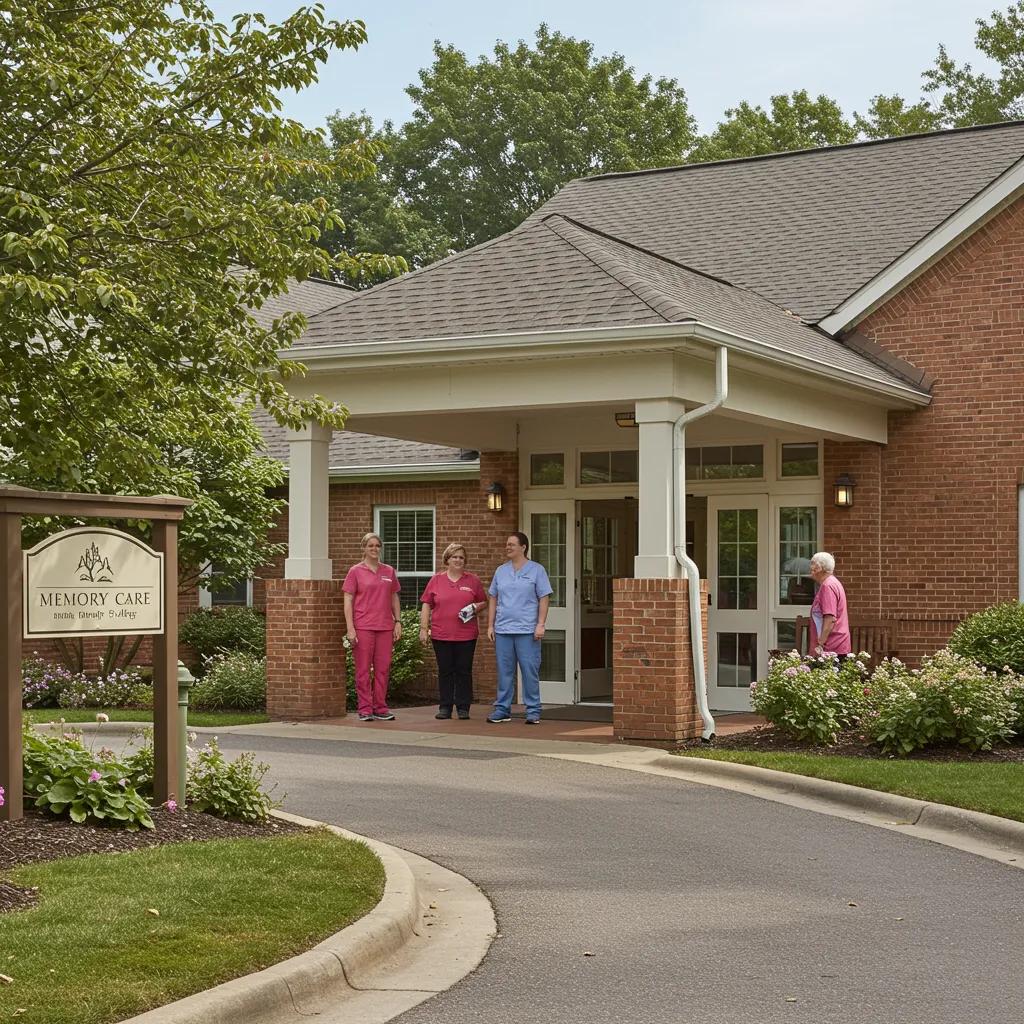
10 Key Indicators of Safety and Security in Memory Care Facilities Explained
10 Key Indicators of Safety and Security in Memory Care Facilities Explained for Families Evaluating Memory Care Safety Features
Choosing a memory care facility raises urgent questions about both physical protection and emotional well-being for a loved one with dementia or Alzheimer's disease. This article explains ten key indicators families should evaluate to determine if a memory care setting is truly safe and secure, including infrastructure, staffing, medication practices, environment, activities, and communication. You will learn clear definitions, the mechanisms by which each indicator reduces risk, and practical questions and observational checks to use on tours. Braley Care Homes Inc. understands how safety concerns drive decision-making, and this guide frames objective evaluation criteria while noting examples of facility features families may encounter. Read on to learn what to look for, the exact ways features and protocols reduce wandering, falls, medication errors, and distress, and when you might request a free assessment or schedule a tour to see these indicators in action. The next sections break the topic into physical security, staff training, medication safety, safe outdoor engagement, family communication, practical on-tour checks, and how one local provider demonstrates these indicators.
What Are the Most Important Physical Security Measures in Memory Care Facilities?
Physical security in memory care means designing entrances, circulation, monitoring, and emergency plans so residents can move safely while reducing elopement, injury, and confusion. Facilities implement layered controls—secure doors, supervised access points, sightline-friendly layouts, and monitored outdoor courtyards—to balance resident dignity with protection. Effective measures reduce wandering incidents, allow rapid staff response to alerts, and maintain a calm, home-like environment that lessens agitation. Families should look for tangible controls and ask how frequently staff test systems and practice response workflows, because equipment only improves safety when paired with practiced human protocols.
How Do Secure Entrances and Exits Prevent Wandering in Memory Care?

Secure entrances and exits use a combination of technology and staff oversight to prevent unsupervised departures while preserving respectful access. Key mechanisms include staff-monitored entry points, delayed-egress doors that alert staff before an exit is possible, and badge or keypad systems that restrict access to authorized people. These systems work by creating controlled thresholds that trigger rapid staff response when an at-risk resident approaches an exit, reducing elopement risk without isolating residents. Families should observe staffing at entries and request a demonstration or explanation of alarm workflows to validate how alerts become interventions.
Before showing common access-control options, it helps to compare the features families will see on tours and weigh trade-offs between autonomy and protection.
Access Control OptionCharacteristicFamily ImpactKeypad/Biometric EntryAllows coded or credentialed accessModerate autonomy; risk if codes sharedStaff-Monitored DoorsStaff verify exits/entries in real timeHigh control; quick human responseDelayed-Egress with AlarmBrief delay with audible/visual alertBalances dignity + safety; alerts staff before exitWearable Alert TagsTrigger alarms when resident nears perimetersContinuous protection; needs maintenance
This comparison shows that layered approaches—combining monitored doors with wearable alerts—deliver both immediate detection and human judgment. Families should request to see these systems in operation and ask for documentation of testing frequency.
What Facility Design Features Support Safe Wandering and Fall Prevention?
Design reduces risk by shaping how residents move: unobstructed circular paths, purposeful signage, good lighting, and consistent color contrast all limit disorientation and tripping hazards. Materials such as non-slip flooring, continuous handrails, and furniture arranged to create clear walkways reduce fall likelihood by supporting steady gait and predictable navigation. Sightlines that allow staff to observe communal paths without appearing intrusive help intervene early if a resident shows agitation or imbalance. During tours, check flooring transitions, handrail placement, and whether spaces are arranged to encourage safe, meaningful wandering rather than dead ends that provoke anxiety.
These environmental choices also influence how monitoring systems are used, which is the next key measure for security.
How Are Monitoring Systems Like CCTV and Alarms Used to Enhance Security?
Monitoring systems include CCTV in common areas, motion sensors in critical pathways, alarmed doors, and wearable location trackers; each contributes different detection and verification capabilities. Operational protocols matter: who reviews footage, how quickly alerts are dispatched to staff, and how privacy is protected define whether technology improves outcomes. Ethical use balances surveillance with dignity—recording common spaces but not private rooms, and using footage for incident review and continuous improvement. Ask facilities how many staff are trained to respond to specific alerts and what escalation paths exist when sensors indicate potential elopement or a fall.
Robust monitoring systems also depend on emergency plans and practiced drills to translate detection into safe action during crises.
What Emergency Preparedness Plans Ensure Resident Safety in Crises?
Emergency preparedness covers fire response, severe weather procedures, medical emergency algorithms, and coordinated evacuation strategies with local responders. Key components include written evacuation maps, assigned staff roles during incidents, regular drills that include night shift personnel, and clear communication templates for family notification. Practiced plans reduce reaction time and confusion, and drills surface gaps that can be fixed before a real event. When touring, ask about the last drill, how often staff refresh certifications, and whether the facility coordinates plans with local emergency services to ensure safe resident relocation if needed.
These preparedness steps rely on trained staff and staffing levels that allow rapid, organized action when alarms sound.
How Does Specialized Staff Training Improve Safety and Security in Memory Care?
Specialized staff training equips employees with dementia-specific skills—communication, de-escalation, wandering prevention, medication awareness, and basic clinical competencies—so they can prevent and respond to safety risks effectively. Training turns policies into everyday practice by teaching staff how to recognize early behavioral cues, apply non-pharmacologic interventions, and execute emergency roles. High-quality programs combine initial instruction, periodic refreshers, and on-the-job supervision so staff competencies remain current and measurable. Families evaluating safety should ask for training topics, frequency, and how skill application is observed and assessed on shifts.
What Dementia Care Training Do Staff Receive to Manage Safety Risks?
Core training modules typically include person-centered communication, recognition of medical vs. behavioral triggers, de-escalation techniques, safe transfer and fall-prevention practices, and life-saving skills like CPR and First Aid. Each module translates to fewer incidents: communication reduces agitation, de-escalation limits physical struggles, and clinical skills ensure rapid, appropriate responses to medical events. Ongoing competency checks and scenario-based drills reinforce learning and help staff apply techniques under stress. Families should request descriptions of training content and how often staff complete recertification or competency assessments.
Before discussing ratios, it helps to map specific training modules to safety outcomes to see how focused learning reduces risks.
Training ModuleSkill/OutcomeHow it Improves SafetyDe-escalation TechniquesReduce agitationFewer aggressive incidents and elopement attemptsPerson-Centered CommunicationCalms distressLower anxiety → fewer falls and behavioral crisesCPR / First AidImmediate medical responseFaster stabilization during emergenciesWandering-Prevention ProtocolsRecognize elopement cuesProactive interventions before exits occur
This training-to-outcome mapping illustrates how each module directly reduces specific safety risks, making it practical for families to ask for training logs or descriptions during tours.
Why Are High Staff-to-Resident Ratios Critical for 24/7 Supervision?
Staff-to-resident ratios influence monitoring capacity, response time, and the ability to deliver personalized care that prevents incidents before they escalate. Higher ratios enable proactive engagement—meaning staff can spend time on meaningful activities, observe subtle changes in health or behavior, and respond promptly to alarms or falls. Ratios should be evaluated for day and night shifts separately because risks and supervision needs vary by time. When touring, ask for typical staffing patterns, how floating or relief staff are integrated, and examples of how staffing levels impacted previous incident responses.
Ratios matter most when combined with training and clear supervision structures, which keep safety practices consistent across shifts.
How Do Staff Use Behavioral Management to Reduce Resident Anxiety and Risk?
Behavioral management applies techniques such as validation therapy, redirection, predictable routines, and individualized activity plans to reduce triggers for agitation and wandering. Staff use social histories to tailor interventions—familiar music, meaningful tasks, and scheduled movement reduce restlessness that often leads to unsafe behaviors. Early detection of mood or behavior changes allows staff to adjust routines or escalate care plans, minimizing the chance of falls, elopement, or aggression. Families should ask how staff document behavior patterns, how often care plans are updated, and how staff coordinate with family members to maintain consistency and safety.
These behavioral strategies intersect with medication management, because non-pharmacologic approaches often reduce reliance on sedating medications.
What Role Does Medication Management Play in Memory Care Safety?
Medication management prevents adverse drug events through controlled storage, accurate administration, technician and nurse oversight, and clear documentation of changes. Effective systems—such as electronic MARs, two-person checks for high-risk medications, and close pharmacy relationships—reduce errors and ensure timely adjustments for side effects or interactions. Ongoing health monitoring by nursing staff detects clinical changes that may require medication review, closing the loop between observation and pharmaceutical intervention. Families should look for documented policies on medication audits, staff qualifications for administration, and how changes in health trigger prescriber communication.
How Are Medication Administration and Error Prevention Protocols Implemented?
Standard procedures include secure medication storage, scheduled counts, bedside verification against MARs, and two-person checks for controlled or high-risk drugs. Electronic MARs with timestamped entries and audit trails reduce transcription errors, while pharmacy reviews and reconciliation at admission and discharge prevent duplications. Communication protocols ensure prescribers are notified when a resident shows side effects or declines function, triggering timely review. Ask during tours whether the facility uses electronic records, how often pharmacists review residents’ charts, and what steps are taken to prevent missed or double doses.
These administration protocols are only effective if coupled with routine health monitoring that identifies needs for medication changes.
Medication ProcessControl MeasureRisk ReductionAdministrationTwo-person check / MAR verificationFewer wrong-dose incidentsStorageLocked medication room with access logsPrevents unauthorized accessReviewRegular pharmacist/provider reconciliationReduces interactions and duplicationsDocumentationElectronic MARs with audit trailImproves accountability and error tracing
This table clarifies how procedural controls reduce medication-related risks and what families should verify during evaluations.
How Is Resident Health Monitored to Prevent Complications?
Resident monitoring includes routine checks of vitals, weight, hydration, intake/output, mood, sleep patterns, and mobility assessments; these metrics spot trends before crises occur. Nurses and trained care staff document changes and escalate to providers when thresholds are crossed, prompting care-plan revisions or medication adjustments. Regular interdisciplinary reviews—nursing, activities, dietary, and family input—ensure holistic oversight that ties health signals to safety interventions. Families should ask how often assessments occur, who documents changes, and how quickly care plans are updated when new risks emerge.
Monitoring links back to emergency preparedness and staffing, completing the safety cycle from prevention to response.
How Do Secure Outdoor Spaces and Engaging Activities Enhance Resident Safety?

Secure outdoor spaces and structured activity programming offer therapeutic outlets that reduce agitation, encourage healthy movement, and provide safe opportunities for autonomy. Well-designed courtyards, sensory gardens, and enclosed walking paths promote physical exercise and orientation support while minimizing elopement risk through perimeter security and supervised access. Activities anchored in residents’ histories reduce boredom and frustration, which are common precursors to unsafe wandering. Families should evaluate how outdoor access is supervised, what environmental features support cognition, and how activities are individualized to maintain both safety and quality of life.
What Features Make Outdoor Areas Safe and Therapeutic for Residents?
Safe outdoor areas combine secure enclosures, gradual sightlines, firm walking surfaces, shaded seating, and sensory plantings to stimulate the senses without overwhelming residents. Gate and perimeter alarms, clear staff access points, and furniture arranged for social interaction allow residents to be active while staff maintain visibility. Therapeutic landscaping—aromatic herbs, textured paths, and visual cues—supports orientation and reduces agitation through calming stimuli. During tours, observe whether courtyards are fenced and staff explain supervision protocols for outdoor time.
Careful outdoor design connects directly to activity programming that sustains calm and engagement throughout the day.
How Do Individualized Activities Support Cognitive Stimulation and Emotional Security?
Individualized activities are planned from residents’ social histories and preferences to trigger positive memories and reduce confusion; examples include music sessions tied to past interests, simple gardening tasks, and small-group activities that reinforce routine. Tailored programs reduce agitation by offering purposeful engagement that aligns with a resident’s current abilities, leading to fewer safety incidents caused by restlessness. Activity staff collaborate with nursing and family to adjust intensity and timing, matching interventions to behavior patterns. Families should ask how social histories are gathered, how often activities are adjusted, and whether outcome metrics (behavior incidents, mood changes) are tracked.
Personalized programming also supports nutrition and hydration safety by integrating meal routines into daily structure.
Why Is Nutrition and Hydration Safety Essential in Memory Care?
Proper nutrition and hydration prevent delirium, falls, and weight loss that increase medical risk; monitoring intake and offering assistance as needed are core safety practices. Strategies include scheduled meals, adaptive utensils, food textures that match chewing ability, and observation of meals to document intake and swallowing concerns. Weight and hydration checks trigger dietitian or nursing review when declines are detected, and staff training ensures safe feeding techniques. Families should inquire about meal assistance protocols, frequency of weight checks, and how special diets are managed to maintain both nourishment and safety.
Nutrition intersects with medication and health monitoring—changes in appetite often signal medical or medication-related issues that require prompt review.
How Is Transparent Family Communication Maintained to Support Safety in Memory Care?
Transparent, frequent communication keeps families informed and engaged, creating a safety partnership that leverages family knowledge and reinforces consistent care. Effective channels include regular care conferences, phone or email updates for incidents, and secure family portals or summary reports that document behavior changes and plan updates. Clear escalation pathways for incidents and timely notification policies ensure families are aware of significant events that affect safety. When families participate in care planning, staff gain critical context—social histories, triggers, and calming strategies—that improves individualized interventions and reduces risk.
What Communication Channels Keep Families Informed About Safety Protocols?
Common channels include scheduled in-person care conferences, phone updates for urgent events, email summaries for routine changes, and documentation shared at admission and during reviews. Each channel has an expected frequency: weekly or monthly care conferences, immediate calls for incidents, and periodic summaries for ongoing changes. Families should ask facilities about notification timelines for incidents, how preferences for communication are recorded, and whether documentation is available after meetings. Transparent processes reassure families and enable collaborative safety planning.
Clear family involvement also contributes to resident security by reinforcing routines and providing valuable personal history.
How Does Family Involvement Contribute to Resident Security and Peace of Mind?
Family engagement supplies staff with individualized information—favorite routines, known triggers, and meaningful activities—that reduces trial-and-error interventions and lowers the risk of agitation-driven incidents. Visiting and participating in care conferences helps families reinforce routines and assist with transitions that might otherwise provoke confusion. Practical actions—sharing social histories, helping test activity preferences, or participating in emergency planning—directly improve the quality and safety of care. Facilities that welcome family input as partners typically demonstrate better outcomes and higher confidence among relatives making placement decisions.
Engaged families can validate facility claims and help evaluate safety indicators during a tour, which leads to the practical checklist below.
What Are the Key Indicators of a Secure Memory Care Facility?
This section synthesizes the prior indicators into a practical checklist families can use during tours to validate claims and make informed decisions. Use the checklist to structure observations and direct questions, then request documentation—training logs, emergency plans, floorplans, and staff bios—to verify answers. A methodical approach helps distinguish facilities that understand and operationalize safety from those offering only vague assurances.
Observable access control: Ask to see secured exits and observe staff procedures at entrances.
Clear monitoring protocols: Request explanations of who monitors alerts, response times, and privacy safeguards.
Demonstrated training: Ask what dementia-specific modules staff complete and how competencies are evaluated.
Medication safeguards: Request an overview of MARs, double-check practices, and pharmacist involvement.
Safe design cues: Note non-slip flooring, handrails, good lighting, and purposeful signage.
Secure outdoor access: View courtyards and ask about supervision rules and alarm systems.
Activity personalization: Ask how social histories guide programming and how outcomes are tracked.
Family communication: Check frequency of care conferences and incident notification timelines.
Emergency readiness: Ask about drills, evacuation maps, and coordination with local responders.
Evidence and staff credentials: Request staff bios, RN oversight descriptions, and sample care plans.
After using the checklist, request proof: floorplans, training outlines, incident reporting policies, and staff qualifications to confirm verbal answers and help compare options objectively.
How Can Families Evaluate Wandering Prevention and Access Control Systems?
When evaluating wandering prevention, make direct observations and request demonstrations: watch staff at main doors, ask for an alarm demo, and request the facility show how wearable alerts and perimeter sensors function. Request documentation of testing schedules and incident logs that show response times and outcomes to validate effectiveness. Red flags include inconsistent staff presence at entrances, inability to show alarm workflows, or a lack of signed maintenance/testing records.
These checks naturally lead to targeted questions about staff readiness and emergency procedures.
What Questions Should You Ask About Staff Training and Emergency Preparedness?
Ask specific, documentable questions such as: "What dementia-specific training modules do staff complete, and how often?", "Who provides clinical oversight and how often are competencies evaluated?", and "How often are emergency drills conducted, including nights and weekends?" Ideal answers reference recurring training, RN oversight, and scheduled drills coordinated with local emergency services. Request to see training outlines and drill logs when possible.
Clear answers and documentation provide confidence that policies translate into practiced protection.
How Does Facility Design Reflect Safety and Comfort for Dementia Residents?
Design that supports safety includes wide, clutter-free paths, consistent color contrasts for wayfinding, soft but ample lighting, and furniture arranged to create purposeful social spaces. Calming, home-like décor and personalized memory cues reduce anxiety and support orientation, while durable, non-slip materials reduce fall risk. Observe whether signage is legible, whether flooring transitions are minimized, and whether resident rooms open onto monitored common areas. Design that balances homeliness with purposeful safety features signals a facility that prioritizes both dignity and protection.
These evaluation points set the stage for understanding how one local provider demonstrates these indicators in practice.
How Does Braley Care Homes Inc. Exemplify These 10 Key Safety and Security Indicators?
Braley Care Homes Inc., West Virginia's dedicated free-standing Alzheimer's, dementia, and memory care facility, integrates many of the safety indicators families should expect. The facility operates a locked model with secure outdoor courtyards and video surveillance in common areas, combined with staffed entry monitoring to reduce elopement risk while preserving resident dignity. Braley emphasizes individualized care in smaller, home-like settings and offers free assessment tools—Family Assessment Form and Behavior Profile—to tailor plans that reduce wandering and agitation. Families can contact Chris Braley, Owner/Administrator (BSW, MSW, LICSW), or speak with named staff such as Lisa Rider (Activities Director) and Shannon O'Dell (RN Director of Nursing) to discuss training and care approaches.
Braley's approach to staff training and supervision reflects a commitment to safety through education, oversight, and documentation that families can verify during a visit.
What Specialized Features Does Braley Care Homes Use for Wandering Prevention?
Braley Care Homes uses a layered approach: 24/7 locked facility access, monitored exits that trigger staff alerts, and secure courtyards that permit safe outdoor time under supervision. Video surveillance in shared spaces supplements wearable and perimeter systems, enabling staff to detect and respond rapidly to elopement cues while preserving private spaces. During tours, families may request to see floorplan descriptions and ask staff to explain alarm response workflows to understand how detection becomes intervention. These concrete elements reduce wandering incidents while enabling safe, intentional movement.
These technologies are effective when paired with trained staff and ongoing training requirements.
How Does Braley Care Homes Ensure Staff Are Expertly Trained and Supervised?
Staff at Braley receive specialized dementia training that includes behavioral management, de-escalation, and CPR/First Aid, and nursing leadership provides clinical oversight through RN supervision. Training emphasizes applying learned techniques in day-to-day interactions, and higher staff-to-resident attention in smaller household settings supports closer observation and faster response. Families are encouraged to ask for training outlines or to speak with clinical leadership to confirm competencies and supervision models. This layered training-plus-supervision model strengthens safety by ensuring staff can both prevent and respond to incidents.
Training is paired with personalized planning and family involvement to close the safety loop.
How Are Personalized Care Plans and Family Communication Implemented at Braley Care Homes?
Braley offers free assessment tools—such as a Family Assessment Form and Behavior Profile—to gather personal histories, triggers, and preferences that drive individualized care planning. Care plans are updated with family input through regular care conferences and direct communication channels so interventions remain aligned with changing needs. Clear incident reporting and family notification practices ensure relatives are informed promptly about events impacting safety, and staff biographies and care documents are available to validate claims during tours. Families ready to explore placement or request an assessment can contact Chris Braley by phone at 304-767-4033 or email chris@braleycarehomes.com, or visit the facility at 6192 US 60, Hurricane, WV 25526 to schedule a tour or request a free assessment. Prospective residents can also begin the process by completing a resident application.
This practical next step connects the evaluation criteria in this guide to immediate action families can take to confirm safety in person.
Frequently Asked Questions
What should families look for during a tour of a memory care facility?
During a tour, families should observe the physical environment, including safety features like secure entrances, non-slip flooring, and clear signage. It's also important to assess staff interactions with residents, noting their attentiveness and communication skills. Families should inquire about training protocols, emergency preparedness plans, and how medication management is handled. Additionally, asking about the frequency of family communication and involvement in care planning can provide insight into the facility's commitment to safety and resident well-being.
How can families assess the effectiveness of staff training in memory care facilities?
Families can assess staff training effectiveness by asking about the specific training modules provided, such as dementia care techniques and emergency response protocols. Inquire about the frequency of training refreshers and how staff competencies are evaluated. Observing staff interactions with residents during a visit can also provide insight into their training application. Requesting documentation of training logs and incident response drills can further validate the facility's commitment to maintaining high safety standards through well-trained staff.
What role does family involvement play in enhancing safety in memory care?
Family involvement is crucial in enhancing safety as it provides staff with valuable insights into residents' preferences, triggers, and histories. Engaged families can help reinforce routines and assist in care planning, which can reduce anxiety and agitation in residents. Regular communication between families and staff ensures that care plans are updated and aligned with the resident's evolving needs. Facilities that encourage family participation often see improved outcomes and greater peace of mind for relatives, fostering a collaborative care environment.
How do memory care facilities ensure medication safety and management?
Memory care facilities ensure medication safety through strict protocols that include secure storage, accurate administration, and regular audits. Staff typically follow a two-person check system for high-risk medications and utilize electronic medication administration records (MARs) to track dosages and schedules. Regular reviews by pharmacists help prevent drug interactions and duplications. Families should inquire about the facility's medication management policies, staff qualifications for administering medications, and how changes in a resident's health are communicated to healthcare providers.
What types of activities are beneficial for residents in memory care facilities?
Beneficial activities in memory care facilities are tailored to residents' interests and abilities, promoting cognitive stimulation and emotional well-being. Examples include music therapy, gardening, art projects, and reminiscence activities that connect residents with their past. Structured group activities can foster social interaction, while individualized programs can help reduce agitation and restlessness. Families should ask how activities are personalized based on residents' histories and preferences, and how staff track the effectiveness of these programs in enhancing residents' quality of life.
What should families know about emergency preparedness in memory care facilities?
Emergency preparedness in memory care facilities involves having clear protocols for various scenarios, including medical emergencies, fires, and severe weather. Facilities should have written evacuation plans, regular drills, and assigned staff roles to ensure a swift response during crises. Families should inquire about the frequency of drills, how staff are trained to handle emergencies, and whether the facility collaborates with local emergency services. Understanding these protocols can provide families with confidence in the facility's ability to protect residents during unexpected events.
How can families evaluate the overall safety of a memory care facility?
To evaluate the overall safety of a memory care facility, families should consider multiple factors, including physical security measures, staff training, medication management, and emergency preparedness. Observing the facility's environment for safety features, such as secure entrances and clear pathways, is essential. Families should also assess staff-to-resident ratios and the quality of interactions between staff and residents. Requesting documentation of training, incident reports, and safety protocols can provide further assurance of the facility's commitment to maintaining a safe and secure environment for residents.
For more information or to get in touch, families can visit the contact page of Braley Care Homes Inc.

10 Key Indicators of Safety and Security in Memory Care Facilities Explained
10 Key Indicators of Safety and Security in Memory Care Facilities Explained for Families Evaluating Memory Care Safety Features
Choosing a memory care facility raises urgent questions about both physical protection and emotional well-being for a loved one with dementia or Alzheimer's disease. This article explains ten key indicators families should evaluate to determine if a memory care setting is truly safe and secure, including infrastructure, staffing, medication practices, environment, activities, and communication. You will learn clear definitions, the mechanisms by which each indicator reduces risk, and practical questions and observational checks to use on tours. Braley Care Homes Inc. understands how safety concerns drive decision-making, and this guide frames objective evaluation criteria while noting examples of facility features families may encounter. Read on to learn what to look for, the exact ways features and protocols reduce wandering, falls, medication errors, and distress, and when you might request a free assessment or schedule a tour to see these indicators in action. The next sections break the topic into physical security, staff training, medication safety, safe outdoor engagement, family communication, practical on-tour checks, and how one local provider demonstrates these indicators.
What Are the Most Important Physical Security Measures in Memory Care Facilities?
Physical security in memory care means designing entrances, circulation, monitoring, and emergency plans so residents can move safely while reducing elopement, injury, and confusion. Facilities implement layered controls—secure doors, supervised access points, sightline-friendly layouts, and monitored outdoor courtyards—to balance resident dignity with protection. Effective measures reduce wandering incidents, allow rapid staff response to alerts, and maintain a calm, home-like environment that lessens agitation. Families should look for tangible controls and ask how frequently staff test systems and practice response workflows, because equipment only improves safety when paired with practiced human protocols.
How Do Secure Entrances and Exits Prevent Wandering in Memory Care?
Secure entrances and exits use a combination of technology and staff oversight to prevent unsupervised departures while preserving respectful access. Key mechanisms include staff-monitored entry points, delayed-egress doors that alert staff before an exit is possible, and badge or keypad systems that restrict access to authorized people. These systems work by creating controlled thresholds that trigger rapid staff response when an at-risk resident approaches an exit, reducing elopement risk without isolating residents. Families should observe staffing at entries and request a demonstration or explanation of alarm workflows to validate how alerts become interventions.
Before showing common access-control options, it helps to compare the features families will see on tours and weigh trade-offs between autonomy and protection.
Access Control OptionCharacteristicFamily ImpactKeypad/Biometric EntryAllows coded or credentialed accessModerate autonomy; risk if codes sharedStaff-Monitored DoorsStaff verify exits/entries in real timeHigh control; quick human responseDelayed-Egress with AlarmBrief delay with audible/visual alertBalances dignity + safety; alerts staff before exitWearable Alert TagsTrigger alarms when resident nears perimetersContinuous protection; needs maintenance
This comparison shows that layered approaches—combining monitored doors with wearable alerts—deliver both immediate detection and human judgment. Families should request to see these systems in operation and ask for documentation of testing frequency.
What Facility Design Features Support Safe Wandering and Fall Prevention?
Design reduces risk by shaping how residents move: unobstructed circular paths, purposeful signage, good lighting, and consistent color contrast all limit disorientation and tripping hazards. Materials such as non-slip flooring, continuous handrails, and furniture arranged to create clear walkways reduce fall likelihood by supporting steady gait and predictable navigation. Sightlines that allow staff to observe communal paths without appearing intrusive help intervene early if a resident shows agitation or imbalance. During tours, check flooring transitions, handrail placement, and whether spaces are arranged to encourage safe, meaningful wandering rather than dead ends that provoke anxiety.
These environmental choices also influence how monitoring systems are used, which is the next key measure for security.
How Are Monitoring Systems Like CCTV and Alarms Used to Enhance Security?
Monitoring systems include CCTV in common areas, motion sensors in critical pathways, alarmed doors, and wearable location trackers; each contributes different detection and verification capabilities. Operational protocols matter: who reviews footage, how quickly alerts are dispatched to staff, and how privacy is protected define whether technology improves outcomes. Ethical use balances surveillance with dignity—recording common spaces but not private rooms, and using footage for incident review and continuous improvement. Ask facilities how many staff are trained to respond to specific alerts and what escalation paths exist when sensors indicate potential elopement or a fall.
Robust monitoring systems also depend on emergency plans and practiced drills to translate detection into safe action during crises.
What Emergency Preparedness Plans Ensure Resident Safety in Crises?
Emergency preparedness covers fire response, severe weather procedures, medical emergency algorithms, and coordinated evacuation strategies with local responders. Key components include written evacuation maps, assigned staff roles during incidents, regular drills that include night shift personnel, and clear communication templates for family notification. Practiced plans reduce reaction time and confusion, and drills surface gaps that can be fixed before a real event. When touring, ask about the last drill, how often staff refresh certifications, and whether the facility coordinates plans with local emergency services to ensure safe resident relocation if needed.
These preparedness steps rely on trained staff and staffing levels that allow rapid, organized action when alarms sound.
How Does Specialized Staff Training Improve Safety and Security in Memory Care?
Specialized staff training equips employees with dementia-specific skills—communication, de-escalation, wandering prevention, medication awareness, and basic clinical competencies—so they can prevent and respond to safety risks effectively. Training turns policies into everyday practice by teaching staff how to recognize early behavioral cues, apply non-pharmacologic interventions, and execute emergency roles. High-quality programs combine initial instruction, periodic refreshers, and on-the-job supervision so staff competencies remain current and measurable. Families evaluating safety should ask for training topics, frequency, and how skill application is observed and assessed on shifts.
What Dementia Care Training Do Staff Receive to Manage Safety Risks?
Core training modules typically include person-centered communication, recognition of medical vs. behavioral triggers, de-escalation techniques, safe transfer and fall-prevention practices, and life-saving skills like CPR and First Aid. Each module translates to fewer incidents: communication reduces agitation, de-escalation limits physical struggles, and clinical skills ensure rapid, appropriate responses to medical events. Ongoing competency checks and scenario-based drills reinforce learning and help staff apply techniques under stress. Families should request descriptions of training content and how often staff complete recertification or competency assessments.
Before discussing ratios, it helps to map specific training modules to safety outcomes to see how focused learning reduces risks.
Training ModuleSkill/OutcomeHow it Improves SafetyDe-escalation TechniquesReduce agitationFewer aggressive incidents and elopement attemptsPerson-Centered CommunicationCalms distressLower anxiety → fewer falls and behavioral crisesCPR / First AidImmediate medical responseFaster stabilization during emergenciesWandering-Prevention ProtocolsRecognize elopement cuesProactive interventions before exits occur
This training-to-outcome mapping illustrates how each module directly reduces specific safety risks, making it practical for families to ask for training logs or descriptions during tours.
Why Are High Staff-to-Resident Ratios Critical for 24/7 Supervision?
Staff-to-resident ratios influence monitoring capacity, response time, and the ability to deliver personalized care that prevents incidents before they escalate. Higher ratios enable proactive engagement—meaning staff can spend time on meaningful activities, observe subtle changes in health or behavior, and respond promptly to alarms or falls. Ratios should be evaluated for day and night shifts separately because risks and supervision needs vary by time. When touring, ask for typical staffing patterns, how floating or relief staff are integrated, and examples of how staffing levels impacted previous incident responses.
Ratios matter most when combined with training and clear supervision structures, which keep safety practices consistent across shifts.
How Do Staff Use Behavioral Management to Reduce Resident Anxiety and Risk?
Behavioral management applies techniques such as validation therapy, redirection, predictable routines, and individualized activity plans to reduce triggers for agitation and wandering. Staff use social histories to tailor interventions—familiar music, meaningful tasks, and scheduled movement reduce restlessness that often leads to unsafe behaviors. Early detection of mood or behavior changes allows staff to adjust routines or escalate care plans, minimizing the chance of falls, elopement, or aggression. Families should ask how staff document behavior patterns, how often care plans are updated, and how staff coordinate with family members to maintain consistency and safety.
These behavioral strategies intersect with medication management, because non-pharmacologic approaches often reduce reliance on sedating medications.
What Role Does Medication Management Play in Memory Care Safety?
Medication management prevents adverse drug events through controlled storage, accurate administration, technician and nurse oversight, and clear documentation of changes. Effective systems—such as electronic MARs, two-person checks for high-risk medications, and close pharmacy relationships—reduce errors and ensure timely adjustments for side effects or interactions. Ongoing health monitoring by nursing staff detects clinical changes that may require medication review, closing the loop between observation and pharmaceutical intervention. Families should look for documented policies on medication audits, staff qualifications for administration, and how changes in health trigger prescriber communication.
How Are Medication Administration and Error Prevention Protocols Implemented?
Standard procedures include secure medication storage, scheduled counts, bedside verification against MARs, and two-person checks for controlled or high-risk drugs. Electronic MARs with timestamped entries and audit trails reduce transcription errors, while pharmacy reviews and reconciliation at admission and discharge prevent duplications. Communication protocols ensure prescribers are notified when a resident shows side effects or declines function, triggering timely review. Ask during tours whether the facility uses electronic records, how often pharmacists review residents’ charts, and what steps are taken to prevent missed or double doses.
These administration protocols are only effective if coupled with routine health monitoring that identifies needs for medication changes.
Medication ProcessControl MeasureRisk ReductionAdministrationTwo-person check / MAR verificationFewer wrong-dose incidentsStorageLocked medication room with access logsPrevents unauthorized accessReviewRegular pharmacist/provider reconciliationReduces interactions and duplicationsDocumentationElectronic MARs with audit trailImproves accountability and error tracing
This table clarifies how procedural controls reduce medication-related risks and what families should verify during evaluations.
How Is Resident Health Monitored to Prevent Complications?
Resident monitoring includes routine checks of vitals, weight, hydration, intake/output, mood, sleep patterns, and mobility assessments; these metrics spot trends before crises occur. Nurses and trained care staff document changes and escalate to providers when thresholds are crossed, prompting care-plan revisions or medication adjustments. Regular interdisciplinary reviews—nursing, activities, dietary, and family input—ensure holistic oversight that ties health signals to safety interventions. Families should ask how often assessments occur, who documents changes, and how quickly care plans are updated when new risks emerge.
Monitoring links back to emergency preparedness and staffing, completing the safety cycle from prevention to response.
How Do Secure Outdoor Spaces and Engaging Activities Enhance Resident Safety?
Secure outdoor spaces and structured activity programming offer therapeutic outlets that reduce agitation, encourage healthy movement, and provide safe opportunities for autonomy. Well-designed courtyards, sensory gardens, and enclosed walking paths promote physical exercise and orientation support while minimizing elopement risk through perimeter security and supervised access. Activities anchored in residents’ histories reduce boredom and frustration, which are common precursors to unsafe wandering. Families should evaluate how outdoor access is supervised, what environmental features support cognition, and how activities are individualized to maintain both safety and quality of life.
What Features Make Outdoor Areas Safe and Therapeutic for Residents?
Safe outdoor areas combine secure enclosures, gradual sightlines, firm walking surfaces, shaded seating, and sensory plantings to stimulate the senses without overwhelming residents. Gate and perimeter alarms, clear staff access points, and furniture arranged for social interaction allow residents to be active while staff maintain visibility. Therapeutic landscaping—aromatic herbs, textured paths, and visual cues—supports orientation and reduces agitation through calming stimuli. During tours, observe whether courtyards are fenced and staff explain supervision protocols for outdoor time.
Careful outdoor design connects directly to activity programming that sustains calm and engagement throughout the day.
How Do Individualized Activities Support Cognitive Stimulation and Emotional Security?
Individualized activities are planned from residents’ social histories and preferences to trigger positive memories and reduce confusion; examples include music sessions tied to past interests, simple gardening tasks, and small-group activities that reinforce routine. Tailored programs reduce agitation by offering purposeful engagement that aligns with a resident’s current abilities, leading to fewer safety incidents caused by restlessness. Activity staff collaborate with nursing and family to adjust intensity and timing, matching interventions to behavior patterns. Families should ask how social histories are gathered, how often activities are adjusted, and whether outcome metrics (behavior incidents, mood changes) are tracked.
Personalized programming also supports nutrition and hydration safety by integrating meal routines into daily structure.
Why Is Nutrition and Hydration Safety Essential in Memory Care?
Proper nutrition and hydration prevent delirium, falls, and weight loss that increase medical risk; monitoring intake and offering assistance as needed are core safety practices. Strategies include scheduled meals, adaptive utensils, food textures that match chewing ability, and observation of meals to document intake and swallowing concerns. Weight and hydration checks trigger dietitian or nursing review when declines are detected, and staff training ensures safe feeding techniques. Families should inquire about meal assistance protocols, frequency of weight checks, and how special diets are managed to maintain both nourishment and safety.
Nutrition intersects with medication and health monitoring—changes in appetite often signal medical or medication-related issues that require prompt review.
How Is Transparent Family Communication Maintained to Support Safety in Memory Care?
Transparent, frequent communication keeps families informed and engaged, creating a safety partnership that leverages family knowledge and reinforces consistent care. Effective channels include regular care conferences, phone or email updates for incidents, and secure family portals or summary reports that document behavior changes and plan updates. Clear escalation pathways for incidents and timely notification policies ensure families are aware of significant events that affect safety. When families participate in care planning, staff gain critical context—social histories, triggers, and calming strategies—that improves individualized interventions and reduces risk.
What Communication Channels Keep Families Informed About Safety Protocols?
Common channels include scheduled in-person care conferences, phone updates for urgent events, email summaries for routine changes, and documentation shared at admission and during reviews. Each channel has an expected frequency: weekly or monthly care conferences, immediate calls for incidents, and periodic summaries for ongoing changes. Families should ask facilities about notification timelines for incidents, how preferences for communication are recorded, and whether documentation is available after meetings. Transparent processes reassure families and enable collaborative safety planning.
Clear family involvement also contributes to resident security by reinforcing routines and providing valuable personal history.
How Does Family Involvement Contribute to Resident Security and Peace of Mind?
Family engagement supplies staff with individualized information—favorite routines, known triggers, and meaningful activities—that reduces trial-and-error interventions and lowers the risk of agitation-driven incidents. Visiting and participating in care conferences helps families reinforce routines and assist with transitions that might otherwise provoke confusion. Practical actions—sharing social histories, helping test activity preferences, or participating in emergency planning—directly improve the quality and safety of care. Facilities that welcome family input as partners typically demonstrate better outcomes and higher confidence among relatives making placement decisions.
Engaged families can validate facility claims and help evaluate safety indicators during a tour, which leads to the practical checklist below.
What Are the Key Indicators of a Secure Memory Care Facility?
This section synthesizes the prior indicators into a practical checklist families can use during tours to validate claims and make informed decisions. Use the checklist to structure observations and direct questions, then request documentation—training logs, emergency plans, floorplans, and staff bios—to verify answers. A methodical approach helps distinguish facilities that understand and operationalize safety from those offering only vague assurances.
Observable access control: Ask to see secured exits and observe staff procedures at entrances.
Clear monitoring protocols: Request explanations of who monitors alerts, response times, and privacy safeguards.
Demonstrated training: Ask what dementia-specific modules staff complete and how competencies are evaluated.
Medication safeguards: Request an overview of MARs, double-check practices, and pharmacist involvement.
Safe design cues: Note non-slip flooring, handrails, good lighting, and purposeful signage.
Secure outdoor access: View courtyards and ask about supervision rules and alarm systems.
Activity personalization: Ask how social histories guide programming and how outcomes are tracked.
Family communication: Check frequency of care conferences and incident notification timelines.
Emergency readiness: Ask about drills, evacuation maps, and coordination with local responders.
Evidence and staff credentials: Request staff bios, RN oversight descriptions, and sample care plans.
After using the checklist, request proof: floorplans, training outlines, incident reporting policies, and staff qualifications to confirm verbal answers and help compare options objectively.
How Can Families Evaluate Wandering Prevention and Access Control Systems?
When evaluating wandering prevention, make direct observations and request demonstrations: watch staff at main doors, ask for an alarm demo, and request the facility show how wearable alerts and perimeter sensors function. Request documentation of testing schedules and incident logs that show response times and outcomes to validate effectiveness. Red flags include inconsistent staff presence at entrances, inability to show alarm workflows, or a lack of signed maintenance/testing records.
These checks naturally lead to targeted questions about staff readiness and emergency procedures.
What Questions Should You Ask About Staff Training and Emergency Preparedness?
Ask specific, documentable questions such as: "What dementia-specific training modules do staff complete, and how often?", "Who provides clinical oversight and how often are competencies evaluated?", and "How often are emergency drills conducted, including nights and weekends?" Ideal answers reference recurring training, RN oversight, and scheduled drills coordinated with local emergency services. Request to see training outlines and drill logs when possible.
Clear answers and documentation provide confidence that policies translate into practiced protection.
How Does Facility Design Reflect Safety and Comfort for Dementia Residents?
Design that supports safety includes wide, clutter-free paths, consistent color contrasts for wayfinding, soft but ample lighting, and furniture arranged to create purposeful social spaces. Calming, home-like décor and personalized memory cues reduce anxiety and support orientation, while durable, non-slip materials reduce fall risk. Observe whether signage is legible, whether flooring transitions are minimized, and whether resident rooms open onto monitored common areas. Design that balances homeliness with purposeful safety features signals a facility that prioritizes both dignity and protection.
These evaluation points set the stage for understanding how one local provider demonstrates these indicators in practice.
How Does Braley Care Homes Inc. Exemplify These 10 Key Safety and Security Indicators?
Braley Care Homes Inc., West Virginia's dedicated free-standing Alzheimer's, dementia, and memory care facility, integrates many of the safety indicators families should expect. The facility operates a locked model with secure outdoor courtyards and video surveillance in common areas, combined with staffed entry monitoring to reduce elopement risk while preserving resident dignity. Braley emphasizes individualized care in smaller, home-like settings and offers free assessment tools—Family Assessment Form and Behavior Profile—to tailor plans that reduce wandering and agitation. Families can contact Chris Braley, Owner/Administrator (BSW, MSW, LICSW), or speak with named staff such as Lisa Rider (Activities Director) and Shannon O'Dell (RN Director of Nursing) to discuss training and care approaches.
Braley's approach to staff training and supervision reflects a commitment to safety through education, oversight, and documentation that families can verify during a visit.
What Specialized Features Does Braley Care Homes Use for Wandering Prevention?
Braley Care Homes uses a layered approach: 24/7 locked facility access, monitored exits that trigger staff alerts, and secure courtyards that permit safe outdoor time under supervision. Video surveillance in shared spaces supplements wearable and perimeter systems, enabling staff to detect and respond rapidly to elopement cues while preserving private spaces. During tours, families may request to see floorplan descriptions and ask staff to explain alarm response workflows to understand how detection becomes intervention. These concrete elements reduce wandering incidents while enabling safe, intentional movement.
These technologies are effective when paired with trained staff and ongoing training requirements.
How Does Braley Care Homes Ensure Staff Are Expertly Trained and Supervised?
Staff at Braley receive specialized dementia training that includes behavioral management, de-escalation, and CPR/First Aid, and nursing leadership provides clinical oversight through RN supervision. Training emphasizes applying learned techniques in day-to-day interactions, and higher staff-to-resident attention in smaller household settings supports closer observation and faster response. Families are encouraged to ask for training outlines or to speak with clinical leadership to confirm competencies and supervision models. This layered training-plus-supervision model strengthens safety by ensuring staff can both prevent and respond to incidents.
Training is paired with personalized planning and family involvement to close the safety loop.
How Are Personalized Care Plans and Family Communication Implemented at Braley Care Homes?
Braley offers free assessment tools—such as a Family Assessment Form and Behavior Profile—to gather personal histories, triggers, and preferences that drive individualized care planning. Care plans are updated with family input through regular care conferences and direct communication channels so interventions remain aligned with changing needs. Clear incident reporting and family notification practices ensure relatives are informed promptly about events impacting safety, and staff biographies and care documents are available to validate claims during tours. Families ready to explore placement or request an assessment can contact Chris Braley by phone at 304-767-4033 or email chris@braleycarehomes.com, or visit the facility at 6192 US 60, Hurricane, WV 25526 to schedule a tour or request a free assessment. Prospective residents can also begin the process by completing a resident application.
This practical next step connects the evaluation criteria in this guide to immediate action families can take to confirm safety in person.
Frequently Asked Questions
What should families look for during a tour of a memory care facility?
During a tour, families should observe the physical environment, including safety features like secure entrances, non-slip flooring, and clear signage. It's also important to assess staff interactions with residents, noting their attentiveness and communication skills. Families should inquire about training protocols, emergency preparedness plans, and how medication management is handled. Additionally, asking about the frequency of family communication and involvement in care planning can provide insight into the facility's commitment to safety and resident well-being.
How can families assess the effectiveness of staff training in memory care facilities?
Families can assess staff training effectiveness by asking about the specific training modules provided, such as dementia care techniques and emergency response protocols. Inquire about the frequency of training refreshers and how staff competencies are evaluated. Observing staff interactions with residents during a visit can also provide insight into their training application. Requesting documentation of training logs and incident response drills can further validate the facility's commitment to maintaining high safety standards through well-trained staff.
What role does family involvement play in enhancing safety in memory care?
Family involvement is crucial in enhancing safety as it provides staff with valuable insights into residents' preferences, triggers, and histories. Engaged families can help reinforce routines and assist in care planning, which can reduce anxiety and agitation in residents. Regular communication between families and staff ensures that care plans are updated and aligned with the resident's evolving needs. Facilities that encourage family participation often see improved outcomes and greater peace of mind for relatives, fostering a collaborative care environment.
How do memory care facilities ensure medication safety and management?
Memory care facilities ensure medication safety through strict protocols that include secure storage, accurate administration, and regular audits. Staff typically follow a two-person check system for high-risk medications and utilize electronic medication administration records (MARs) to track dosages and schedules. Regular reviews by pharmacists help prevent drug interactions and duplications. Families should inquire about the facility's medication management policies, staff qualifications for administering medications, and how changes in a resident's health are communicated to healthcare providers.
What types of activities are beneficial for residents in memory care facilities?
Beneficial activities in memory care facilities are tailored to residents' interests and abilities, promoting cognitive stimulation and emotional well-being. Examples include music therapy, gardening, art projects, and reminiscence activities that connect residents with their past. Structured group activities can foster social interaction, while individualized programs can help reduce agitation and restlessness. Families should ask how activities are personalized based on residents' histories and preferences, and how staff track the effectiveness of these programs in enhancing residents' quality of life.
What should families know about emergency preparedness in memory care facilities?
Emergency preparedness in memory care facilities involves having clear protocols for various scenarios, including medical emergencies, fires, and severe weather. Facilities should have written evacuation plans, regular drills, and assigned staff roles to ensure a swift response during crises. Families should inquire about the frequency of drills, how staff are trained to handle emergencies, and whether the facility collaborates with local emergency services. Understanding these protocols can provide families with confidence in the facility's ability to protect residents during unexpected events.
How can families evaluate the overall safety of a memory care facility?
To evaluate the overall safety of a memory care facility, families should consider multiple factors, including physical security measures, staff training, medication management, and emergency preparedness. Observing the facility's environment for safety features, such as secure entrances and clear pathways, is essential. Families should also assess staff-to-resident ratios and the quality of interactions between staff and residents. Requesting documentation of training, incident reports, and safety protocols can provide further assurance of the facility's commitment to maintaining a safe and secure environment for residents.
For more information or to get in touch, families can visit the contact page of Braley Care Homes Inc.
Latest Events
Follow Us On Facebook

Contact Us to Schedule a Tour!
We offer tours of our memory care facility so that you can see first-hand what we have to offer.
If you would like to schedule a tour or ask any questions, please don't hesitate to contact us.
We look forward to helping you on your senior care journey.
Contact Us to
Schedule a Tour!
We offer tours of our memory care facilities so that you can see first-hand what we have to offer.
If you would like to schedule a tour or ask any questions, please don't hesitate to contact us.
We look forward to helping you on your senior care journey.
KEEP IN TOUCH.


CONTACT US
Location:
Braley Care Homes
6192 US-60
Hurricane, WV 25526
Phone Numbers:
Referrals and Inquiries: (304) 767-4033
Facility Phone: (304) 201-3677
Facility Fax: (304) 201-3678
AREAS WE SERVE
BUSINESS HOURS
Monday
9:00am – 6:30pm
Tuesday
9:00am – 6:30pm
Wednesday
9:00am – 6:30pm
Thursday
9:00am – 6:30pm
Friday
9:00am – 6:30pm
Our clinic largest private mental health partnership, with a carefully selected nationwide team of Psychiatrists.
KEEP IN TOUCH.
CONTACT US
Location:
Braley Care Homes
6192 US 60
Hurricane, WV 25526
Phone Numbers:
Referrals and Inquiries: (304) 767-4033
Facility Phone: (304) 201-3677
Facility Fax: (304) 201-3678
AREAS WE SERVE
BUSINESS HOURS
Monday
9:00am – 6:30pm
Tuesday
9:00am – 6:30pm
Wednesday
9:00am – 6:30pm
Thursday
9:00am – 6:30pm
Friday
9:00am – 6:30pm