Visit us: Mon - Fri: 9:00 - 18:30
Braley Care Homes 6192 US 60 Hurricane, WV 25526

Experience Life at
Braley Care Homes
At Braley Care Homes, every day is filled with meaningful moments, engaging activities, and compassionate care. Our video collection offers a glimpse into the vibrant community we've built—where residents enjoy holiday celebrations, participate in enriching activities, and share their unique stories. Explore these videos to see how we create a warm, welcoming environment where seniors feel at home, supported, and celebrated.
Experience Life at
Braley Care Homes
At Braley Care Homes, every day is filled with meaningful moments, engaging activities, and compassionate care. Our video collection offers a glimpse into the vibrant community we've built—where residents enjoy holiday celebrations, participate in enriching activities, and share their unique stories. Explore these videos to see how we create a warm, welcoming environment where seniors feel at home, supported, and celebrated.
This Month’s Featured Insight
A Closer Look at Life at Braley Care Homes
🎉 Holiday Highlights & Festive Fun
🧠 Memory Care Moments & Tips
🎨 Everyday Adventures & Engaging Activities
💬 Heartfelt Stories & Resident Smiles
💡 Caregiver Corner: Wisdom & Wellness
Testimonials

I have only great memories of the great care my husband received. Never heard an unkind word to anyone there. This care home facility is wonderful. Thank you, Mr. Braley, for all you do and your staff. God's blessing continue to be with you all.
Brenda B. L.
I’ve worked there and I’ve seen how the residents are treated. Staff love their jobs and you can tell. Owner is great with residents too. They do a wide variety of activities and even a pet dog.
Samantha G.
I have only great memories of the great care my husband received. Never heard an unkind word to anyone there. This care home facility is wonderful. Thank you, Mr. Braley, for all you do and your staff. God's blessing continue to be with you all.
Brenda B. L.
I’ve worked there and I’ve seen how the residents are treated. Staff love their jobs and you can tell. Owner is great with residents too. They do a wide variety of activities and even a pet dog.
Samantha G.
Absolutely the best care home in the valley for your loved one with dementia.
Leah S. K.
Residents and workers are great. What you see is what you get. Thanks, BCH!
Nola H.
Absolutely the best care home in the valley for your loved one with dementia.
Leah S. K.
Residents and workers are great. What you see is what you get. Thanks, BCH!
Nola H.
Braley Care Homes
Caring Is Our Business
Read The Latest From Braley Care Homes
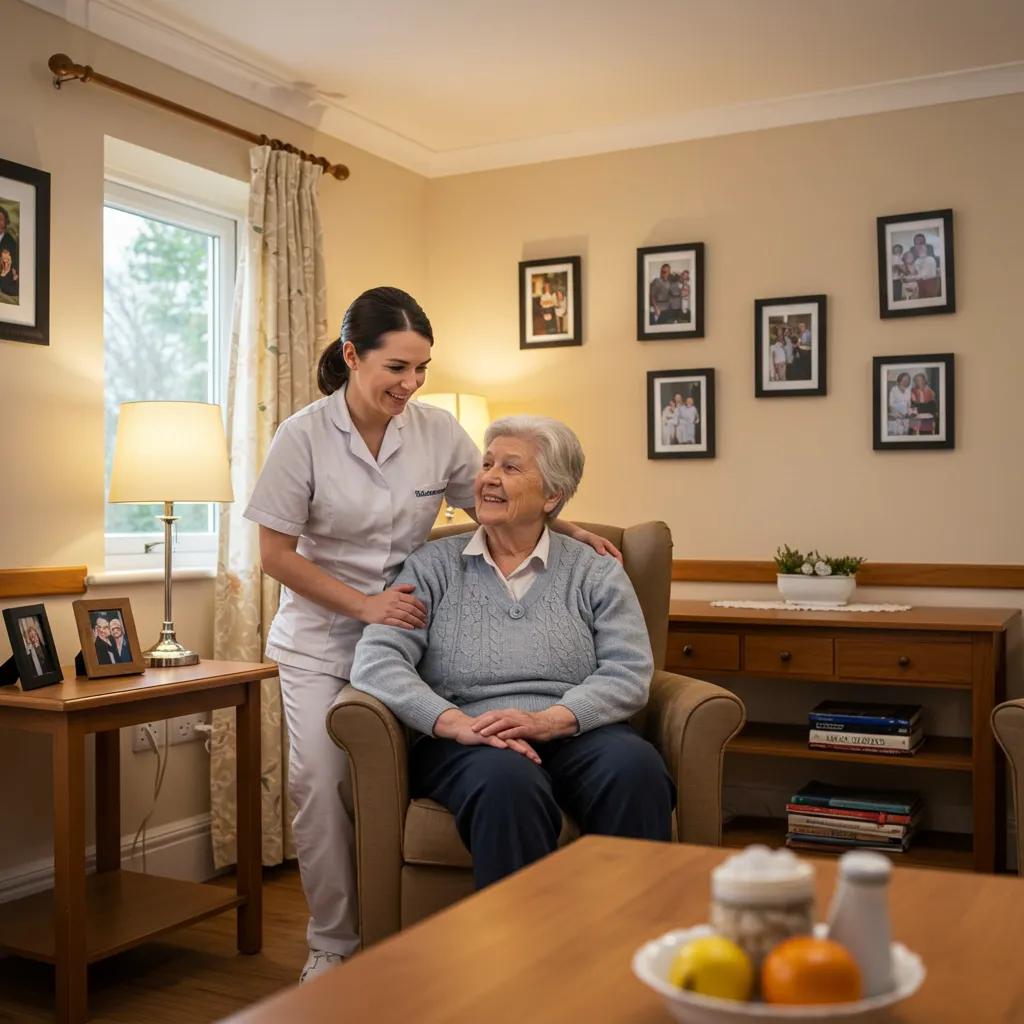
Delaying Memory Care: Unseen Consequences for Your Loved One
Understanding the Risks: Consequences of Postponing Memory Care for Your Loved One
Postponing memory care means delaying access to specialized services designed for people with Alzheimer’s disease and other dementias, and this choice can accelerate safety hazards, cognitive decline, caregiver burnout, and avoidable costs. This article explains what happens when families wait, how to recognize when delay becomes dangerous, and practical steps you can take now to reduce harm and preserve quality of life. Readers will learn the immediate safety risks (wandering, falls, medication errors), the ways delayed care worsens cognitive and physical function, and the emotional and financial toll that often follows crisis-driven placement. The guide then outlines clear signs that indicate memory care is necessary, evidence-based benefits of early intervention, and how professional assessment guides timely decisions. Finally, we map how early memory care intervention — including what Braley Care Homes offers — mitigates risks, and we provide step-by-step actions families can take to schedule assessments and begin a safer, more supportive care plan.
What Are the Hidden Dangers of Delaying Memory Care?
Delaying memory care increases specific, predictable risks because the person with dementia lacks continuous, specialized supervision and structured supports that reduce harm. Without memory-focused routines, medication management, and environment adjustments, safety incidents and health declines become more frequent, and behavioral and emotional problems intensify. Families who postpone care often face compounding effects: repeated emergency visits, increased caregiver stress, and a loss of options for gradual, person-centered placement. The following subsections break down the most common hidden dangers and immediate triggers families should watch for.
How Does Delaying Care Increase Safety Risks and Accidents?
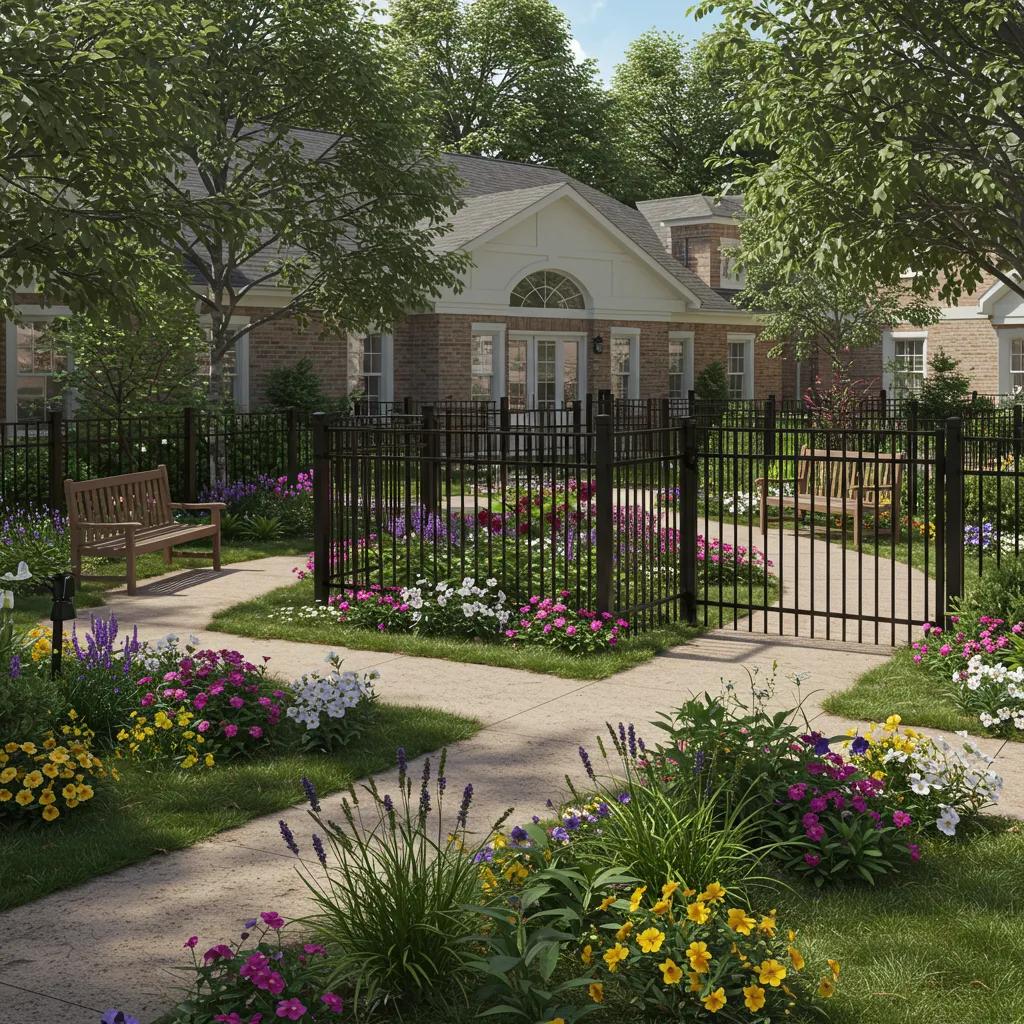
Wandering, falls, medication errors, and household accidents rise when memory-related needs are unmet because impaired judgment and impaired spatial awareness increase exposure to hazards. A person who wanders or mismanages medications may suffer dehydration, injuries, or hospitalizations that could have been prevented by continuous supervision and medication administration. Memory care provides structured routines, secure outdoor areas, and trained staff who de-escalate confusion and reduce environmental risks through simple modifications. Recognizing these safety triggers early — and addressing them with environmental changes or professional assessment — helps prevent escalation to crisis interventions.
What Is the Impact of Postponing Care on Cognitive and Physical Decline?
When families delay specialized memory care, the absence of consistent cognitive stimulation, activity-based engagement, and medication adherence can accelerate both cognitive deterioration and loss of daily function. Regular, individualized cognitive activities and proper medication management help maintain routines and physical abilities that support independence for longer. Left unmanaged, small declines in ADLs (activities of daily living) compound into larger care needs that limit mobility, nutrition, and self-care. Timely access to structured programs slows functional deterioration and preserves capacity for everyday tasks, improving long-term outcomes.
How Does Delayed Memory Care Affect Emotional and Psychological Health?
Inconsistent care, social isolation, and unmet needs often produce anxiety, agitation, and depression in people with dementia, which compounds cognitive symptoms and erodes dignity. Emotional distress can present as nighttime agitation, withdrawal, or sudden mood shifts that prove destabilizing for families and the person living with dementia. Memory care’s therapeutic routines, social engagement, and validation-based approaches reduce distress by providing predictable activities and empathic staff responses. Addressing emotional needs through consistent care protects the person’s psychological wellbeing and prevents avoidable crises.
Why Does Postponing Care Lead to Caregiver Burnout and Family Strain?
Family caregivers who shoulder complex care tasks without respite face exhaustion, declining health, and strained relationships because intensive supervision and 24/7 needs quickly outpace informal supports. Caregiver burnout manifests as chronic fatigue, sleep disruption, depressive symptoms, and neglect of personal health — outcomes that negatively affect the quality of care provided. Professional memory care relieves these pressures by offering respite, coordinated care plans, and education that restore balance and reduce long-term caregiver health risks. Recognizing caregiver strain early and seeking help prevents relationship breakdowns and preserves family capacity to participate in supportive roles.
The demanding nature of caregiving for individuals with Alzheimer's and dementia can lead to significant stress and burnout for family members.
Family Caregiver Burnout: Challenges and Support for Alzheimer's and Dementia Care
As the U.S. population lives longer, the need for family caregiver (FC) support grows. A FC role comes with many challenges and can lead to stress and burnout. Caring for someone with Alzheimer’s disease (AD) and dementia can be extremely demanding and stressful. This chapter describes AD caregiving demands, reviews signs and symptoms of FC burnout, and offers interventions to help FCs recognize and manage caregiving challenges.
Caregiver Burnout Is Real, 2024
What Are the Financial Consequences of Waiting Too Long for Memory Care?
Delaying memory care often converts predictable monthly care costs into unpredictable crisis expenses, including emergency room visits, hospital stays, and urgent home modifications that rapidly increase overall spending. Crisis-driven care can deplete savings faster and force hasty placement choices with fewer financial planning options. Proactive planning allows families to compare predictable memory care costs with common crisis-driven expenses and choose more sustainable options. The table below summarizes typical crisis cost drivers compared with planned early placement costs and practical mitigation strategies to help families weigh financial impact.
Before the table: This comparison clarifies why financial decisions made early can prevent higher costs later.
Expense CategoryTypical Crisis-driven Cost DriversMitigation / Planned ApproachEmergency medical careER visits, hospital stays after falls or infectionsRegular supervision, early intervention reduces emergenciesHome safety fixesRapid, expensive modifications after incidentsPlanned, staged home adaptations or early placementShort-term paid caregivingHigh hourly costs for intensive home care during crisesScheduled respite and predictable facility care budgetsAccelerated placementUrgent admission with limited placement choicesPlanned placement allows financial planning and benefits review
When Is Memory Care Absolutely Necessary? Recognizing the Signs and Symptoms
Memory care becomes essential when clinical, functional, and behavioral indicators indicate that home-based supports are insufficient to keep the person safe and engaged. Early signs — like repeated disorientation, missed medications, or reduced ADLs — signal that a professional assessment is warranted to determine the appropriate level of care. Timely recognition of these indicators prevents rapid escalation to crisis situations and supports a smoother transition to specialized services. The checklist below offers practical “when to act” cues families can observe and use to decide whether to seek a formal evaluation.
What Are the Early Signs That Indicate the Need for Specialized Memory Care?
Early warning signs include frequent repetition of questions, getting lost in familiar places, difficulty managing finances or medication, and progressive trouble with dressing, grooming, or meal preparation. These observable behaviors indicate that decision-making and routine management are worsening and that safety or wellbeing could soon be compromised. Early identification allows families to arrange assessments and make adjustments before emergency events occur, enabling shared decision-making and more dignified transitions. Acting on these early signs opens up options for tailored interventions that can preserve function and quality of life.
How Can Families Assess When Delay Becomes Dangerous?
Families should treat repeated falls, unmanageable wandering, severe medication nonadherence, or pronounced weight loss as red flags requiring immediate action: if any two of these are present, escalate to urgent assessment. Using decision-rule language — for example, "If X occurs more than Y times in Z weeks, arrange assessment" — helps convert worry into actionable steps and avoids indefinite postponement. An anonymized example: a spouse who had two episodes of wandering within a month and missed multiple medications led to emergency care; an earlier assessment could have introduced secure routines and supervision. When in doubt, a professional assessment clarifies risk and next steps.
What Role Does Professional Assessment Play in Timely Memory Care Decisions?
A professional memory care assessment evaluates medical history, functional abilities, behavior patterns, medication management, and home safety to recommend an appropriate level of care and a personalized plan. Multidisciplinary input reduces guesswork by aligning clinical findings with available services and supports, and it informs timing for transition to memory care neighborhoods or increased in-home services. Free assessments, when available, provide families an immediate way to understand risk and options without commitment. Scheduling an assessment offers clarity, reduces delay, and sets a roadmap for safer, person-centered care.
How Does Postponing Memory Care Affect Your Loved One’s Quality of Life?
Delaying memory-focused placement undermines daily structure, social connections, and access to therapeutic activities that sustain dignity and engagement, which means a loved one can experience a rapidly diminished quality of life. Specialized memory care introduced early restores meaningful routines, consistent assistance with meals and hygiene, and opportunities for social interaction that reduce loneliness and confusion. The sections that follow describe specific ways early memory care improves everyday living, slows progression of symptoms with targeted strategies, and why a home-like setting supports comfort and orientation.
In What Ways Does Early Memory Care Improve Daily Living and Engagement?
Early memory care improves routines around nutrition, hygiene, medication adherence, and social activities by establishing predictable schedules and personalized support. Residents benefit from structured mealtimes, assistance with ADLs, and small-group activities that reduce isolation and promote participation. Engagement programs — music, reminiscence, and pet-assisted activities — enhance mood and stimulate memory through familiar cues and meaningful interaction. Within weeks of enrollment, many families observe improved appetite, more consistent sleep-wake cycles, and more positive social behaviors, reflecting the immediate practical benefits of specialized care.
How Does Specialized Care Slow Dementia Progression and Enhance Comfort?
Specialized memory care applies evidence-based interventions — cognitive stimulation, routine-based therapies, and attentive medication management — that can slow functional decline and minimize distressing symptoms. Non-pharmacologic strategies like structured activity, personalized cognitive tasks, and environmental cues reduce agitation and support preserved abilities. Consistent symptom management and palliative approaches focus on comfort, pain recognition, and respectful care, improving day-to-day wellbeing even when the disease advances. These measures offer tangible improvements in comfort and preserve as much independence as possible.
Why Is a Home-Like Environment Important for Memory Care Residents?
A small-scale, home-like environment reduces sensory overload and confusion by using familiar cues, accessible pathways, and comfortable communal areas that promote orientation and dignity. Design elements such as clearly labeled spaces, safe outdoor areas, and cozy common rooms decrease agitation and encourage participation in daily life. Such environments foster relationships, reduce behavioral incidents, and allow staff to deliver personalized support more effectively than larger, institutional settings. The result is a setting that feels like home while offering the safety and programs people with dementia need.
What Are the Emotional and Psychological Impacts of Delayed Dementia Care on Families?
When memory care is postponed, families face heightened emotional burdens: ongoing worry, guilt about decisions, interrupted sleep, and increasing interpersonal strain as caregiving demands intensify. These psychological effects reduce caregivers’ capacity for work, social engagement, and self-care, creating a feedback loop where caregiver stress worsens recipient outcomes. Professional memory care provides not only hands-on support for the person with dementia but also education, respite, and care coordination that reduce family distress. The next subsections examine how delay worsens mood for residents, the specific signs of caregiver burnout, and how professional services relieve family burden.
How Does Delaying Care Increase Anxiety and Depression in Loved Ones?

Unpredictable routines, unmet needs, and social withdrawal commonly cause increased anxiety, depressive symptoms, and behavioral changes in people with dementia, as instability undermines their sense of safety. When emotional needs go unmet, mood symptoms can present as persistent sadness, reduced interest in activities, or increased irritability that escalates care complexity. Consistent memory care establishes predictable days, therapeutic engagement, and social connections that reduce isolation and improve mood. Addressing emotional health early preserves quality of life and reduces acute episodes that often precipitate emergency care.
What Are the Signs and Effects of Caregiver Burnout from Postponed Care?
Caregiver burnout presents as chronic fatigue, sleep disturbances, irritability, withdrawal from social life, and declining physical health, and it often coincides with increased mistakes in medication or scheduling of appointments. These signs not only threaten the caregiver’s wellbeing but also create safety risks for the care recipient through missed supervision or overlooked needs. Immediate support options include respite services, support groups, and professional assessments that reassign responsibilities to trained staff while preserving family involvement. Seeking help early preserves caregiver health and prevents crisis-driven solutions.
Recognizing and addressing caregiver burnout is crucial for maintaining the well-being of both the caregiver and the person receiving care.
Family Caregiver Burnout: Challenges and Support for Alzheimer's and Dementia Care
As the U.S. population lives longer, the need for family caregiver (FC) support grows. A FC role comes with many challenges and can lead to stress and burnout. Caring for someone with Alzheimer’s disease (AD) and dementia can be extremely demanding and stressful. This chapter describes AD caregiving demands, reviews signs and symptoms of FC burnout, and offers interventions to help FCs recognize and manage caregiving challenges.
Caregiver Burnout Is Real, 2024
How Can Professional Memory Care Provide Relief and Support to Families?
Professional memory care offers care coordination, family education, counseling referrals, and scheduled respite that directly reduce caregiver load and restore routine to family life. These services include individualized care plans, regular family communication, and assistance navigating financial and medical decisions related to dementia care. Families who engage professional supports report improved sleep, reduced anxiety about safety, and better relationship quality as stressors are redistributed to trained teams. Reaching out for assessment and support provides both practical relief and a roadmap for long-term planning.
How Can Early Memory Care Intervention at Braley Care Homes Make a Difference?
Early intervention at a dedicated memory care facility can directly mitigate many of the risks described above by matching specialized services to individual needs, and Braley Care Homes offers several such supports designed for people with Alzheimer’s and related dementias. As West Virginia’s only freestanding Alzheimer’s, dementia, and memory care facility, Braley Care Homes focuses on a home-like environment, 24/7 professional staff, individualized activities, medication administration, and assistance with ADLs. Below we map core services to specific benefits and explain how early placement can reduce safety incidents, slow decline, and ease family burden while offering free assessments and tours to guide decisions.
What Specialized Services Does Braley Care Homes Offer for Alzheimer’s and Dementia?
Braley Care Homes provides continuous supervision through 24/7 trained staff, medication administration to reduce errors, assistance with activities of daily living, and individualized activity programs tailored to residents’ histories and abilities. Each service targets a clear safety or quality-of-life outcome: medication administration reduces dosing errors, ADL assistance prevents malnutrition and neglect, and personalized engagement lowers agitation and isolation. The facility’s free assessments and tours help families evaluate fit without pressure and plan care proactively. Early access to these services decreases emergency incidents and improves day-to-day comfort.
Service OfferedKey AttributePrimary Family/Resident Benefit24/7 trained staffLPNs, RNs, and clinical oversightContinuous supervision and rapid response to incidentsMedication administrationProfessional management and monitoringFewer medication errors and improved adherenceIndividualized activitiesPersonalized programmingImproved engagement, mood, and cognitive stimulationADL assistanceSupport with hygiene and mealsPreserves nutrition, dignity, and daily routine
How Does Braley’s Home-Like Environment Enhance Safety and Comfort?
Braley Care Homes emphasizes a small, home-like setting that reduces confusion and sensory overload, offering familiar routines and accessible common spaces that promote orientation and calm. Environmental features and program design work together to lower behavioral incidents by providing predictable cues, safe outdoor areas, and comfortable social spaces. A home-like atmosphere fosters relationships between staff and residents and supports meaningful daily activities that preserve dignity. Families frequently note that such an environment contributes directly to reduced agitation and more positive daily experiences.
Why Is Braley Care Homes’ Compassionate Staff Essential for Quality Care?
Trained nursing staff (LPNs, RNs) and clinical social work oversight (including leadership with BSW and MSW credentials and LICSW licensure) enable skilled assessment, behavioral management, and care coordination that improve clinical and safety outcomes. The owner and administrator’s clinical background and personal experience with dementia inform a compassionate, evidence-based approach that prioritizes resident dignity and family communication. Continuous staff presence allows rapid intervention for falls, medication issues, and emotional distress, which reduces emergency care and stabilizes daily life. Staff expertise directly links to safer, more reliable care for residents.
How Does Early Intervention Provide Peace of Mind for Families?
Early placement and engagement with memory care provide families with immediate and ongoing relief: reduced worry about safety, better sleep, and clearer care coordination that prevents last-minute decisions. Families gain a structured plan, regular updates, and professional guidance on managing progression and planning next steps. These practical benefits translate into emotional relief, restored capacity for family relationships, and more thoughtful financial planning. For families exploring options, scheduling a free assessment and tour at the facility can clarify fit and timing while preserving choice.
What Are the Financial Realities of Postponing Memory Care?
Financially, delaying memory care often means converting manageable monthly expenses into higher, unpredictable emergency spending that depletes resources and limits planning flexibility. Early placement typically produces a predictable monthly budget and access to planning resources, while crisis-driven scenarios add hospital bills, urgent home renovations, and short-term caregiver costs that accumulate quickly. Below we compare crisis-driven cost drivers with planned placement costs and then summarize practical financial planning options families can pursue to prepare.
How Does Delaying Care Increase Long-Term Medical and Care Costs?
Delays commonly increase costs through repeated emergency room visits, hospital admissions for falls or infections, and expensive short-term caregiving that replaces sustainable long-term solutions. These episodic expenses are often higher per incident than steady memory care fees and may occur repeatedly if underlying risks remain unaddressed. Comparing typical monthly memory care budgets with cumulative emergency costs illustrates how early planning caps total spending and reduces financial strain on families. Avoiding repeated crises preserves assets and expands choices for quality placement.
What Financial Planning Options Can Help Families Prepare for Memory Care?
Families can explore Medicaid planning, long-term care insurance, veteran benefits, and consultation with elder law attorneys or financial planners to identify eligibility and strategies for cost management. Each option requires timely inquiry: long-term care claims and benefit applications take time, and asset-protection strategies work best when enacted before crisis. Practical next steps include collecting medical documentation, reviewing insurance policies, and seeking professional advice tailored to family circumstances. Proactive planning increases options and reduces the need for immediate, suboptimal financial decisions.
Why Is Early Memory Care More Cost-Effective Than Crisis-Driven Placement?
Early memory care avoids expensive emergency interventions, reduces unpaid family caregiving hours, and prevents rapid deterioration that increases medical costs, presenting both direct and indirect savings. For example, preventing one hospitalization from a fall can offset months of additional care fees and protect assets from depletion. Beyond measurable savings, early placement reduces intangible costs such as caregiver health decline and lost productivity, which factor into total family impact. Investing in timely, planned care yields both financial and quality-of-life returns that compound over time.
Cost ScenarioCommon Cost DriversFinancial ImpactCrisis-driven careER visits, urgent home mods, short-term paid careHigh, unpredictable, depletes reservesPlanned memory careMonthly facility fees, assessments, support servicesPredictable, easier to budget and plan forEarly planning actionsBenefits screening, insurance claims, legal counselLowers long-term cost volatility and increases options
How Do You Take the First Step Toward Timely Memory Care?
Taking the first step begins with scheduling an assessment, gathering key documents, and preparing to discuss daily routines, medical history, and safety concerns so providers can recommend the right level of care. A clear, step-by-step approach reduces uncertainty and speeds access to services that prevent avoidable incidents. The sections below outline how to arrange a free care assessment at Braley Care Homes, what to expect during the evaluation, and the immediate benefits your loved one is likely to experience after early engagement.
How Can You Schedule a Free Care Assessment at Braley Care Homes?
To schedule a free care assessment or tour, contact the facility directly via their provided contact pathways to request availability; request an in-person or virtual tour if offered and ask about response timeframes. Prepare a basic checklist — recent medications, physician contacts, observed behaviors, and examples of safety concerns — to share during scheduling so staff can prioritize urgent needs. After you request an assessment, expect staff to confirm details, suggest documentation to bring, and propose a timeframe for the evaluation. If safety concerns are immediate, communicate that urgency when arranging the appointment.
Prepare documentation: medication list, recent medical notes, behavioral examples.
Request assessment: state any urgent safety risks and preferred visit type.
Confirm logistics: ask about timing, who will attend, and documentation to bring.
These steps streamline the assessment process and ensure you get timely guidance.
What Should Families Expect During the Memory Care Assessment?
A memory care assessment typically includes a review of medical history, current medications, functional abilities (ADLs), behavior patterns, and home safety, often conducted by nursing and clinical staff. The assessment team uses this information to recommend appropriate supports, a care plan, and potential timelines for placement if needed. Families should expect questions about routines, recent changes, and current caregiver capacity, and should plan to discuss financial and legal considerations as they relate to care. After the assessment, staff will outline recommended next steps and available supports, making planning transparent and actionable.
How Does Early Engagement with Memory Care Services Benefit Your Loved One?
Early engagement yields immediate benefits: improved safety through supervision, enhanced nutrition and hygiene via ADL support, and increased social interaction from activity programs that reduce isolation. Within weeks, many families observe stabilized routines, fewer safety incidents, and improved mood and engagement as personalized care plans are implemented. These practical outcomes translate into emotional relief for families and better long-term prognosis for the person with dementia. Taking action now — starting with an assessment and tour — preserves options and supports a more dignified, sustainable care path.
Safety improvements: consistent supervision and medication oversight.
Quality-of-life gains: meaningful activities and social engagement.
Family relief: reduced caregiver burden and clearer care coordination.
Scheduling an assessment is the first practical step toward these benefits and helps families make informed, timely decisions.
Frequently Asked Questions
What are the long-term effects of delaying memory care on a loved one's health?
Delaying memory care can lead to significant long-term health consequences, including accelerated cognitive decline and increased physical health issues. Without timely intervention, individuals may experience a rapid deterioration in their ability to perform daily activities, leading to a loss of independence. Additionally, the absence of structured routines and professional support can exacerbate existing health conditions, resulting in more frequent hospitalizations and a decline in overall quality of life. Early memory care can help mitigate these risks and promote better long-term health outcomes.
How can families prepare for a memory care assessment?
Preparing for a memory care assessment involves gathering essential documents and information that will help the assessment team understand the individual's needs. Families should compile a list of current medications, recent medical records, and observations about behavioral changes or safety concerns. It’s also helpful to prepare questions regarding care options and support services. This preparation ensures that the assessment is thorough and that families receive tailored recommendations that address their loved one's specific situation.
What should families look for in a quality memory care facility?
When evaluating memory care facilities, families should consider several key factors, including staff qualifications, the facility's environment, and the range of services offered. Look for facilities with trained staff who specialize in dementia care, as well as a home-like atmosphere that promotes comfort and safety. Additionally, assess the availability of personalized care plans, social engagement activities, and family support services. Visiting the facility and observing interactions between staff and residents can also provide valuable insights into the quality of care provided.
How can early memory care intervention benefit families emotionally?
Early memory care intervention can significantly alleviate emotional stress for families by providing structured support and reducing the burden of caregiving. With professional assistance, families can experience improved peace of mind, knowing their loved one is receiving appropriate care. This support allows family members to focus on their own well-being and maintain healthier relationships. Additionally, early intervention can lead to better communication with care providers, ensuring that families are informed and involved in their loved one's care journey.
What role does social engagement play in memory care?
Social engagement is crucial in memory care as it helps combat feelings of isolation and depression often experienced by individuals with dementia. Activities that promote social interaction, such as group exercises, art classes, or music therapy, can enhance mood and cognitive function. Engaging with peers and participating in structured activities fosters a sense of belonging and purpose, which is vital for emotional well-being. Memory care facilities that prioritize social engagement often see improved outcomes in residents' overall quality of life.
What are the signs that a loved one may need immediate memory care?
Signs that a loved one may require immediate memory care include frequent disorientation, significant changes in behavior, missed medications, and a decline in the ability to perform daily activities. Other red flags include unexplained weight loss, increased wandering, or safety concerns such as leaving the stove on. If families observe any combination of these signs, it is crucial to seek a professional assessment promptly to ensure the individual receives the necessary support and care to maintain their safety and well-being.

Delaying Memory Care: Unseen Consequences for Your Loved One
Understanding the Risks: Consequences of Postponing Memory Care for Your Loved One
Postponing memory care means delaying access to specialized services designed for people with Alzheimer’s disease and other dementias, and this choice can accelerate safety hazards, cognitive decline, caregiver burnout, and avoidable costs. This article explains what happens when families wait, how to recognize when delay becomes dangerous, and practical steps you can take now to reduce harm and preserve quality of life. Readers will learn the immediate safety risks (wandering, falls, medication errors), the ways delayed care worsens cognitive and physical function, and the emotional and financial toll that often follows crisis-driven placement. The guide then outlines clear signs that indicate memory care is necessary, evidence-based benefits of early intervention, and how professional assessment guides timely decisions. Finally, we map how early memory care intervention — including what Braley Care Homes offers — mitigates risks, and we provide step-by-step actions families can take to schedule assessments and begin a safer, more supportive care plan.
What Are the Hidden Dangers of Delaying Memory Care?
Delaying memory care increases specific, predictable risks because the person with dementia lacks continuous, specialized supervision and structured supports that reduce harm. Without memory-focused routines, medication management, and environment adjustments, safety incidents and health declines become more frequent, and behavioral and emotional problems intensify. Families who postpone care often face compounding effects: repeated emergency visits, increased caregiver stress, and a loss of options for gradual, person-centered placement. The following subsections break down the most common hidden dangers and immediate triggers families should watch for.
How Does Delaying Care Increase Safety Risks and Accidents?
Wandering, falls, medication errors, and household accidents rise when memory-related needs are unmet because impaired judgment and impaired spatial awareness increase exposure to hazards. A person who wanders or mismanages medications may suffer dehydration, injuries, or hospitalizations that could have been prevented by continuous supervision and medication administration. Memory care provides structured routines, secure outdoor areas, and trained staff who de-escalate confusion and reduce environmental risks through simple modifications. Recognizing these safety triggers early — and addressing them with environmental changes or professional assessment — helps prevent escalation to crisis interventions.
What Is the Impact of Postponing Care on Cognitive and Physical Decline?
When families delay specialized memory care, the absence of consistent cognitive stimulation, activity-based engagement, and medication adherence can accelerate both cognitive deterioration and loss of daily function. Regular, individualized cognitive activities and proper medication management help maintain routines and physical abilities that support independence for longer. Left unmanaged, small declines in ADLs (activities of daily living) compound into larger care needs that limit mobility, nutrition, and self-care. Timely access to structured programs slows functional deterioration and preserves capacity for everyday tasks, improving long-term outcomes.
How Does Delayed Memory Care Affect Emotional and Psychological Health?
Inconsistent care, social isolation, and unmet needs often produce anxiety, agitation, and depression in people with dementia, which compounds cognitive symptoms and erodes dignity. Emotional distress can present as nighttime agitation, withdrawal, or sudden mood shifts that prove destabilizing for families and the person living with dementia. Memory care’s therapeutic routines, social engagement, and validation-based approaches reduce distress by providing predictable activities and empathic staff responses. Addressing emotional needs through consistent care protects the person’s psychological wellbeing and prevents avoidable crises.
Why Does Postponing Care Lead to Caregiver Burnout and Family Strain?
Family caregivers who shoulder complex care tasks without respite face exhaustion, declining health, and strained relationships because intensive supervision and 24/7 needs quickly outpace informal supports. Caregiver burnout manifests as chronic fatigue, sleep disruption, depressive symptoms, and neglect of personal health — outcomes that negatively affect the quality of care provided. Professional memory care relieves these pressures by offering respite, coordinated care plans, and education that restore balance and reduce long-term caregiver health risks. Recognizing caregiver strain early and seeking help prevents relationship breakdowns and preserves family capacity to participate in supportive roles.
The demanding nature of caregiving for individuals with Alzheimer's and dementia can lead to significant stress and burnout for family members.
Family Caregiver Burnout: Challenges and Support for Alzheimer's and Dementia Care
As the U.S. population lives longer, the need for family caregiver (FC) support grows. A FC role comes with many challenges and can lead to stress and burnout. Caring for someone with Alzheimer’s disease (AD) and dementia can be extremely demanding and stressful. This chapter describes AD caregiving demands, reviews signs and symptoms of FC burnout, and offers interventions to help FCs recognize and manage caregiving challenges.
Caregiver Burnout Is Real, 2024
What Are the Financial Consequences of Waiting Too Long for Memory Care?
Delaying memory care often converts predictable monthly care costs into unpredictable crisis expenses, including emergency room visits, hospital stays, and urgent home modifications that rapidly increase overall spending. Crisis-driven care can deplete savings faster and force hasty placement choices with fewer financial planning options. Proactive planning allows families to compare predictable memory care costs with common crisis-driven expenses and choose more sustainable options. The table below summarizes typical crisis cost drivers compared with planned early placement costs and practical mitigation strategies to help families weigh financial impact.
Before the table: This comparison clarifies why financial decisions made early can prevent higher costs later.
Expense CategoryTypical Crisis-driven Cost DriversMitigation / Planned ApproachEmergency medical careER visits, hospital stays after falls or infectionsRegular supervision, early intervention reduces emergenciesHome safety fixesRapid, expensive modifications after incidentsPlanned, staged home adaptations or early placementShort-term paid caregivingHigh hourly costs for intensive home care during crisesScheduled respite and predictable facility care budgetsAccelerated placementUrgent admission with limited placement choicesPlanned placement allows financial planning and benefits review
When Is Memory Care Absolutely Necessary? Recognizing the Signs and Symptoms
Memory care becomes essential when clinical, functional, and behavioral indicators indicate that home-based supports are insufficient to keep the person safe and engaged. Early signs — like repeated disorientation, missed medications, or reduced ADLs — signal that a professional assessment is warranted to determine the appropriate level of care. Timely recognition of these indicators prevents rapid escalation to crisis situations and supports a smoother transition to specialized services. The checklist below offers practical “when to act” cues families can observe and use to decide whether to seek a formal evaluation.
What Are the Early Signs That Indicate the Need for Specialized Memory Care?
Early warning signs include frequent repetition of questions, getting lost in familiar places, difficulty managing finances or medication, and progressive trouble with dressing, grooming, or meal preparation. These observable behaviors indicate that decision-making and routine management are worsening and that safety or wellbeing could soon be compromised. Early identification allows families to arrange assessments and make adjustments before emergency events occur, enabling shared decision-making and more dignified transitions. Acting on these early signs opens up options for tailored interventions that can preserve function and quality of life.
How Can Families Assess When Delay Becomes Dangerous?
Families should treat repeated falls, unmanageable wandering, severe medication nonadherence, or pronounced weight loss as red flags requiring immediate action: if any two of these are present, escalate to urgent assessment. Using decision-rule language — for example, "If X occurs more than Y times in Z weeks, arrange assessment" — helps convert worry into actionable steps and avoids indefinite postponement. An anonymized example: a spouse who had two episodes of wandering within a month and missed multiple medications led to emergency care; an earlier assessment could have introduced secure routines and supervision. When in doubt, a professional assessment clarifies risk and next steps.
What Role Does Professional Assessment Play in Timely Memory Care Decisions?
A professional memory care assessment evaluates medical history, functional abilities, behavior patterns, medication management, and home safety to recommend an appropriate level of care and a personalized plan. Multidisciplinary input reduces guesswork by aligning clinical findings with available services and supports, and it informs timing for transition to memory care neighborhoods or increased in-home services. Free assessments, when available, provide families an immediate way to understand risk and options without commitment. Scheduling an assessment offers clarity, reduces delay, and sets a roadmap for safer, person-centered care.
How Does Postponing Memory Care Affect Your Loved One’s Quality of Life?
Delaying memory-focused placement undermines daily structure, social connections, and access to therapeutic activities that sustain dignity and engagement, which means a loved one can experience a rapidly diminished quality of life. Specialized memory care introduced early restores meaningful routines, consistent assistance with meals and hygiene, and opportunities for social interaction that reduce loneliness and confusion. The sections that follow describe specific ways early memory care improves everyday living, slows progression of symptoms with targeted strategies, and why a home-like setting supports comfort and orientation.
In What Ways Does Early Memory Care Improve Daily Living and Engagement?
Early memory care improves routines around nutrition, hygiene, medication adherence, and social activities by establishing predictable schedules and personalized support. Residents benefit from structured mealtimes, assistance with ADLs, and small-group activities that reduce isolation and promote participation. Engagement programs — music, reminiscence, and pet-assisted activities — enhance mood and stimulate memory through familiar cues and meaningful interaction. Within weeks of enrollment, many families observe improved appetite, more consistent sleep-wake cycles, and more positive social behaviors, reflecting the immediate practical benefits of specialized care.
How Does Specialized Care Slow Dementia Progression and Enhance Comfort?
Specialized memory care applies evidence-based interventions — cognitive stimulation, routine-based therapies, and attentive medication management — that can slow functional decline and minimize distressing symptoms. Non-pharmacologic strategies like structured activity, personalized cognitive tasks, and environmental cues reduce agitation and support preserved abilities. Consistent symptom management and palliative approaches focus on comfort, pain recognition, and respectful care, improving day-to-day wellbeing even when the disease advances. These measures offer tangible improvements in comfort and preserve as much independence as possible.
Why Is a Home-Like Environment Important for Memory Care Residents?
A small-scale, home-like environment reduces sensory overload and confusion by using familiar cues, accessible pathways, and comfortable communal areas that promote orientation and dignity. Design elements such as clearly labeled spaces, safe outdoor areas, and cozy common rooms decrease agitation and encourage participation in daily life. Such environments foster relationships, reduce behavioral incidents, and allow staff to deliver personalized support more effectively than larger, institutional settings. The result is a setting that feels like home while offering the safety and programs people with dementia need.
What Are the Emotional and Psychological Impacts of Delayed Dementia Care on Families?
When memory care is postponed, families face heightened emotional burdens: ongoing worry, guilt about decisions, interrupted sleep, and increasing interpersonal strain as caregiving demands intensify. These psychological effects reduce caregivers’ capacity for work, social engagement, and self-care, creating a feedback loop where caregiver stress worsens recipient outcomes. Professional memory care provides not only hands-on support for the person with dementia but also education, respite, and care coordination that reduce family distress. The next subsections examine how delay worsens mood for residents, the specific signs of caregiver burnout, and how professional services relieve family burden.
How Does Delaying Care Increase Anxiety and Depression in Loved Ones?
Unpredictable routines, unmet needs, and social withdrawal commonly cause increased anxiety, depressive symptoms, and behavioral changes in people with dementia, as instability undermines their sense of safety. When emotional needs go unmet, mood symptoms can present as persistent sadness, reduced interest in activities, or increased irritability that escalates care complexity. Consistent memory care establishes predictable days, therapeutic engagement, and social connections that reduce isolation and improve mood. Addressing emotional health early preserves quality of life and reduces acute episodes that often precipitate emergency care.
What Are the Signs and Effects of Caregiver Burnout from Postponed Care?
Caregiver burnout presents as chronic fatigue, sleep disturbances, irritability, withdrawal from social life, and declining physical health, and it often coincides with increased mistakes in medication or scheduling of appointments. These signs not only threaten the caregiver’s wellbeing but also create safety risks for the care recipient through missed supervision or overlooked needs. Immediate support options include respite services, support groups, and professional assessments that reassign responsibilities to trained staff while preserving family involvement. Seeking help early preserves caregiver health and prevents crisis-driven solutions.
Recognizing and addressing caregiver burnout is crucial for maintaining the well-being of both the caregiver and the person receiving care.
Family Caregiver Burnout: Challenges and Support for Alzheimer's and Dementia Care
As the U.S. population lives longer, the need for family caregiver (FC) support grows. A FC role comes with many challenges and can lead to stress and burnout. Caring for someone with Alzheimer’s disease (AD) and dementia can be extremely demanding and stressful. This chapter describes AD caregiving demands, reviews signs and symptoms of FC burnout, and offers interventions to help FCs recognize and manage caregiving challenges.
Caregiver Burnout Is Real, 2024
How Can Professional Memory Care Provide Relief and Support to Families?
Professional memory care offers care coordination, family education, counseling referrals, and scheduled respite that directly reduce caregiver load and restore routine to family life. These services include individualized care plans, regular family communication, and assistance navigating financial and medical decisions related to dementia care. Families who engage professional supports report improved sleep, reduced anxiety about safety, and better relationship quality as stressors are redistributed to trained teams. Reaching out for assessment and support provides both practical relief and a roadmap for long-term planning.
How Can Early Memory Care Intervention at Braley Care Homes Make a Difference?
Early intervention at a dedicated memory care facility can directly mitigate many of the risks described above by matching specialized services to individual needs, and Braley Care Homes offers several such supports designed for people with Alzheimer’s and related dementias. As West Virginia’s only freestanding Alzheimer’s, dementia, and memory care facility, Braley Care Homes focuses on a home-like environment, 24/7 professional staff, individualized activities, medication administration, and assistance with ADLs. Below we map core services to specific benefits and explain how early placement can reduce safety incidents, slow decline, and ease family burden while offering free assessments and tours to guide decisions.
What Specialized Services Does Braley Care Homes Offer for Alzheimer’s and Dementia?
Braley Care Homes provides continuous supervision through 24/7 trained staff, medication administration to reduce errors, assistance with activities of daily living, and individualized activity programs tailored to residents’ histories and abilities. Each service targets a clear safety or quality-of-life outcome: medication administration reduces dosing errors, ADL assistance prevents malnutrition and neglect, and personalized engagement lowers agitation and isolation. The facility’s free assessments and tours help families evaluate fit without pressure and plan care proactively. Early access to these services decreases emergency incidents and improves day-to-day comfort.
Service OfferedKey AttributePrimary Family/Resident Benefit24/7 trained staffLPNs, RNs, and clinical oversightContinuous supervision and rapid response to incidentsMedication administrationProfessional management and monitoringFewer medication errors and improved adherenceIndividualized activitiesPersonalized programmingImproved engagement, mood, and cognitive stimulationADL assistanceSupport with hygiene and mealsPreserves nutrition, dignity, and daily routine
How Does Braley’s Home-Like Environment Enhance Safety and Comfort?
Braley Care Homes emphasizes a small, home-like setting that reduces confusion and sensory overload, offering familiar routines and accessible common spaces that promote orientation and calm. Environmental features and program design work together to lower behavioral incidents by providing predictable cues, safe outdoor areas, and comfortable social spaces. A home-like atmosphere fosters relationships between staff and residents and supports meaningful daily activities that preserve dignity. Families frequently note that such an environment contributes directly to reduced agitation and more positive daily experiences.
Why Is Braley Care Homes’ Compassionate Staff Essential for Quality Care?
Trained nursing staff (LPNs, RNs) and clinical social work oversight (including leadership with BSW and MSW credentials and LICSW licensure) enable skilled assessment, behavioral management, and care coordination that improve clinical and safety outcomes. The owner and administrator’s clinical background and personal experience with dementia inform a compassionate, evidence-based approach that prioritizes resident dignity and family communication. Continuous staff presence allows rapid intervention for falls, medication issues, and emotional distress, which reduces emergency care and stabilizes daily life. Staff expertise directly links to safer, more reliable care for residents.
How Does Early Intervention Provide Peace of Mind for Families?
Early placement and engagement with memory care provide families with immediate and ongoing relief: reduced worry about safety, better sleep, and clearer care coordination that prevents last-minute decisions. Families gain a structured plan, regular updates, and professional guidance on managing progression and planning next steps. These practical benefits translate into emotional relief, restored capacity for family relationships, and more thoughtful financial planning. For families exploring options, scheduling a free assessment and tour at the facility can clarify fit and timing while preserving choice.
What Are the Financial Realities of Postponing Memory Care?
Financially, delaying memory care often means converting manageable monthly expenses into higher, unpredictable emergency spending that depletes resources and limits planning flexibility. Early placement typically produces a predictable monthly budget and access to planning resources, while crisis-driven scenarios add hospital bills, urgent home renovations, and short-term caregiver costs that accumulate quickly. Below we compare crisis-driven cost drivers with planned placement costs and then summarize practical financial planning options families can pursue to prepare.
How Does Delaying Care Increase Long-Term Medical and Care Costs?
Delays commonly increase costs through repeated emergency room visits, hospital admissions for falls or infections, and expensive short-term caregiving that replaces sustainable long-term solutions. These episodic expenses are often higher per incident than steady memory care fees and may occur repeatedly if underlying risks remain unaddressed. Comparing typical monthly memory care budgets with cumulative emergency costs illustrates how early planning caps total spending and reduces financial strain on families. Avoiding repeated crises preserves assets and expands choices for quality placement.
What Financial Planning Options Can Help Families Prepare for Memory Care?
Families can explore Medicaid planning, long-term care insurance, veteran benefits, and consultation with elder law attorneys or financial planners to identify eligibility and strategies for cost management. Each option requires timely inquiry: long-term care claims and benefit applications take time, and asset-protection strategies work best when enacted before crisis. Practical next steps include collecting medical documentation, reviewing insurance policies, and seeking professional advice tailored to family circumstances. Proactive planning increases options and reduces the need for immediate, suboptimal financial decisions.
Why Is Early Memory Care More Cost-Effective Than Crisis-Driven Placement?
Early memory care avoids expensive emergency interventions, reduces unpaid family caregiving hours, and prevents rapid deterioration that increases medical costs, presenting both direct and indirect savings. For example, preventing one hospitalization from a fall can offset months of additional care fees and protect assets from depletion. Beyond measurable savings, early placement reduces intangible costs such as caregiver health decline and lost productivity, which factor into total family impact. Investing in timely, planned care yields both financial and quality-of-life returns that compound over time.
Cost ScenarioCommon Cost DriversFinancial ImpactCrisis-driven careER visits, urgent home mods, short-term paid careHigh, unpredictable, depletes reservesPlanned memory careMonthly facility fees, assessments, support servicesPredictable, easier to budget and plan forEarly planning actionsBenefits screening, insurance claims, legal counselLowers long-term cost volatility and increases options
How Do You Take the First Step Toward Timely Memory Care?
Taking the first step begins with scheduling an assessment, gathering key documents, and preparing to discuss daily routines, medical history, and safety concerns so providers can recommend the right level of care. A clear, step-by-step approach reduces uncertainty and speeds access to services that prevent avoidable incidents. The sections below outline how to arrange a free care assessment at Braley Care Homes, what to expect during the evaluation, and the immediate benefits your loved one is likely to experience after early engagement.
How Can You Schedule a Free Care Assessment at Braley Care Homes?
To schedule a free care assessment or tour, contact the facility directly via their provided contact pathways to request availability; request an in-person or virtual tour if offered and ask about response timeframes. Prepare a basic checklist — recent medications, physician contacts, observed behaviors, and examples of safety concerns — to share during scheduling so staff can prioritize urgent needs. After you request an assessment, expect staff to confirm details, suggest documentation to bring, and propose a timeframe for the evaluation. If safety concerns are immediate, communicate that urgency when arranging the appointment.
Prepare documentation: medication list, recent medical notes, behavioral examples.
Request assessment: state any urgent safety risks and preferred visit type.
Confirm logistics: ask about timing, who will attend, and documentation to bring.
These steps streamline the assessment process and ensure you get timely guidance.
What Should Families Expect During the Memory Care Assessment?
A memory care assessment typically includes a review of medical history, current medications, functional abilities (ADLs), behavior patterns, and home safety, often conducted by nursing and clinical staff. The assessment team uses this information to recommend appropriate supports, a care plan, and potential timelines for placement if needed. Families should expect questions about routines, recent changes, and current caregiver capacity, and should plan to discuss financial and legal considerations as they relate to care. After the assessment, staff will outline recommended next steps and available supports, making planning transparent and actionable.
How Does Early Engagement with Memory Care Services Benefit Your Loved One?
Early engagement yields immediate benefits: improved safety through supervision, enhanced nutrition and hygiene via ADL support, and increased social interaction from activity programs that reduce isolation. Within weeks, many families observe stabilized routines, fewer safety incidents, and improved mood and engagement as personalized care plans are implemented. These practical outcomes translate into emotional relief for families and better long-term prognosis for the person with dementia. Taking action now — starting with an assessment and tour — preserves options and supports a more dignified, sustainable care path.
Safety improvements: consistent supervision and medication oversight.
Quality-of-life gains: meaningful activities and social engagement.
Family relief: reduced caregiver burden and clearer care coordination.
Scheduling an assessment is the first practical step toward these benefits and helps families make informed, timely decisions.
Frequently Asked Questions
What are the long-term effects of delaying memory care on a loved one's health?
Delaying memory care can lead to significant long-term health consequences, including accelerated cognitive decline and increased physical health issues. Without timely intervention, individuals may experience a rapid deterioration in their ability to perform daily activities, leading to a loss of independence. Additionally, the absence of structured routines and professional support can exacerbate existing health conditions, resulting in more frequent hospitalizations and a decline in overall quality of life. Early memory care can help mitigate these risks and promote better long-term health outcomes.
How can families prepare for a memory care assessment?
Preparing for a memory care assessment involves gathering essential documents and information that will help the assessment team understand the individual's needs. Families should compile a list of current medications, recent medical records, and observations about behavioral changes or safety concerns. It’s also helpful to prepare questions regarding care options and support services. This preparation ensures that the assessment is thorough and that families receive tailored recommendations that address their loved one's specific situation.
What should families look for in a quality memory care facility?
When evaluating memory care facilities, families should consider several key factors, including staff qualifications, the facility's environment, and the range of services offered. Look for facilities with trained staff who specialize in dementia care, as well as a home-like atmosphere that promotes comfort and safety. Additionally, assess the availability of personalized care plans, social engagement activities, and family support services. Visiting the facility and observing interactions between staff and residents can also provide valuable insights into the quality of care provided.
How can early memory care intervention benefit families emotionally?
Early memory care intervention can significantly alleviate emotional stress for families by providing structured support and reducing the burden of caregiving. With professional assistance, families can experience improved peace of mind, knowing their loved one is receiving appropriate care. This support allows family members to focus on their own well-being and maintain healthier relationships. Additionally, early intervention can lead to better communication with care providers, ensuring that families are informed and involved in their loved one's care journey.
What role does social engagement play in memory care?
Social engagement is crucial in memory care as it helps combat feelings of isolation and depression often experienced by individuals with dementia. Activities that promote social interaction, such as group exercises, art classes, or music therapy, can enhance mood and cognitive function. Engaging with peers and participating in structured activities fosters a sense of belonging and purpose, which is vital for emotional well-being. Memory care facilities that prioritize social engagement often see improved outcomes in residents' overall quality of life.
What are the signs that a loved one may need immediate memory care?
Signs that a loved one may require immediate memory care include frequent disorientation, significant changes in behavior, missed medications, and a decline in the ability to perform daily activities. Other red flags include unexplained weight loss, increased wandering, or safety concerns such as leaving the stove on. If families observe any combination of these signs, it is crucial to seek a professional assessment promptly to ensure the individual receives the necessary support and care to maintain their safety and well-being.
Latest Events
Follow Us On Facebook

Contact Us to Schedule a Tour!
We offer tours of our memory care facility so that you can see first-hand what we have to offer.
If you would like to schedule a tour or ask any questions, please don't hesitate to contact us.
We look forward to helping you on your senior care journey.
Contact Us to
Schedule a Tour!
We offer tours of our memory care facilities so that you can see first-hand what we have to offer.
If you would like to schedule a tour or ask any questions, please don't hesitate to contact us.
We look forward to helping you on your senior care journey.
KEEP IN TOUCH.


CONTACT US
Location:
Braley Care Homes
6192 US-60
Hurricane, WV 25526
Phone Numbers:
Referrals and Inquiries: (304) 767-4033
Facility Phone: (304) 201-3677
Facility Fax: (304) 201-3678
AREAS WE SERVE
BUSINESS HOURS
Monday
9:00am – 6:30pm
Tuesday
9:00am – 6:30pm
Wednesday
9:00am – 6:30pm
Thursday
9:00am – 6:30pm
Friday
9:00am – 6:30pm
Our clinic largest private mental health partnership, with a carefully selected nationwide team of Psychiatrists.
KEEP IN TOUCH.
CONTACT US
Location:
Braley Care Homes
6192 US 60
Hurricane, WV 25526
Phone Numbers:
Referrals and Inquiries: (304) 767-4033
Facility Phone: (304) 201-3677
Facility Fax: (304) 201-3678
AREAS WE SERVE
BUSINESS HOURS
Monday
9:00am – 6:30pm
Tuesday
9:00am – 6:30pm
Wednesday
9:00am – 6:30pm
Thursday
9:00am – 6:30pm
Friday
9:00am – 6:30pm