Visit us: Mon - Fri: 9:00 - 18:30
Braley Care Homes 6192 US 60 Hurricane, WV 25526
Experience Life at
Braley Care Homes
At Braley Care Homes, every day is filled with meaningful moments, engaging activities, and compassionate care. Our video collection offers a glimpse into the vibrant community we've built—where residents enjoy holiday celebrations, participate in enriching activities, and share their unique stories. Explore these videos to see how we create a warm, welcoming environment where seniors feel at home, supported, and celebrated.
Experience Life at
Braley Care Homes
At Braley Care Homes, every day is filled with meaningful moments, engaging activities, and compassionate care. Our video collection offers a glimpse into the vibrant community we've built—where residents enjoy holiday celebrations, participate in enriching activities, and share their unique stories. Explore these videos to see how we create a warm, welcoming environment where seniors feel at home, supported, and celebrated.
This Month’s Featured Insight
A Closer Look at Life at Braley Care Homes
🎉 Holiday Highlights & Festive Fun
🧠 Memory Care Moments & Tips
🎨 Everyday Adventures & Engaging Activities
💬 Heartfelt Stories & Resident Smiles
💡 Caregiver Corner: Wisdom & Wellness
Testimonials

I have only great memories of the great care my husband received. Never heard an unkind word to anyone there. This care home facility is wonderful. Thank you, Mr. Braley, for all you do and your staff. God's blessing continue to be with you all.
Brenda B. L.
I’ve worked there and I’ve seen how the residents are treated. Staff love their jobs and you can tell. Owner is great with residents too. They do a wide variety of activities and even a pet dog.
Samantha G.
I have only great memories of the great care my husband received. Never heard an unkind word to anyone there. This care home facility is wonderful. Thank you, Mr. Braley, for all you do and your staff. God's blessing continue to be with you all.
Brenda B. L.
I’ve worked there and I’ve seen how the residents are treated. Staff love their jobs and you can tell. Owner is great with residents too. They do a wide variety of activities and even a pet dog.
Samantha G.
Absolutely the best care home in the valley for your loved one with dementia.
Leah S. K.
Residents and workers are great. What you see is what you get. Thanks, BCH!
Nola H.
Absolutely the best care home in the valley for your loved one with dementia.
Leah S. K.
Residents and workers are great. What you see is what you get. Thanks, BCH!
Nola H.
Braley Care Homes
Caring Is Our Business
Read The Latest From Braley Care Homes
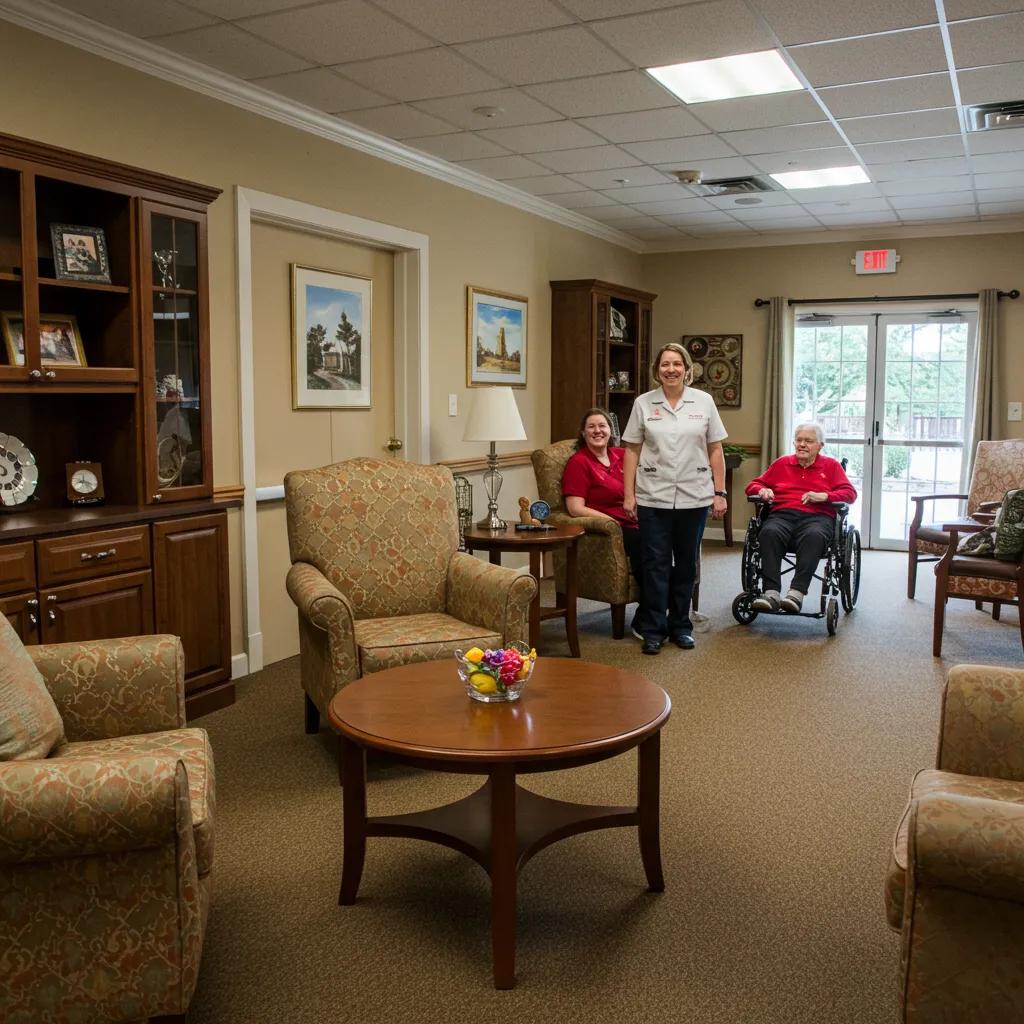
Discover How West Virginia Memory Care Facilities Stack Up
Comparing Quality of Care in West Virginia Memory Care Facilities: A Comprehensive Guide to Choosing the Best Dementia and Alzheimer’s Care
Memory care is a distinct level of long-term care designed specifically for people living with Alzheimer’s disease and other dementias, and this guide explains how West Virginia families can compare options and choose the best setting. You will learn how memory care differs from general senior care, the measurable indicators of quality, how dedicated memory care compares to memory units in assisted living and nursing homes, and which regulatory and financing factors affect decisions in WV. Many families face urgent decisions around safety, behavior management, and finances; this article provides practical comparison tools, checklists for tours, and state-specific context to reduce uncertainty and guide next steps. We cover clinical and operational indicators—staff training, individualized programming, therapeutic design—and provide structured comparison tables and checklists for use during visits. Finally, we explain how a free-standing, purpose-built memory care facility differs in daily practice and where families can request assessments or tours to confirm fit.
What Is Memory Care and Why Is Specialized Dementia Care Crucial in West Virginia?
Memory care is residential long-term care that focuses on the cognitive, behavioral, and safety needs of people with Alzheimer’s disease and other dementias. It combines trained staff, secure environments, and individualized programming to reduce risks such as wandering, medication errors, and unaddressed behavioral symptoms while promoting engagement and quality of life. Specialized dementia care matters in West Virginia because aging populations and rural access issues increase the importance of facilities that can safely manage complex needs close to home. Understanding the distinct purpose of memory care helps families compare options by outcome-focused measures rather than amenities, which is the next concept we will examine in more detail.
What Types of Dementia and Alzheimer’s Disease Are Commonly Treated in WV Memory Care?
Alzheimer’s disease is the most common cause of dementia and is characterized by progressive memory loss and cognitive decline that typically requires increasing care over time. Vascular dementia, often related to small strokes or vascular disease, produces cognitive changes that can overlap with Alzheimer’s but may present with stepwise decline and different behavior patterns. Lewy body dementia and frontotemporal dementia present with distinct movement, cognitive, or behavioral profiles; care strategies adjust routines, cues, and activities to those patterns. Recognizing the diagnosis informs individualized care planning, which we will describe next.
How Does Specialized Memory Care Differ from General Senior Care?
Specialized memory care differs from general assisted living or nursing home care through targeted staff training, environmental design, and consistent programming tailored to cognitive impairment. Staff in memory care are trained in dementia-specific communication, behavior protocols, and nonpharmacologic interventions that reduce agitation and support routines. Environments are adapted with secure wandering paths, memory cues, and simplified layouts to minimize disorientation and falls. These programmatic and design distinctions lead into why dedicated facilities often show different outcomes than mixed-care settings.
Why Is a Dedicated Memory Care Facility Important for Alzheimer’s and Dementia Patients?
A dedicated memory care facility concentrates staff expertise, policies, and physical design on dementia care, which supports continuity and reduces triggers that can worsen behaviors. Focused teams can implement consistent routines, personalized activity plans, and environmental adjustments to decrease emergency visits and reliance on restrictive interventions. Evidence from specialty care models indicates better engagement and fewer disruptive incidents when environments and staff are configured specifically for dementia. Understanding these benefits frames the quality indicators families should evaluate next.
What Are the Key Indicators of Quality Memory Care in West Virginia Facilities?
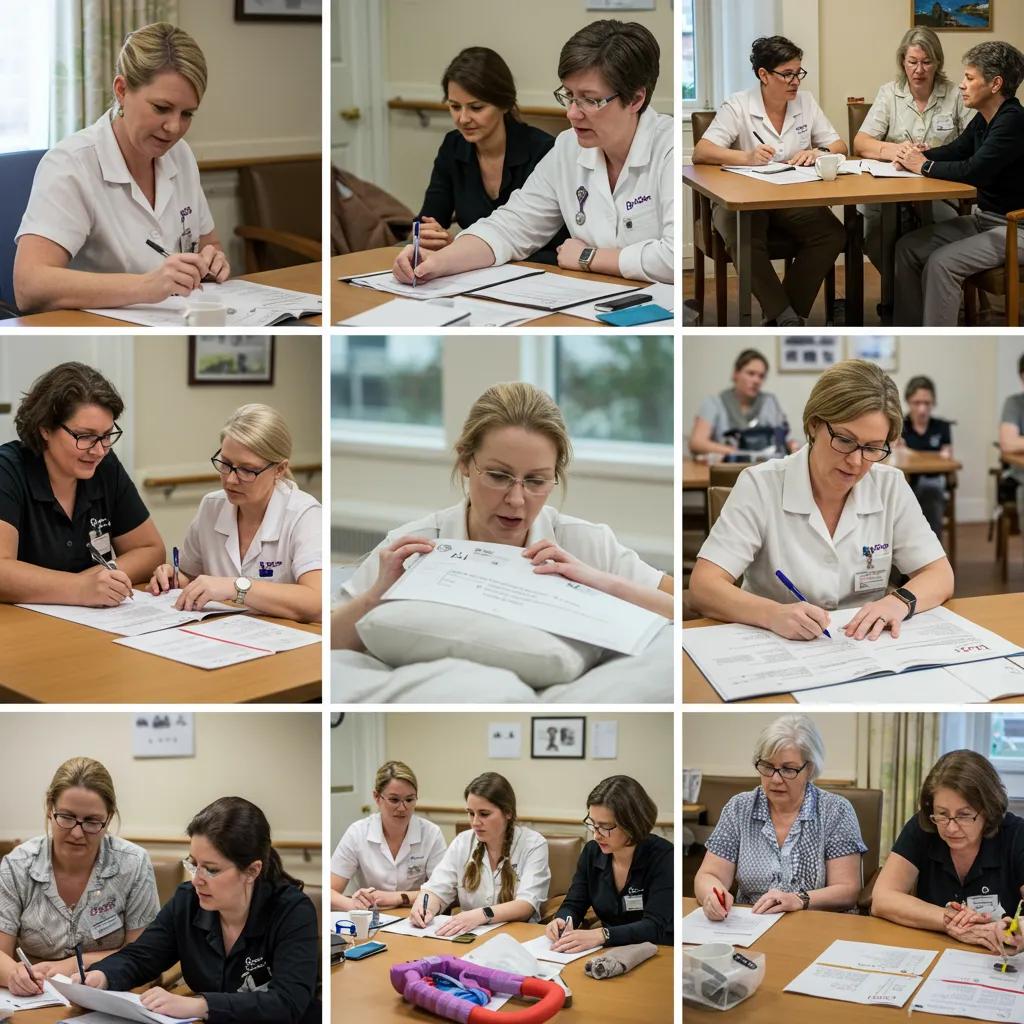
Quality memory care can be measured through a combination of staffing expertise, individualized programming, facility design, and clinical oversight; these indicators are observable during tours and verifiable through documentation. Families should prioritize trained staff, clear care plans, secure therapeutic spaces, and active engagement programs because together they reduce risk and improve daily functioning. The following table summarizes critical quality indicators, the attributes to check, and the practical value these features deliver for resident outcomes.
Staff Type or FeatureTypical Attribute to CheckImpact on Care QualityDirect Care Staff (AMAPs, Caregivers)Dementia-specific communication and behavior trainingImproves daily interaction, reduces agitationClinical Staff (LPNs, RNs)Regular medication review and nursing oversightReduces medication errors and manages medical issuesSocial/Activity Staff (Activity Director)Individualized activity plans and engagement trackingEnhances mood and functional abilityEnvironmental DesignSecure paths, clear sightlines, calming aestheticsLowers elopement risk and supports orientation
This table shows how concrete attributes translate into resident safety and quality of life; the next subsections explore these indicators in depth and how to verify them during visits.
How Does Staff Training and Expertise Impact Dementia Care Quality?
Staff training and expertise directly shape how effectively a facility manages behaviors, medications, and daily routines for people with dementia. Trained staff recognize early warning signs of medical or psychiatric issues, use de-escalation techniques, and apply person-centered communication that preserves dignity. Clinical oversight by RNs or nurse practitioners supports medication management and can reduce hospital transfers by addressing problems early. Evaluating staff credentials and asking for training records will help families assess whether staff expertise matches resident needs, which leads naturally to evaluating personalization of activities.
The West Virginia Legislature has established specific standards for facilities providing specialized Alzheimer's care to ensure a higher quality of care.
West Virginia Alzheimer's Special Care Standards Act: Ensuring Quality Dementia Care
The West Virginia Legislature in "The Alzheimer's Special Care Standards Act" (W. Va. Code § 16-5H-1 et seq.) has established standards for facilities that provide specialized Alzheimer's care. These standards address various aspects of care, including staff training, resident safety, and program development, aiming to ensure a higher quality of care for individuals with dementia.
What Role Does Personalized Care and Individualized Activities Play in Memory Care?
Personalized care plans that incorporate life history, preferences, and functional abilities are central to meaningful activity programs and behavioral management. Individualized activities—reminiscence work, music, pet therapy, and tailored sensory programs—promote engagement, reduce agitation, and preserve skills. Documentation of assessments and activity participation demonstrates program fidelity and provides measurable outcomes for families to review. Observing a program in action during a tour will give insight into how personalization is implemented day to day and how it supports safety and well-being.
How Do Secure and Therapeutic Facility Designs Enhance Resident Safety and Well-being?
Therapeutic design elements such as secure wandering paths, unobstructed staff sightlines, and calming color palettes reduce disorientation and fall risk while enabling safe autonomy. Secure outdoor spaces and clear interior wayfinding promote meaningful movement without exposing residents to elopement hazards. Design features paired with staff observation protocols create a predictable environment that minimizes anxiety and supports routine adherence. After reviewing design, families should consider how home-like scale supports the resident's emotional health.
Why Is a Home-Like Environment Essential for Quality Memory Care?
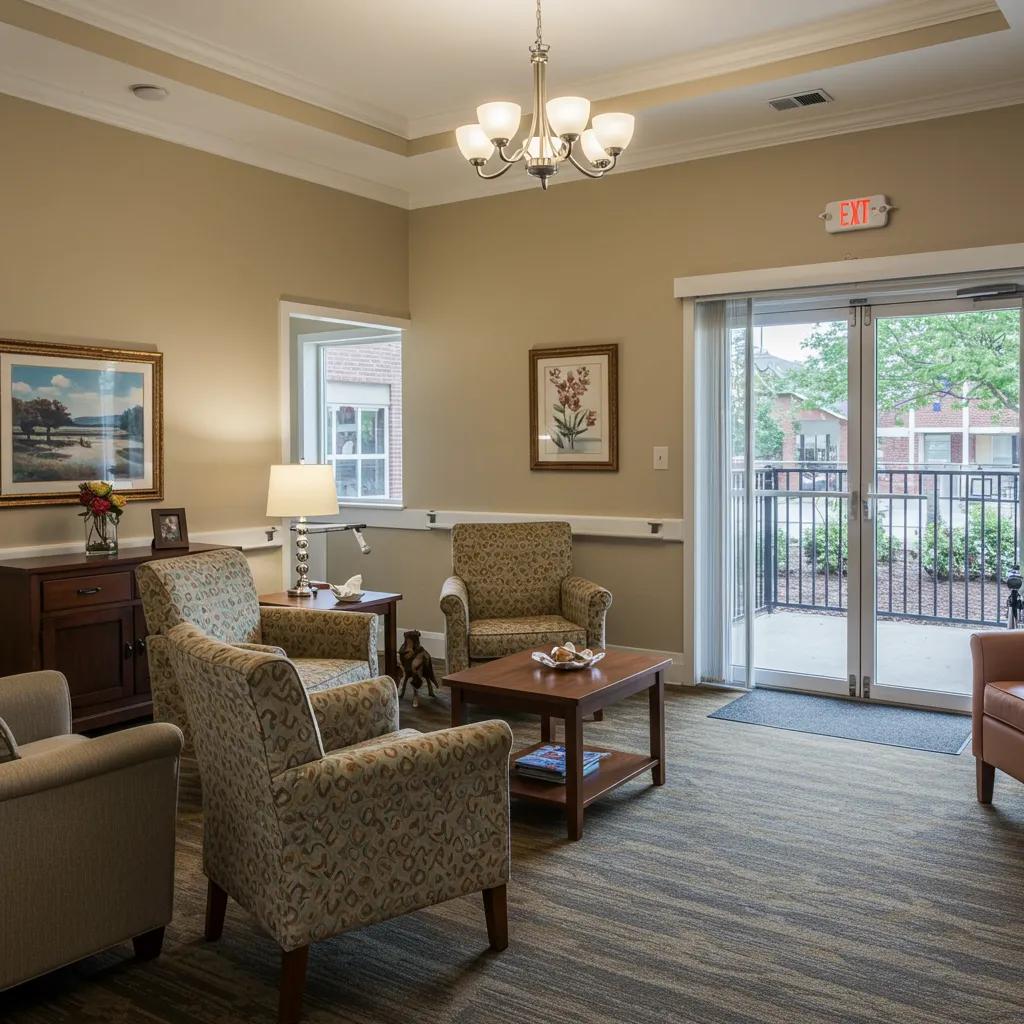
A smaller, home-like setting reduces institutional cues that can increase stress and confusion for people with dementia, promoting routine adherence and social connection. Home-like environments often enable consistent staff assignment, which strengthens familiar relationships and improves individualized care continuity. Emotional safety and familiarity support better nutrition, sleep, and engagement outcomes compared with large institutional settings. Noticing the scale and atmosphere during a visit helps families weigh the lived experience against clinical capabilities.
How Do West Virginia Memory Care Facilities Compare: Dedicated Memory Care vs. Assisted Living vs. Nursing Homes?
Comparing facility types requires looking beyond labels to services, staffing, safety features, and likely cost implications; each model has trade-offs that affect dementia care outcomes. Free-standing, dedicated memory care facilities focus all operations on dementia needs, assisted living memory units operate within a broader assisted living context, and nursing homes provide higher levels of skilled nursing but may be less specialized in daily memory-focused programming. The table below offers a side-by-side comparison of typical characteristics to help families prioritize what matters most for their loved one.
Facility TypeTypical ServicesTypical Staffing & TrainingTypical Safety FeaturesCost ConsiderationFree-standing memory care facilityADL assistance, individualized programming, medication adminStaff trained in dementia care; clinical oversight by RNsSecure wandering paths, home-like designOften focused pricing for memory servicesMemory care unit in assisted livingADL support within assisted living community, shared amenitiesVariable dementia training among staff; assisted living clinical supportSecured unit within larger buildingMay mix memory fees with assisted living chargesNursing home memory unitSkilled nursing, complex medical careHigher RN/LPN presence; medical-focused trainingMedical monitoring, secured unitsHigher cost when skilled care required
This structured comparison highlights where dedicated memory care concentrates expertise and design, while assisted living and nursing homes trade off scope and clinical intensity; next we examine the service and staffing differences in practice.
What Are the Differences in Services and Care Levels Among These Facility Types?
Dedicated memory care typically emphasizes behavioral support, individualized activities, and a secured, familiar environment designed for dementia needs. Assisted living memory units often provide similar ADL support but within a larger community that may dilute specialized programming. Nursing homes deliver higher levels of skilled nursing and medical management suitable for advanced or complex comorbid conditions but can vary in dementia-specific therapeutic programming. Families should match the resident's primary needs—behavioral management, social engagement, or complex medical care—to the appropriate setting, which leads naturally to examining staffing ratios and training.
West Virginia has a specific regulation for personal care hours that serves as a measurable indicator of care quality in residential settings.
West Virginia Personal Care Hours: A Quality Indicator for Residential Care
West Virginia requires 2.25 hours of personal care per resident per day in residential care settings. This state-specific regulation highlights a measurable indicator of care quality that families can use when comparing facilities.
How Do Staffing Ratios and Specialized Training Vary Across Facility Types?
Staff-to-resident ratios and the prevalence of dementia-specific training typically favor nursing homes for medical oversight and dedicated memory care for dementia-focused staffing patterns. Dedicated memory care programs often prioritize dementia communication skills and consistent staffing assignments, while assisted living may have less uniform training across personnel. Nursing homes provide higher clinical staffing but may rotate staff more frequently, affecting continuity. Understanding these staffing dynamics helps families predict day-to-day interaction quality and clinical responsiveness, and next we will outline practical benefits and limitations for decision-making.
What Are the Benefits and Limitations of Each Memory Care Option in WV?
Each option presents trade-offs: dedicated memory care commonly offers specialized programming and a focused environment but may have limited onsite skilled nursing, while nursing homes provide medical management at the expense of fewer dementia-specific activities. Assisted living units may be convenient for couples or for residents who need mixed support but may not match the intensity of dementia training in dedicated programs. Families should weigh primary goals—safety, engagement, medical complexity—against access and cost to find the best fit for their situation. This assessment naturally leads to a concrete example of a free-standing facility model in West Virginia.
How Does Braley Care Homes’ Free-Standing Memory Care Facility Stand Out?
Braley Care Homes Inc. is positioned as West Virginia’s only free-standing Alzheimer’s, Dementia, and memory care facility, operating a purpose-built, home-like 16-bed environment with secure and therapeutic design features. The facility emphasizes specialized staffing that includes licensed clinical oversight and trained caregivers, individualized activities such as pet therapy, and services like medication administration and transportation. These concrete attributes illustrate how a focused, small-scale model concentrates dementia expertise and design to support safety and daily engagement. Families seeking a site visit can request a free assessment or schedule a tour to observe staffing, programming, and environment firsthand.
What Is the Average Cost of Memory Care in West Virginia and What Financial Aid Options Are Available?
Costs for memory care vary by facility type, local market conditions, and the level of services needed; rather than relying on single figures, families should consider cost drivers such as staffing intensity, clinical services, and specialized programming. Major funding sources available to West Virginia families include state Medicaid programs and waivers that support home- and community-based services, VA benefits for eligible veterans and spouses, and private long-term care insurance where applicable. The table below presents a qualitative city-by-city cost characterization and common funding options families should explore when planning.
City / ProgramTypical Monthly Cost CharacterizationCommon Funding OptionsHurricane, WVModerate to variable depending on facility size and servicesMedicaid waivers, VA benefits, private payCharleston, WVModerate to higher due to urban demand and service mixMedicaid waivers, VA benefits, LTC insuranceHuntington, WVModerate with facility-dependent variationMedicaid programs, VA benefits, private payMorgantown, WVModerate to higher near medical centers and university areasMedicaid waivers, VA benefits, insurance options
How Do Memory Care Costs Vary by City: Hurricane, Charleston, Huntington, and Morgantown?
Local factors—facility type, staffing costs, and proximity to major health centers—drive variation across WV cities, with some urban areas typically showing higher pricing for comparable services. Rural and smaller communities may have fewer specialized options, which affects availability and sometimes increases travel or transportation costs for families. Families should request detailed fee schedules that separate room/board from specialized memory care fees and ask about bundled versus itemized service charges. Comparing written estimates across visits will clarify the true cost differences among cities.
What Medicaid, VA Benefits, and Long-Term Care Insurance Options Support WV Families?
West Virginia families may access Medicaid waiver programs that subsidize home- and community-based services and may also qualify for other state-level supports; eligible veterans and spouses can explore VA benefits that cover certain long-term care services. Long-term care insurance, when in place, may cover memory care costs according to policy terms and waiting periods. Application processes and eligibility vary, so families should consult state Medicaid offices, VA regional resources, and their insurance providers early in planning to coordinate available funding. Verifying these funding sources informs realistic budgeting and facility selection.
How Does Braley Care Homes’ Pricing Compare to Other WV Memory Care Facilities?
Braley Care Homes promotes pricing transparency and offers a free assessment to help families understand specific costs for an individual’s needs; because pricing depends on care level and services, direct assessment is the most accurate way to estimate monthly expenses. Encouraging families to obtain written estimates after clinical assessment helps compare apples to apples across facilities. Requesting a free assessment is a practical step to get a tailored price estimate and to evaluate fit in person.
What Should Families Consider When Planning for Memory Care Expenses?
When budgeting for memory care, families should itemize room and board, care fees tied to ADLs, medication management, therapy programs, transportation, and extras such as specialized activities or private care. Plan for periodic increases, possible need for higher-level nursing care, and potential costs for medical equipment or outpatient therapies. Maintain documentation of eligibility for Medicaid waivers, VA entitlements, and insurance claims to expedite funding. Preparing a written budget and consulting financial and legal advisors will reduce surprises and support long-term planning.
What Are West Virginia’s Regulations and Quality Standards for Memory Care Facilities?
West Virginia’s regulatory framework for memory care includes state licensing, inspection oversight, and dementia care standards designed to protect residents and ensure minimum staff training and safety protocols. The Alzheimer’s Special Care Standards Act establishes expectations for dementia-focused programs, and the West Virginia Bureau for Public Health oversees licensing and inspections that families can review. Understanding how regulations translate into observable practices—training records, emergency protocols, infection control, and medication management—helps families verify compliance during tours. The following subsections summarize regulatory elements and how families can confirm them.
What Is the Alzheimer’s Special Care Standards Act and How Does It Affect Care Quality?
The Alzheimer’s Special Care Standards Act sets out targeted expectations for dementia program structure, emphasizing specialized programming, staff training, and resident safety measures to improve outcomes. In practice, the Act encourages facilities to adopt dementia-specific policies, maintain appropriate staffing levels, and document individualized programming and behavioral supports. Families should ask administrators how the facility interprets and implements the Act’s standards and request evidence of programmatic practices. Confirming these practices links directly to the next area of required training and certification standards.
What Are the Required Staff Training and Certification Standards in WV Memory Care?
WV expectations generally require baseline caregiver training in resident safety, medication assistance, and emergency procedures, while dementia-specific training and advanced credentials such as social work licensure or nursing certifications are recommended for higher-quality programs. Best practices include ongoing dementia education, behavior management techniques, and CPR/First Aid certifications for direct care staff. Families should request training logs, recent in-service topics, and credentials for supervisory clinical staff to ensure the team can meet the resident’s needs. Verifying training prepares families to check licensing and oversight next.
How Does Licensing and Oversight by the WV Bureau for Public Health Ensure Safety?
The WV Bureau for Public Health conducts licensing and periodic inspections that evaluate compliance with safety, staffing, medication management, and recordkeeping standards; inspection reports are a primary source for verifying facility compliance. Families can ask facilities for their most recent inspection summaries and any corrective action plans that were required. Reviewing licensing status and inspection outcomes provides an objective check on what is practiced day to day and helps frame informed questions during a tour. After confirming regulatory compliance, families may want to know how a facility meets and exceeds these requirements.
How Does Braley Care Homes Meet and Exceed These Regulatory Requirements?
Braley Care Homes Inc. operates as a purpose-built, free-standing memory care facility with a staff model that includes licensed clinical oversight and dementia-focused caregivers, aligning with state regulatory expectations for training and safety. The facility emphasizes individualized activities, secure therapeutic design elements, and 24/7 professional staffing to deliver consistent dementia care. These explicit program elements demonstrate how Braley aligns operationally with WV standards while focusing daily practice on memory care needs. Families can request a free assessment or a facility tour to observe documentation and practices firsthand.
Why Choose Braley Care Homes for Specialized Memory Care in West Virginia?
Braley Care Homes positions itself as West Virginia’s only free-standing Alzheimer’s, Dementia, and memory care facility and offers a home-like, purpose-built 16-bed environment designed for resident safety and engagement. The facility’s stated services include 24/7 professional staff coverage, medication administration, individualized activities, pet therapy, nutritious meals, transportation, and a secure therapeutic environment. Owner and administrator Chris Braley holds LICSW credentials, indicating social work clinical leadership involved in program direction and care philosophy. Families evaluating fit should consider requesting the facility’s free assessment to obtain a personalized plan and pricing estimate.
How Does Owner Chris Braley’s Personal Experience Enhance Compassionate Care?
Chris Braley is identified as owner/administrator and holds LICSW credentials, which reflects a clinical social work background that can inform person-centered policies and a focus on psychosocial supports for residents and families. Leadership with clinical social work expertise often emphasizes individualized care planning, family counseling, and integrating therapeutic activities into daily routines. This orientation supports a compassionate model of care that prioritizes dignity and tailored behavioral strategies. Knowing the administrator’s clinical background helps families frame questions about care philosophy during a tour.
What Specialized Services and Therapeutic Activities Does Braley Care Homes Offer?
Braley Care Homes’ provided services include round-the-clock professional staff, medication administration, individualized activity programming, pet therapy, nutritious meals, and transportation. These services form a comprehensive memory care package designed to meet daily living needs while promoting engagement and safety. Individualized activities and pet therapy are highlighted as therapeutic supports that can reduce agitation and support social connection. Families should ask for activity schedules and examples of individualized plans during an assessment.
How Does the Facility’s Secure, Home-Like Environment Support Resident Well-being?
The facility is described as a purpose-built 16-bed, home-like environment with secure and therapeutic design features such as safe wandering paths and unobstructed staff sightlines that support resident safety and reduce disorientation. Small-scale residential settings foster consistent staffing assignments and familiar routines, which help maintain emotional stability and preserve function. Secure outdoor access and a calming aesthetic enable meaningful activity while reducing elopement risk. Observing the environment in person through a tour clarifies how these design elements operate in daily life.
What Do Families Say About Their Experience at Braley Care Homes?
Families seeking firsthand perspectives should consult publicly available reviews and ask the facility for references or opportunities to speak with current resident family members; this preserves accuracy and respects privacy. Reading independent reviews and discussing specific questions with the administrator can reveal consistent themes such as responsiveness, communication, and program activities. When reviews are ambiguous, request to observe a mealtime or activity session to form an independent impression. These actions support evidence-based decision-making and lead into practical steps for choosing a facility.
How Can Families Choose the Right Memory Care Facility in West Virginia? A Practical Checklist
Choosing the right memory care facility combines objective checks—staffing, safety, training—with subjective assessments like atmosphere and family communication; the checklist below structures a visit so families gather consistent information across sites. Use the checklist to compare facilities side by side and to prioritize questions that matter most for the resident’s daily well-being. After the checklist, we provide steps to schedule assessments and resources for support during the decision process.
Use this checklist during tours to standardize comparisons and capture observable evidence.
Ask to see staff training records and current staffing schedules to verify dementia-specific education and staff-to-resident coverage.
Observe resident-staff interactions during a visit to assess communication style, respect, and engagement levels.
Request a sample individualized care plan and activity schedule to confirm personalization and therapeutic programming.
Inspect safety features and ask about elopement protocols to ensure secure wandering paths and emergency procedures are in place.
This checklist produces concrete data to compare facilities and will guide the next steps for scheduling assessments and tours.
What Key Questions Should Families Ask When Evaluating Memory Care Options?
Families should ask about staff credentials, training frequency, clinical oversight, medication management protocols, emergency procedures, and how individualized programs are developed and measured. Request written policies on behavior management, fall prevention, and infection control, and ask how family communication is handled during changes in condition. Inquire about the process for escalating medical or psychiatric concerns and how the facility coordinates with outside providers. Gathering these answers prepares families to verify credentials and observe interactions during a tour.
How to Assess Staff Qualifications, Facility Safety, and Care Programs?
To assess qualifications, verify licenses for clinical staff, ask for recent in-service topics, and confirm background check policies for direct care employees. For safety, walk common areas and outdoor spaces, note sightlines and secured exits, and ask about daily supervision routines. Review activity programming for evidence of individualized engagement and request metrics such as participation tracking or behavior reduction strategies. Observational checks combined with documentation review will offer a balanced assessment of both practice and policy.
What Are the Steps to Schedule Assessments and Tours at WV Memory Care Facilities?
Begin by calling or emailing facilities to request a tour and a pre-admission assessment; prepare recent medical records, medication lists, and a summary of functional and behavioral needs to share in advance. During the pre-assessment, expect a review of medical history, medication needs, and daily living assistance requirements that inform a personalized care recommendation and pricing estimate. Follow up the tour with written questions and request a sample contract or service agreement for review with legal or financial advisors. For Braley Care Homes, families can request a free assessment to obtain a tailored recommendation and estimate.
How Can Families Access Support Resources During the Decision Process?
Families can consult the Alzheimer’s Association WV chapter, the West Virginia Bureau for Public Health, VA resources for veterans, and local aging services for counseling, care navigation, and financial guidance. Support organizations provide educational materials, caregiver support groups, and referrals to care planners who can assist with benefit applications and placement logistics. Engaging these resources early helps families coordinate funding, understand regulation, and access emotional support during the transition. Using these supports streamlines decision-making and ensures choices align with clinical and personal needs.
Research indicates that specialized care environments can significantly improve the quality of care for individuals with dementia.
Impact of Dementia Special Care Units on Quality of Care
The impact of dementia special care units on quality of care: An instrumental variables analysis. Importantly however, we regressed quality of care measures on a binary indicator for SCU, controlling for facility characteristics. The results suggest that specialized care environments can positively impact the quality of care provided to individuals with dementia.
Frequently Asked Questions
What should families look for during a facility tour?
During a facility tour, families should observe staff interactions with residents, noting the level of engagement and communication style. It's essential to ask about staff training and qualifications, particularly in dementia care. Families should also inspect safety features, such as secure wandering paths and emergency protocols. Additionally, reviewing a sample individualized care plan and activity schedule can provide insight into how personalized care is implemented. Taking notes during the visit will help in comparing different facilities later.
How can families verify the quality of care in memory care facilities?
Families can verify the quality of care by reviewing state inspection reports and licensing status, which provide insights into compliance with safety and staffing regulations. Asking for documentation of staff training and ongoing education in dementia care is crucial. Additionally, families should seek feedback from current residents' families and look for independent reviews online. Observing daily activities and interactions during a visit can also help gauge the facility's commitment to quality care and resident engagement.
What are the common challenges families face when choosing a memory care facility?
Families often face challenges such as navigating complex care needs, understanding costs, and comparing different facility types. Emotional stress can complicate decision-making, especially when urgent care is needed. Additionally, families may struggle with finding facilities that meet specific safety and engagement standards. Limited availability of specialized memory care options in rural areas can also pose a challenge. Seeking guidance from professionals or support groups can help families address these challenges effectively.
What role do family members play in the care of residents in memory care facilities?
Family members play a crucial role in the care of residents by providing emotional support and maintaining communication with staff about the resident's needs and preferences. They can participate in care planning and help ensure that individualized activities align with the resident's history and interests. Regular visits can enhance the resident's well-being and help staff understand any changes in behavior or health. Families should also advocate for their loved ones, ensuring that care standards are met consistently.
How can families prepare for the transition to a memory care facility?
Preparing for the transition involves several steps, including discussing the move with the resident to alleviate anxiety and ensure they feel involved in the process. Families should gather necessary medical records, medication lists, and information about the resident's preferences and routines. Planning visits to the facility before the move can help familiarize the resident with the new environment. Additionally, families should establish a communication plan with staff to stay informed about the resident's adjustment and care needs.
What are the benefits of specialized memory care compared to general senior care?
Specialized memory care offers tailored support for individuals with dementia, focusing on their unique cognitive and behavioral needs. This type of care includes trained staff who understand dementia-specific communication and behavior management techniques, which can significantly enhance the quality of interactions. The environment is designed to minimize confusion and promote safety, with features like secure wandering paths. Overall, specialized memory care aims to improve residents' quality of life through personalized activities and a supportive atmosphere, which general senior care may not provide.
What financial resources are available to help families pay for memory care?
Families can explore several financial resources to help cover memory care costs, including state Medicaid programs and waivers that support home- and community-based services. Veterans and their spouses may qualify for VA benefits that cover certain long-term care services. Additionally, long-term care insurance can provide financial assistance, depending on the policy terms. Families should consult with state Medicaid offices, VA resources, and insurance providers to understand eligibility and application processes, ensuring they maximize available funding options.

Discover How West Virginia Memory Care Facilities Stack Up
Comparing Quality of Care in West Virginia Memory Care Facilities: A Comprehensive Guide to Choosing the Best Dementia and Alzheimer’s Care
Memory care is a distinct level of long-term care designed specifically for people living with Alzheimer’s disease and other dementias, and this guide explains how West Virginia families can compare options and choose the best setting. You will learn how memory care differs from general senior care, the measurable indicators of quality, how dedicated memory care compares to memory units in assisted living and nursing homes, and which regulatory and financing factors affect decisions in WV. Many families face urgent decisions around safety, behavior management, and finances; this article provides practical comparison tools, checklists for tours, and state-specific context to reduce uncertainty and guide next steps. We cover clinical and operational indicators—staff training, individualized programming, therapeutic design—and provide structured comparison tables and checklists for use during visits. Finally, we explain how a free-standing, purpose-built memory care facility differs in daily practice and where families can request assessments or tours to confirm fit.
What Is Memory Care and Why Is Specialized Dementia Care Crucial in West Virginia?
Memory care is residential long-term care that focuses on the cognitive, behavioral, and safety needs of people with Alzheimer’s disease and other dementias. It combines trained staff, secure environments, and individualized programming to reduce risks such as wandering, medication errors, and unaddressed behavioral symptoms while promoting engagement and quality of life. Specialized dementia care matters in West Virginia because aging populations and rural access issues increase the importance of facilities that can safely manage complex needs close to home. Understanding the distinct purpose of memory care helps families compare options by outcome-focused measures rather than amenities, which is the next concept we will examine in more detail.
What Types of Dementia and Alzheimer’s Disease Are Commonly Treated in WV Memory Care?
Alzheimer’s disease is the most common cause of dementia and is characterized by progressive memory loss and cognitive decline that typically requires increasing care over time. Vascular dementia, often related to small strokes or vascular disease, produces cognitive changes that can overlap with Alzheimer’s but may present with stepwise decline and different behavior patterns. Lewy body dementia and frontotemporal dementia present with distinct movement, cognitive, or behavioral profiles; care strategies adjust routines, cues, and activities to those patterns. Recognizing the diagnosis informs individualized care planning, which we will describe next.
How Does Specialized Memory Care Differ from General Senior Care?
Specialized memory care differs from general assisted living or nursing home care through targeted staff training, environmental design, and consistent programming tailored to cognitive impairment. Staff in memory care are trained in dementia-specific communication, behavior protocols, and nonpharmacologic interventions that reduce agitation and support routines. Environments are adapted with secure wandering paths, memory cues, and simplified layouts to minimize disorientation and falls. These programmatic and design distinctions lead into why dedicated facilities often show different outcomes than mixed-care settings.
Why Is a Dedicated Memory Care Facility Important for Alzheimer’s and Dementia Patients?
A dedicated memory care facility concentrates staff expertise, policies, and physical design on dementia care, which supports continuity and reduces triggers that can worsen behaviors. Focused teams can implement consistent routines, personalized activity plans, and environmental adjustments to decrease emergency visits and reliance on restrictive interventions. Evidence from specialty care models indicates better engagement and fewer disruptive incidents when environments and staff are configured specifically for dementia. Understanding these benefits frames the quality indicators families should evaluate next.
What Are the Key Indicators of Quality Memory Care in West Virginia Facilities?
Quality memory care can be measured through a combination of staffing expertise, individualized programming, facility design, and clinical oversight; these indicators are observable during tours and verifiable through documentation. Families should prioritize trained staff, clear care plans, secure therapeutic spaces, and active engagement programs because together they reduce risk and improve daily functioning. The following table summarizes critical quality indicators, the attributes to check, and the practical value these features deliver for resident outcomes.
Staff Type or FeatureTypical Attribute to CheckImpact on Care QualityDirect Care Staff (AMAPs, Caregivers)Dementia-specific communication and behavior trainingImproves daily interaction, reduces agitationClinical Staff (LPNs, RNs)Regular medication review and nursing oversightReduces medication errors and manages medical issuesSocial/Activity Staff (Activity Director)Individualized activity plans and engagement trackingEnhances mood and functional abilityEnvironmental DesignSecure paths, clear sightlines, calming aestheticsLowers elopement risk and supports orientation
This table shows how concrete attributes translate into resident safety and quality of life; the next subsections explore these indicators in depth and how to verify them during visits.
How Does Staff Training and Expertise Impact Dementia Care Quality?
Staff training and expertise directly shape how effectively a facility manages behaviors, medications, and daily routines for people with dementia. Trained staff recognize early warning signs of medical or psychiatric issues, use de-escalation techniques, and apply person-centered communication that preserves dignity. Clinical oversight by RNs or nurse practitioners supports medication management and can reduce hospital transfers by addressing problems early. Evaluating staff credentials and asking for training records will help families assess whether staff expertise matches resident needs, which leads naturally to evaluating personalization of activities.
The West Virginia Legislature has established specific standards for facilities providing specialized Alzheimer's care to ensure a higher quality of care.
West Virginia Alzheimer's Special Care Standards Act: Ensuring Quality Dementia Care
The West Virginia Legislature in "The Alzheimer's Special Care Standards Act" (W. Va. Code § 16-5H-1 et seq.) has established standards for facilities that provide specialized Alzheimer's care. These standards address various aspects of care, including staff training, resident safety, and program development, aiming to ensure a higher quality of care for individuals with dementia.
What Role Does Personalized Care and Individualized Activities Play in Memory Care?
Personalized care plans that incorporate life history, preferences, and functional abilities are central to meaningful activity programs and behavioral management. Individualized activities—reminiscence work, music, pet therapy, and tailored sensory programs—promote engagement, reduce agitation, and preserve skills. Documentation of assessments and activity participation demonstrates program fidelity and provides measurable outcomes for families to review. Observing a program in action during a tour will give insight into how personalization is implemented day to day and how it supports safety and well-being.
How Do Secure and Therapeutic Facility Designs Enhance Resident Safety and Well-being?
Therapeutic design elements such as secure wandering paths, unobstructed staff sightlines, and calming color palettes reduce disorientation and fall risk while enabling safe autonomy. Secure outdoor spaces and clear interior wayfinding promote meaningful movement without exposing residents to elopement hazards. Design features paired with staff observation protocols create a predictable environment that minimizes anxiety and supports routine adherence. After reviewing design, families should consider how home-like scale supports the resident's emotional health.
Why Is a Home-Like Environment Essential for Quality Memory Care?
A smaller, home-like setting reduces institutional cues that can increase stress and confusion for people with dementia, promoting routine adherence and social connection. Home-like environments often enable consistent staff assignment, which strengthens familiar relationships and improves individualized care continuity. Emotional safety and familiarity support better nutrition, sleep, and engagement outcomes compared with large institutional settings. Noticing the scale and atmosphere during a visit helps families weigh the lived experience against clinical capabilities.
How Do West Virginia Memory Care Facilities Compare: Dedicated Memory Care vs. Assisted Living vs. Nursing Homes?
Comparing facility types requires looking beyond labels to services, staffing, safety features, and likely cost implications; each model has trade-offs that affect dementia care outcomes. Free-standing, dedicated memory care facilities focus all operations on dementia needs, assisted living memory units operate within a broader assisted living context, and nursing homes provide higher levels of skilled nursing but may be less specialized in daily memory-focused programming. The table below offers a side-by-side comparison of typical characteristics to help families prioritize what matters most for their loved one.
Facility TypeTypical ServicesTypical Staffing & TrainingTypical Safety FeaturesCost ConsiderationFree-standing memory care facilityADL assistance, individualized programming, medication adminStaff trained in dementia care; clinical oversight by RNsSecure wandering paths, home-like designOften focused pricing for memory servicesMemory care unit in assisted livingADL support within assisted living community, shared amenitiesVariable dementia training among staff; assisted living clinical supportSecured unit within larger buildingMay mix memory fees with assisted living chargesNursing home memory unitSkilled nursing, complex medical careHigher RN/LPN presence; medical-focused trainingMedical monitoring, secured unitsHigher cost when skilled care required
This structured comparison highlights where dedicated memory care concentrates expertise and design, while assisted living and nursing homes trade off scope and clinical intensity; next we examine the service and staffing differences in practice.
What Are the Differences in Services and Care Levels Among These Facility Types?
Dedicated memory care typically emphasizes behavioral support, individualized activities, and a secured, familiar environment designed for dementia needs. Assisted living memory units often provide similar ADL support but within a larger community that may dilute specialized programming. Nursing homes deliver higher levels of skilled nursing and medical management suitable for advanced or complex comorbid conditions but can vary in dementia-specific therapeutic programming. Families should match the resident's primary needs—behavioral management, social engagement, or complex medical care—to the appropriate setting, which leads naturally to examining staffing ratios and training.
West Virginia has a specific regulation for personal care hours that serves as a measurable indicator of care quality in residential settings.
West Virginia Personal Care Hours: A Quality Indicator for Residential Care
West Virginia requires 2.25 hours of personal care per resident per day in residential care settings. This state-specific regulation highlights a measurable indicator of care quality that families can use when comparing facilities.
How Do Staffing Ratios and Specialized Training Vary Across Facility Types?
Staff-to-resident ratios and the prevalence of dementia-specific training typically favor nursing homes for medical oversight and dedicated memory care for dementia-focused staffing patterns. Dedicated memory care programs often prioritize dementia communication skills and consistent staffing assignments, while assisted living may have less uniform training across personnel. Nursing homes provide higher clinical staffing but may rotate staff more frequently, affecting continuity. Understanding these staffing dynamics helps families predict day-to-day interaction quality and clinical responsiveness, and next we will outline practical benefits and limitations for decision-making.
What Are the Benefits and Limitations of Each Memory Care Option in WV?
Each option presents trade-offs: dedicated memory care commonly offers specialized programming and a focused environment but may have limited onsite skilled nursing, while nursing homes provide medical management at the expense of fewer dementia-specific activities. Assisted living units may be convenient for couples or for residents who need mixed support but may not match the intensity of dementia training in dedicated programs. Families should weigh primary goals—safety, engagement, medical complexity—against access and cost to find the best fit for their situation. This assessment naturally leads to a concrete example of a free-standing facility model in West Virginia.
How Does Braley Care Homes’ Free-Standing Memory Care Facility Stand Out?
Braley Care Homes Inc. is positioned as West Virginia’s only free-standing Alzheimer’s, Dementia, and memory care facility, operating a purpose-built, home-like 16-bed environment with secure and therapeutic design features. The facility emphasizes specialized staffing that includes licensed clinical oversight and trained caregivers, individualized activities such as pet therapy, and services like medication administration and transportation. These concrete attributes illustrate how a focused, small-scale model concentrates dementia expertise and design to support safety and daily engagement. Families seeking a site visit can request a free assessment or schedule a tour to observe staffing, programming, and environment firsthand.
What Is the Average Cost of Memory Care in West Virginia and What Financial Aid Options Are Available?
Costs for memory care vary by facility type, local market conditions, and the level of services needed; rather than relying on single figures, families should consider cost drivers such as staffing intensity, clinical services, and specialized programming. Major funding sources available to West Virginia families include state Medicaid programs and waivers that support home- and community-based services, VA benefits for eligible veterans and spouses, and private long-term care insurance where applicable. The table below presents a qualitative city-by-city cost characterization and common funding options families should explore when planning.
City / ProgramTypical Monthly Cost CharacterizationCommon Funding OptionsHurricane, WVModerate to variable depending on facility size and servicesMedicaid waivers, VA benefits, private payCharleston, WVModerate to higher due to urban demand and service mixMedicaid waivers, VA benefits, LTC insuranceHuntington, WVModerate with facility-dependent variationMedicaid programs, VA benefits, private payMorgantown, WVModerate to higher near medical centers and university areasMedicaid waivers, VA benefits, insurance options
How Do Memory Care Costs Vary by City: Hurricane, Charleston, Huntington, and Morgantown?
Local factors—facility type, staffing costs, and proximity to major health centers—drive variation across WV cities, with some urban areas typically showing higher pricing for comparable services. Rural and smaller communities may have fewer specialized options, which affects availability and sometimes increases travel or transportation costs for families. Families should request detailed fee schedules that separate room/board from specialized memory care fees and ask about bundled versus itemized service charges. Comparing written estimates across visits will clarify the true cost differences among cities.
What Medicaid, VA Benefits, and Long-Term Care Insurance Options Support WV Families?
West Virginia families may access Medicaid waiver programs that subsidize home- and community-based services and may also qualify for other state-level supports; eligible veterans and spouses can explore VA benefits that cover certain long-term care services. Long-term care insurance, when in place, may cover memory care costs according to policy terms and waiting periods. Application processes and eligibility vary, so families should consult state Medicaid offices, VA regional resources, and their insurance providers early in planning to coordinate available funding. Verifying these funding sources informs realistic budgeting and facility selection.
How Does Braley Care Homes’ Pricing Compare to Other WV Memory Care Facilities?
Braley Care Homes promotes pricing transparency and offers a free assessment to help families understand specific costs for an individual’s needs; because pricing depends on care level and services, direct assessment is the most accurate way to estimate monthly expenses. Encouraging families to obtain written estimates after clinical assessment helps compare apples to apples across facilities. Requesting a free assessment is a practical step to get a tailored price estimate and to evaluate fit in person.
What Should Families Consider When Planning for Memory Care Expenses?
When budgeting for memory care, families should itemize room and board, care fees tied to ADLs, medication management, therapy programs, transportation, and extras such as specialized activities or private care. Plan for periodic increases, possible need for higher-level nursing care, and potential costs for medical equipment or outpatient therapies. Maintain documentation of eligibility for Medicaid waivers, VA entitlements, and insurance claims to expedite funding. Preparing a written budget and consulting financial and legal advisors will reduce surprises and support long-term planning.
What Are West Virginia’s Regulations and Quality Standards for Memory Care Facilities?
West Virginia’s regulatory framework for memory care includes state licensing, inspection oversight, and dementia care standards designed to protect residents and ensure minimum staff training and safety protocols. The Alzheimer’s Special Care Standards Act establishes expectations for dementia-focused programs, and the West Virginia Bureau for Public Health oversees licensing and inspections that families can review. Understanding how regulations translate into observable practices—training records, emergency protocols, infection control, and medication management—helps families verify compliance during tours. The following subsections summarize regulatory elements and how families can confirm them.
What Is the Alzheimer’s Special Care Standards Act and How Does It Affect Care Quality?
The Alzheimer’s Special Care Standards Act sets out targeted expectations for dementia program structure, emphasizing specialized programming, staff training, and resident safety measures to improve outcomes. In practice, the Act encourages facilities to adopt dementia-specific policies, maintain appropriate staffing levels, and document individualized programming and behavioral supports. Families should ask administrators how the facility interprets and implements the Act’s standards and request evidence of programmatic practices. Confirming these practices links directly to the next area of required training and certification standards.
What Are the Required Staff Training and Certification Standards in WV Memory Care?
WV expectations generally require baseline caregiver training in resident safety, medication assistance, and emergency procedures, while dementia-specific training and advanced credentials such as social work licensure or nursing certifications are recommended for higher-quality programs. Best practices include ongoing dementia education, behavior management techniques, and CPR/First Aid certifications for direct care staff. Families should request training logs, recent in-service topics, and credentials for supervisory clinical staff to ensure the team can meet the resident’s needs. Verifying training prepares families to check licensing and oversight next.
How Does Licensing and Oversight by the WV Bureau for Public Health Ensure Safety?
The WV Bureau for Public Health conducts licensing and periodic inspections that evaluate compliance with safety, staffing, medication management, and recordkeeping standards; inspection reports are a primary source for verifying facility compliance. Families can ask facilities for their most recent inspection summaries and any corrective action plans that were required. Reviewing licensing status and inspection outcomes provides an objective check on what is practiced day to day and helps frame informed questions during a tour. After confirming regulatory compliance, families may want to know how a facility meets and exceeds these requirements.
How Does Braley Care Homes Meet and Exceed These Regulatory Requirements?
Braley Care Homes Inc. operates as a purpose-built, free-standing memory care facility with a staff model that includes licensed clinical oversight and dementia-focused caregivers, aligning with state regulatory expectations for training and safety. The facility emphasizes individualized activities, secure therapeutic design elements, and 24/7 professional staffing to deliver consistent dementia care. These explicit program elements demonstrate how Braley aligns operationally with WV standards while focusing daily practice on memory care needs. Families can request a free assessment or a facility tour to observe documentation and practices firsthand.
Why Choose Braley Care Homes for Specialized Memory Care in West Virginia?
Braley Care Homes positions itself as West Virginia’s only free-standing Alzheimer’s, Dementia, and memory care facility and offers a home-like, purpose-built 16-bed environment designed for resident safety and engagement. The facility’s stated services include 24/7 professional staff coverage, medication administration, individualized activities, pet therapy, nutritious meals, transportation, and a secure therapeutic environment. Owner and administrator Chris Braley holds LICSW credentials, indicating social work clinical leadership involved in program direction and care philosophy. Families evaluating fit should consider requesting the facility’s free assessment to obtain a personalized plan and pricing estimate.
How Does Owner Chris Braley’s Personal Experience Enhance Compassionate Care?
Chris Braley is identified as owner/administrator and holds LICSW credentials, which reflects a clinical social work background that can inform person-centered policies and a focus on psychosocial supports for residents and families. Leadership with clinical social work expertise often emphasizes individualized care planning, family counseling, and integrating therapeutic activities into daily routines. This orientation supports a compassionate model of care that prioritizes dignity and tailored behavioral strategies. Knowing the administrator’s clinical background helps families frame questions about care philosophy during a tour.
What Specialized Services and Therapeutic Activities Does Braley Care Homes Offer?
Braley Care Homes’ provided services include round-the-clock professional staff, medication administration, individualized activity programming, pet therapy, nutritious meals, and transportation. These services form a comprehensive memory care package designed to meet daily living needs while promoting engagement and safety. Individualized activities and pet therapy are highlighted as therapeutic supports that can reduce agitation and support social connection. Families should ask for activity schedules and examples of individualized plans during an assessment.
How Does the Facility’s Secure, Home-Like Environment Support Resident Well-being?
The facility is described as a purpose-built 16-bed, home-like environment with secure and therapeutic design features such as safe wandering paths and unobstructed staff sightlines that support resident safety and reduce disorientation. Small-scale residential settings foster consistent staffing assignments and familiar routines, which help maintain emotional stability and preserve function. Secure outdoor access and a calming aesthetic enable meaningful activity while reducing elopement risk. Observing the environment in person through a tour clarifies how these design elements operate in daily life.
What Do Families Say About Their Experience at Braley Care Homes?
Families seeking firsthand perspectives should consult publicly available reviews and ask the facility for references or opportunities to speak with current resident family members; this preserves accuracy and respects privacy. Reading independent reviews and discussing specific questions with the administrator can reveal consistent themes such as responsiveness, communication, and program activities. When reviews are ambiguous, request to observe a mealtime or activity session to form an independent impression. These actions support evidence-based decision-making and lead into practical steps for choosing a facility.
How Can Families Choose the Right Memory Care Facility in West Virginia? A Practical Checklist
Choosing the right memory care facility combines objective checks—staffing, safety, training—with subjective assessments like atmosphere and family communication; the checklist below structures a visit so families gather consistent information across sites. Use the checklist to compare facilities side by side and to prioritize questions that matter most for the resident’s daily well-being. After the checklist, we provide steps to schedule assessments and resources for support during the decision process.
Use this checklist during tours to standardize comparisons and capture observable evidence.
Ask to see staff training records and current staffing schedules to verify dementia-specific education and staff-to-resident coverage.
Observe resident-staff interactions during a visit to assess communication style, respect, and engagement levels.
Request a sample individualized care plan and activity schedule to confirm personalization and therapeutic programming.
Inspect safety features and ask about elopement protocols to ensure secure wandering paths and emergency procedures are in place.
This checklist produces concrete data to compare facilities and will guide the next steps for scheduling assessments and tours.
What Key Questions Should Families Ask When Evaluating Memory Care Options?
Families should ask about staff credentials, training frequency, clinical oversight, medication management protocols, emergency procedures, and how individualized programs are developed and measured. Request written policies on behavior management, fall prevention, and infection control, and ask how family communication is handled during changes in condition. Inquire about the process for escalating medical or psychiatric concerns and how the facility coordinates with outside providers. Gathering these answers prepares families to verify credentials and observe interactions during a tour.
How to Assess Staff Qualifications, Facility Safety, and Care Programs?
To assess qualifications, verify licenses for clinical staff, ask for recent in-service topics, and confirm background check policies for direct care employees. For safety, walk common areas and outdoor spaces, note sightlines and secured exits, and ask about daily supervision routines. Review activity programming for evidence of individualized engagement and request metrics such as participation tracking or behavior reduction strategies. Observational checks combined with documentation review will offer a balanced assessment of both practice and policy.
What Are the Steps to Schedule Assessments and Tours at WV Memory Care Facilities?
Begin by calling or emailing facilities to request a tour and a pre-admission assessment; prepare recent medical records, medication lists, and a summary of functional and behavioral needs to share in advance. During the pre-assessment, expect a review of medical history, medication needs, and daily living assistance requirements that inform a personalized care recommendation and pricing estimate. Follow up the tour with written questions and request a sample contract or service agreement for review with legal or financial advisors. For Braley Care Homes, families can request a free assessment to obtain a tailored recommendation and estimate.
How Can Families Access Support Resources During the Decision Process?
Families can consult the Alzheimer’s Association WV chapter, the West Virginia Bureau for Public Health, VA resources for veterans, and local aging services for counseling, care navigation, and financial guidance. Support organizations provide educational materials, caregiver support groups, and referrals to care planners who can assist with benefit applications and placement logistics. Engaging these resources early helps families coordinate funding, understand regulation, and access emotional support during the transition. Using these supports streamlines decision-making and ensures choices align with clinical and personal needs.
Research indicates that specialized care environments can significantly improve the quality of care for individuals with dementia.
Impact of Dementia Special Care Units on Quality of Care
The impact of dementia special care units on quality of care: An instrumental variables analysis. Importantly however, we regressed quality of care measures on a binary indicator for SCU, controlling for facility characteristics. The results suggest that specialized care environments can positively impact the quality of care provided to individuals with dementia.
Frequently Asked Questions
What should families look for during a facility tour?
During a facility tour, families should observe staff interactions with residents, noting the level of engagement and communication style. It's essential to ask about staff training and qualifications, particularly in dementia care. Families should also inspect safety features, such as secure wandering paths and emergency protocols. Additionally, reviewing a sample individualized care plan and activity schedule can provide insight into how personalized care is implemented. Taking notes during the visit will help in comparing different facilities later.
How can families verify the quality of care in memory care facilities?
Families can verify the quality of care by reviewing state inspection reports and licensing status, which provide insights into compliance with safety and staffing regulations. Asking for documentation of staff training and ongoing education in dementia care is crucial. Additionally, families should seek feedback from current residents' families and look for independent reviews online. Observing daily activities and interactions during a visit can also help gauge the facility's commitment to quality care and resident engagement.
What are the common challenges families face when choosing a memory care facility?
Families often face challenges such as navigating complex care needs, understanding costs, and comparing different facility types. Emotional stress can complicate decision-making, especially when urgent care is needed. Additionally, families may struggle with finding facilities that meet specific safety and engagement standards. Limited availability of specialized memory care options in rural areas can also pose a challenge. Seeking guidance from professionals or support groups can help families address these challenges effectively.
What role do family members play in the care of residents in memory care facilities?
Family members play a crucial role in the care of residents by providing emotional support and maintaining communication with staff about the resident's needs and preferences. They can participate in care planning and help ensure that individualized activities align with the resident's history and interests. Regular visits can enhance the resident's well-being and help staff understand any changes in behavior or health. Families should also advocate for their loved ones, ensuring that care standards are met consistently.
How can families prepare for the transition to a memory care facility?
Preparing for the transition involves several steps, including discussing the move with the resident to alleviate anxiety and ensure they feel involved in the process. Families should gather necessary medical records, medication lists, and information about the resident's preferences and routines. Planning visits to the facility before the move can help familiarize the resident with the new environment. Additionally, families should establish a communication plan with staff to stay informed about the resident's adjustment and care needs.
What are the benefits of specialized memory care compared to general senior care?
Specialized memory care offers tailored support for individuals with dementia, focusing on their unique cognitive and behavioral needs. This type of care includes trained staff who understand dementia-specific communication and behavior management techniques, which can significantly enhance the quality of interactions. The environment is designed to minimize confusion and promote safety, with features like secure wandering paths. Overall, specialized memory care aims to improve residents' quality of life through personalized activities and a supportive atmosphere, which general senior care may not provide.
What financial resources are available to help families pay for memory care?
Families can explore several financial resources to help cover memory care costs, including state Medicaid programs and waivers that support home- and community-based services. Veterans and their spouses may qualify for VA benefits that cover certain long-term care services. Additionally, long-term care insurance can provide financial assistance, depending on the policy terms. Families should consult with state Medicaid offices, VA resources, and insurance providers to understand eligibility and application processes, ensuring they maximize available funding options.
Latest Events
Follow Us On Facebook

Contact Us to Schedule a Tour!
We offer tours of our memory care facility so that you can see first-hand what we have to offer.
If you would like to schedule a tour or ask any questions, please don't hesitate to contact us.
We look forward to helping you on your senior care journey.
Contact Us to
Schedule a Tour!
We offer tours of our memory care facilities so that you can see first-hand what we have to offer.
If you would like to schedule a tour or ask any questions, please don't hesitate to contact us.
We look forward to helping you on your senior care journey.
KEEP IN TOUCH.


CONTACT US
Location:
Braley Care Homes
6192 US-60
Hurricane, WV 25526
Phone Numbers:
Referrals and Inquiries: (304) 767-4033
Facility Phone: (304) 201-3677
Facility Fax: (304) 201-3678
AREAS WE SERVE
BUSINESS HOURS
Monday
9:00am – 6:30pm
Tuesday
9:00am – 6:30pm
Wednesday
9:00am – 6:30pm
Thursday
9:00am – 6:30pm
Friday
9:00am – 6:30pm
Our clinic largest private mental health partnership, with a carefully selected nationwide team of Psychiatrists.
KEEP IN TOUCH.
CONTACT US
Location:
Braley Care Homes
6192 US 60
Hurricane, WV 25526
Phone Numbers:
Referrals and Inquiries: (304) 767-4033
Facility Phone: (304) 201-3677
Facility Fax: (304) 201-3678
AREAS WE SERVE
BUSINESS HOURS
Monday
9:00am – 6:30pm
Tuesday
9:00am – 6:30pm
Wednesday
9:00am – 6:30pm
Thursday
9:00am – 6:30pm
Friday
9:00am – 6:30pm