Visit us: Mon - Fri: 9:00 - 18:30
Braley Care Homes 6192 US 60 Hurricane, WV 25526
Experience Life at
Braley Care Homes
At Braley Care Homes, every day is filled with meaningful moments, engaging activities, and compassionate care. Our video collection offers a glimpse into the vibrant community we've built—where residents enjoy holiday celebrations, participate in enriching activities, and share their unique stories. Explore these videos to see how we create a warm, welcoming environment where seniors feel at home, supported, and celebrated.
Experience Life at
Braley Care Homes
At Braley Care Homes, every day is filled with meaningful moments, engaging activities, and compassionate care. Our video collection offers a glimpse into the vibrant community we've built—where residents enjoy holiday celebrations, participate in enriching activities, and share their unique stories. Explore these videos to see how we create a warm, welcoming environment where seniors feel at home, supported, and celebrated.
This Month’s Featured Insight
A Closer Look at Life at Braley Care Homes
🎉 Holiday Highlights & Festive Fun
🧠 Memory Care Moments & Tips
🎨 Everyday Adventures & Engaging Activities
💬 Heartfelt Stories & Resident Smiles
💡 Caregiver Corner: Wisdom & Wellness
Testimonials

I have only great memories of the great care my husband received. Never heard an unkind word to anyone there. This care home facility is wonderful. Thank you, Mr. Braley, for all you do and your staff. God's blessing continue to be with you all.
Brenda B. L.
I’ve worked there and I’ve seen how the residents are treated. Staff love their jobs and you can tell. Owner is great with residents too. They do a wide variety of activities and even a pet dog.
Samantha G.
I have only great memories of the great care my husband received. Never heard an unkind word to anyone there. This care home facility is wonderful. Thank you, Mr. Braley, for all you do and your staff. God's blessing continue to be with you all.
Brenda B. L.
I’ve worked there and I’ve seen how the residents are treated. Staff love their jobs and you can tell. Owner is great with residents too. They do a wide variety of activities and even a pet dog.
Samantha G.
Absolutely the best care home in the valley for your loved one with dementia.
Leah S. K.
Residents and workers are great. What you see is what you get. Thanks, BCH!
Nola H.
Absolutely the best care home in the valley for your loved one with dementia.
Leah S. K.
Residents and workers are great. What you see is what you get. Thanks, BCH!
Nola H.
Braley Care Homes
Caring Is Our Business
Read The Latest From Braley Care Homes
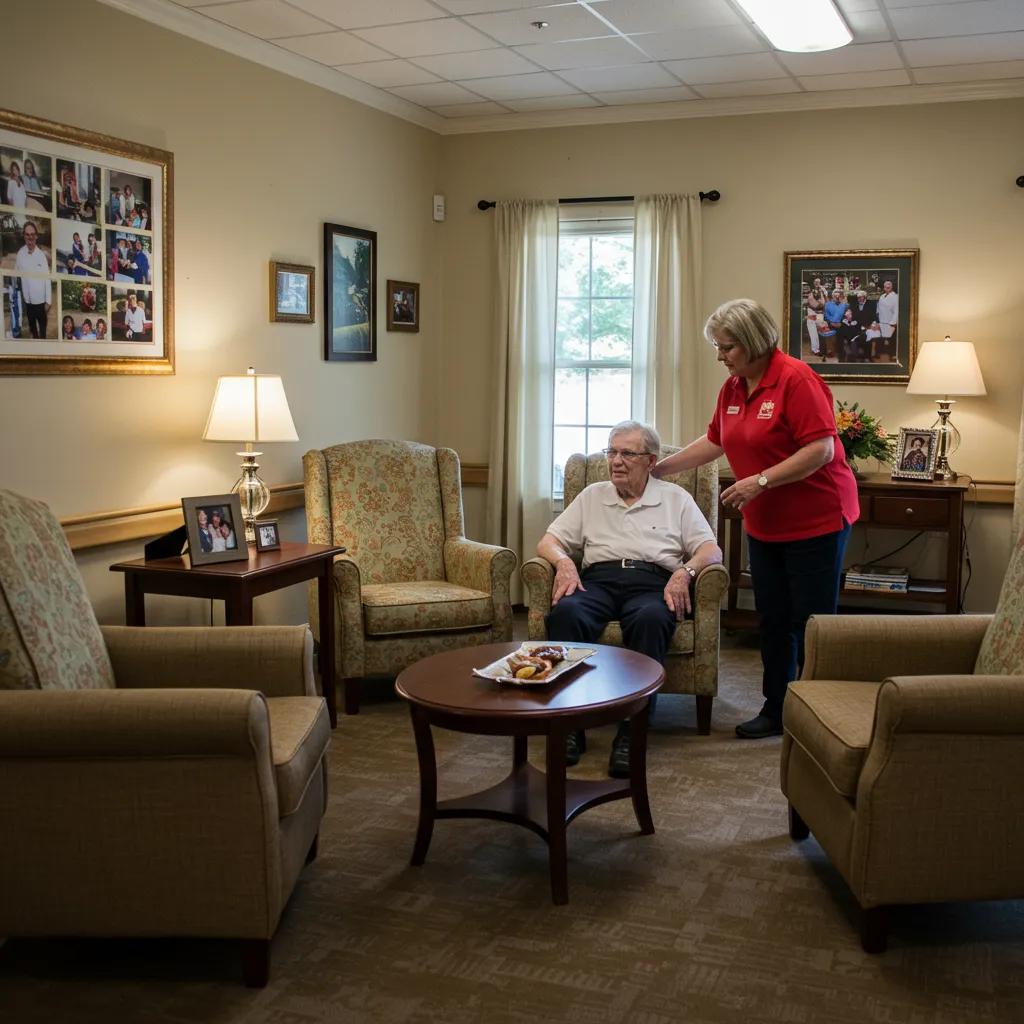
Discover Top Specialized Memory Care for Dementia in WV
Specialized Memory Care for Dementia in West Virginia: Comprehensive Guide for Families Seeking Expert Support
Specialized memory care provides secure, medically informed residential support for people with Alzheimer’s disease and other forms of dementia, designed to preserve dignity, reduce agitation, and support daily living for residents across West Virginia. This guide explains what specialized memory care is, how it differs from assisted living and nursing homes, and which services and safety features families should prioritize when evaluating options in the state. Families will learn how dementia stages map to care needs, how assessments and behavior profiles inform individualized plans, common cost ranges and financial assistance pathways in West Virginia, and practical caregiver resources to reduce stress and improve outcomes. The article also highlights local context and a nearby example provider — Braley Care Homes Inc. in Hurricane, WV — to illustrate how purpose-built, home-like memory care operates on the ground. Read on for clear definitions, stage-based guidance, comparison points, EAV tables for quick reference, and step-by-step actions families can take when planning a move to specialized memory care.
What Is Specialized Memory Care and How Does It Support Dementia Patients in West Virginia?
Specialized memory care is a form of residential long-term care designed specifically for people with cognitive impairment, offering structured routines, trained staff, and secure environments to minimize risks and support daily functioning. It combines assistance with activities of daily living (ADLs), medication administration, behavioral approaches, and individualized activities that align with cognitive strengths to reduce agitation and preserve quality of life. For families in West Virginia, specialized memory care emphasizes predictable routines and environmental cues that help residents remain oriented and engaged while lowering the incidence of unsafe wandering or medication errors. The next sections unpack the defining features, contrasts with other senior-care options, the dementia types commonly supported, and the psychological importance of a home-like setting.
What Are the Key Features of Specialized Dementia Care in West Virginia?

Specialized dementia care centers in West Virginia typically include staff trained in dementia-specific communication and behavior management, secure design elements that prevent elopement, and programming tailored to cognitive levels. Facilities emphasize medication management protocols, individualized activity plans, small household models, and safe outdoor spaces designed as secure courtyards that encourage gentle exercise. These features reduce emergency hospitalizations and improve daily engagement by aligning care with each resident’s retained abilities and life history. Understanding these elements helps families evaluate providers effectively and prioritize features that directly impact safety and wellbeing.
Specialized staff training focuses on dementia communication and de-escalation techniques.
Physical design includes secured access points and single-level layouts that reduce confusion.
Activity programming centers on meaningful, individualized engagement such as music and pet interaction.
These facility features collectively support calmer routines and lower behavioral distress, which leads naturally into comparing memory care with assisted living and nursing home models.
How Does Memory Care Differ from Assisted Living and Nursing Homes in WV?
Memory care differs from assisted living and nursing homes primarily in staff specialization, environmental design, and program focus — all tuned to cognitive impairment rather than general aging or medical complexity. Memory care employs staff trained specifically in dementia care and behavioral strategies, uses smaller, home-like household models for predictable routines, and secures the environment to reduce wandering risk. Assisted living emphasizes independence with supportive services and typically lacks the same level of specialized behavioral programming; nursing homes prioritize medical and skilled nursing services for higher-acuity residents. Families assessing options should weigh cognitive-focused programming and staff expertise against medical needs and the level of supervision required.
Memory Care Units: Specialized Dementia Care in Assisted Living
In addition, many ALCs have dedicated memory care units (MCUs) that specialize in caring for residents with Alzheimer's disease and related dementias. These units are designed to provide a safe and secure environment for residents who may wander or exhibit other behaviors associated with dementia.
Staffing patterns in nursing homes, assisted living communities, and memory care units: variation across shifts, JR Bowblis, 2024
Staffing: Memory care staff receive dementia-specific training and behavior management skills.
Environment: Memory care prioritizes secure, home-like settings with clear cues and reduced confusion.
Programming: Memory care centers on cognitive stimulation and routine, whereas nursing homes emphasize medical care.
Recognizing these differences helps families choose the level of support that best matches a loved one’s cognitive profile and daily needs.
Which Types of Dementia Are Supported by Specialized Memory Care?
Specialized memory care supports a range of dementia diagnoses, including Alzheimer’s disease, vascular dementia, Lewy body dementia, and frontotemporal dementia, with care approaches tailored to each condition’s typical symptoms. For example, Alzheimer’s-focused programming emphasizes memory cues and structured routines; vascular dementia care often integrates cardiovascular risk management and mobility support; Lewy body dementia requires sensitivity to fluctuation and visual hallucinations; frontotemporal dementia may demand behavior-focused interventions for disinhibition. Medical oversight remains crucial when neurological or vascular complications arise, and facilities often coordinate with primary care or house physicians for diagnostic clarity. Mapping diagnosis to tailored interventions helps families anticipate the day-to-day supports that will be most effective.
Alzheimer’s: memory cueing, predictable routine, reminiscence activities.
Vascular: cardiovascular monitoring, mobility support, routine ADL assistance.
Lewy body: attention to fluctuating cognition, visual supports, careful medication management.
This diagnostic tailoring sets the stage for why a home-like environment matters for behavioral stabilization.
Why Is a Home-Like Environment Important for Dementia Care?
A home-like environment reduces stress and disorientation by providing familiar cues, consistent routines, and opportunities for personalization that anchor identity and comfort for people with dementia. Research and best-practice trends show that smaller household models and personal belongings decrease agitation and promote engagement in daily life tasks, which in turn supports better eating, sleeping, and social interaction patterns. Designing spaces with clear sightlines, accessible personal items, and calm color palettes supports orientation and reduces cognitive load. These psychological and behavioral benefits make environmental design a core part of specialized memory care planning and directly influence choices families make when touring facilities.
What Alzheimer’s Care Services Are Available at Specialized Facilities in West Virginia?
Specialized facilities in West Virginia deliver a blend of clinical oversight and activity-based therapies that address both the cognitive and behavioral symptoms of Alzheimer’s disease. Core services include medication administration under nursing protocols, individualized activity plans that use music, art, and pet therapy to reduce anxiety, daily structured exercise to maintain function, and coordinated care planning that involves families in decision-making. Together, these services aim to maintain function, manage behavioral symptoms, and preserve quality of life through consistent routines and meaningful engagement. The next subsections discuss individualized therapies, local staffing models, and the advantages of purpose-built Alzheimer’s care environments.
How Are Alzheimer’s Patients Supported Through Individualized Activities and Therapy?
Alzheimer’s patients benefit from individualized activities that match cognitive strengths, life history, and sensory preferences; common approaches include music therapy, pet therapy, simple crafts, and guided exercise. Therapies are scheduled into daily routines to reduce idle time and prevent agitation, and staff track engagement to refine activity plans based on responses. Individualization lowers anxiety by connecting residents to familiar tasks and sensory cues, which improves mood and social interaction. Measuring engagement and adjusting activities over time ensures that programming remains relevant and effective for each resident.
Music therapy restores emotional connection and prompts memory recall.
Pet therapy reduces loneliness and encourages gentle movement.
Tailored exercise maintains mobility and supports sleep-wake regulation.
These activity-based supports link directly to staffing and leadership models that guide clinical and day-to-day care.
Who Provides Alzheimer’s Care at Braley Care Homes?
Braley Care Homes Inc. operates as a dedicated, free-standing Alzheimer’s and dementia care facility in West Virginia with leadership and staff focused on memory care expertise. Leadership includes Chris Braley (Owner/Administrator, LICSW) and a multidisciplinary team referenced in local reports, including nursing leadership and clinical providers, which supports integrated clinical oversight and psychosocial programming. Named staff roles cited in facility descriptions include an RN Director of Nursing, nurse practitioner involvement, activities directors, and caregiver supervisors who collaborate on individualized care plans and behavior management. This staffing model supports consistent communication with families and clinical coordination to address changing needs.
The presence of LICSW leadership underscores a social-work-informed approach to resident-centered care and family involvement, which transitions into the benefits offered by purpose-built facilities.
What Are the Benefits of Purpose-Built Alzheimer’s Care Facilities in WV?
Purpose-built Alzheimer’s care facilities deliver measurable advantages through intentional design, consistent staffing ratios, and programming aligned with cognitive needs, leading to improved safety and reduced behavioral crises. Features such as secure outdoor courtyards, single-level layouts, and household-style dining reduce confusion and promote independence in familiar routines. Program alignment — including individualized activities and consistent team assignment — lowers staff turnover in caregiving roles and improves continuity for residents. Families often report better communication and clearer care plans when a facility’s mission centers on dementia care rather than relying on generalized senior-care models.
How Can Families Assess Dementia Stages and Care Needs in West Virginia?
Assessing dementia stages involves observing functional abilities and cognitive symptoms and using standardized assessments to create a care profile that guides placement decisions. Families should document changes in memory, judgment, ADL performance, and behavior, then seek professional assessments that result in a behavior profile and care plan. Assessments inform whether in-home supports, adult day programs, or specialized memory care are appropriate and identify safety risks such as wandering or medication mismanagement. The following subsections provide stage descriptions, explain how facility assessments are conducted, and list triggers for considering transition to memory care.
What Are the Common Stages of Dementia and Their Symptoms?
Dementia StageCommon SymptomsCare Needs / Typical InterventionsMildMemory lapses, mild confusion, difficulty with complex tasksHome modifications, caregiver support, structured routinesModerateIncreased disorientation, language/sleep changes, sundowningSupervised ADLs, structured activities, medication managementSevereLoss of verbal communication, mobility limitations, high-risk behaviors24/7 supervision, specialized feeding and mobility assistance
Tracking progression across these stages enables informed conversations with clinicians and facilities about timing and services needed.
How Does Braley Care Homes Conduct Care Assessments and Behavior Profiles?
Braley Care Homes offers family-centered initial assessments that document cognitive status, behavior patterns, medication needs, and personal history to create individualized care plans. Assessments typically involve interviews with families, functional ADL checks, and observation of behavior in routine activities to form a behavior profile that guides staffing and activity choices. The facility is noted for offering assessments at no cost, which helps families explore options without immediate financial commitment and enables tailored recommendations. Regular reassessments ensure the care plan adapts as needs change, maintaining safety and engagement.
When Should Families Consider Transitioning to Specialized Memory Care?
Families should consider transition when safety risks, progressive functional decline, or caregiver burnout emerge — specific triggers include repeated falls, wandering incidents, medication errors, or inability to meet hygiene and nutrition needs at home. Caregiver physical or emotional exhaustion that compromises consistent care is a clear indicator that professional support is needed to maintain resident safety and quality of life. Planning a transition proactively, rather than reacting to crisis, allows time for tours, care plan development, and gradual adjustment, which typically improves outcomes for both residents and families.
What Are the Costs and Financial Assistance Options for Memory Care in West Virginia?
Memory care costs in West Virginia vary by city, facility type, level of services, and private amenities; families should expect a range of monthly rates and verify specifics directly with providers. Common payment sources include private pay, long-term care insurance where applicable, and Medicaid through state waiver programs; facilities may offer free initial assessments to help families understand pricing and care tiers. The table below provides a simplified city-level cost reference to guide expectations, while subsequent subsections explain payment methods and assistance programs available to West Virginia families.
City / ProgramTypical Monthly Cost (Range)NotesHurricane (local example)$4,080 - $5,400Smaller, specialized facilities may charge toward upper range for dedicated memory care servicesCharleston$3,500 - $6,000Variability driven by clinical services and private-room premiumsHuntington$3,200 - $5,800Community providers and nonprofit options can influence entry pricingMorgantown$3,800 - $6,200Proximity to medical centers may increase demand and price
These ranges are estimates; families should request detailed pricing and level-of-care breakdowns from facilities to understand included services and potential additional fees.
Which Payment Methods and Insurance Coverages Are Accepted?
Common payment methods for memory care include private pay (out-of-pocket), long-term care insurance benefits where policies apply, and Medicaid assistance through state programs and waivers that may cover some long-term services. Families should gather insurance policy language about facility types and conditional coverage, verify provider participation in Medicaid waivers, and ask facilities for billing policies and sliding-scale options if available. Detailed verification steps include requesting written fee schedules, confirming what services are included, and consulting the state Medicaid office or a benefits counselor for waiver eligibility and application guidance.
Verify long-term care insurance benefits and provider reimbursement rules.
Confirm facility participation in Medicaid waiver programs and eligibility criteria.
Request an itemized fee schedule and inquire about bundled service packages.
These payment steps lead directly into public and nonprofit assistance programs that can reduce family financial burden.
What Financial Assistance Programs Support Families Seeking Dementia Care?
Families in West Virginia can explore state Medicaid waivers, caregiver support programs, and nonprofit resources that provide information and sometimes financial assistance for long-term care. Programs often require eligibility assessment and have application processes administered by state health and human services agencies; the Alzheimer’s Association and local nonprofits also provide guidance on navigating benefits and care planning. Early outreach to state benefit counselors and local advocacy organizations helps families identify options and prepare documentation that supports timely enrollment when eligibility criteria are met.
How Can Caregivers Find Support and Resources for Dementia Care in West Virginia?
Caregivers should build a support network that includes education, respite options, and peer groups to reduce isolation and prevent burnout while improving care quality for people with dementia. Practical coping strategies, local respite providers, and statewide advocacy organizations offer structured support and training that empower family caregivers. The subsections below list coping practices, how to find local groups, and ways Braley Care Homes engages caregivers through education and outreach.
What Coping Strategies Help Family Caregivers Manage Dementia Care Stress?
Caregivers can mitigate stress through structured routines, delegation of tasks, scheduled respite, and using evidence-based communication techniques that reduce confrontation and frustration. Self-care strategies such as regular exercise, sleep hygiene, peer support meetings, and brief breaks for personal errands help sustain caregiving capacity over time. Professional counseling and caregiver training programs teach behavioral management and safety planning, which reduce crisis-driven decisions and improve confidence. Implementing these strategies early prevents escalation and makes it easier to evaluate residential options if needs increase.
Schedule regular respite periods to recharge and reduce burnout.
Use delegation and community services to share caregiving tasks.
Attend caregiver education programs to learn dementia-specific communication skills.
These practices naturally connect to locating local support organizations and formal respite services.
Where Are Local Support Groups and Respite Care Services in WV?
West Virginia families can access local Alzheimer’s Association chapters, community-based respite providers, and caregiver support groups that operate regionally and offer education, peer connection, and short-term relief. Contacting statewide organizations and local health departments helps families discover meeting times, in-person and virtual support groups, and respite programs that are available in specific counties and cities. Building a local resource list — including memory clinics, adult day programs, and faith-based supports — makes it easier to combine services and find practical relief when caregiving demands increase.
Memory Care's Role in Reducing Nursing Home Admissions for Dementia Patients
Memory care reduces nursing home admissions among assisted-living residents with dementia. This suggests that specialized memory care units can provide a level of care that allows residents with dementia to remain in an assisted-living setting rather than requiring transfer to a nursing home.
Memory care reduces nursing home admissions among assisted‐living residents with dementia, W Zhang, 2022
Resource TypeAttributeValueSupport GroupsPeer-led and professionally facilitated optionsRegular meetings provide emotional support and caregiver educationRespite ServicesShort-term in-home or facility-based reliefEnables planned breaks; eligibility varies by programEducational ProgramsWorkshops and training sessionsTeach behavior strategies and safety planning
Identifying nearby resources before crises occur ensures caregivers can access help quickly when needs change.
How Does Braley Care Homes Support Caregivers Through Education and Outreach?
Braley Care Homes emphasizes family involvement through educational outreach, family meetings, and care planning sessions that keep caregivers informed and engaged in decision-making. The facility’s approach includes periodic updates on behavior profiles and activity outcomes, invitations to join celebrations and events, and an initial free assessment that serves as an entry point for families seeking guidance. These family-centered practices help caregivers transition responsibilities, learn effective strategies for supporting loved ones, and coordinate next steps when memory care placement becomes necessary.
What Specialized Memory Care Services Does Braley Care Homes Offer in West Virginia?
Braley Care Homes Inc., located at 6192 US 60, Hurricane, WV 25526, operates as a dedicated memory care facility offering services designed specifically for Alzheimer’s and dementia residents. Reported services include individualized activity programming, medication administration under nursing oversight, daily exercise and engagement initiatives, pet therapy, and celebrations for birthdays and holidays that promote social connection. The facility emphasizes free assessments and detailed care planning to match residents to appropriate interventions and to involve families in meaningful ways. The table below maps specific services to their resident benefits to clarify what families can expect.
ServiceDescriptionBenefit / Who it's forMedication AdministrationNursing-managed medication protocolsReduces medication errors; appropriate for residents needing supervisionIndividualized ActivitiesMusic, pet therapy, exercise, celebrationsLowers anxiety and improves mood; useful across dementia stagesSecure Outdoor CourtyardEnclosed, supervised outdoor spaceProvides safe exercise and sensory stimulation; ideal for residents prone to wandering
These services combine clinical oversight with psychosocial supports that maintain dignity and engagement for residents, which leads into more specific safety measures and family-involvement practices.
How Does Braley Care Homes Ensure Safety and Security for Dementia Residents?
Braley Care Homes uses a locked, secure facility design and monitoring protocols to prevent unsupervised exit and to reduce exposure to hazards, while staff follow procedures for safe medication handling and fall prevention. Design features such as secure courtyards and guided pathways encourage safe outdoor activity while minimizing elopement risk. Staff training and consistent supervision schedules support rapid response to behavioral changes and medical needs, which enhances overall resident safety and family confidence.
What Individualized Activities and Therapies Are Provided to Reduce Anxiety?
The facility incorporates pet therapy, music-based programming, gentle exercise sessions, and routine celebrations to reduce anxiety and foster positive emotional engagement among residents. Activities are tailored to individual preferences and cultural background to maximize relevance and participation, and staff track outcomes to refine activity plans over time. This individualized approach helps reduce agitation, increases social interaction, and supports daily structure that contributes to calmer routines.
How Does Braley Care Homes Foster Lasting Relationships and Family Involvement?
Braley Care Homes encourages family meetings, shared celebrations, and regular care plan reviews to keep relatives involved in decisions and connected to daily life at the facility. Communication routines include updates on behavior profiles and activity participation so families understand progress and areas for adjustment. By structuring involvement and providing educational touchpoints, the facility helps families maintain emotional bonds and participate in meaningful moments, which supports resident wellbeing and long-term relational continuity.
Which Local Memory Care Services Are Available in West Virginia Cities?
Memory care availability varies across West Virginia cities, with a mix of purpose-built memory facilities, assisted living communities with memory neighborhoods, nursing homes providing secured memory units, and clinical memory clinics in larger medical centers. Families should consider proximity to medical resources, facility specialization in dementia care, and program offerings when comparing options in Hurricane, Charleston, Huntington, and Morgantown. The following subsections provide city-level context and guidance for families researching regional options and making contact with local providers.
What Memory Care Options Exist in Hurricane, WV?
Hurricane, WV, offers local memory care options including small, residential-style facilities focused exclusively on dementia care and community providers that coordinate with regional medical resources. Braley Care Homes is located in Hurricane and represents a nearby option emphasizing purpose-built memory care services, individualized activity programming, and family involvement through assessments and care planning. Proximity to local healthcare and transportation resources supports timely medical follow-up and family access, which are important considerations when selecting local care.
How Is Dementia Care Delivered in Charleston, WV?
In Charleston, families will find a broader array of memory care models, including memory neighborhoods within larger assisted living communities and specialized units in long-term care facilities. Care pathways often include referrals from hospitals and outpatient clinics, and families can leverage local Alzheimer’s Association resources to compare programs and request tours. When evaluating Charleston options, prioritize facilities with clear behavior management protocols, activity programming, and communication practices that keep families informed.
What Alzheimer’s Care Services Are Offered in Morgantown and Huntington, WV?
Morgantown and Huntington host both clinical memory clinics and residential memory care options; Morgantown often has close ties to regional medical centers offering comprehensive diagnostic services, while Huntington provides community-based programs and adult day supports. Families should assess the availability of clinical partnerships, transportation logistics, and the degree of specialization in dementia care when comparing providers across these cities. Selecting a provider that aligns clinical oversight with day-to-day psychosocial programming produces the strongest outcomes for residents with complex needs.
Compare facility specialization and clinical partnerships in each city.
Prioritize providers with documented behavior management and family communication.
Arrange tours and request care-plan examples to compare daily routines and staffing models.
These comparison steps help families narrow options and choose a memory care setting that best fits clinical needs and lifestyle preferences.
Frequently Asked Questions
What should families look for when choosing a memory care facility?
When selecting a memory care facility, families should prioritize staff training in dementia care, the facility's safety features, and the availability of individualized programming. Look for secure environments that minimize wandering risks, as well as small household models that promote a home-like atmosphere. Additionally, assess the facility's approach to family involvement and communication, as ongoing updates and engagement can significantly enhance the care experience for both residents and their families.
How can families prepare for a loved one's transition to memory care?
Preparing for a transition to memory care involves several steps. Families should start by discussing the move with their loved one, addressing any concerns they may have. It’s also helpful to visit potential facilities together to familiarize them with the new environment. Gathering personal items that provide comfort, such as photos or favorite belongings, can ease the adjustment. Lastly, maintaining open communication with staff about care preferences and routines will help ensure a smoother transition.
What role do caregivers play in the memory care process?
Caregivers play a crucial role in the memory care process by providing emotional support, assisting with daily activities, and advocating for their loved ones' needs. They are often the primary source of information about the resident's history, preferences, and behaviors, which helps staff create personalized care plans. Caregivers also benefit from education and support resources offered by facilities, which can enhance their caregiving skills and reduce stress associated with managing dementia care.
Are there specific therapies that can benefit dementia patients in memory care?
Yes, various therapies can significantly benefit dementia patients in memory care. Music therapy, art therapy, and pet therapy are commonly used to engage residents and reduce anxiety. These therapies can stimulate memories, promote social interaction, and improve overall mood. Additionally, physical activities tailored to residents' abilities help maintain mobility and enhance physical health. Facilities often incorporate these therapies into daily routines to ensure consistent engagement and support for residents.
What are the signs that a loved one may need specialized memory care?
Signs that a loved one may need specialized memory care include increased confusion, frequent wandering, difficulty managing daily activities, and safety concerns such as forgetting to take medications. Other indicators include significant changes in behavior, such as aggression or withdrawal, and caregiver burnout. If family members find it increasingly challenging to provide adequate support or if safety becomes a concern, it may be time to consider specialized memory care options.
How can families access financial assistance for memory care services?
Families can access financial assistance for memory care services through various avenues, including Medicaid waivers, long-term care insurance, and state-funded programs. It’s essential to research eligibility requirements and application processes for these programs. Local Alzheimer’s associations and nonprofit organizations can also provide guidance on available resources and help families navigate the financial aspects of memory care. Early planning and outreach can significantly ease the financial burden associated with long-term care.
What should families expect during the initial assessment process at a memory care facility?
During the initial assessment process at a memory care facility, families can expect a comprehensive evaluation of their loved one's cognitive abilities, behavioral patterns, and care needs. This typically involves interviews with family members, observations of daily activities, and standardized assessments. The goal is to create a personalized care plan that addresses specific needs and preferences. Families should be prepared to discuss medical history, current medications, and any concerns they have regarding their loved one's care.

Discover Top Specialized Memory Care for Dementia in WV
Specialized Memory Care for Dementia in West Virginia: Comprehensive Guide for Families Seeking Expert Support
Specialized memory care provides secure, medically informed residential support for people with Alzheimer’s disease and other forms of dementia, designed to preserve dignity, reduce agitation, and support daily living for residents across West Virginia. This guide explains what specialized memory care is, how it differs from assisted living and nursing homes, and which services and safety features families should prioritize when evaluating options in the state. Families will learn how dementia stages map to care needs, how assessments and behavior profiles inform individualized plans, common cost ranges and financial assistance pathways in West Virginia, and practical caregiver resources to reduce stress and improve outcomes. The article also highlights local context and a nearby example provider — Braley Care Homes Inc. in Hurricane, WV — to illustrate how purpose-built, home-like memory care operates on the ground. Read on for clear definitions, stage-based guidance, comparison points, EAV tables for quick reference, and step-by-step actions families can take when planning a move to specialized memory care.
What Is Specialized Memory Care and How Does It Support Dementia Patients in West Virginia?
Specialized memory care is a form of residential long-term care designed specifically for people with cognitive impairment, offering structured routines, trained staff, and secure environments to minimize risks and support daily functioning. It combines assistance with activities of daily living (ADLs), medication administration, behavioral approaches, and individualized activities that align with cognitive strengths to reduce agitation and preserve quality of life. For families in West Virginia, specialized memory care emphasizes predictable routines and environmental cues that help residents remain oriented and engaged while lowering the incidence of unsafe wandering or medication errors. The next sections unpack the defining features, contrasts with other senior-care options, the dementia types commonly supported, and the psychological importance of a home-like setting.
What Are the Key Features of Specialized Dementia Care in West Virginia?
Specialized dementia care centers in West Virginia typically include staff trained in dementia-specific communication and behavior management, secure design elements that prevent elopement, and programming tailored to cognitive levels. Facilities emphasize medication management protocols, individualized activity plans, small household models, and safe outdoor spaces designed as secure courtyards that encourage gentle exercise. These features reduce emergency hospitalizations and improve daily engagement by aligning care with each resident’s retained abilities and life history. Understanding these elements helps families evaluate providers effectively and prioritize features that directly impact safety and wellbeing.
Specialized staff training focuses on dementia communication and de-escalation techniques.
Physical design includes secured access points and single-level layouts that reduce confusion.
Activity programming centers on meaningful, individualized engagement such as music and pet interaction.
These facility features collectively support calmer routines and lower behavioral distress, which leads naturally into comparing memory care with assisted living and nursing home models.
How Does Memory Care Differ from Assisted Living and Nursing Homes in WV?
Memory care differs from assisted living and nursing homes primarily in staff specialization, environmental design, and program focus — all tuned to cognitive impairment rather than general aging or medical complexity. Memory care employs staff trained specifically in dementia care and behavioral strategies, uses smaller, home-like household models for predictable routines, and secures the environment to reduce wandering risk. Assisted living emphasizes independence with supportive services and typically lacks the same level of specialized behavioral programming; nursing homes prioritize medical and skilled nursing services for higher-acuity residents. Families assessing options should weigh cognitive-focused programming and staff expertise against medical needs and the level of supervision required.
Memory Care Units: Specialized Dementia Care in Assisted Living
In addition, many ALCs have dedicated memory care units (MCUs) that specialize in caring for residents with Alzheimer's disease and related dementias. These units are designed to provide a safe and secure environment for residents who may wander or exhibit other behaviors associated with dementia.
Staffing patterns in nursing homes, assisted living communities, and memory care units: variation across shifts, JR Bowblis, 2024
Staffing: Memory care staff receive dementia-specific training and behavior management skills.
Environment: Memory care prioritizes secure, home-like settings with clear cues and reduced confusion.
Programming: Memory care centers on cognitive stimulation and routine, whereas nursing homes emphasize medical care.
Recognizing these differences helps families choose the level of support that best matches a loved one’s cognitive profile and daily needs.
Which Types of Dementia Are Supported by Specialized Memory Care?
Specialized memory care supports a range of dementia diagnoses, including Alzheimer’s disease, vascular dementia, Lewy body dementia, and frontotemporal dementia, with care approaches tailored to each condition’s typical symptoms. For example, Alzheimer’s-focused programming emphasizes memory cues and structured routines; vascular dementia care often integrates cardiovascular risk management and mobility support; Lewy body dementia requires sensitivity to fluctuation and visual hallucinations; frontotemporal dementia may demand behavior-focused interventions for disinhibition. Medical oversight remains crucial when neurological or vascular complications arise, and facilities often coordinate with primary care or house physicians for diagnostic clarity. Mapping diagnosis to tailored interventions helps families anticipate the day-to-day supports that will be most effective.
Alzheimer’s: memory cueing, predictable routine, reminiscence activities.
Vascular: cardiovascular monitoring, mobility support, routine ADL assistance.
Lewy body: attention to fluctuating cognition, visual supports, careful medication management.
This diagnostic tailoring sets the stage for why a home-like environment matters for behavioral stabilization.
Why Is a Home-Like Environment Important for Dementia Care?
A home-like environment reduces stress and disorientation by providing familiar cues, consistent routines, and opportunities for personalization that anchor identity and comfort for people with dementia. Research and best-practice trends show that smaller household models and personal belongings decrease agitation and promote engagement in daily life tasks, which in turn supports better eating, sleeping, and social interaction patterns. Designing spaces with clear sightlines, accessible personal items, and calm color palettes supports orientation and reduces cognitive load. These psychological and behavioral benefits make environmental design a core part of specialized memory care planning and directly influence choices families make when touring facilities.
What Alzheimer’s Care Services Are Available at Specialized Facilities in West Virginia?
Specialized facilities in West Virginia deliver a blend of clinical oversight and activity-based therapies that address both the cognitive and behavioral symptoms of Alzheimer’s disease. Core services include medication administration under nursing protocols, individualized activity plans that use music, art, and pet therapy to reduce anxiety, daily structured exercise to maintain function, and coordinated care planning that involves families in decision-making. Together, these services aim to maintain function, manage behavioral symptoms, and preserve quality of life through consistent routines and meaningful engagement. The next subsections discuss individualized therapies, local staffing models, and the advantages of purpose-built Alzheimer’s care environments.
How Are Alzheimer’s Patients Supported Through Individualized Activities and Therapy?
Alzheimer’s patients benefit from individualized activities that match cognitive strengths, life history, and sensory preferences; common approaches include music therapy, pet therapy, simple crafts, and guided exercise. Therapies are scheduled into daily routines to reduce idle time and prevent agitation, and staff track engagement to refine activity plans based on responses. Individualization lowers anxiety by connecting residents to familiar tasks and sensory cues, which improves mood and social interaction. Measuring engagement and adjusting activities over time ensures that programming remains relevant and effective for each resident.
Music therapy restores emotional connection and prompts memory recall.
Pet therapy reduces loneliness and encourages gentle movement.
Tailored exercise maintains mobility and supports sleep-wake regulation.
These activity-based supports link directly to staffing and leadership models that guide clinical and day-to-day care.
Who Provides Alzheimer’s Care at Braley Care Homes?
Braley Care Homes Inc. operates as a dedicated, free-standing Alzheimer’s and dementia care facility in West Virginia with leadership and staff focused on memory care expertise. Leadership includes Chris Braley (Owner/Administrator, LICSW) and a multidisciplinary team referenced in local reports, including nursing leadership and clinical providers, which supports integrated clinical oversight and psychosocial programming. Named staff roles cited in facility descriptions include an RN Director of Nursing, nurse practitioner involvement, activities directors, and caregiver supervisors who collaborate on individualized care plans and behavior management. This staffing model supports consistent communication with families and clinical coordination to address changing needs.
The presence of LICSW leadership underscores a social-work-informed approach to resident-centered care and family involvement, which transitions into the benefits offered by purpose-built facilities.
What Are the Benefits of Purpose-Built Alzheimer’s Care Facilities in WV?
Purpose-built Alzheimer’s care facilities deliver measurable advantages through intentional design, consistent staffing ratios, and programming aligned with cognitive needs, leading to improved safety and reduced behavioral crises. Features such as secure outdoor courtyards, single-level layouts, and household-style dining reduce confusion and promote independence in familiar routines. Program alignment — including individualized activities and consistent team assignment — lowers staff turnover in caregiving roles and improves continuity for residents. Families often report better communication and clearer care plans when a facility’s mission centers on dementia care rather than relying on generalized senior-care models.
How Can Families Assess Dementia Stages and Care Needs in West Virginia?
Assessing dementia stages involves observing functional abilities and cognitive symptoms and using standardized assessments to create a care profile that guides placement decisions. Families should document changes in memory, judgment, ADL performance, and behavior, then seek professional assessments that result in a behavior profile and care plan. Assessments inform whether in-home supports, adult day programs, or specialized memory care are appropriate and identify safety risks such as wandering or medication mismanagement. The following subsections provide stage descriptions, explain how facility assessments are conducted, and list triggers for considering transition to memory care.
What Are the Common Stages of Dementia and Their Symptoms?
Dementia StageCommon SymptomsCare Needs / Typical InterventionsMildMemory lapses, mild confusion, difficulty with complex tasksHome modifications, caregiver support, structured routinesModerateIncreased disorientation, language/sleep changes, sundowningSupervised ADLs, structured activities, medication managementSevereLoss of verbal communication, mobility limitations, high-risk behaviors24/7 supervision, specialized feeding and mobility assistance
Tracking progression across these stages enables informed conversations with clinicians and facilities about timing and services needed.
How Does Braley Care Homes Conduct Care Assessments and Behavior Profiles?
Braley Care Homes offers family-centered initial assessments that document cognitive status, behavior patterns, medication needs, and personal history to create individualized care plans. Assessments typically involve interviews with families, functional ADL checks, and observation of behavior in routine activities to form a behavior profile that guides staffing and activity choices. The facility is noted for offering assessments at no cost, which helps families explore options without immediate financial commitment and enables tailored recommendations. Regular reassessments ensure the care plan adapts as needs change, maintaining safety and engagement.
When Should Families Consider Transitioning to Specialized Memory Care?
Families should consider transition when safety risks, progressive functional decline, or caregiver burnout emerge — specific triggers include repeated falls, wandering incidents, medication errors, or inability to meet hygiene and nutrition needs at home. Caregiver physical or emotional exhaustion that compromises consistent care is a clear indicator that professional support is needed to maintain resident safety and quality of life. Planning a transition proactively, rather than reacting to crisis, allows time for tours, care plan development, and gradual adjustment, which typically improves outcomes for both residents and families.
What Are the Costs and Financial Assistance Options for Memory Care in West Virginia?
Memory care costs in West Virginia vary by city, facility type, level of services, and private amenities; families should expect a range of monthly rates and verify specifics directly with providers. Common payment sources include private pay, long-term care insurance where applicable, and Medicaid through state waiver programs; facilities may offer free initial assessments to help families understand pricing and care tiers. The table below provides a simplified city-level cost reference to guide expectations, while subsequent subsections explain payment methods and assistance programs available to West Virginia families.
City / ProgramTypical Monthly Cost (Range)NotesHurricane (local example)$4,080 - $5,400Smaller, specialized facilities may charge toward upper range for dedicated memory care servicesCharleston$3,500 - $6,000Variability driven by clinical services and private-room premiumsHuntington$3,200 - $5,800Community providers and nonprofit options can influence entry pricingMorgantown$3,800 - $6,200Proximity to medical centers may increase demand and price
These ranges are estimates; families should request detailed pricing and level-of-care breakdowns from facilities to understand included services and potential additional fees.
Which Payment Methods and Insurance Coverages Are Accepted?
Common payment methods for memory care include private pay (out-of-pocket), long-term care insurance benefits where policies apply, and Medicaid assistance through state programs and waivers that may cover some long-term services. Families should gather insurance policy language about facility types and conditional coverage, verify provider participation in Medicaid waivers, and ask facilities for billing policies and sliding-scale options if available. Detailed verification steps include requesting written fee schedules, confirming what services are included, and consulting the state Medicaid office or a benefits counselor for waiver eligibility and application guidance.
Verify long-term care insurance benefits and provider reimbursement rules.
Confirm facility participation in Medicaid waiver programs and eligibility criteria.
Request an itemized fee schedule and inquire about bundled service packages.
These payment steps lead directly into public and nonprofit assistance programs that can reduce family financial burden.
What Financial Assistance Programs Support Families Seeking Dementia Care?
Families in West Virginia can explore state Medicaid waivers, caregiver support programs, and nonprofit resources that provide information and sometimes financial assistance for long-term care. Programs often require eligibility assessment and have application processes administered by state health and human services agencies; the Alzheimer’s Association and local nonprofits also provide guidance on navigating benefits and care planning. Early outreach to state benefit counselors and local advocacy organizations helps families identify options and prepare documentation that supports timely enrollment when eligibility criteria are met.
How Can Caregivers Find Support and Resources for Dementia Care in West Virginia?
Caregivers should build a support network that includes education, respite options, and peer groups to reduce isolation and prevent burnout while improving care quality for people with dementia. Practical coping strategies, local respite providers, and statewide advocacy organizations offer structured support and training that empower family caregivers. The subsections below list coping practices, how to find local groups, and ways Braley Care Homes engages caregivers through education and outreach.
What Coping Strategies Help Family Caregivers Manage Dementia Care Stress?
Caregivers can mitigate stress through structured routines, delegation of tasks, scheduled respite, and using evidence-based communication techniques that reduce confrontation and frustration. Self-care strategies such as regular exercise, sleep hygiene, peer support meetings, and brief breaks for personal errands help sustain caregiving capacity over time. Professional counseling and caregiver training programs teach behavioral management and safety planning, which reduce crisis-driven decisions and improve confidence. Implementing these strategies early prevents escalation and makes it easier to evaluate residential options if needs increase.
Schedule regular respite periods to recharge and reduce burnout.
Use delegation and community services to share caregiving tasks.
Attend caregiver education programs to learn dementia-specific communication skills.
These practices naturally connect to locating local support organizations and formal respite services.
Where Are Local Support Groups and Respite Care Services in WV?
West Virginia families can access local Alzheimer’s Association chapters, community-based respite providers, and caregiver support groups that operate regionally and offer education, peer connection, and short-term relief. Contacting statewide organizations and local health departments helps families discover meeting times, in-person and virtual support groups, and respite programs that are available in specific counties and cities. Building a local resource list — including memory clinics, adult day programs, and faith-based supports — makes it easier to combine services and find practical relief when caregiving demands increase.
Memory Care's Role in Reducing Nursing Home Admissions for Dementia Patients
Memory care reduces nursing home admissions among assisted-living residents with dementia. This suggests that specialized memory care units can provide a level of care that allows residents with dementia to remain in an assisted-living setting rather than requiring transfer to a nursing home.
Memory care reduces nursing home admissions among assisted‐living residents with dementia, W Zhang, 2022
Resource TypeAttributeValueSupport GroupsPeer-led and professionally facilitated optionsRegular meetings provide emotional support and caregiver educationRespite ServicesShort-term in-home or facility-based reliefEnables planned breaks; eligibility varies by programEducational ProgramsWorkshops and training sessionsTeach behavior strategies and safety planning
Identifying nearby resources before crises occur ensures caregivers can access help quickly when needs change.
How Does Braley Care Homes Support Caregivers Through Education and Outreach?
Braley Care Homes emphasizes family involvement through educational outreach, family meetings, and care planning sessions that keep caregivers informed and engaged in decision-making. The facility’s approach includes periodic updates on behavior profiles and activity outcomes, invitations to join celebrations and events, and an initial free assessment that serves as an entry point for families seeking guidance. These family-centered practices help caregivers transition responsibilities, learn effective strategies for supporting loved ones, and coordinate next steps when memory care placement becomes necessary.
What Specialized Memory Care Services Does Braley Care Homes Offer in West Virginia?
Braley Care Homes Inc., located at 6192 US 60, Hurricane, WV 25526, operates as a dedicated memory care facility offering services designed specifically for Alzheimer’s and dementia residents. Reported services include individualized activity programming, medication administration under nursing oversight, daily exercise and engagement initiatives, pet therapy, and celebrations for birthdays and holidays that promote social connection. The facility emphasizes free assessments and detailed care planning to match residents to appropriate interventions and to involve families in meaningful ways. The table below maps specific services to their resident benefits to clarify what families can expect.
ServiceDescriptionBenefit / Who it's forMedication AdministrationNursing-managed medication protocolsReduces medication errors; appropriate for residents needing supervisionIndividualized ActivitiesMusic, pet therapy, exercise, celebrationsLowers anxiety and improves mood; useful across dementia stagesSecure Outdoor CourtyardEnclosed, supervised outdoor spaceProvides safe exercise and sensory stimulation; ideal for residents prone to wandering
These services combine clinical oversight with psychosocial supports that maintain dignity and engagement for residents, which leads into more specific safety measures and family-involvement practices.
How Does Braley Care Homes Ensure Safety and Security for Dementia Residents?
Braley Care Homes uses a locked, secure facility design and monitoring protocols to prevent unsupervised exit and to reduce exposure to hazards, while staff follow procedures for safe medication handling and fall prevention. Design features such as secure courtyards and guided pathways encourage safe outdoor activity while minimizing elopement risk. Staff training and consistent supervision schedules support rapid response to behavioral changes and medical needs, which enhances overall resident safety and family confidence.
What Individualized Activities and Therapies Are Provided to Reduce Anxiety?
The facility incorporates pet therapy, music-based programming, gentle exercise sessions, and routine celebrations to reduce anxiety and foster positive emotional engagement among residents. Activities are tailored to individual preferences and cultural background to maximize relevance and participation, and staff track outcomes to refine activity plans over time. This individualized approach helps reduce agitation, increases social interaction, and supports daily structure that contributes to calmer routines.
How Does Braley Care Homes Foster Lasting Relationships and Family Involvement?
Braley Care Homes encourages family meetings, shared celebrations, and regular care plan reviews to keep relatives involved in decisions and connected to daily life at the facility. Communication routines include updates on behavior profiles and activity participation so families understand progress and areas for adjustment. By structuring involvement and providing educational touchpoints, the facility helps families maintain emotional bonds and participate in meaningful moments, which supports resident wellbeing and long-term relational continuity.
Which Local Memory Care Services Are Available in West Virginia Cities?
Memory care availability varies across West Virginia cities, with a mix of purpose-built memory facilities, assisted living communities with memory neighborhoods, nursing homes providing secured memory units, and clinical memory clinics in larger medical centers. Families should consider proximity to medical resources, facility specialization in dementia care, and program offerings when comparing options in Hurricane, Charleston, Huntington, and Morgantown. The following subsections provide city-level context and guidance for families researching regional options and making contact with local providers.
What Memory Care Options Exist in Hurricane, WV?
Hurricane, WV, offers local memory care options including small, residential-style facilities focused exclusively on dementia care and community providers that coordinate with regional medical resources. Braley Care Homes is located in Hurricane and represents a nearby option emphasizing purpose-built memory care services, individualized activity programming, and family involvement through assessments and care planning. Proximity to local healthcare and transportation resources supports timely medical follow-up and family access, which are important considerations when selecting local care.
How Is Dementia Care Delivered in Charleston, WV?
In Charleston, families will find a broader array of memory care models, including memory neighborhoods within larger assisted living communities and specialized units in long-term care facilities. Care pathways often include referrals from hospitals and outpatient clinics, and families can leverage local Alzheimer’s Association resources to compare programs and request tours. When evaluating Charleston options, prioritize facilities with clear behavior management protocols, activity programming, and communication practices that keep families informed.
What Alzheimer’s Care Services Are Offered in Morgantown and Huntington, WV?
Morgantown and Huntington host both clinical memory clinics and residential memory care options; Morgantown often has close ties to regional medical centers offering comprehensive diagnostic services, while Huntington provides community-based programs and adult day supports. Families should assess the availability of clinical partnerships, transportation logistics, and the degree of specialization in dementia care when comparing providers across these cities. Selecting a provider that aligns clinical oversight with day-to-day psychosocial programming produces the strongest outcomes for residents with complex needs.
Compare facility specialization and clinical partnerships in each city.
Prioritize providers with documented behavior management and family communication.
Arrange tours and request care-plan examples to compare daily routines and staffing models.
These comparison steps help families narrow options and choose a memory care setting that best fits clinical needs and lifestyle preferences.
Frequently Asked Questions
What should families look for when choosing a memory care facility?
When selecting a memory care facility, families should prioritize staff training in dementia care, the facility's safety features, and the availability of individualized programming. Look for secure environments that minimize wandering risks, as well as small household models that promote a home-like atmosphere. Additionally, assess the facility's approach to family involvement and communication, as ongoing updates and engagement can significantly enhance the care experience for both residents and their families.
How can families prepare for a loved one's transition to memory care?
Preparing for a transition to memory care involves several steps. Families should start by discussing the move with their loved one, addressing any concerns they may have. It’s also helpful to visit potential facilities together to familiarize them with the new environment. Gathering personal items that provide comfort, such as photos or favorite belongings, can ease the adjustment. Lastly, maintaining open communication with staff about care preferences and routines will help ensure a smoother transition.
What role do caregivers play in the memory care process?
Caregivers play a crucial role in the memory care process by providing emotional support, assisting with daily activities, and advocating for their loved ones' needs. They are often the primary source of information about the resident's history, preferences, and behaviors, which helps staff create personalized care plans. Caregivers also benefit from education and support resources offered by facilities, which can enhance their caregiving skills and reduce stress associated with managing dementia care.
Are there specific therapies that can benefit dementia patients in memory care?
Yes, various therapies can significantly benefit dementia patients in memory care. Music therapy, art therapy, and pet therapy are commonly used to engage residents and reduce anxiety. These therapies can stimulate memories, promote social interaction, and improve overall mood. Additionally, physical activities tailored to residents' abilities help maintain mobility and enhance physical health. Facilities often incorporate these therapies into daily routines to ensure consistent engagement and support for residents.
What are the signs that a loved one may need specialized memory care?
Signs that a loved one may need specialized memory care include increased confusion, frequent wandering, difficulty managing daily activities, and safety concerns such as forgetting to take medications. Other indicators include significant changes in behavior, such as aggression or withdrawal, and caregiver burnout. If family members find it increasingly challenging to provide adequate support or if safety becomes a concern, it may be time to consider specialized memory care options.
How can families access financial assistance for memory care services?
Families can access financial assistance for memory care services through various avenues, including Medicaid waivers, long-term care insurance, and state-funded programs. It’s essential to research eligibility requirements and application processes for these programs. Local Alzheimer’s associations and nonprofit organizations can also provide guidance on available resources and help families navigate the financial aspects of memory care. Early planning and outreach can significantly ease the financial burden associated with long-term care.
What should families expect during the initial assessment process at a memory care facility?
During the initial assessment process at a memory care facility, families can expect a comprehensive evaluation of their loved one's cognitive abilities, behavioral patterns, and care needs. This typically involves interviews with family members, observations of daily activities, and standardized assessments. The goal is to create a personalized care plan that addresses specific needs and preferences. Families should be prepared to discuss medical history, current medications, and any concerns they have regarding their loved one's care.
Latest Events
Follow Us On Facebook

Contact Us to Schedule a Tour!
We offer tours of our memory care facility so that you can see first-hand what we have to offer.
If you would like to schedule a tour or ask any questions, please don't hesitate to contact us.
We look forward to helping you on your senior care journey.
Contact Us to
Schedule a Tour!
We offer tours of our memory care facilities so that you can see first-hand what we have to offer.
If you would like to schedule a tour or ask any questions, please don't hesitate to contact us.
We look forward to helping you on your senior care journey.
KEEP IN TOUCH.


CONTACT US
Location:
Braley Care Homes
6192 US-60
Hurricane, WV 25526
Phone Numbers:
Referrals and Inquiries: (304) 767-4033
Facility Phone: (304) 201-3677
Facility Fax: (304) 201-3678
AREAS WE SERVE
BUSINESS HOURS
Monday
9:00am – 6:30pm
Tuesday
9:00am – 6:30pm
Wednesday
9:00am – 6:30pm
Thursday
9:00am – 6:30pm
Friday
9:00am – 6:30pm
Our clinic largest private mental health partnership, with a carefully selected nationwide team of Psychiatrists.
KEEP IN TOUCH.
CONTACT US
Location:
Braley Care Homes
6192 US 60
Hurricane, WV 25526
Phone Numbers:
Referrals and Inquiries: (304) 767-4033
Facility Phone: (304) 201-3677
Facility Fax: (304) 201-3678
AREAS WE SERVE
BUSINESS HOURS
Monday
9:00am – 6:30pm
Tuesday
9:00am – 6:30pm
Wednesday
9:00am – 6:30pm
Thursday
9:00am – 6:30pm
Friday
9:00am – 6:30pm