Visit us: Mon - Fri: 9:00 - 18:30
Braley Care Homes 6192 US 60 Hurricane, WV 25526
Experience Life at
Braley Care Homes
At Braley Care Homes, every day is filled with meaningful moments, engaging activities, and compassionate care. Our video collection offers a glimpse into the vibrant community we've built—where residents enjoy holiday celebrations, participate in enriching activities, and share their unique stories. Explore these videos to see how we create a warm, welcoming environment where seniors feel at home, supported, and celebrated.
Experience Life at
Braley Care Homes
At Braley Care Homes, every day is filled with meaningful moments, engaging activities, and compassionate care. Our video collection offers a glimpse into the vibrant community we've built—where residents enjoy holiday celebrations, participate in enriching activities, and share their unique stories. Explore these videos to see how we create a warm, welcoming environment where seniors feel at home, supported, and celebrated.
This Month’s Featured Insight
A Closer Look at Life at Braley Care Homes
🎉 Holiday Highlights & Festive Fun
🧠 Memory Care Moments & Tips
🎨 Everyday Adventures & Engaging Activities
💬 Heartfelt Stories & Resident Smiles
💡 Caregiver Corner: Wisdom & Wellness
Testimonials

I have only great memories of the great care my husband received. Never heard an unkind word to anyone there. This care home facility is wonderful. Thank you, Mr. Braley, for all you do and your staff. God's blessing continue to be with you all.
Brenda B. L.
I’ve worked there and I’ve seen how the residents are treated. Staff love their jobs and you can tell. Owner is great with residents too. They do a wide variety of activities and even a pet dog.
Samantha G.
I have only great memories of the great care my husband received. Never heard an unkind word to anyone there. This care home facility is wonderful. Thank you, Mr. Braley, for all you do and your staff. God's blessing continue to be with you all.
Brenda B. L.
I’ve worked there and I’ve seen how the residents are treated. Staff love their jobs and you can tell. Owner is great with residents too. They do a wide variety of activities and even a pet dog.
Samantha G.
Absolutely the best care home in the valley for your loved one with dementia.
Leah S. K.
Residents and workers are great. What you see is what you get. Thanks, BCH!
Nola H.
Absolutely the best care home in the valley for your loved one with dementia.
Leah S. K.
Residents and workers are great. What you see is what you get. Thanks, BCH!
Nola H.
Braley Care Homes
Caring Is Our Business
Read The Latest From Braley Care Homes
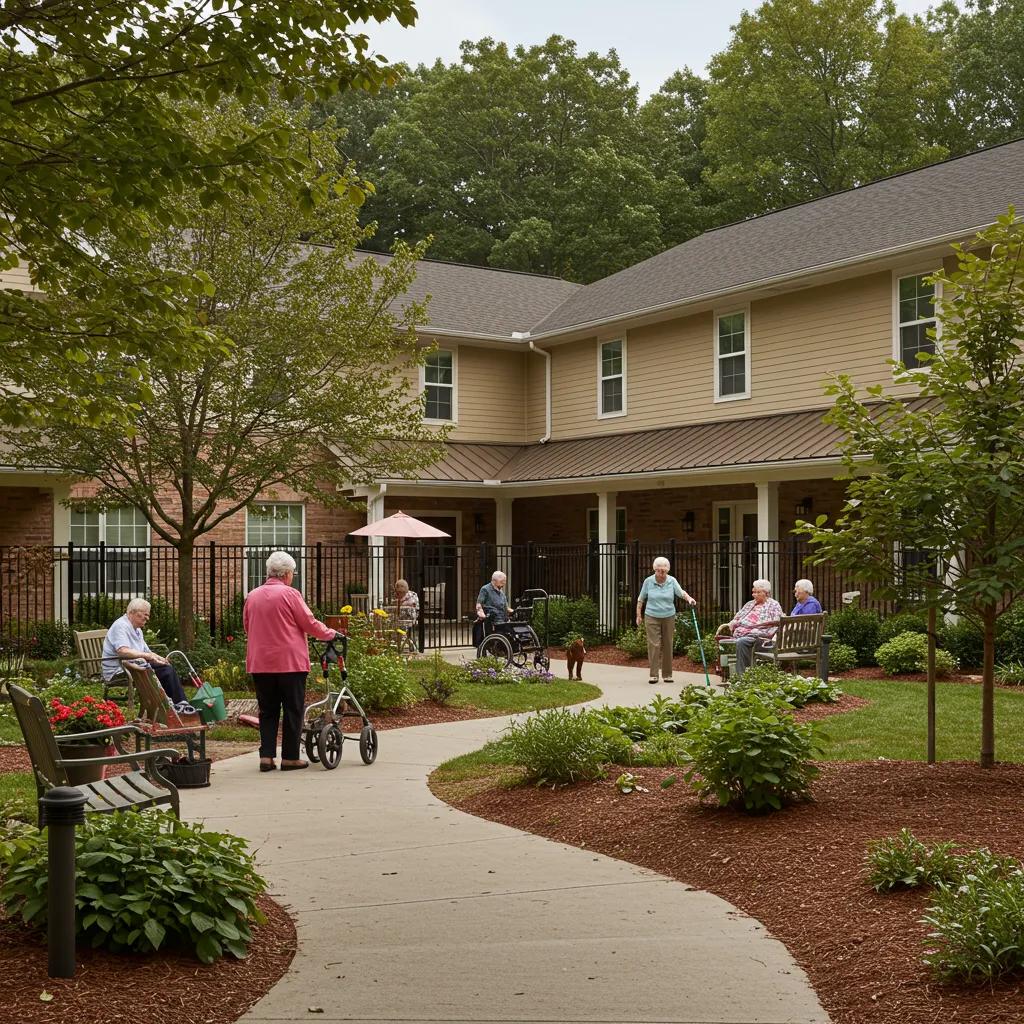
Essential Amenities in West Virginia Memory Care Facilities
Key Amenities to Look for in West Virginia Memory Care Facilities: A Comprehensive Guide to Specialized Dementia Care and Secure Environments
Finding the right memory care facility means matching specialized amenities to the clinical and emotional needs of a person living with Alzheimer’s or other dementias. This guide defines the essential amenities that distinguish memory care in West Virginia, explains how each feature works (the mechanism), and clarifies the direct benefit families can expect, from safety systems that prevent wandering to activity programs that support cognition. After a clear overview of what to look for, the article maps foundational care services, environmental safety, therapeutic programs, staff expertise, and practical considerations like cost and assessments. For families exploring options, this resource is designed to build confidence and provide checklists and tables to use during tours. Braley Care Homes Inc. is noted where facility-specific features illustrate best practices; the final sections explain how to request a tour, call, or assessment to move from research to placement planning.
What Core Care Services Should West Virginia Memory Care Facilities Provide?
Core care services in memory care are the set of daily clinical and support functions designed to keep residents safe, healthy, and engaged. These services work together—assistance with activities of daily living reduces risk of injury, medication management prevents adverse drug events, and 24/7 supervision ensures rapid response—producing better health and quality-of-life outcomes for people with dementia. Families should expect transparent protocols and observable practices for each core service during tours and assessments. The following checklist summarizes core services to verify when evaluating a facility.
Look for clear assistance with personal ADLs that preserves dignity and independence.
Confirm standardized medication management with clinical oversight and documentation.
Verify 24/7 professional supervision, including rapid-response plans for emergencies.
Ask about dining supports: tailored menus, texture modifications, and assisted dining strategies.
These foundational services set the stage for environmental and programmatic supports that follow, and they guide the questions families should ask during a visit.
What Assistance with Activities of Daily Living Is Essential in Memory Care?

Assistance with activities of daily living (ADLs) is a cornerstone of memory care and includes help with bathing, dressing, toileting, grooming, mobility, and eating. Proper ADL support uses routines, visual cues, and task simplification to reduce confusion and preserve skills, which improves resident comfort and reduces behavioral distress. During tours, families should observe staff techniques for cueing and encouragement, not just task completion, and ask how plans are individualized. These observations reveal whether the facility prioritizes dignity and skill retention, which leads naturally into how medication and clinical oversight are handled.
How Is Comprehensive Medication Management Handled in Memory Care Facilities?
Medication safety in memory care relies on standardized protocols that clarify who administers medications, how often reconciliation occurs, and what safety checks are in place to prevent errors. Facilities that follow best practices use licensed nursing oversight for complex regimens, locked medication storage, daily administration logs, and periodic reconciliation after any care transition. Below is a practical table families can use to compare protocols and questions to ask on tours.
The table below lists common medication management elements, who typically handles them, and the safety value they provide.
Medication Management ProtocolWho Manages / FrequencySafety Check / ValueMedication administrationRN/LPN oversight, dailyEnsures correct dosing and timingLocked storage & labelingSecure, controlled accessPrevents unauthorized access and mix-upsReconciliation after transitionsNurse-led at admission/dischargeReduces omissions and duplicationsError reporting & auditsMonthly reviews by clinical teamIdentifies patterns and improves safety
Comparing these elements clarifies expectations and gives families concrete questions to ask, and it transitions into why around-the-clock supervision matters for safety.
Why Is 24/7 Professional Supervision Critical for Memory Care Residents?
Twenty-four–hour professional supervision is essential because residents with dementia are at higher risk for falls, confusion-related incidents, and wandering; constant supervision ensures rapid intervention and continuity of care. Continuous oversight combines trained staff presence with monitoring systems to detect changes in condition and to intervene early, reducing hospitalizations and adverse outcomes. Families should ask about overnight staffing patterns, emergency response procedures, and how monitoring is balanced with privacy and autonomy. Understanding supervision practices next points to the role that nutrition and dining supports play in daily well-being.
What Nutritional Support and Dining Programs Are Offered in WV Memory Care?
Effective dining programs in memory care adapt menu planning and service style to the cognitive and swallowing needs of residents, using texture-modified diets, small-group dining, and assisted feeding when required. These approaches improve intake, reduce weight loss risk, and preserve social aspects of meals—factors linked to nutritional status and mood. Families should ask about menu flexibility, snack availability, and whether staff are trained to encourage safe self-feeding and monitor for dysphagia. Observing a meal period during a tour often reveals how a facility integrates nutrition into daily routines.
How Do West Virginia Memory Care Facilities Ensure a Safe and Secure Environment?
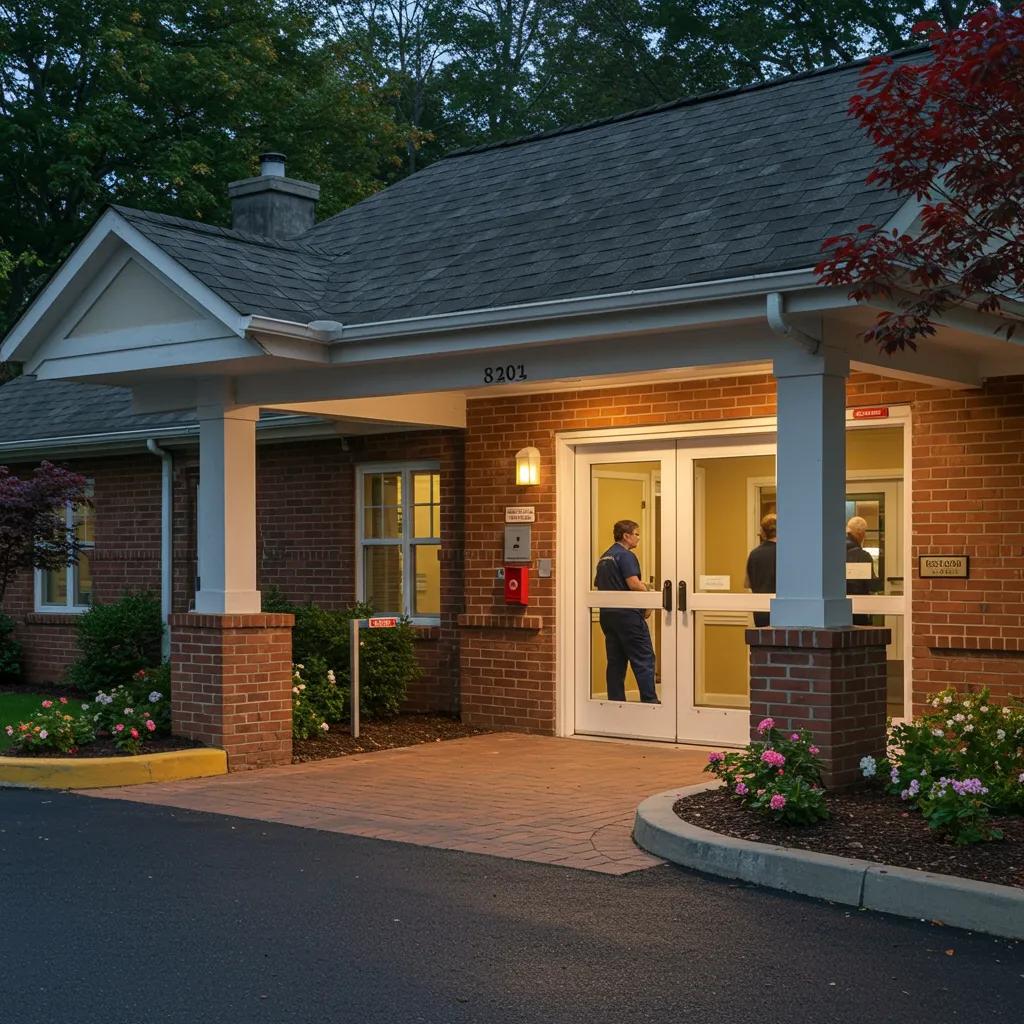
A safe memory care environment combines physical security, design that reduces confusion, and outdoor spaces that provide therapeutic benefits without safety compromise. Security features like alarmed exits and controlled access prevent wandering while preserving dignity; home-like design elements reduce overstimulation and agitation; and secured courtyards provide sensory stimulation and supervised outdoor activity. Understanding these elements helps families weigh safety against quality-of-life considerations when comparing facilities.
Assess technologies and designs that prevent wandering while respecting resident freedom.
Evaluate how home-like decor, scale, and rhythm of daily life reduce stress and confusion.
Confirm access to secure outdoor spaces that encourage movement and sensory engagement.
These environmental features are most meaningful when paired with programmatic supports that promote cognition and activity, which the next section explores.
What Security Features Prevent Wandering and Ensure Resident Safety?
Security features to prevent wandering typically include alarmed doors, monitored exits, controlled entry systems, and staff-trained observation routines that detect risk patterns. Each feature works differently—alarm systems alert staff to exit attempts, while controlled access minimizes unauthorized egress—and their combined benefit is reducing elopement risk without creating an institutional feel. Families should ask about alarm response times, false-alarm rates, and how staff preserve resident dignity during interventions. These specifics lead into how design choices create a non-institutional atmosphere that supports calm.
The following list highlights practical questions to ask about security during a facility tour:
How are exits monitored and who responds to alarms?
What measures protect outdoor access while allowing supervised time outside?
How is resident movement encouraged safely within the secured footprint?
How Does a Home-Like Atmosphere Benefit Memory Care Residents?
A home-like atmosphere benefits residents by reducing environmental triggers of confusion and agitation through smaller scale, familiar furnishings, and consistent daily rhythms that cue orientation. Design elements such as clear sightlines, personalized rooms, and clutter-free common areas support independence and lower anxiety, which in turn reduces behavioral incidents and medication use. Families should look for warmth in decor, evidence of personalization, and staff practices that mimic household routines rather than institutional procedures. Observing these features naturally leads to noticing how outdoor courtyards complement a home-like interior.
What Role Do Outdoor Courtyards and Gardens Play in Memory Care?
Secure outdoor courtyards and gardens provide sensory stimulation, opportunities for low-impact exercise, and calming natural cues that can improve mood and sleep patterns for residents with dementia. When designed with non-slip paths, shaded seating, and guided programming such as gardening or walking groups, these spaces support mobility and meaningful activity while minimizing fall and wandering risks. Staff supervision and secure fencing are essential design elements to allow residents safe access, and programs should integrate outdoor time into daily schedules. Recognizing the safety and therapeutic balance of outdoor spaces helps evaluate appropriate room options for residents.
What Room Options Are Available: Private vs. Semi-Private Accommodations?
Room options in memory care typically include private and semi-private layouts, each with trade-offs in privacy, cost, and social opportunity; private rooms enhance dignity and individualized routines, while semi-private rooms can promote companionship but may limit privacy. Evaluating room choice depends on clinical needs—residents with higher behavioral or medical complexity often benefit from private rooms—so families should ask about room availability, transfer policies, and how room type affects care plans. Observing sample rooms and asking about how personal belongings are accommodated provides insight into day-to-day living. Choosing the right room option ties back to clinical services and staffing patterns discussed later.
Which Specialized Programs and Therapeutic Activities Enhance Memory Care in West Virginia?
Specialized programs in memory care—such as music therapy, reminiscence, art, pet therapy, and structured exercise—target cognition, mood, and social connection through evidence-based mechanisms. These programs use repeated, meaningful stimuli to engage preserved abilities, reduce agitation, and improve quality of life, with frequency and staff involvement calibrated to resident needs. Families should inquire about program schedules, staff training, and how activities are individualized. The list below outlines common therapeutic approaches and their intended benefits.
Music and rhythm-based sessions to reduce agitation and improve recall.
Reminiscence programs that use personal history to strengthen identity and engagement.
Pet therapy and companion animal visits that lower anxiety and increase interaction.
Movement and balance classes designed to preserve mobility and reduce fall risk.
Understanding therapy types leads directly into how cognitive stimulation is applied in practice and how individualized plans are developed.
What Cognitive Stimulation Therapies Are Common in Memory Care Facilities?
Cognitive stimulation therapies commonly include music therapy, reminiscence sessions, simple cognitive games, and creative arts, each designed to activate different memory networks and social engagement pathways. Frequency varies—daily to several times weekly—with trained activity staff or therapists facilitating group or one-on-one sessions tailored to functional ability. The table below compares therapy types, typical frequency and staff involvement, and observed cognitive or behavioral benefits for quick reference.
Therapy TypeFrequency / Staff InvolvedCognitive Benefit / ExampleMusic therapy2–4 times weekly, activity staff or certified therapistReduces agitation; triggers autobiographical memoryReminiscenceWeekly groups or individual sessions, trained facilitatorStrengthens identity and conversation skillsArt and crafts1–3 times weekly, activity staffSupports fine motor skills and creative expressionCognitive gamesDaily or several times weekly, staff-ledMaintains attention and problem-solving ability
This comparison helps families assess program breadth and moves naturally into how individualized activity plans are created.
How Are Individualized Activity Plans Developed for Residents?
Individualized activity plans begin with a structured assessment that captures life history, interests, functional abilities, and family input, and they are updated regularly to reflect changes in cognition or health. Interdisciplinary teams translate assessment findings into tailored schedules that balance group offerings with one-on-one engagement, ensuring relevance and participation. Families should expect to be consulted and to see documentation of resident preferences integrated into daily routines. Clear plans and family involvement support consistent programming and measurable engagement outcomes.
What Physical Wellness and Daily Exercise Programs Support Residents?
Physical wellness programs in memory care emphasize low-impact, supervised movement like chair exercises, gentle balance training, walking groups, and range-of-motion activities that preserve strength and reduce fall risk. Staff-led sessions focus on repetition, simple cues, and positive reinforcement to build habit and safety; programs are adapted for cognitive level and mobility limitations. Facilities should demonstrate how exercise is scheduled and how progress is tracked, including modifications for individual limitations. Strong physical programming complements cognitive therapies and contributes to overall health and well-being.
How Do Social Engagement and Community Activities Improve Quality of Life?
Social engagement and community activities reduce isolation, reinforce social identity, and improve mood through structured group events, intergenerational programs, and family-centered gatherings, often leading to observable improvements in appetite, sleep, and affect. Measurement of success can include participation rates, mood tracking, and family feedback to ensure the activities meet residents’ needs. Families should ask how community activities are encouraged, recorded, and adjusted to sustain interest. Robust social programming ties back to staff roles and communication practices that support family involvement.
What Expertise and Support Do Staff Provide in West Virginia Memory Care Facilities?
Staff expertise in memory care spans clinical credentials, dementia-specific training, and communication practices that keep families informed and involved. The right mix of licensed nurses, trained direct-care staff, and social work or therapeutic professionals creates coordinated care that responds to changing needs and supports family partnerships. Below are practical staff attributes families should verify during a visit.
Credentialed clinical oversight for medication and care planning.
Documented dementia-specific training in behavioral strategies and communication.
Regular family conferences and clear channels for updates and concerns.
These staff attributes underpin safe environments and high-quality programming, and they connect directly to training specifics and staffing ratios discussed next.
What Specialized Training Do Dementia Care Professionals Have?
Dementia care professionals commonly receive training in behavior management, communication strategies for cognitive impairment, techniques to support ADLs, and recognition of medical conditions that mimic cognitive decline. Training may be delivered through in-service programs, certified courses, or clinical supervision, and families should request examples of curricula or annual training schedules. Staff proficiency translates into better de-escalation, fewer restraints, and more meaningful resident engagement.
The effectiveness and content of such training are crucial for quality dementia care.
Dementia-Specific Training for Nursing Home Staff: A Review
For people with dementia high-quality care is vital, since at present dementia cannot be cured. In nursing homes this care is provided by the staff, who therefore require dementia-specific training enabling them to improve the quality of life for people with dementia.
This article compares existing dementia-specific training for nursing home staff with recommendations, based on the current state of research, by the Alzheimer’s Association and the National Institute for Health and Care Excellence, and discusses the outcome of this training.
A systematic review of the literature was conducted to identify studies addressing dementia-specific training. The electronic databases Embase, Medline, Cochrane, CINAHL, PsychINFO, PSYNDEX, and ScienceDirect were searched.
The training topics most commonly considered were person-centered care, communicating with people affected by dementia, and information about dementia. The roles of different social and healthcare professionals, palliative care of people with dementia, and understanding family dynamics are least featured in the training. There are training concepts which focus not only on the transfer of knowledge but also on practical exercises.
In general, the recommended topics were addressed in dementia-specific training concepts, but there is potential for optimization. Further research is needed to identify success criteria in dementia-specific training and identify the successful combination of theoretical knowledge and practical exercise.
Dementia-specific training for nursing home staff: A systematic literature review, 2018
Training quality leads into the operational importance of staffing ratios.
Why Are Optimal Staff-to-Resident Ratios Important for Quality Care?
Staff-to-resident ratios directly affect the ability to provide personalized attention, timely responses to incidents, and consistent activity programming; lower ratios enable more individualized care and proactive supervision. While exact ratios vary by facility and time of day, families should observe staffing levels during different shifts and ask how staffing is adjusted for acuity changes. Adequate ratios support safer transitions, better movement support, and richer activity engagement. Observing staff interactions informs expectations for family communication, the next operational element.
How Is Family Communication and Support Facilitated?
Effective family communication uses scheduled care conferences, regular progress notes, telephone or messaging updates, and educational resources to keep families informed and included in care decisions. Facilities that prioritize family involvement maintain structured pathways for input into care plans and provide training or support sessions to help families navigate dementia progression. Families should ask about documentation frequency, who their primary contact is, and options for respite or caregiver education. Clear communication ensures families remain partners in care and supports smoother assessments and transitions.
What Practical Considerations Should Families Know About Memory Care in West Virginia?
Practical considerations for families include cost context, avenues for financial assistance, the structure of memory care assessments, and applicable West Virginia regulatory standards. Understanding these factors helps families plan financially and logistically while ensuring facilities meet state requirements for safety and licensing. The sections below provide actionable guidance and resources to prepare for touring and assessing options.
Gain a regional cost sense and identify variables that affect pricing.
Explore Medicaid and veterans benefits as potential funding sources.
Prepare documentation and questions for the memory care assessment process.
These practical steps lead directly into specific cost and assistance discussions that follow.
What Is the Average Cost of Memory Care Facilities in West Virginia?
Average memory care costs vary by location, room type, and level of clinical need; families should expect variation based on private versus semi-private rooms, included services, and local market factors. When comparing options, factor in medication management, therapy programs, and ancillary charges for higher-acuity needs. Use a short comparison checklist during tours to capture base rate, included services, and common add-ons to make apples-to-apples comparisons. Transparent pricing conversations prepare families for financing discussions and next steps in seeking aid.
The practical cost checklist to bring on tours:
Ask for a full fee schedule including base rate and common add-ons.
Confirm what services (meals, meds, activities) are included.
Request written explanations of policies for rate increases and transfers.
How Can Families Navigate Financial Assistance and Veterans Benefits?
Families can explore Medicaid options and veteran-specific benefits such as Aid & Attendance where applicable, preparing documentation like medical records, service history, and financial statements to support applications. Local aging services and veteran affairs representatives can guide initial eligibility checks and application steps, and facilities often assist with paperwork or referrals. Starting early and compiling required documents reduces delays and ensures timely access to funding resources. Knowing available assistance informs realistic timelines for placement decisions.
What Does the Memory Care Assessment Process Involve?
A memory care assessment typically includes clinical intake, cognitive and functional evaluations, medication review, and family interviews to capture preferences and safety needs; this process determines the individualized care plan and eligibility for placement. Families should bring current medication lists, relevant medical reports, and a summary of daily routines and preferences to the assessment. Assessments result in documented care plans that guide ADL support, activity programming, and supervision levels. Clear expectations about assessment timelines and follow-up support ease the transition into care.
What Are the Regulatory Standards and Licensing Requirements in West Virginia?
Regulatory oversight in West Virginia involves state health and human services authorities that set licensing, staffing, and safety standards for residential care and memory-support programs; facilities must comply with inspection and reporting requirements. Families can ask to see current licensure, recent inspection summaries, and policies related to infection control and emergency preparedness. Verifying compliance helps ensure legal and safety baselines are met and provides assurance about oversight mechanisms.
Adherence to these standards is fundamental for ensuring a safe and supportive environment.
Long-Term Care Dementia Facilities: Environmental Design Guidelines
A large and growing number of people with dementia are being cared for in long-term care. The empirical literature on the design of environments for people with dementia contains findings that can be helpful in the design of these environments. A schema developed by Marshall in 2001 provides a means of reviewing the literature against a set of recommendations. The aims of this paper are to assess the strength of the evidence for these recommendations and to identify those recommendations that could be used as the basis for guidelines to assist in the design of long term care facilities for people with dementia. The literature was searched for articles published after 1980, evaluating an intervention utilizing the physical environment, focused on the care of people with dementia and incorporating a control group, pre-test-post-test, cross sectional or survey design. A total of 156 articles were identified as relevant and subjected to an evaluation of their meth
Long-term care for people with dementia: environmental design guidelines, 2010
Confirming regulatory status naturally leads to considering specialized facility types and choices.
Why Choose Specialized Memory Care Facilities Like Braley Care Homes in West Virginia?
Specialized, free-standing Alzheimer’s and dementia facilities focus exclusively on cognitive conditions and can align environment, staff training, and programming specifically to dementia-related needs rather than adapting general assisted living models. This specialization concentrates expertise and design features—such as secure courtyards and dementia-focused activity schedules—that reduce behaviors and improve daily functioning. Braley Care Homes Inc. is West Virginia’s only free-standing Alzheimer’s and dementia care facility and embodies a home-like philosophy with features tailored to memory care. The section below explains how that specialization translates into advantages families can observe and rely on.
Specialized programming and environment tailored to dementia-specific needs.
Focused staff training aligned to behavioral strategies and family communication.
Design features (secure courtyard, 24-hour locked security) that balance safety with dignity.
These advantages provide a foundation for understanding differences between facility models and the benefits of a smaller, home-like setting.
How Does a Free-Standing Alzheimer’s and Dementia Facility Different from Other Care Options?
A free-standing Alzheimer’s and dementia facility differs from assisted living or general nursing homes by concentrating programming, staff training, and environmental design on dementia care, rather than offering memory care within a larger mixed-need community. This focus often yields more consistent routines, specialized activity curricula, and facility-wide design choices that mitigate confusion and agitation. Families should compare service scopes, staff expertise, and observed culture when evaluating whether specialization aligns with their loved one’s needs. Noting these differences helps in deciding whether a small, focused setting is the right match.
What Are the Advantages of a Small, Home-Like Memory Care Setting?
Small, home-like settings provide intimacy, predictable routines, and stronger staff-resident relationships that reduce overstimulation and support personalized care; residents often benefit from continuity of caregivers and calmer daily rhythms. Such settings allow staff to build deeper knowledge of each resident’s history and cues, enabling more effective individualized interventions and fewer disruptive episodes. Families typically observe more personal attention and quicker adaptation to behavioral changes in these environments. The advantages of scale directly support individualized care planning and family communication.
How Do Individualized Care Plans and Activities Reduce Anxiety and Behavioral Issues?
Individualized care plans reduce anxiety and behavioral symptoms by identifying triggers, preserving routines, and aligning activities with personal interests—thereby minimizing unmet needs that often manifest as agitation or withdrawal. Tailored programming uses assessment data to match cognitive level and preferences, and teams monitor outcomes to refine strategies, including environmental adjustments and activity timing. Families can request examples of plan updates and monitoring metrics to verify responsiveness. Effective personalization reduces distress and supports more stable daily life, which is reinforced by trained staff and secure design features.
How Does Braley Care Homes’ Staff Expertise and Secure Environment Provide Peace of Mind?
Braley Care Homes Inc. emphasizes a home-like environment with 24-hour locked security and a secure outdoor courtyard, staffed by professionals who prioritize individualized activity programming and family involvement. Leadership includes licensed clinical expertise and personal experience with dementia, and the facility advertises services such as medication management, assistance with ADLs, pet therapy, and 24/7 professional care to address both safety and quality-of-life needs. Families seeking to move from research to action can request a tour, call the facility at 304-767-4033, or inquire about a care assessment to evaluate fit. To build trust with families researching long-term care options and convert website visitors into leads by encouraging calls, tours, or placement inquiries. These next steps allow families to confirm firsthand how specialized features translate into daily care and to begin placement planning with direct staff engagement.
Frequently Asked Questions
What should families consider when touring memory care facilities?
When touring memory care facilities, families should observe the environment, staff interactions, and the overall atmosphere. Key considerations include the cleanliness of the facility, the warmth of the staff, and how residents are engaged in activities. Families should also inquire about the facility's safety features, such as security systems and emergency protocols. Additionally, asking about the types of activities offered and how they cater to residents' cognitive and physical needs can provide insight into the quality of care provided.
How can families assess the quality of staff training in memory care?
Families can assess the quality of staff training by asking about the specific training programs staff undergo, including dementia care techniques and communication strategies. Inquire about ongoing education and how often staff receive updates on best practices. Observing staff interactions with residents during a visit can also provide insight into their training effectiveness. Additionally, families should ask about staff-to-resident ratios, as lower ratios often indicate more personalized care and better-trained staff who can respond to individual needs.
What types of activities are beneficial for residents in memory care?
Beneficial activities for residents in memory care include music therapy, art and crafts, reminiscence sessions, and gentle physical exercises. These activities are designed to stimulate cognitive function, promote social interaction, and enhance emotional well-being. Facilities should offer a variety of programs tailored to residents' interests and abilities, ensuring engagement and participation. Families should inquire about the frequency of these activities and how they are adapted to meet the diverse needs of residents, as this can significantly impact quality of life.
How do memory care facilities support family involvement?
Memory care facilities support family involvement through regular communication, scheduled care conferences, and opportunities for family education. Facilities should provide updates on residents' progress and involve families in care planning. Some facilities may offer support groups or educational sessions to help families understand dementia and caregiving strategies. Families should ask about the specific channels for communication and how they can participate in their loved one's care, as active involvement can enhance the overall experience for both residents and their families.
What are the benefits of individualized care plans in memory care?
Individualized care plans in memory care are crucial for addressing the unique needs of each resident. These plans are developed based on comprehensive assessments that consider personal history, preferences, and cognitive abilities. Benefits include tailored activities that engage residents, reduced anxiety through familiar routines, and proactive management of behavioral issues. Regular updates to these plans ensure they remain relevant as residents' needs change. Families should inquire about how often care plans are reviewed and how they can contribute to the planning process.
What should families know about the transition process into memory care?
The transition process into memory care can be challenging for both residents and families. It's important for families to understand the assessment process, which typically includes evaluations of cognitive and functional abilities. Families should prepare necessary documentation, such as medical records and medication lists, to facilitate a smooth transition. Additionally, visiting the facility multiple times before the move can help residents acclimate. Families should also ask about support services offered during the transition, such as counseling or family support groups, to ease the adjustment period.
How can families evaluate the safety features of a memory care facility?
Evaluating safety features in a memory care facility involves checking for secure entrances, alarmed exits, and monitoring systems that prevent wandering. Families should inquire about staff training in emergency response and how safety protocols are implemented. Observing the physical layout can also provide insights; look for clear sightlines, well-lit areas, and secure outdoor spaces. Additionally, families should ask about the facility's policies regarding resident supervision and how they balance safety with residents' dignity and autonomy, ensuring a supportive environment.

Essential Amenities in West Virginia Memory Care Facilities
Key Amenities to Look for in West Virginia Memory Care Facilities: A Comprehensive Guide to Specialized Dementia Care and Secure Environments
Finding the right memory care facility means matching specialized amenities to the clinical and emotional needs of a person living with Alzheimer’s or other dementias. This guide defines the essential amenities that distinguish memory care in West Virginia, explains how each feature works (the mechanism), and clarifies the direct benefit families can expect, from safety systems that prevent wandering to activity programs that support cognition. After a clear overview of what to look for, the article maps foundational care services, environmental safety, therapeutic programs, staff expertise, and practical considerations like cost and assessments. For families exploring options, this resource is designed to build confidence and provide checklists and tables to use during tours. Braley Care Homes Inc. is noted where facility-specific features illustrate best practices; the final sections explain how to request a tour, call, or assessment to move from research to placement planning.
What Core Care Services Should West Virginia Memory Care Facilities Provide?
Core care services in memory care are the set of daily clinical and support functions designed to keep residents safe, healthy, and engaged. These services work together—assistance with activities of daily living reduces risk of injury, medication management prevents adverse drug events, and 24/7 supervision ensures rapid response—producing better health and quality-of-life outcomes for people with dementia. Families should expect transparent protocols and observable practices for each core service during tours and assessments. The following checklist summarizes core services to verify when evaluating a facility.
Look for clear assistance with personal ADLs that preserves dignity and independence.
Confirm standardized medication management with clinical oversight and documentation.
Verify 24/7 professional supervision, including rapid-response plans for emergencies.
Ask about dining supports: tailored menus, texture modifications, and assisted dining strategies.
These foundational services set the stage for environmental and programmatic supports that follow, and they guide the questions families should ask during a visit.
What Assistance with Activities of Daily Living Is Essential in Memory Care?
Assistance with activities of daily living (ADLs) is a cornerstone of memory care and includes help with bathing, dressing, toileting, grooming, mobility, and eating. Proper ADL support uses routines, visual cues, and task simplification to reduce confusion and preserve skills, which improves resident comfort and reduces behavioral distress. During tours, families should observe staff techniques for cueing and encouragement, not just task completion, and ask how plans are individualized. These observations reveal whether the facility prioritizes dignity and skill retention, which leads naturally into how medication and clinical oversight are handled.
How Is Comprehensive Medication Management Handled in Memory Care Facilities?
Medication safety in memory care relies on standardized protocols that clarify who administers medications, how often reconciliation occurs, and what safety checks are in place to prevent errors. Facilities that follow best practices use licensed nursing oversight for complex regimens, locked medication storage, daily administration logs, and periodic reconciliation after any care transition. Below is a practical table families can use to compare protocols and questions to ask on tours.
The table below lists common medication management elements, who typically handles them, and the safety value they provide.
Medication Management ProtocolWho Manages / FrequencySafety Check / ValueMedication administrationRN/LPN oversight, dailyEnsures correct dosing and timingLocked storage & labelingSecure, controlled accessPrevents unauthorized access and mix-upsReconciliation after transitionsNurse-led at admission/dischargeReduces omissions and duplicationsError reporting & auditsMonthly reviews by clinical teamIdentifies patterns and improves safety
Comparing these elements clarifies expectations and gives families concrete questions to ask, and it transitions into why around-the-clock supervision matters for safety.
Why Is 24/7 Professional Supervision Critical for Memory Care Residents?
Twenty-four–hour professional supervision is essential because residents with dementia are at higher risk for falls, confusion-related incidents, and wandering; constant supervision ensures rapid intervention and continuity of care. Continuous oversight combines trained staff presence with monitoring systems to detect changes in condition and to intervene early, reducing hospitalizations and adverse outcomes. Families should ask about overnight staffing patterns, emergency response procedures, and how monitoring is balanced with privacy and autonomy. Understanding supervision practices next points to the role that nutrition and dining supports play in daily well-being.
What Nutritional Support and Dining Programs Are Offered in WV Memory Care?
Effective dining programs in memory care adapt menu planning and service style to the cognitive and swallowing needs of residents, using texture-modified diets, small-group dining, and assisted feeding when required. These approaches improve intake, reduce weight loss risk, and preserve social aspects of meals—factors linked to nutritional status and mood. Families should ask about menu flexibility, snack availability, and whether staff are trained to encourage safe self-feeding and monitor for dysphagia. Observing a meal period during a tour often reveals how a facility integrates nutrition into daily routines.
How Do West Virginia Memory Care Facilities Ensure a Safe and Secure Environment?
A safe memory care environment combines physical security, design that reduces confusion, and outdoor spaces that provide therapeutic benefits without safety compromise. Security features like alarmed exits and controlled access prevent wandering while preserving dignity; home-like design elements reduce overstimulation and agitation; and secured courtyards provide sensory stimulation and supervised outdoor activity. Understanding these elements helps families weigh safety against quality-of-life considerations when comparing facilities.
Assess technologies and designs that prevent wandering while respecting resident freedom.
Evaluate how home-like decor, scale, and rhythm of daily life reduce stress and confusion.
Confirm access to secure outdoor spaces that encourage movement and sensory engagement.
These environmental features are most meaningful when paired with programmatic supports that promote cognition and activity, which the next section explores.
What Security Features Prevent Wandering and Ensure Resident Safety?
Security features to prevent wandering typically include alarmed doors, monitored exits, controlled entry systems, and staff-trained observation routines that detect risk patterns. Each feature works differently—alarm systems alert staff to exit attempts, while controlled access minimizes unauthorized egress—and their combined benefit is reducing elopement risk without creating an institutional feel. Families should ask about alarm response times, false-alarm rates, and how staff preserve resident dignity during interventions. These specifics lead into how design choices create a non-institutional atmosphere that supports calm.
The following list highlights practical questions to ask about security during a facility tour:
How are exits monitored and who responds to alarms?
What measures protect outdoor access while allowing supervised time outside?
How is resident movement encouraged safely within the secured footprint?
How Does a Home-Like Atmosphere Benefit Memory Care Residents?
A home-like atmosphere benefits residents by reducing environmental triggers of confusion and agitation through smaller scale, familiar furnishings, and consistent daily rhythms that cue orientation. Design elements such as clear sightlines, personalized rooms, and clutter-free common areas support independence and lower anxiety, which in turn reduces behavioral incidents and medication use. Families should look for warmth in decor, evidence of personalization, and staff practices that mimic household routines rather than institutional procedures. Observing these features naturally leads to noticing how outdoor courtyards complement a home-like interior.
What Role Do Outdoor Courtyards and Gardens Play in Memory Care?
Secure outdoor courtyards and gardens provide sensory stimulation, opportunities for low-impact exercise, and calming natural cues that can improve mood and sleep patterns for residents with dementia. When designed with non-slip paths, shaded seating, and guided programming such as gardening or walking groups, these spaces support mobility and meaningful activity while minimizing fall and wandering risks. Staff supervision and secure fencing are essential design elements to allow residents safe access, and programs should integrate outdoor time into daily schedules. Recognizing the safety and therapeutic balance of outdoor spaces helps evaluate appropriate room options for residents.
What Room Options Are Available: Private vs. Semi-Private Accommodations?
Room options in memory care typically include private and semi-private layouts, each with trade-offs in privacy, cost, and social opportunity; private rooms enhance dignity and individualized routines, while semi-private rooms can promote companionship but may limit privacy. Evaluating room choice depends on clinical needs—residents with higher behavioral or medical complexity often benefit from private rooms—so families should ask about room availability, transfer policies, and how room type affects care plans. Observing sample rooms and asking about how personal belongings are accommodated provides insight into day-to-day living. Choosing the right room option ties back to clinical services and staffing patterns discussed later.
Which Specialized Programs and Therapeutic Activities Enhance Memory Care in West Virginia?
Specialized programs in memory care—such as music therapy, reminiscence, art, pet therapy, and structured exercise—target cognition, mood, and social connection through evidence-based mechanisms. These programs use repeated, meaningful stimuli to engage preserved abilities, reduce agitation, and improve quality of life, with frequency and staff involvement calibrated to resident needs. Families should inquire about program schedules, staff training, and how activities are individualized. The list below outlines common therapeutic approaches and their intended benefits.
Music and rhythm-based sessions to reduce agitation and improve recall.
Reminiscence programs that use personal history to strengthen identity and engagement.
Pet therapy and companion animal visits that lower anxiety and increase interaction.
Movement and balance classes designed to preserve mobility and reduce fall risk.
Understanding therapy types leads directly into how cognitive stimulation is applied in practice and how individualized plans are developed.
What Cognitive Stimulation Therapies Are Common in Memory Care Facilities?
Cognitive stimulation therapies commonly include music therapy, reminiscence sessions, simple cognitive games, and creative arts, each designed to activate different memory networks and social engagement pathways. Frequency varies—daily to several times weekly—with trained activity staff or therapists facilitating group or one-on-one sessions tailored to functional ability. The table below compares therapy types, typical frequency and staff involvement, and observed cognitive or behavioral benefits for quick reference.
Therapy TypeFrequency / Staff InvolvedCognitive Benefit / ExampleMusic therapy2–4 times weekly, activity staff or certified therapistReduces agitation; triggers autobiographical memoryReminiscenceWeekly groups or individual sessions, trained facilitatorStrengthens identity and conversation skillsArt and crafts1–3 times weekly, activity staffSupports fine motor skills and creative expressionCognitive gamesDaily or several times weekly, staff-ledMaintains attention and problem-solving ability
This comparison helps families assess program breadth and moves naturally into how individualized activity plans are created.
How Are Individualized Activity Plans Developed for Residents?
Individualized activity plans begin with a structured assessment that captures life history, interests, functional abilities, and family input, and they are updated regularly to reflect changes in cognition or health. Interdisciplinary teams translate assessment findings into tailored schedules that balance group offerings with one-on-one engagement, ensuring relevance and participation. Families should expect to be consulted and to see documentation of resident preferences integrated into daily routines. Clear plans and family involvement support consistent programming and measurable engagement outcomes.
What Physical Wellness and Daily Exercise Programs Support Residents?
Physical wellness programs in memory care emphasize low-impact, supervised movement like chair exercises, gentle balance training, walking groups, and range-of-motion activities that preserve strength and reduce fall risk. Staff-led sessions focus on repetition, simple cues, and positive reinforcement to build habit and safety; programs are adapted for cognitive level and mobility limitations. Facilities should demonstrate how exercise is scheduled and how progress is tracked, including modifications for individual limitations. Strong physical programming complements cognitive therapies and contributes to overall health and well-being.
How Do Social Engagement and Community Activities Improve Quality of Life?
Social engagement and community activities reduce isolation, reinforce social identity, and improve mood through structured group events, intergenerational programs, and family-centered gatherings, often leading to observable improvements in appetite, sleep, and affect. Measurement of success can include participation rates, mood tracking, and family feedback to ensure the activities meet residents’ needs. Families should ask how community activities are encouraged, recorded, and adjusted to sustain interest. Robust social programming ties back to staff roles and communication practices that support family involvement.
What Expertise and Support Do Staff Provide in West Virginia Memory Care Facilities?
Staff expertise in memory care spans clinical credentials, dementia-specific training, and communication practices that keep families informed and involved. The right mix of licensed nurses, trained direct-care staff, and social work or therapeutic professionals creates coordinated care that responds to changing needs and supports family partnerships. Below are practical staff attributes families should verify during a visit.
Credentialed clinical oversight for medication and care planning.
Documented dementia-specific training in behavioral strategies and communication.
Regular family conferences and clear channels for updates and concerns.
These staff attributes underpin safe environments and high-quality programming, and they connect directly to training specifics and staffing ratios discussed next.
What Specialized Training Do Dementia Care Professionals Have?
Dementia care professionals commonly receive training in behavior management, communication strategies for cognitive impairment, techniques to support ADLs, and recognition of medical conditions that mimic cognitive decline. Training may be delivered through in-service programs, certified courses, or clinical supervision, and families should request examples of curricula or annual training schedules. Staff proficiency translates into better de-escalation, fewer restraints, and more meaningful resident engagement.
The effectiveness and content of such training are crucial for quality dementia care.
Dementia-Specific Training for Nursing Home Staff: A Review
For people with dementia high-quality care is vital, since at present dementia cannot be cured. In nursing homes this care is provided by the staff, who therefore require dementia-specific training enabling them to improve the quality of life for people with dementia.
This article compares existing dementia-specific training for nursing home staff with recommendations, based on the current state of research, by the Alzheimer’s Association and the National Institute for Health and Care Excellence, and discusses the outcome of this training.
A systematic review of the literature was conducted to identify studies addressing dementia-specific training. The electronic databases Embase, Medline, Cochrane, CINAHL, PsychINFO, PSYNDEX, and ScienceDirect were searched.
The training topics most commonly considered were person-centered care, communicating with people affected by dementia, and information about dementia. The roles of different social and healthcare professionals, palliative care of people with dementia, and understanding family dynamics are least featured in the training. There are training concepts which focus not only on the transfer of knowledge but also on practical exercises.
In general, the recommended topics were addressed in dementia-specific training concepts, but there is potential for optimization. Further research is needed to identify success criteria in dementia-specific training and identify the successful combination of theoretical knowledge and practical exercise.
Dementia-specific training for nursing home staff: A systematic literature review, 2018
Training quality leads into the operational importance of staffing ratios.
Why Are Optimal Staff-to-Resident Ratios Important for Quality Care?
Staff-to-resident ratios directly affect the ability to provide personalized attention, timely responses to incidents, and consistent activity programming; lower ratios enable more individualized care and proactive supervision. While exact ratios vary by facility and time of day, families should observe staffing levels during different shifts and ask how staffing is adjusted for acuity changes. Adequate ratios support safer transitions, better movement support, and richer activity engagement. Observing staff interactions informs expectations for family communication, the next operational element.
How Is Family Communication and Support Facilitated?
Effective family communication uses scheduled care conferences, regular progress notes, telephone or messaging updates, and educational resources to keep families informed and included in care decisions. Facilities that prioritize family involvement maintain structured pathways for input into care plans and provide training or support sessions to help families navigate dementia progression. Families should ask about documentation frequency, who their primary contact is, and options for respite or caregiver education. Clear communication ensures families remain partners in care and supports smoother assessments and transitions.
What Practical Considerations Should Families Know About Memory Care in West Virginia?
Practical considerations for families include cost context, avenues for financial assistance, the structure of memory care assessments, and applicable West Virginia regulatory standards. Understanding these factors helps families plan financially and logistically while ensuring facilities meet state requirements for safety and licensing. The sections below provide actionable guidance and resources to prepare for touring and assessing options.
Gain a regional cost sense and identify variables that affect pricing.
Explore Medicaid and veterans benefits as potential funding sources.
Prepare documentation and questions for the memory care assessment process.
These practical steps lead directly into specific cost and assistance discussions that follow.
What Is the Average Cost of Memory Care Facilities in West Virginia?
Average memory care costs vary by location, room type, and level of clinical need; families should expect variation based on private versus semi-private rooms, included services, and local market factors. When comparing options, factor in medication management, therapy programs, and ancillary charges for higher-acuity needs. Use a short comparison checklist during tours to capture base rate, included services, and common add-ons to make apples-to-apples comparisons. Transparent pricing conversations prepare families for financing discussions and next steps in seeking aid.
The practical cost checklist to bring on tours:
Ask for a full fee schedule including base rate and common add-ons.
Confirm what services (meals, meds, activities) are included.
Request written explanations of policies for rate increases and transfers.
How Can Families Navigate Financial Assistance and Veterans Benefits?
Families can explore Medicaid options and veteran-specific benefits such as Aid & Attendance where applicable, preparing documentation like medical records, service history, and financial statements to support applications. Local aging services and veteran affairs representatives can guide initial eligibility checks and application steps, and facilities often assist with paperwork or referrals. Starting early and compiling required documents reduces delays and ensures timely access to funding resources. Knowing available assistance informs realistic timelines for placement decisions.
What Does the Memory Care Assessment Process Involve?
A memory care assessment typically includes clinical intake, cognitive and functional evaluations, medication review, and family interviews to capture preferences and safety needs; this process determines the individualized care plan and eligibility for placement. Families should bring current medication lists, relevant medical reports, and a summary of daily routines and preferences to the assessment. Assessments result in documented care plans that guide ADL support, activity programming, and supervision levels. Clear expectations about assessment timelines and follow-up support ease the transition into care.
What Are the Regulatory Standards and Licensing Requirements in West Virginia?
Regulatory oversight in West Virginia involves state health and human services authorities that set licensing, staffing, and safety standards for residential care and memory-support programs; facilities must comply with inspection and reporting requirements. Families can ask to see current licensure, recent inspection summaries, and policies related to infection control and emergency preparedness. Verifying compliance helps ensure legal and safety baselines are met and provides assurance about oversight mechanisms.
Adherence to these standards is fundamental for ensuring a safe and supportive environment.
Long-Term Care Dementia Facilities: Environmental Design Guidelines
A large and growing number of people with dementia are being cared for in long-term care. The empirical literature on the design of environments for people with dementia contains findings that can be helpful in the design of these environments. A schema developed by Marshall in 2001 provides a means of reviewing the literature against a set of recommendations. The aims of this paper are to assess the strength of the evidence for these recommendations and to identify those recommendations that could be used as the basis for guidelines to assist in the design of long term care facilities for people with dementia. The literature was searched for articles published after 1980, evaluating an intervention utilizing the physical environment, focused on the care of people with dementia and incorporating a control group, pre-test-post-test, cross sectional or survey design. A total of 156 articles were identified as relevant and subjected to an evaluation of their meth
Long-term care for people with dementia: environmental design guidelines, 2010
Confirming regulatory status naturally leads to considering specialized facility types and choices.
Why Choose Specialized Memory Care Facilities Like Braley Care Homes in West Virginia?
Specialized, free-standing Alzheimer’s and dementia facilities focus exclusively on cognitive conditions and can align environment, staff training, and programming specifically to dementia-related needs rather than adapting general assisted living models. This specialization concentrates expertise and design features—such as secure courtyards and dementia-focused activity schedules—that reduce behaviors and improve daily functioning. Braley Care Homes Inc. is West Virginia’s only free-standing Alzheimer’s and dementia care facility and embodies a home-like philosophy with features tailored to memory care. The section below explains how that specialization translates into advantages families can observe and rely on.
Specialized programming and environment tailored to dementia-specific needs.
Focused staff training aligned to behavioral strategies and family communication.
Design features (secure courtyard, 24-hour locked security) that balance safety with dignity.
These advantages provide a foundation for understanding differences between facility models and the benefits of a smaller, home-like setting.
How Does a Free-Standing Alzheimer’s and Dementia Facility Different from Other Care Options?
A free-standing Alzheimer’s and dementia facility differs from assisted living or general nursing homes by concentrating programming, staff training, and environmental design on dementia care, rather than offering memory care within a larger mixed-need community. This focus often yields more consistent routines, specialized activity curricula, and facility-wide design choices that mitigate confusion and agitation. Families should compare service scopes, staff expertise, and observed culture when evaluating whether specialization aligns with their loved one’s needs. Noting these differences helps in deciding whether a small, focused setting is the right match.
What Are the Advantages of a Small, Home-Like Memory Care Setting?
Small, home-like settings provide intimacy, predictable routines, and stronger staff-resident relationships that reduce overstimulation and support personalized care; residents often benefit from continuity of caregivers and calmer daily rhythms. Such settings allow staff to build deeper knowledge of each resident’s history and cues, enabling more effective individualized interventions and fewer disruptive episodes. Families typically observe more personal attention and quicker adaptation to behavioral changes in these environments. The advantages of scale directly support individualized care planning and family communication.
How Do Individualized Care Plans and Activities Reduce Anxiety and Behavioral Issues?
Individualized care plans reduce anxiety and behavioral symptoms by identifying triggers, preserving routines, and aligning activities with personal interests—thereby minimizing unmet needs that often manifest as agitation or withdrawal. Tailored programming uses assessment data to match cognitive level and preferences, and teams monitor outcomes to refine strategies, including environmental adjustments and activity timing. Families can request examples of plan updates and monitoring metrics to verify responsiveness. Effective personalization reduces distress and supports more stable daily life, which is reinforced by trained staff and secure design features.
How Does Braley Care Homes’ Staff Expertise and Secure Environment Provide Peace of Mind?
Braley Care Homes Inc. emphasizes a home-like environment with 24-hour locked security and a secure outdoor courtyard, staffed by professionals who prioritize individualized activity programming and family involvement. Leadership includes licensed clinical expertise and personal experience with dementia, and the facility advertises services such as medication management, assistance with ADLs, pet therapy, and 24/7 professional care to address both safety and quality-of-life needs. Families seeking to move from research to action can request a tour, call the facility at 304-767-4033, or inquire about a care assessment to evaluate fit. To build trust with families researching long-term care options and convert website visitors into leads by encouraging calls, tours, or placement inquiries. These next steps allow families to confirm firsthand how specialized features translate into daily care and to begin placement planning with direct staff engagement.
Frequently Asked Questions
What should families consider when touring memory care facilities?
When touring memory care facilities, families should observe the environment, staff interactions, and the overall atmosphere. Key considerations include the cleanliness of the facility, the warmth of the staff, and how residents are engaged in activities. Families should also inquire about the facility's safety features, such as security systems and emergency protocols. Additionally, asking about the types of activities offered and how they cater to residents' cognitive and physical needs can provide insight into the quality of care provided.
How can families assess the quality of staff training in memory care?
Families can assess the quality of staff training by asking about the specific training programs staff undergo, including dementia care techniques and communication strategies. Inquire about ongoing education and how often staff receive updates on best practices. Observing staff interactions with residents during a visit can also provide insight into their training effectiveness. Additionally, families should ask about staff-to-resident ratios, as lower ratios often indicate more personalized care and better-trained staff who can respond to individual needs.
What types of activities are beneficial for residents in memory care?
Beneficial activities for residents in memory care include music therapy, art and crafts, reminiscence sessions, and gentle physical exercises. These activities are designed to stimulate cognitive function, promote social interaction, and enhance emotional well-being. Facilities should offer a variety of programs tailored to residents' interests and abilities, ensuring engagement and participation. Families should inquire about the frequency of these activities and how they are adapted to meet the diverse needs of residents, as this can significantly impact quality of life.
How do memory care facilities support family involvement?
Memory care facilities support family involvement through regular communication, scheduled care conferences, and opportunities for family education. Facilities should provide updates on residents' progress and involve families in care planning. Some facilities may offer support groups or educational sessions to help families understand dementia and caregiving strategies. Families should ask about the specific channels for communication and how they can participate in their loved one's care, as active involvement can enhance the overall experience for both residents and their families.
What are the benefits of individualized care plans in memory care?
Individualized care plans in memory care are crucial for addressing the unique needs of each resident. These plans are developed based on comprehensive assessments that consider personal history, preferences, and cognitive abilities. Benefits include tailored activities that engage residents, reduced anxiety through familiar routines, and proactive management of behavioral issues. Regular updates to these plans ensure they remain relevant as residents' needs change. Families should inquire about how often care plans are reviewed and how they can contribute to the planning process.
What should families know about the transition process into memory care?
The transition process into memory care can be challenging for both residents and families. It's important for families to understand the assessment process, which typically includes evaluations of cognitive and functional abilities. Families should prepare necessary documentation, such as medical records and medication lists, to facilitate a smooth transition. Additionally, visiting the facility multiple times before the move can help residents acclimate. Families should also ask about support services offered during the transition, such as counseling or family support groups, to ease the adjustment period.
How can families evaluate the safety features of a memory care facility?
Evaluating safety features in a memory care facility involves checking for secure entrances, alarmed exits, and monitoring systems that prevent wandering. Families should inquire about staff training in emergency response and how safety protocols are implemented. Observing the physical layout can also provide insights; look for clear sightlines, well-lit areas, and secure outdoor spaces. Additionally, families should ask about the facility's policies regarding resident supervision and how they balance safety with residents' dignity and autonomy, ensuring a supportive environment.
Latest Events
Follow Us On Facebook

Contact Us to Schedule a Tour!
We offer tours of our memory care facility so that you can see first-hand what we have to offer.
If you would like to schedule a tour or ask any questions, please don't hesitate to contact us.
We look forward to helping you on your senior care journey.
Contact Us to
Schedule a Tour!
We offer tours of our memory care facilities so that you can see first-hand what we have to offer.
If you would like to schedule a tour or ask any questions, please don't hesitate to contact us.
We look forward to helping you on your senior care journey.
KEEP IN TOUCH.


CONTACT US
Location:
Braley Care Homes
6192 US-60
Hurricane, WV 25526
Phone Numbers:
Referrals and Inquiries: (304) 767-4033
Facility Phone: (304) 201-3677
Facility Fax: (304) 201-3678
AREAS WE SERVE
BUSINESS HOURS
Monday
9:00am – 6:30pm
Tuesday
9:00am – 6:30pm
Wednesday
9:00am – 6:30pm
Thursday
9:00am – 6:30pm
Friday
9:00am – 6:30pm
Our clinic largest private mental health partnership, with a carefully selected nationwide team of Psychiatrists.
KEEP IN TOUCH.
CONTACT US
Location:
Braley Care Homes
6192 US 60
Hurricane, WV 25526
Phone Numbers:
Referrals and Inquiries: (304) 767-4033
Facility Phone: (304) 201-3677
Facility Fax: (304) 201-3678
AREAS WE SERVE
BUSINESS HOURS
Monday
9:00am – 6:30pm
Tuesday
9:00am – 6:30pm
Wednesday
9:00am – 6:30pm
Thursday
9:00am – 6:30pm
Friday
9:00am – 6:30pm