Visit us: Mon - Fri: 9:00 - 18:30
Braley Care Homes 6192 US 60 Hurricane, WV 25526
Experience Life at
Braley Care Homes
At Braley Care Homes, every day is filled with meaningful moments, engaging activities, and compassionate care. Our video collection offers a glimpse into the vibrant community we've built—where residents enjoy holiday celebrations, participate in enriching activities, and share their unique stories. Explore these videos to see how we create a warm, welcoming environment where seniors feel at home, supported, and celebrated.
Experience Life at
Braley Care Homes
At Braley Care Homes, every day is filled with meaningful moments, engaging activities, and compassionate care. Our video collection offers a glimpse into the vibrant community we've built—where residents enjoy holiday celebrations, participate in enriching activities, and share their unique stories. Explore these videos to see how we create a warm, welcoming environment where seniors feel at home, supported, and celebrated.
This Month’s Featured Insight
A Closer Look at Life at Braley Care Homes
🎉 Holiday Highlights & Festive Fun
🧠 Memory Care Moments & Tips
🎨 Everyday Adventures & Engaging Activities
💬 Heartfelt Stories & Resident Smiles
💡 Caregiver Corner: Wisdom & Wellness
Testimonials

I have only great memories of the great care my husband received. Never heard an unkind word to anyone there. This care home facility is wonderful. Thank you, Mr. Braley, for all you do and your staff. God's blessing continue to be with you all.
Brenda B. L.
I’ve worked there and I’ve seen how the residents are treated. Staff love their jobs and you can tell. Owner is great with residents too. They do a wide variety of activities and even a pet dog.
Samantha G.
I have only great memories of the great care my husband received. Never heard an unkind word to anyone there. This care home facility is wonderful. Thank you, Mr. Braley, for all you do and your staff. God's blessing continue to be with you all.
Brenda B. L.
I’ve worked there and I’ve seen how the residents are treated. Staff love their jobs and you can tell. Owner is great with residents too. They do a wide variety of activities and even a pet dog.
Samantha G.
Absolutely the best care home in the valley for your loved one with dementia.
Leah S. K.
Residents and workers are great. What you see is what you get. Thanks, BCH!
Nola H.
Absolutely the best care home in the valley for your loved one with dementia.
Leah S. K.
Residents and workers are great. What you see is what you get. Thanks, BCH!
Nola H.
Braley Care Homes
Caring Is Our Business
Read The Latest From Braley Care Homes
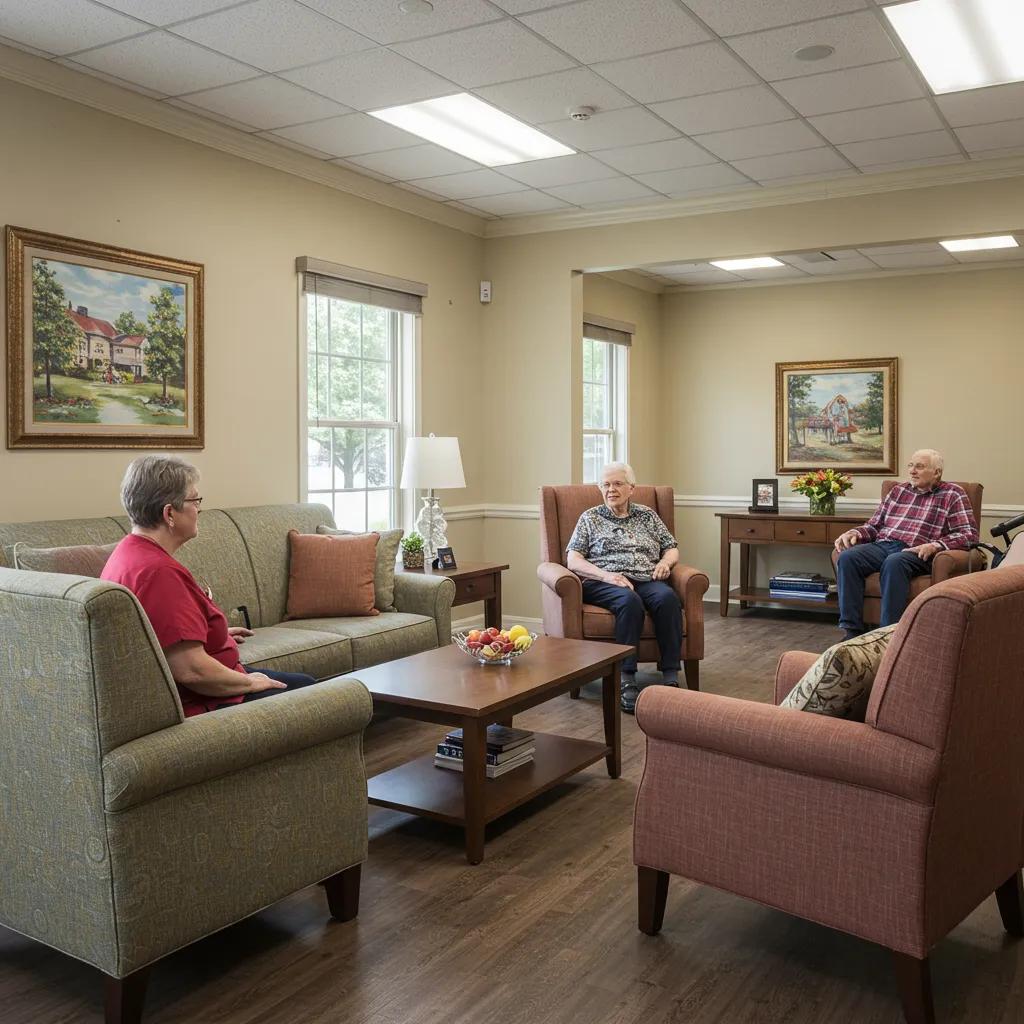
Explore Affordable Residential Memory Care in West Virginia
Explore Residential Memory Care Options in West Virginia: Comprehensive Guide to Alzheimer’s and Dementia Care
Residential memory care provides a dedicated, supervised living environment designed to support people with Alzheimer’s disease and other forms of dementia by combining safety, clinical oversight, and individualized daily programming. This guide explains what residential memory care entails, how it differs from assisted living and nursing homes, and why a specialized approach matters for families searching for memory care West Virginia options. Readers will learn how memory care supports daily living and behavior management, what to expect for programming and safety, typical cost elements and funding pathways, and practical steps for choosing and initiating placement. The article also highlights a state-specific example—Braley Care Homes Inc.—as an illustrative free-standing memory care provider that emphasizes individualized activities, a home-like 16-bed model, and leadership with clinical social work expertise. You will find checklists, comparison tables, and planning tools to support conversations with providers and to prepare for assessments and tours across Charleston, Huntington, Morgantown, and other West Virginia communities.
What Is Residential Memory Care and How Does It Support Alzheimer’s and Dementia Patients in West Virginia?
Residential memory care is a form of residential long-term care focused on the cognitive, behavioral, and safety needs of people with Alzheimer’s and other dementias, providing specialized supervision, routines, and therapeutic programming. It works by combining environmental design (secure wandering paths and home-like layouts), trained staff who manage behavioral symptoms, and individualized activity programming that stimulates cognition and reduces agitation. The result is improved daily functioning, fewer emergency incidents, and better quality of life for residents and reduced caregiver stress for families. In West Virginia, memory care options vary between free-standing facilities, assisted living memory units, and nursing homes with dementia units; families should factor in licensing, local service availability, and proximity to medical specialists when evaluating choices. Understanding these core components clarifies why a dedicated memory care setting often outperforms conventional senior housing for moderate-to-advanced dementia needs and leads naturally to examining specific facility features.
What Are the Key Features of Memory Care Facilities in West Virginia?
Memory care facilities center around safety, routine, and individualized engagement to support cognitive decline and behavioral symptoms. Secure design features such as controlled entry points, discreetly contained wandering paths, and clear sightlines reduce elopement risk while preserving resident autonomy and dignity. Small, home-like environments with private or semi-private rooms and outdoor courtyards support familiar routines and reduce sensory overload compared with large institutional settings. Medication management, nutrition supervision, and 24/7 trained staff presence allow consistent care for comorbid medical needs and behavioral interventions. These design and operational elements combine to reduce falls and emergency transfers and to promote resident well-being, which naturally leads into how memory care compares with other care settings.
How Does Memory Care Differ from Assisted Living and Nursing Homes?
Memory care differs from assisted living and nursing homes primarily in intensity of supervision, staff training in dementia care, and environment tailored for cognitive impairment. Assisted living typically supports independent activities of daily living with some oversight, while nursing homes provide skilled nursing and rehabilitation for medical complexity; memory care sits between these models with focused behavioral supports and structured programming for cognitive decline. Staff in memory care receive specialized dementia training to manage agitation, sundowning, and communication differences, and the environment is adapted to reduce confusion and triggers. Because of those differences, families should match the resident’s clinical stage and behavioral profile to the care model, which prepares the way to examine distinct clinical and quality-of-life benefits next.
What Are the Benefits of Specialized Alzheimer’s and Dementia Care?

Specialized Alzheimer’s and dementia care delivers clinical and psychosocial benefits that include fewer hospitalizations, stabilized behavior through routine and personalized interventions, and greater social engagement through activity programming. Targeted therapeutic activities—cognitive stimulation, music or sensory therapy, and meaningful household tasks—help maintain function and reduce agitation by aligning with the resident’s social history and preferences. Clinically, consistent medication oversight and trained staff can prevent medication errors and address comorbid conditions more proactively than fragmented home care. These benefits underscore why families frequently seek memory care West Virginia placements when dementia symptoms progress, and they lead naturally to facility-specific differences to evaluate when choosing a provider.
What Makes Braley Care Homes the Best Memory Care Facility in West Virginia?
Braley Care Homes Inc. exemplifies a specialized, free-standing memory care approach in West Virginia by focusing exclusively on Alzheimer’s, dementia, and memory care within a small, home-like 16-bed model designed for safe wandering and individualized engagement. The facility’s positioning as the only dedicated free-standing Alzheimer’s and dementia care facility in the state emphasizes a concentrated expertise in dementia-specific environmental design and programming. Braley’s model pairs individualized activity programming with 24/7 staff availability and clinical oversight from licensed leadership, enabling tailored care plans that address behavior management, medication administration, and social needs. For families exploring options, Braley operates as an illustrative example of how a specialized provider combines environment, staffing, and family support to improve resident outcomes, and this description naturally leads into specific design and service elements.
How Does Braley Care Homes Provide a Home-Like and Secure Environment?
Braley Care Homes emphasizes a residential atmosphere with private rooms, communal living spaces, and an outdoor courtyard that support routine and social connection while minimizing institutional cues. Security measures are integrated into the home-like layout—controlled access and safe wandering paths—so residents can move with fewer restrictions yet remain safe, preserving dignity and reducing frustration. Interior design choices focus on clear sightlines, contrasting colors for wayfinding, and familiar household cues that reduce confusion and build a sense of normalcy. These environmental strategies help decrease sundowning and agitation, and they pair directly with the facility’s individualized programming approach that follows.
What Specialized Services and Individualized Care Does Braley Offer?
Braley Care Homes provides individualized activity programming based on residents’ life histories, interests, and cognitive abilities to support meaningful engagement and memory stimulation. Services include medication management, assistance with activities of daily living, structured therapeutic activities, and continuous staff supervision to manage behavioral symptoms and health needs. Each care plan is tailored after assessment, and staff adapt interventions as needs change to preserve function and safety. This individualized approach reduces emergency interventions and supports continuity of care, which naturally connects to the qualifications of the clinical team overseeing those services.
Who Are the Expert Staff Behind Braley’s Memory Care?
Leadership at Braley Care Homes includes clinical and administrative expertise, notably with Chris Braley serving as Owner/Administrator and holding a Licensed Independent Clinical Social Worker (LICSW) credential, supported by an interdisciplinary team including nursing and trained caregivers. This combination places clinical social work principles at the center of care planning—assessing psychosocial needs, family dynamics, and appropriate behavioral strategies—while nursing oversight addresses medication and medical risk. Staff training focuses on dementia-specific skills, communication strategies, and de-escalation techniques that improve daily care and resident interactions. These team qualifications help families feel confident in clinical decision-making and in the facility’s capacity to adapt care as dementia progresses.
How Does Braley Support Families Through Care Assessments and Resources?
Braley Care Homes offers free care assessments and family guidance to help families understand dementia progression, evaluate needs, and plan transitions based on individualized risk and preference. The assessment process gathers medical history, social background, and behavioral patterns to create a customized care plan that informs programming and safety strategies. Staff provide resource referrals and ongoing communication touchpoints to keep families involved in care decisions and to support grief and adjustment during transitions. These family-facing practices reduce uncertainty and make it easier to coordinate next steps, which segues into how cost and funding are addressed for memory care in West Virginia.
How Much Does Memory Care Cost in West Virginia and What Financial Assistance Is Available?
Understanding memory care cost in West Virginia requires separating typical price elements—facility fee, care services, and optional add-ons—and comparing state averages to the national context to plan affordability and funding routes. On average, state-level memory care tends to be lower than national urban averages, driven by local labor and real estate costs, but families must account for specialized programming and staffing in specialized facilities. Important funding sources include Medicaid waivers (such as the Aged and Disabled Waiver program in WV) and VA benefits for eligible veterans, which can meaningfully offset costs for qualified families. Transparent pricing reviews, free assessments for needs-based planning, and careful evaluation of contract terms help families prepare financially and select services that balance quality and affordability.
Different facilities break down pricing into a base facility fee plus bundled services and optional add-ons to reflect care complexity and resident needs.
Fee ComponentWhat It Typically CoversTypical WV Range (Illustrative)Facility FeeRoom, basic supervision, meals, utilitiesLower than national metro averagesCare ServicesMedication management, ADL assistance, supervisionVaries by level of required assistanceSpecialized ProgrammingIndividualized activities, therapy sessionsOften included or charged as premiumAdd-onsTransportation, private therapy, special dietsPriced separately by provider
What Is the Average Cost of Memory Care in West Virginia Compared to National Rates?
State averages for memory care in West Virginia typically fall below national urban averages because of regional cost structures, though specialized free-standing facilities may charge premiums for dedicated dementia programming and higher staff-to-resident ratios. National reporting often shows memory care averages higher than basic assisted living due to the need for continuous supervision and therapeutic programming. Cost drivers include staffing credentials, frequency of clinical oversight, and activity programming intensity; facilities with licensed clinical leadership or 24/7 nursing oversight reflect those costs. Comparing local quotes side-by-side and factoring in available financial assistance is essential for accurate affordability planning.
The disparity in access to memory care, particularly for those relying on state-subsidized healthcare, is a significant concern, especially in rural areas.
Memory Care Access and Medicaid in Rural Florida
Older adults in rural areas experience greater risk for Alzheimer’s disease, which increases the need for long-term care (LTC) facilities that can accommodate their needs. Older adults seeking memory care in rural Florida face a significant disparity in access to assisted living communities (ALCs) compared to urban areas. Additionally, those in rural areas tend to have less access to ALCs that accept state subsidized health care. The purpose of this research is to investigate access to ALCs with memory care in Florida in relation to Medicaid acceptance.
Memory Care and Medicaid in Rural Florida
What Services Are Included in Memory Care Pricing?
To help families decode invoices, this table outlines common inclusions versus optional add-ons and why they matter for budgeting and care expectations.
Pricing ElementWhat It IncludesWhy It MattersCore ServicesMeals, supervision, basic ADL assistanceEnsures daily living needs are met consistentlyClinical OversightMedication management, routine assessmentsSupports medical safety and reduces error riskEnrichment ProgrammingGroup activities, individualized sessionsImproves quality of life and reduces behavioral issuesOptional Add-onsPrivate therapy, specialized transportCan significantly increase monthly cost if needed
How Can Medicaid, VA Benefits, and Other Programs Help Cover Memory Care Costs?
Medicaid waiver programs, such as WV’s Aged and Disabled Waiver, can cover long-term care services for eligible individuals by funding in-home care or facility services under program rules, while VA Aid and Attendance benefits may assist qualified veterans and spouses with care costs. Eligibility criteria, asset limits, and application procedures vary by program, so families should gather medical documentation, income statements, and service histories during the planning process. Facilities and social work staff can often guide families through initial eligibility questions and paperwork, and a free care assessment can help determine likely program fit. These financial pathways make it practical for many families to access specialized memory care without bearing the full cost privately.
What Tips Can Help Families Plan for Memory Care Expenses?
Careful preparation reduces financial stress and ensures smoother placement when memory care is needed.
Gather documentation early: medical records, medications, financial statements.
Request itemized pricing and compare what each facility includes.
Explore public benefits before paying privately for long periods.
These steps let families match budget to care needs and identify likely assistance channels, and asking for a free care assessment can clarify next financial and clinical steps.
How Do You Choose the Right Memory Care Facility in West Virginia?
Choosing the right memory care facility requires a decision framework that balances clinical needs, environment, staff expertise, and family priorities to ensure safety, meaningful engagement, and continuity of care. Essential criteria include staff training in dementia care, evidence of individualized programming, safety design that enables safe wandering while reducing risks, and transparent communication practices with families. Location matters for visitation and access to local medical specialists; proximity to Charleston, Huntington, or Morgantown can influence hospital access and family involvement. A structured tour checklist and comparative rubric help families convert impressions into objective assessments and naturally leads into specific questions to ask during evaluations.
What Questions Should Families Ask When Evaluating Memory Care Facilities?
Families should use a prioritized checklist during calls and tours to evaluate clinical, operational, and comfort aspects that directly impact daily life and long-term outcomes.
What are typical staff-to-resident ratios and dementia-specific training schedules?
How are individualized care plans created and updated?
What is included in the monthly fee and what are common add-ons?
These questions reveal both care capacity and transparency; families should follow up with document requests and references to substantiate responses and then observe the facility in action.
Understanding the specific staffing requirements and personal care hours mandated by state regulations is crucial for ensuring adequate support for residents.
West Virginia Memory Care Staffing Requirements
Texas and Virginia require an activities director at least 20 hours weekly; and West Virginia requires 2.25 hours of personal care per person per day; Texas and Virginia require an activities director at least 20 hours weekly; and West Virginia requires 2.25 hours of personal care per person per day
State regulatory approaches for dementia care in residential care and assisted living, PC Carder, 2017
How to Assess Facility Environment, Staff Expertise, and Care Programs?
During tours, use observational cues and direct inquiries to evaluate environment and staff competence: note resident engagement, cleanliness, staff resident interactions, and availability of clinical leadership. Ask to review sample care plans and training records or to meet the nurse or activities coordinator to understand program philosophy and responsiveness to behavior changes. Request documentation on emergency procedures, medication administration protocols, and examples of how the facility handled complex behavioral situations. These practical checks translate impressions into measurable criteria families can compare across providers.
FeatureWhy it MattersHow to CheckStaff TrainingImpacts quality of dementia interventionsAsk about training frequency and curriculumEnvironmental DesignAffects safety and autonomyObserve sightlines, wayfinding, and safe pathsActivity ProgrammingDrives engagement and functionRequest sample weekly schedules and personalization approach
Why Is Location Important for Memory Care in Charleston, Huntington, and Morgantown WV?
Proximity to family and local health networks affects visitation frequency, continuity of care, and access to specialists who treat comorbid conditions common in dementia. Charleston offers broader tertiary care access, Huntington provides regional services, and Morgantown connects to major academic medical resources; families should weigh travel time and local medical ties when choosing a location. Closer facilities reduce transportation barriers for appointments and enable family participation in care planning meetings. Braley Care Homes serves residents across these areas, making regional accessibility a practical consideration when families prioritize in-person involvement and specialist access.
How Can Braley Care Homes Meet Your Loved One’s Specific Memory Care Needs?
Braley Care Homes matches services to needs through free care assessments that identify safety risks, behavioral triggers, and programming preferences to inform individualized care plans. Assessments capture social history and preferences that guide activity personalization and environmental adjustments to reduce agitation and preserve function. With clinical social work leadership, Braley emphasizes psychosocial interventions alongside daily care to address family dynamics and long-term planning. Families considering placement should request the free assessment to understand how specific services map to their loved one’s needs.
What Is Life Like at Residential Memory Care Facilities in West Virginia?
Daily life in residential memory care blends routines that support safety and health with enrichment that preserves identity and function, creating predictable days that reduce anxiety and increase engagement. Typical schedules include structured meals, therapeutic group activities, individualized one-on-one sessions, and safe outdoor time to promote sensory stimulation and physical activity. The emphasis on meaningful tasks—gardening, music sessions, sensory stimulation—supports cognitive function and emotional well-being, and staff monitor responses to tailor activities over time. These daily practices form the basis for resident stories and outcomes that families often reference when judging program quality.
What Activities and Programs Enhance Well-Being for Memory Care Residents?
Evidence-based activities for memory care include cognitive stimulation therapy, music and reminiscence sessions, horticultural activities, and structured sensory programming that engage multiple modalities and respect personal history. Such programming reduces agitation, supports language retention, and provides daily purpose; for example, music therapy can cue memories and reduce anxiety, while gardening provides sensory grounding and light exercise. Activities are individualized based on assessment and adjusted by staff to maintain meaningful participation as cognitive profiles change. Braley integrates individualized programming into daily routines to align activities with residents’ social histories and to measure responses over time.
Activity/ServiceBenefit for ResidentsExample at BraleyMusic therapyReduces agitation and improves moodPersonalized playlists during group sessionsHorticultureSensory grounding and light exerciseCourtyard gardening adapted to abilitiesReminiscence therapyEnhances identity and social connectionLife story sessions incorporated into care plans
How Does Braley Care Homes Promote Safety and Comfort for Residents?
Braley promotes safety through secure wandering design, continuous staff supervision, medication management, and environmental features that reduce confusion and fall risk, while comfort is prioritized through home-like furnishings and personalized rooms. Staff follow protocols for monitoring behavior changes and coordinating with clinical oversight to adjust interventions as needed; this reduces emergency transfers and improves daily comfort. Comfort is also enhanced through nutrition planning and meaningful activities tied to residents’ preferences, which supports both physical and emotional needs. These safety and comfort systems create predictable days that support resident stability and family peace of mind.
What Are Resident Stories and Testimonials About Memory Care in West Virginia?
Anonymized resident vignettes often describe improved daily rhythm, decreased agitation, and stronger family relationships after transitioning to specialized memory care, with families citing structured activities and responsive staff communication as key drivers of improvement. These stories highlight how targeted programming and consistent supervision can reduce crisis episodes and allow families to focus on visiting and meaningful interaction rather than constant caregiving. Families should request anonymized case examples and talk with staff about typical outcomes to set realistic expectations. Reading such vignettes prepares families to ask focused questions during assessments and tours.
What Resources and Support Are Available for Families Navigating Memory Care in West Virginia?
Families navigating memory care can access caregiver support groups, respite programs, counseling, and official resources that cover eligibility for financial assistance and guidance on long-term planning. Local Alzheimer’s Association chapters provide education and caregiver support, while state aging services outline Medicaid waiver programs and eligibility pathways; facilities with clinical social work leadership can assist families in connecting to these supports. Education on trends in dementia care, local service directories, and practical search tips help families find suitable regional options and coordinate transitions. Knowing where to look and who to contact reduces confusion and accelerates access to appropriate services.
How Can Caregiver Support Programs Help Families Cope with Dementia Care?
Caregiver supports—respite services, peer support groups, counseling, and caregiver training—reduce burnout, enhance caregiving skills, and provide emotional support during decision-making and transitions. Respite allows temporary relief and time to manage finances or plan moves, while training programs teach communication strategies and behavior management techniques that improve interactions with loved ones. Accessing these supports early can prevent crises and maintain family involvement as conditions progress. Facilities that provide resource referrals and assessment-based guidance help families connect to these programs when needed.
What Are the Latest Dementia and Alzheimer’s Care Trends and Statistics in West Virginia?
Current research shows rising numbers of older adults living with dementia nationally, increased focus on specialized memory care models, and growing interest in individualized, home-like settings that prioritize psychosocial interventions. National and global authorities emphasize early diagnosis, non-pharmacologic interventions, and caregiver support as core strategies to improve outcomes. West Virginia families should consult state aging resources and Alzheimer’s Association updates for prevalence and care cost trends to inform planning. These trends underscore the shift toward specialized residential memory care models that combine safety, programming, and clinical oversight.
Where Can Families Find Local Memory Care Services in Charleston, Huntington, and Morgantown WV?
Families searching locally should compile a short list of facilities for tours, prioritize proximity to family and medical resources, and use structured checklists to evaluate each option against clinical and environmental criteria. Local searches benefit from contacting state aging agencies, Alzheimer’s Association chapters, and facility social work teams to request assessments and documentation. Braley Care Homes serves residents across these regional areas and emphasizes free assessments to help families determine fit and next steps. Proactive local searching reduces timeline uncertainty and improves the match between needs and services.
How Can You Get Started with Residential Memory Care at Braley Care Homes?
Beginning the memory care pathway at Braley Care Homes starts with a free care assessment to evaluate clinical needs, safety risks, and programming preferences, followed by a recommended care plan and a scheduled tour to observe daily life and meet staff. The sequence—contact for assessment, assessment-based recommendation, tour, and admission planning—helps families make informed decisions while preserving resident dignity and safety. Braley’s assessment and family communication practices are designed to clarify costs, services, and timelines without pressure. For families ready to explore placement, requesting the free assessment is the practical first step toward a safe, individualized memory care plan.
How to Schedule a Free Care Assessment and Tour at Braley Care Homes?
To prepare for a free care assessment and tour, gather medical records, medication lists, recent hospital or physician notes, and basic social history details to help staff create an accurate care recommendation during the visit. During scheduling, ask what documentation will be helpful, what the assessment will cover, and what to expect during the tour so family members can attend and observe routines and interactions. Bring questions about staffing, programming personalization, and communication practices to make the most of the visit. These preparation steps streamline the assessment and ensure families leave with a clear next-action plan.
What Should Families Expect During the Memory Care Admission Process?
The admission process typically includes a clinical assessment, development of an individualized care plan, discussion of financial arrangements and service inclusions, and a timeline for transition that may include trial days or gradual acclimation to reduce stress. Families should expect collaborative planning with facility staff, opportunities to share social history details that inform programming, and scheduled meetings to review progress after admission. Documentation requirements generally include medical and medication records, and staff will outline ongoing communication cadences and emergency protocols. Clear expectations and structured timelines support smoother transitions and better resident outcomes.
How Does Braley Care Homes Maintain Ongoing Communication with Families?
Braley structures ongoing family communication through routine updates, scheduled care-plan reviews, and accessible staff points of contact to report changes or concerns, ensuring that families remain central to care decisions. Regular meetings and progress notes allow families to follow clinical changes and activity participation, and staff escalate urgent issues according to established protocols. This communication model fosters trust and collaborative problem-solving as needs evolve. Expect a planned cadence of updates and opportunities for family involvement to maintain continuity and transparency after admission.
Frequently Asked Questions
What should families consider when touring memory care facilities?
When touring memory care facilities, families should observe the environment, staff interactions, and resident engagement. Look for cleanliness, safety features, and how staff communicate with residents. Ask about staff-to-resident ratios and the training provided for dementia care. Additionally, inquire about the types of activities offered and how they are tailored to individual needs. Taking notes during the tour can help families compare facilities later and ensure they choose a place that aligns with their loved one's needs and preferences.
How can families prepare for a care assessment at a memory care facility?
To prepare for a care assessment, families should gather relevant medical records, medication lists, and any recent evaluations from healthcare providers. It’s also helpful to compile a social history that includes the resident's interests, preferences, and past routines. This information will assist staff in creating a personalized care plan. Families should also prepare questions about the facility's services, staff qualifications, and how care is tailored to individual needs, ensuring a comprehensive understanding of what to expect.
What role do family members play in the care of residents in memory care facilities?
Family members play a crucial role in the care of residents in memory care facilities by providing emotional support and continuity of care. They can participate in care planning meetings, share insights about the resident's history and preferences, and help staff understand behavioral triggers. Regular visits can enhance the resident's well-being and help maintain family connections. Additionally, families can advocate for their loved ones by staying informed about care practices and engaging with staff to ensure the best possible outcomes.
What types of activities are typically offered in memory care facilities?
Memory care facilities typically offer a variety of activities designed to engage residents and promote cognitive function. These may include music therapy, art classes, gardening, reminiscence therapy, and sensory stimulation activities. Structured group activities encourage social interaction, while individualized sessions cater to personal interests and abilities. The goal is to create meaningful experiences that enhance quality of life, reduce agitation, and foster a sense of purpose among residents, all tailored to their unique needs and preferences.
How can families assess the quality of care in a memory care facility?
Families can assess the quality of care in a memory care facility by observing staff interactions with residents, checking for cleanliness and safety, and reviewing care plans. Asking about staff training, resident-to-staff ratios, and how individualized care is provided can also provide insights. Additionally, families should seek feedback from current residents' families and look for any available reviews or testimonials. Regular communication with staff and participation in care plan meetings can further ensure that the quality of care meets expectations.
What are the common challenges families face when transitioning a loved one to memory care?
Transitioning a loved one to memory care can present several challenges for families, including emotional distress, feelings of guilt, and concerns about the quality of care. Families may struggle with the adjustment period as their loved one adapts to a new environment. Communication barriers can also arise if the resident has difficulty expressing their needs. To ease this transition, families should maintain open lines of communication with facility staff, participate in care planning, and visit regularly to provide emotional support and reassurance.
What resources are available for families seeking memory care support in West Virginia?
Families seeking memory care support in West Virginia can access various resources, including local Alzheimer’s Association chapters, caregiver support groups, and state aging services that provide information on financial assistance programs. Many facilities also offer guidance on navigating the memory care landscape and connecting families with community resources. Online platforms and local health departments can provide educational materials and support networks, helping families make informed decisions and find the best care options for their loved ones.

Explore Affordable Residential Memory Care in West Virginia
Explore Residential Memory Care Options in West Virginia: Comprehensive Guide to Alzheimer’s and Dementia Care
Residential memory care provides a dedicated, supervised living environment designed to support people with Alzheimer’s disease and other forms of dementia by combining safety, clinical oversight, and individualized daily programming. This guide explains what residential memory care entails, how it differs from assisted living and nursing homes, and why a specialized approach matters for families searching for memory care West Virginia options. Readers will learn how memory care supports daily living and behavior management, what to expect for programming and safety, typical cost elements and funding pathways, and practical steps for choosing and initiating placement. The article also highlights a state-specific example—Braley Care Homes Inc.—as an illustrative free-standing memory care provider that emphasizes individualized activities, a home-like 16-bed model, and leadership with clinical social work expertise. You will find checklists, comparison tables, and planning tools to support conversations with providers and to prepare for assessments and tours across Charleston, Huntington, Morgantown, and other West Virginia communities.
What Is Residential Memory Care and How Does It Support Alzheimer’s and Dementia Patients in West Virginia?
Residential memory care is a form of residential long-term care focused on the cognitive, behavioral, and safety needs of people with Alzheimer’s and other dementias, providing specialized supervision, routines, and therapeutic programming. It works by combining environmental design (secure wandering paths and home-like layouts), trained staff who manage behavioral symptoms, and individualized activity programming that stimulates cognition and reduces agitation. The result is improved daily functioning, fewer emergency incidents, and better quality of life for residents and reduced caregiver stress for families. In West Virginia, memory care options vary between free-standing facilities, assisted living memory units, and nursing homes with dementia units; families should factor in licensing, local service availability, and proximity to medical specialists when evaluating choices. Understanding these core components clarifies why a dedicated memory care setting often outperforms conventional senior housing for moderate-to-advanced dementia needs and leads naturally to examining specific facility features.
What Are the Key Features of Memory Care Facilities in West Virginia?
Memory care facilities center around safety, routine, and individualized engagement to support cognitive decline and behavioral symptoms. Secure design features such as controlled entry points, discreetly contained wandering paths, and clear sightlines reduce elopement risk while preserving resident autonomy and dignity. Small, home-like environments with private or semi-private rooms and outdoor courtyards support familiar routines and reduce sensory overload compared with large institutional settings. Medication management, nutrition supervision, and 24/7 trained staff presence allow consistent care for comorbid medical needs and behavioral interventions. These design and operational elements combine to reduce falls and emergency transfers and to promote resident well-being, which naturally leads into how memory care compares with other care settings.
How Does Memory Care Differ from Assisted Living and Nursing Homes?
Memory care differs from assisted living and nursing homes primarily in intensity of supervision, staff training in dementia care, and environment tailored for cognitive impairment. Assisted living typically supports independent activities of daily living with some oversight, while nursing homes provide skilled nursing and rehabilitation for medical complexity; memory care sits between these models with focused behavioral supports and structured programming for cognitive decline. Staff in memory care receive specialized dementia training to manage agitation, sundowning, and communication differences, and the environment is adapted to reduce confusion and triggers. Because of those differences, families should match the resident’s clinical stage and behavioral profile to the care model, which prepares the way to examine distinct clinical and quality-of-life benefits next.
What Are the Benefits of Specialized Alzheimer’s and Dementia Care?
Specialized Alzheimer’s and dementia care delivers clinical and psychosocial benefits that include fewer hospitalizations, stabilized behavior through routine and personalized interventions, and greater social engagement through activity programming. Targeted therapeutic activities—cognitive stimulation, music or sensory therapy, and meaningful household tasks—help maintain function and reduce agitation by aligning with the resident’s social history and preferences. Clinically, consistent medication oversight and trained staff can prevent medication errors and address comorbid conditions more proactively than fragmented home care. These benefits underscore why families frequently seek memory care West Virginia placements when dementia symptoms progress, and they lead naturally to facility-specific differences to evaluate when choosing a provider.
What Makes Braley Care Homes the Best Memory Care Facility in West Virginia?
Braley Care Homes Inc. exemplifies a specialized, free-standing memory care approach in West Virginia by focusing exclusively on Alzheimer’s, dementia, and memory care within a small, home-like 16-bed model designed for safe wandering and individualized engagement. The facility’s positioning as the only dedicated free-standing Alzheimer’s and dementia care facility in the state emphasizes a concentrated expertise in dementia-specific environmental design and programming. Braley’s model pairs individualized activity programming with 24/7 staff availability and clinical oversight from licensed leadership, enabling tailored care plans that address behavior management, medication administration, and social needs. For families exploring options, Braley operates as an illustrative example of how a specialized provider combines environment, staffing, and family support to improve resident outcomes, and this description naturally leads into specific design and service elements.
How Does Braley Care Homes Provide a Home-Like and Secure Environment?
Braley Care Homes emphasizes a residential atmosphere with private rooms, communal living spaces, and an outdoor courtyard that support routine and social connection while minimizing institutional cues. Security measures are integrated into the home-like layout—controlled access and safe wandering paths—so residents can move with fewer restrictions yet remain safe, preserving dignity and reducing frustration. Interior design choices focus on clear sightlines, contrasting colors for wayfinding, and familiar household cues that reduce confusion and build a sense of normalcy. These environmental strategies help decrease sundowning and agitation, and they pair directly with the facility’s individualized programming approach that follows.
What Specialized Services and Individualized Care Does Braley Offer?
Braley Care Homes provides individualized activity programming based on residents’ life histories, interests, and cognitive abilities to support meaningful engagement and memory stimulation. Services include medication management, assistance with activities of daily living, structured therapeutic activities, and continuous staff supervision to manage behavioral symptoms and health needs. Each care plan is tailored after assessment, and staff adapt interventions as needs change to preserve function and safety. This individualized approach reduces emergency interventions and supports continuity of care, which naturally connects to the qualifications of the clinical team overseeing those services.
Who Are the Expert Staff Behind Braley’s Memory Care?
Leadership at Braley Care Homes includes clinical and administrative expertise, notably with Chris Braley serving as Owner/Administrator and holding a Licensed Independent Clinical Social Worker (LICSW) credential, supported by an interdisciplinary team including nursing and trained caregivers. This combination places clinical social work principles at the center of care planning—assessing psychosocial needs, family dynamics, and appropriate behavioral strategies—while nursing oversight addresses medication and medical risk. Staff training focuses on dementia-specific skills, communication strategies, and de-escalation techniques that improve daily care and resident interactions. These team qualifications help families feel confident in clinical decision-making and in the facility’s capacity to adapt care as dementia progresses.
How Does Braley Support Families Through Care Assessments and Resources?
Braley Care Homes offers free care assessments and family guidance to help families understand dementia progression, evaluate needs, and plan transitions based on individualized risk and preference. The assessment process gathers medical history, social background, and behavioral patterns to create a customized care plan that informs programming and safety strategies. Staff provide resource referrals and ongoing communication touchpoints to keep families involved in care decisions and to support grief and adjustment during transitions. These family-facing practices reduce uncertainty and make it easier to coordinate next steps, which segues into how cost and funding are addressed for memory care in West Virginia.
How Much Does Memory Care Cost in West Virginia and What Financial Assistance Is Available?
Understanding memory care cost in West Virginia requires separating typical price elements—facility fee, care services, and optional add-ons—and comparing state averages to the national context to plan affordability and funding routes. On average, state-level memory care tends to be lower than national urban averages, driven by local labor and real estate costs, but families must account for specialized programming and staffing in specialized facilities. Important funding sources include Medicaid waivers (such as the Aged and Disabled Waiver program in WV) and VA benefits for eligible veterans, which can meaningfully offset costs for qualified families. Transparent pricing reviews, free assessments for needs-based planning, and careful evaluation of contract terms help families prepare financially and select services that balance quality and affordability.
Different facilities break down pricing into a base facility fee plus bundled services and optional add-ons to reflect care complexity and resident needs.
Fee ComponentWhat It Typically CoversTypical WV Range (Illustrative)Facility FeeRoom, basic supervision, meals, utilitiesLower than national metro averagesCare ServicesMedication management, ADL assistance, supervisionVaries by level of required assistanceSpecialized ProgrammingIndividualized activities, therapy sessionsOften included or charged as premiumAdd-onsTransportation, private therapy, special dietsPriced separately by provider
What Is the Average Cost of Memory Care in West Virginia Compared to National Rates?
State averages for memory care in West Virginia typically fall below national urban averages because of regional cost structures, though specialized free-standing facilities may charge premiums for dedicated dementia programming and higher staff-to-resident ratios. National reporting often shows memory care averages higher than basic assisted living due to the need for continuous supervision and therapeutic programming. Cost drivers include staffing credentials, frequency of clinical oversight, and activity programming intensity; facilities with licensed clinical leadership or 24/7 nursing oversight reflect those costs. Comparing local quotes side-by-side and factoring in available financial assistance is essential for accurate affordability planning.
The disparity in access to memory care, particularly for those relying on state-subsidized healthcare, is a significant concern, especially in rural areas.
Memory Care Access and Medicaid in Rural Florida
Older adults in rural areas experience greater risk for Alzheimer’s disease, which increases the need for long-term care (LTC) facilities that can accommodate their needs. Older adults seeking memory care in rural Florida face a significant disparity in access to assisted living communities (ALCs) compared to urban areas. Additionally, those in rural areas tend to have less access to ALCs that accept state subsidized health care. The purpose of this research is to investigate access to ALCs with memory care in Florida in relation to Medicaid acceptance.
Memory Care and Medicaid in Rural Florida
What Services Are Included in Memory Care Pricing?
To help families decode invoices, this table outlines common inclusions versus optional add-ons and why they matter for budgeting and care expectations.
Pricing ElementWhat It IncludesWhy It MattersCore ServicesMeals, supervision, basic ADL assistanceEnsures daily living needs are met consistentlyClinical OversightMedication management, routine assessmentsSupports medical safety and reduces error riskEnrichment ProgrammingGroup activities, individualized sessionsImproves quality of life and reduces behavioral issuesOptional Add-onsPrivate therapy, specialized transportCan significantly increase monthly cost if needed
How Can Medicaid, VA Benefits, and Other Programs Help Cover Memory Care Costs?
Medicaid waiver programs, such as WV’s Aged and Disabled Waiver, can cover long-term care services for eligible individuals by funding in-home care or facility services under program rules, while VA Aid and Attendance benefits may assist qualified veterans and spouses with care costs. Eligibility criteria, asset limits, and application procedures vary by program, so families should gather medical documentation, income statements, and service histories during the planning process. Facilities and social work staff can often guide families through initial eligibility questions and paperwork, and a free care assessment can help determine likely program fit. These financial pathways make it practical for many families to access specialized memory care without bearing the full cost privately.
What Tips Can Help Families Plan for Memory Care Expenses?
Careful preparation reduces financial stress and ensures smoother placement when memory care is needed.
Gather documentation early: medical records, medications, financial statements.
Request itemized pricing and compare what each facility includes.
Explore public benefits before paying privately for long periods.
These steps let families match budget to care needs and identify likely assistance channels, and asking for a free care assessment can clarify next financial and clinical steps.
How Do You Choose the Right Memory Care Facility in West Virginia?
Choosing the right memory care facility requires a decision framework that balances clinical needs, environment, staff expertise, and family priorities to ensure safety, meaningful engagement, and continuity of care. Essential criteria include staff training in dementia care, evidence of individualized programming, safety design that enables safe wandering while reducing risks, and transparent communication practices with families. Location matters for visitation and access to local medical specialists; proximity to Charleston, Huntington, or Morgantown can influence hospital access and family involvement. A structured tour checklist and comparative rubric help families convert impressions into objective assessments and naturally leads into specific questions to ask during evaluations.
What Questions Should Families Ask When Evaluating Memory Care Facilities?
Families should use a prioritized checklist during calls and tours to evaluate clinical, operational, and comfort aspects that directly impact daily life and long-term outcomes.
What are typical staff-to-resident ratios and dementia-specific training schedules?
How are individualized care plans created and updated?
What is included in the monthly fee and what are common add-ons?
These questions reveal both care capacity and transparency; families should follow up with document requests and references to substantiate responses and then observe the facility in action.
Understanding the specific staffing requirements and personal care hours mandated by state regulations is crucial for ensuring adequate support for residents.
West Virginia Memory Care Staffing Requirements
Texas and Virginia require an activities director at least 20 hours weekly; and West Virginia requires 2.25 hours of personal care per person per day; Texas and Virginia require an activities director at least 20 hours weekly; and West Virginia requires 2.25 hours of personal care per person per day
State regulatory approaches for dementia care in residential care and assisted living, PC Carder, 2017
How to Assess Facility Environment, Staff Expertise, and Care Programs?
During tours, use observational cues and direct inquiries to evaluate environment and staff competence: note resident engagement, cleanliness, staff resident interactions, and availability of clinical leadership. Ask to review sample care plans and training records or to meet the nurse or activities coordinator to understand program philosophy and responsiveness to behavior changes. Request documentation on emergency procedures, medication administration protocols, and examples of how the facility handled complex behavioral situations. These practical checks translate impressions into measurable criteria families can compare across providers.
FeatureWhy it MattersHow to CheckStaff TrainingImpacts quality of dementia interventionsAsk about training frequency and curriculumEnvironmental DesignAffects safety and autonomyObserve sightlines, wayfinding, and safe pathsActivity ProgrammingDrives engagement and functionRequest sample weekly schedules and personalization approach
Why Is Location Important for Memory Care in Charleston, Huntington, and Morgantown WV?
Proximity to family and local health networks affects visitation frequency, continuity of care, and access to specialists who treat comorbid conditions common in dementia. Charleston offers broader tertiary care access, Huntington provides regional services, and Morgantown connects to major academic medical resources; families should weigh travel time and local medical ties when choosing a location. Closer facilities reduce transportation barriers for appointments and enable family participation in care planning meetings. Braley Care Homes serves residents across these areas, making regional accessibility a practical consideration when families prioritize in-person involvement and specialist access.
How Can Braley Care Homes Meet Your Loved One’s Specific Memory Care Needs?
Braley Care Homes matches services to needs through free care assessments that identify safety risks, behavioral triggers, and programming preferences to inform individualized care plans. Assessments capture social history and preferences that guide activity personalization and environmental adjustments to reduce agitation and preserve function. With clinical social work leadership, Braley emphasizes psychosocial interventions alongside daily care to address family dynamics and long-term planning. Families considering placement should request the free assessment to understand how specific services map to their loved one’s needs.
What Is Life Like at Residential Memory Care Facilities in West Virginia?
Daily life in residential memory care blends routines that support safety and health with enrichment that preserves identity and function, creating predictable days that reduce anxiety and increase engagement. Typical schedules include structured meals, therapeutic group activities, individualized one-on-one sessions, and safe outdoor time to promote sensory stimulation and physical activity. The emphasis on meaningful tasks—gardening, music sessions, sensory stimulation—supports cognitive function and emotional well-being, and staff monitor responses to tailor activities over time. These daily practices form the basis for resident stories and outcomes that families often reference when judging program quality.
What Activities and Programs Enhance Well-Being for Memory Care Residents?
Evidence-based activities for memory care include cognitive stimulation therapy, music and reminiscence sessions, horticultural activities, and structured sensory programming that engage multiple modalities and respect personal history. Such programming reduces agitation, supports language retention, and provides daily purpose; for example, music therapy can cue memories and reduce anxiety, while gardening provides sensory grounding and light exercise. Activities are individualized based on assessment and adjusted by staff to maintain meaningful participation as cognitive profiles change. Braley integrates individualized programming into daily routines to align activities with residents’ social histories and to measure responses over time.
Activity/ServiceBenefit for ResidentsExample at BraleyMusic therapyReduces agitation and improves moodPersonalized playlists during group sessionsHorticultureSensory grounding and light exerciseCourtyard gardening adapted to abilitiesReminiscence therapyEnhances identity and social connectionLife story sessions incorporated into care plans
How Does Braley Care Homes Promote Safety and Comfort for Residents?
Braley promotes safety through secure wandering design, continuous staff supervision, medication management, and environmental features that reduce confusion and fall risk, while comfort is prioritized through home-like furnishings and personalized rooms. Staff follow protocols for monitoring behavior changes and coordinating with clinical oversight to adjust interventions as needed; this reduces emergency transfers and improves daily comfort. Comfort is also enhanced through nutrition planning and meaningful activities tied to residents’ preferences, which supports both physical and emotional needs. These safety and comfort systems create predictable days that support resident stability and family peace of mind.
What Are Resident Stories and Testimonials About Memory Care in West Virginia?
Anonymized resident vignettes often describe improved daily rhythm, decreased agitation, and stronger family relationships after transitioning to specialized memory care, with families citing structured activities and responsive staff communication as key drivers of improvement. These stories highlight how targeted programming and consistent supervision can reduce crisis episodes and allow families to focus on visiting and meaningful interaction rather than constant caregiving. Families should request anonymized case examples and talk with staff about typical outcomes to set realistic expectations. Reading such vignettes prepares families to ask focused questions during assessments and tours.
What Resources and Support Are Available for Families Navigating Memory Care in West Virginia?
Families navigating memory care can access caregiver support groups, respite programs, counseling, and official resources that cover eligibility for financial assistance and guidance on long-term planning. Local Alzheimer’s Association chapters provide education and caregiver support, while state aging services outline Medicaid waiver programs and eligibility pathways; facilities with clinical social work leadership can assist families in connecting to these supports. Education on trends in dementia care, local service directories, and practical search tips help families find suitable regional options and coordinate transitions. Knowing where to look and who to contact reduces confusion and accelerates access to appropriate services.
How Can Caregiver Support Programs Help Families Cope with Dementia Care?
Caregiver supports—respite services, peer support groups, counseling, and caregiver training—reduce burnout, enhance caregiving skills, and provide emotional support during decision-making and transitions. Respite allows temporary relief and time to manage finances or plan moves, while training programs teach communication strategies and behavior management techniques that improve interactions with loved ones. Accessing these supports early can prevent crises and maintain family involvement as conditions progress. Facilities that provide resource referrals and assessment-based guidance help families connect to these programs when needed.
What Are the Latest Dementia and Alzheimer’s Care Trends and Statistics in West Virginia?
Current research shows rising numbers of older adults living with dementia nationally, increased focus on specialized memory care models, and growing interest in individualized, home-like settings that prioritize psychosocial interventions. National and global authorities emphasize early diagnosis, non-pharmacologic interventions, and caregiver support as core strategies to improve outcomes. West Virginia families should consult state aging resources and Alzheimer’s Association updates for prevalence and care cost trends to inform planning. These trends underscore the shift toward specialized residential memory care models that combine safety, programming, and clinical oversight.
Where Can Families Find Local Memory Care Services in Charleston, Huntington, and Morgantown WV?
Families searching locally should compile a short list of facilities for tours, prioritize proximity to family and medical resources, and use structured checklists to evaluate each option against clinical and environmental criteria. Local searches benefit from contacting state aging agencies, Alzheimer’s Association chapters, and facility social work teams to request assessments and documentation. Braley Care Homes serves residents across these regional areas and emphasizes free assessments to help families determine fit and next steps. Proactive local searching reduces timeline uncertainty and improves the match between needs and services.
How Can You Get Started with Residential Memory Care at Braley Care Homes?
Beginning the memory care pathway at Braley Care Homes starts with a free care assessment to evaluate clinical needs, safety risks, and programming preferences, followed by a recommended care plan and a scheduled tour to observe daily life and meet staff. The sequence—contact for assessment, assessment-based recommendation, tour, and admission planning—helps families make informed decisions while preserving resident dignity and safety. Braley’s assessment and family communication practices are designed to clarify costs, services, and timelines without pressure. For families ready to explore placement, requesting the free assessment is the practical first step toward a safe, individualized memory care plan.
How to Schedule a Free Care Assessment and Tour at Braley Care Homes?
To prepare for a free care assessment and tour, gather medical records, medication lists, recent hospital or physician notes, and basic social history details to help staff create an accurate care recommendation during the visit. During scheduling, ask what documentation will be helpful, what the assessment will cover, and what to expect during the tour so family members can attend and observe routines and interactions. Bring questions about staffing, programming personalization, and communication practices to make the most of the visit. These preparation steps streamline the assessment and ensure families leave with a clear next-action plan.
What Should Families Expect During the Memory Care Admission Process?
The admission process typically includes a clinical assessment, development of an individualized care plan, discussion of financial arrangements and service inclusions, and a timeline for transition that may include trial days or gradual acclimation to reduce stress. Families should expect collaborative planning with facility staff, opportunities to share social history details that inform programming, and scheduled meetings to review progress after admission. Documentation requirements generally include medical and medication records, and staff will outline ongoing communication cadences and emergency protocols. Clear expectations and structured timelines support smoother transitions and better resident outcomes.
How Does Braley Care Homes Maintain Ongoing Communication with Families?
Braley structures ongoing family communication through routine updates, scheduled care-plan reviews, and accessible staff points of contact to report changes or concerns, ensuring that families remain central to care decisions. Regular meetings and progress notes allow families to follow clinical changes and activity participation, and staff escalate urgent issues according to established protocols. This communication model fosters trust and collaborative problem-solving as needs evolve. Expect a planned cadence of updates and opportunities for family involvement to maintain continuity and transparency after admission.
Frequently Asked Questions
What should families consider when touring memory care facilities?
When touring memory care facilities, families should observe the environment, staff interactions, and resident engagement. Look for cleanliness, safety features, and how staff communicate with residents. Ask about staff-to-resident ratios and the training provided for dementia care. Additionally, inquire about the types of activities offered and how they are tailored to individual needs. Taking notes during the tour can help families compare facilities later and ensure they choose a place that aligns with their loved one's needs and preferences.
How can families prepare for a care assessment at a memory care facility?
To prepare for a care assessment, families should gather relevant medical records, medication lists, and any recent evaluations from healthcare providers. It’s also helpful to compile a social history that includes the resident's interests, preferences, and past routines. This information will assist staff in creating a personalized care plan. Families should also prepare questions about the facility's services, staff qualifications, and how care is tailored to individual needs, ensuring a comprehensive understanding of what to expect.
What role do family members play in the care of residents in memory care facilities?
Family members play a crucial role in the care of residents in memory care facilities by providing emotional support and continuity of care. They can participate in care planning meetings, share insights about the resident's history and preferences, and help staff understand behavioral triggers. Regular visits can enhance the resident's well-being and help maintain family connections. Additionally, families can advocate for their loved ones by staying informed about care practices and engaging with staff to ensure the best possible outcomes.
What types of activities are typically offered in memory care facilities?
Memory care facilities typically offer a variety of activities designed to engage residents and promote cognitive function. These may include music therapy, art classes, gardening, reminiscence therapy, and sensory stimulation activities. Structured group activities encourage social interaction, while individualized sessions cater to personal interests and abilities. The goal is to create meaningful experiences that enhance quality of life, reduce agitation, and foster a sense of purpose among residents, all tailored to their unique needs and preferences.
How can families assess the quality of care in a memory care facility?
Families can assess the quality of care in a memory care facility by observing staff interactions with residents, checking for cleanliness and safety, and reviewing care plans. Asking about staff training, resident-to-staff ratios, and how individualized care is provided can also provide insights. Additionally, families should seek feedback from current residents' families and look for any available reviews or testimonials. Regular communication with staff and participation in care plan meetings can further ensure that the quality of care meets expectations.
What are the common challenges families face when transitioning a loved one to memory care?
Transitioning a loved one to memory care can present several challenges for families, including emotional distress, feelings of guilt, and concerns about the quality of care. Families may struggle with the adjustment period as their loved one adapts to a new environment. Communication barriers can also arise if the resident has difficulty expressing their needs. To ease this transition, families should maintain open lines of communication with facility staff, participate in care planning, and visit regularly to provide emotional support and reassurance.
What resources are available for families seeking memory care support in West Virginia?
Families seeking memory care support in West Virginia can access various resources, including local Alzheimer’s Association chapters, caregiver support groups, and state aging services that provide information on financial assistance programs. Many facilities also offer guidance on navigating the memory care landscape and connecting families with community resources. Online platforms and local health departments can provide educational materials and support networks, helping families make informed decisions and find the best care options for their loved ones.
Latest Events
Follow Us On Facebook

Contact Us to Schedule a Tour!
We offer tours of our memory care facility so that you can see first-hand what we have to offer.
If you would like to schedule a tour or ask any questions, please don't hesitate to contact us.
We look forward to helping you on your senior care journey.
Contact Us to
Schedule a Tour!
We offer tours of our memory care facilities so that you can see first-hand what we have to offer.
If you would like to schedule a tour or ask any questions, please don't hesitate to contact us.
We look forward to helping you on your senior care journey.
KEEP IN TOUCH.


CONTACT US
Location:
Braley Care Homes
6192 US-60
Hurricane, WV 25526
Phone Numbers:
Referrals and Inquiries: (304) 767-4033
Facility Phone: (304) 201-3677
Facility Fax: (304) 201-3678
AREAS WE SERVE
BUSINESS HOURS
Monday
9:00am – 6:30pm
Tuesday
9:00am – 6:30pm
Wednesday
9:00am – 6:30pm
Thursday
9:00am – 6:30pm
Friday
9:00am – 6:30pm
Our clinic largest private mental health partnership, with a carefully selected nationwide team of Psychiatrists.
KEEP IN TOUCH.
CONTACT US
Location:
Braley Care Homes
6192 US 60
Hurricane, WV 25526
Phone Numbers:
Referrals and Inquiries: (304) 767-4033
Facility Phone: (304) 201-3677
Facility Fax: (304) 201-3678
AREAS WE SERVE
BUSINESS HOURS
Monday
9:00am – 6:30pm
Tuesday
9:00am – 6:30pm
Wednesday
9:00am – 6:30pm
Thursday
9:00am – 6:30pm
Friday
9:00am – 6:30pm