Visit us: Mon - Fri: 9:00 - 18:30
Braley Care Homes 6192 US 60 Hurricane, WV 25526

Experience Life at
Braley Care Homes
At Braley Care Homes, every day is filled with meaningful moments, engaging activities, and compassionate care. Our video collection offers a glimpse into the vibrant community we've built—where residents enjoy holiday celebrations, participate in enriching activities, and share their unique stories. Explore these videos to see how we create a warm, welcoming environment where seniors feel at home, supported, and celebrated.
Experience Life at
Braley Care Homes
At Braley Care Homes, every day is filled with meaningful moments, engaging activities, and compassionate care. Our video collection offers a glimpse into the vibrant community we've built—where residents enjoy holiday celebrations, participate in enriching activities, and share their unique stories. Explore these videos to see how we create a warm, welcoming environment where seniors feel at home, supported, and celebrated.
This Month’s Featured Insight
A Closer Look at Life at Braley Care Homes
🎉 Holiday Highlights & Festive Fun
🧠 Memory Care Moments & Tips
🎨 Everyday Adventures & Engaging Activities
💬 Heartfelt Stories & Resident Smiles
💡 Caregiver Corner: Wisdom & Wellness
Testimonials

I have only great memories of the great care my husband received. Never heard an unkind word to anyone there. This care home facility is wonderful. Thank you, Mr. Braley, for all you do and your staff. God's blessing continue to be with you all.
Brenda B. L.
I’ve worked there and I’ve seen how the residents are treated. Staff love their jobs and you can tell. Owner is great with residents too. They do a wide variety of activities and even a pet dog.
Samantha G.
I have only great memories of the great care my husband received. Never heard an unkind word to anyone there. This care home facility is wonderful. Thank you, Mr. Braley, for all you do and your staff. God's blessing continue to be with you all.
Brenda B. L.
I’ve worked there and I’ve seen how the residents are treated. Staff love their jobs and you can tell. Owner is great with residents too. They do a wide variety of activities and even a pet dog.
Samantha G.
Absolutely the best care home in the valley for your loved one with dementia.
Leah S. K.
Residents and workers are great. What you see is what you get. Thanks, BCH!
Nola H.
Absolutely the best care home in the valley for your loved one with dementia.
Leah S. K.
Residents and workers are great. What you see is what you get. Thanks, BCH!
Nola H.
Braley Care Homes
Caring Is Our Business
Read The Latest From Braley Care Homes
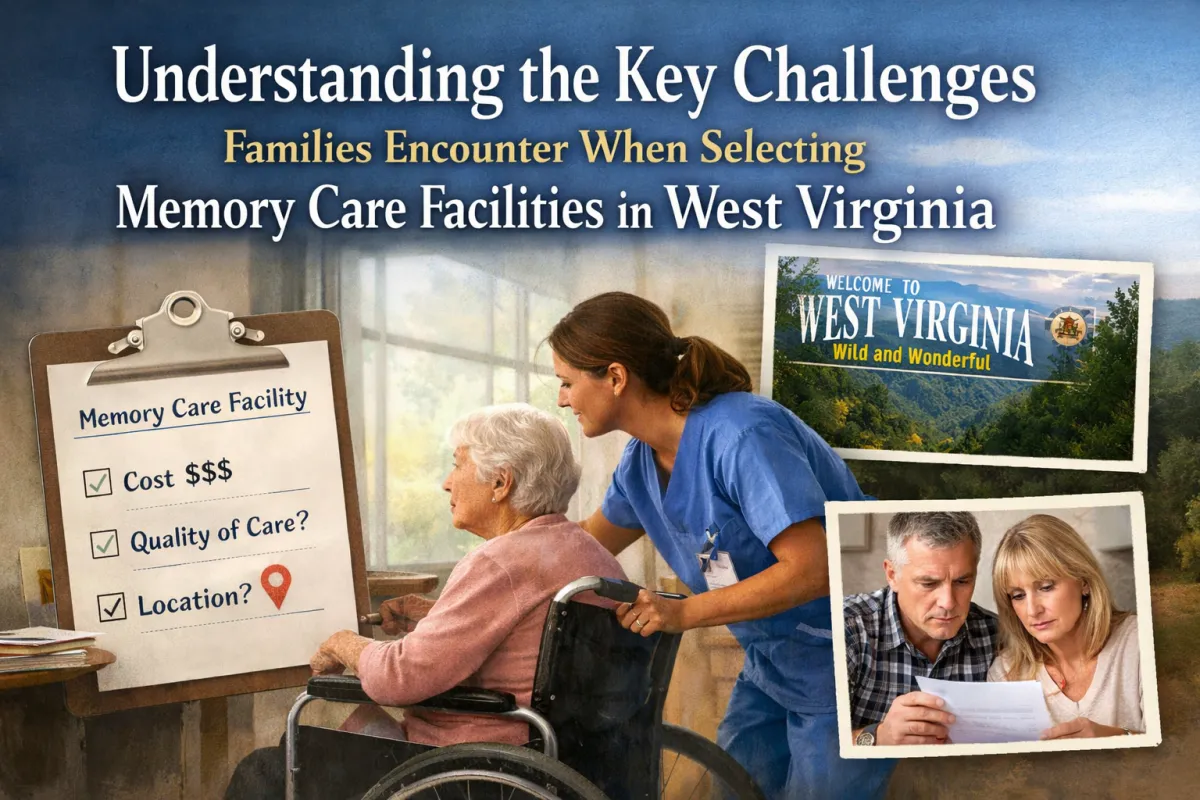
Understanding the Key Challenges Families Encounter When Selecting Memory Care Facilities in West Virginia
Understanding the Key Challenges Families Encounter When Selecting Memory Care Facilities in West Virginia

Choosing the right memory care facility in West Virginia is both an emotional and technical decision that requires balancing safety, quality of care, and financial realities. This guide explains what "memory care" means, clarifies the most common obstacles families face when researching specialized dementia and Alzheimer's services, and lays out a practical roadmap through financial planning, staff-quality assessment, facility design, selection steps, emotional supports, and legal checks. Families will gain concrete questions to ask on tours, a clear look at cost components and aid options in West Virginia, and tactical ways to evaluate staff training and therapeutic programming. The article also maps these decision points to examples from a local provider—Braley Care Homes Inc.—so readers can visualize how a specialized 16-bed, free-standing memory care model addresses many common concerns. Read on for step-by-step guidance that balances emotional support with actionable decision frameworks and local context.
What Are the Financial Challenges of Choosing Memory Care in West Virginia?

Memory care costs involve several moving parts that can make budgeting difficult: base facility fees, care-level charges, medication and clinical oversight, meals and laundry, transportation, and potential extras for therapies or private rooms. The mechanism driving cost variance is the intensity of clinical support and environmental safeguards a facility provides; higher staffing levels, specialized programming, and secure design increase monthly fees while improving safety and outcomes. Understanding typical line items helps families forecast expenses and compare options fairly, which reduces later surprises and enables more effective financial planning. The next sections break down average costs, aid programs, long-term care insurance interactions, and practical planning steps to protect assets and secure needed care.
Different memory care settings bundle services differently, so compare line items rather than headline rates.
| Cost Component | What It Covers | Typical Impact on Budget |
|---|---|---|
| Base Room & Board | Rent or residential fee, meals, housekeeping | Major fixed monthly expense that varies by room type |
| Direct Care & Supervision | ADL assistance, behavioral support, daily oversight | Primary variable tied to level-of-care needs |
| Medical/Medication Management | RN/LPN oversight, medication administration | Adds cost when nursing presence is frequent |
| Specialized Programs | Therapy, activities, pet therapy, outings | Optional but meaningful for quality of life |
| Transportation & Extras | Medical trips, laundry beyond basics | Often billed separately; can add unpredictable costs |
This table clarifies how common cost items combine to form a monthly financial picture, which families should use to compare facilities rather than relying on headline prices alone.
What Is the Average Cost of Memory Care in West Virginia?
Average cost estimates vary widely because facility models and included services differ, but families should expect memory care to be a significant portion of household resources when specialized clinical support and secure environments are required. Key drivers include whether the facility is a dedicated memory care residence, staffing intensity (RN/LPN presence), and the availability of individualized programming and therapies. Small, specialized free-standing facilities designed specifically for dementia care can cost more per resident but often provide higher staff continuity and tailored environments that reduce crisis-driven hospitalizations and improve daily functioning. Comparing what a quoted rate includes—meals, meds, therapy, transportation—helps families understand true monthly burdens.
These cost drivers point to another critical consideration: aid programs and insurance coverage that can offset or complicate payment options.
Which Financial Aid Options Are Available for Memory Care in WV?
Families should evaluate public and private aid channels in West Virginia, including Medicaid eligibility pathways, veteran benefits, long-term care insurance, and local non-profit resources that sometimes provide targeted support for dementia care. Medicaid rules and programs are specific to the state and may cover certain care components if medical eligibility is met, while veteran benefits can assist qualifying veterans for long-term care costs. Charitable organizations and county-level aging services may offer limited assistance or help with application navigation. Early engagement with a benefits specialist or elder-law advisor can clarify eligibility windows and asset rules so families avoid costly missteps.
Understanding the Continuum of Care for Seniors in West Virginia
As a geriatrician, a physician specializing in the care of the elderly, I have found that one of the most interesting as well as challenging aspects of providing geriatric care is understanding all the different types of care available for seniors, and appropriately advising patients and colleagues. I have repeatedly noticed that not only the general public but even many physicians don’t fully appreciate the variety of care settings for seniors. Families need to understand what options are available for their loved ones, and health care providers need to understand what options are available for their patients. Too often I have seen, for example, patients discharged from the hospital on the assumption they can get certain types of tests or followup care in their “nursing home” when in fact the patient lives in an independent or assisted living facility where no such services are available. Therefore it will be helpful to summarize what the aging network calls “the continuum of care,” following the trajectory of a hypothetical senior patient (Mrs. “S.P.”) from independence down to the end of life.
The long-term and post-acute care continuum, 2014
Understanding these aid options leads naturally into how long-term care insurance typically functions for dementia-related claims and what documentation families should prepare.
How Does Long-Term Care Insurance Support Dementia Care Costs?
Long-term care (LTC) insurance can offset many costs of memory care if the policy's benefit triggers apply to cognitive decline and if claim documentation is prepared correctly; common triggers are inability to perform a set number of ADLs or a qualified cognitive impairment diagnosis. Families should review policy language for elimination periods, benefit limits, and whether coverage applies to residential memory care versus home-based care. Gathering medical records, physician statements, and standardized assessment results before filing a claim speeds approval and reduces denials. Consulting an experienced elder-care benefits advisor helps translate policy terms into realistic expectations during placement decisions.
Proper planning and documentation reduce surprise denials and accelerate benefit access, which points to practical financial planning steps families should undertake now.
What Are the Key Considerations for Financial Planning in Memory Care?
Financial planning for memory care should include assembling legal documents (power of attorney, advance directives), creating a realistic monthly budget that accounts for extras, checking insurance and Medicaid eligibility early, and scheduling consultations with elder-law attorneys or certified financial planners experienced in long-term care. Start by listing all expected expenses and comparing them with liquid assets, income streams, and potential benefit sources; then model scenarios for escalating care needs. Families should also discuss contingency plans for sudden behavioral changes that require higher levels of supervision or temporary clinical care. These steps allow smoother transitions and reduce crisis-driven decisions later in the placement process.
Careful financial planning naturally leads into evaluating the quality of a facility's clinical staff and training, because staffing directly affects both outcomes and cost-efficiency.
How Can Families Ensure Quality Care and Staff Expertise in Memory Care Facilities?
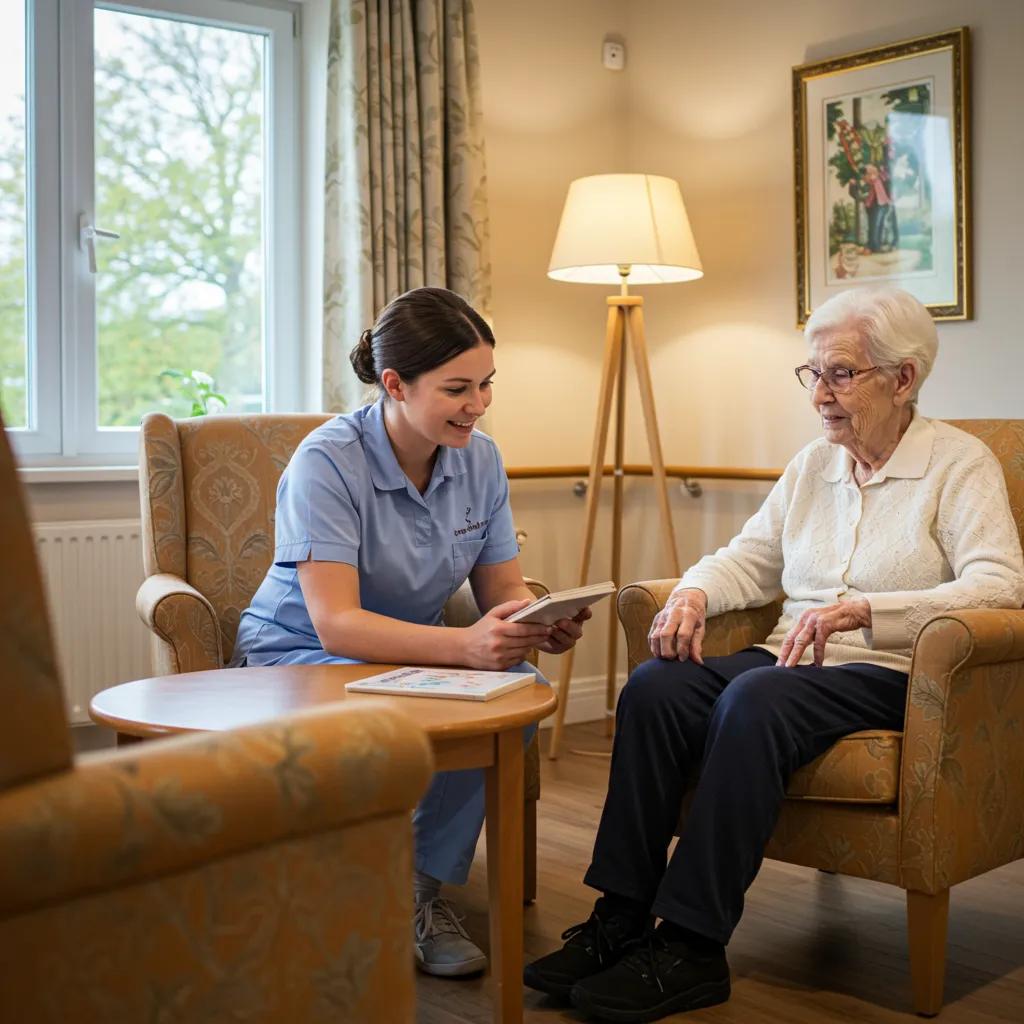
Quality dementia care depends on staff training, appropriate clinical leadership, measurable individualized care plans, and therapeutic programming that matches resident needs, all of which combine to improve safety and quality of life. The mechanism is straightforward: better-trained staff and stronger clinical oversight reduce agitation, prevent medication errors, and support meaningful engagement, which in turn lowers hospitalization risk and improves daily functioning. Families should look for documented staff training programs, on-site RNs or LPNs, licensed clinical social worker involvement, and routine care-plan reviews. Below is a compact checklist of quality indicators families can use during tours and interviews with facility administrators.
Use this checklist to quickly assess observable and documented indicators of care quality during a site visit.
- Staff training records and dementia-specific curricula are available and current.
- Presence of licensed clinical leadership (RN, LPN, licensed social worker) and clear clinical oversight.
- Individualized care plans with behavior profiles and scheduled reviews.
- Therapeutic programming (music, reminiscence, exercise) that shows active resident participation.
- Transparent incident reporting and family communication policies.
| Staff Role | Typical Responsibility | Impact on Resident Outcomes |
|---|---|---|
| Registered Nurse (RN) | Clinical oversight, medication review, care-plan leadership | Improves medication safety and clinical decision-making |
| Licensed Practical Nurse (LPN) | Daily medication administration and wound care support | Ensures consistent clinical tasks and monitoring |
| Licensed Clinical Social Worker (LICSW) | Behavioral assessments, family counseling, care coordination | Supports behavior management and family communication |
What Defines Quality Dementia Care in West Virginia Facilities?
Quality dementia care is defined by consistent, compassionate interactions; evidence of routine training; individualized care plans that address behavioral triggers and ADLs; and transparent policies families can review. Families can observe staff-resident interactions during a visit to evaluate attentiveness, pacing, and respect for dignity, and they should request copies of a sample care plan and training logs. Documented evidence such as recent staff training modules and incident logs provides objective assurance beyond first impressions. Evaluating these items on tour helps families move from subjective impressions to verifiable quality indicators.
Why Is Specialized Alzheimer's and Dementia Training Important for Staff?
Specialized dementia training teaches staff practical intervention techniques—communication strategies, de-escalation, activity-based engagement, and environmental modifications—that reduce agitation and improve cooperation during ADLs. Training that focuses on behavior triggers and non-pharmacologic interventions tends to reduce use of emergency services and improves resident mood and participation. Families should ask facilities what training curricula are used, how often staff are refreshed, and whether leadership (such as a licensed clinical social worker) supervises behavioral care. Training specifics provide a direct link to predictable, safer daily routines for residents, which decreases family stress.
How Do Staff-to-Resident Ratios Affect Memory Care Quality?
Staff-to-resident ratios affect responsiveness to needs, the ability to manage challenging behaviors, and the time available for meaningful engagement; lower ratios (more staff per resident) allow more individualized attention and faster response to wandering or medical needs. Families should ask for typical shift staffing, not just policy ratios, and observe morning and evening routines during visits to see real-world staffing in action. Smaller, relationship-centered facilities often provide more consistent caregiver assignments, which supports continuity and reduces confusion for people with dementia. When staffing is strong, families commonly report fewer care gaps and greater confidence in day-to-day safety.
What Role Do Individualized Care Plans Play in Memory Care?
Individualized care plans translate assessments into daily practice by recording ADL needs, behavioral triggers, communication preferences, therapeutic goals, and medication regimens, and they set measurable review timelines. These plans allow staff to respond proactively, avoid repetitive distress, and personalize activities that preserve identity and function. Families should request the plan review schedule and ask how they will be involved in updates, because family input is often critical to accurate histories and preferences. Effective care plans are living documents that evolve with the resident, improving safety and quality over time.
Which Therapeutic Activities Support Cognitive Stimulation?
Evidence-backed activities that support cognition include structured music therapy, reminiscence groups, gentle daily exercise, pet therapy, and individualized sensory-based interventions that target preserved abilities. The key is personalization: activities should connect to a resident's life story and strengths rather than offering generic group entertainment. Families should observe whether activities produce active engagement—eye contact, participation, and emotional responses—rather than passive attendance. Programs that mix one-on-one moments with small-group options tend to provide the most meaningful cognitive stimulation and social connection.
What Facility Environment and Safety Features Are Essential in Memory Care?
A dementia-friendly facility reduces disorientation and risk through clear wayfinding, appropriate lighting and contrast, secure but humane access control, and safe wandering areas that allow supervised movement. Design features such as single-level layouts, clear sightlines, consistent color cues, and tactile markers support independence by reducing cognitive load. The balance between safety and dignity is achieved by combining locked exterior access with accessible courtyards and small, home-like living spaces that feel familiar rather than institutional. Families should use the following checklist to evaluate environmental and safety features on tours.
Use this checklist to identify dementia-friendly design elements during a site visit.
- Clear signage, consistent cues, and uncluttered sightlines that support wayfinding.
- Secure entrances with monitored exits and safe wandering paths or courtyards.
- Home-like scale and personalized rooms rather than institutional hallways and dormitory layouts.
- Adequate lighting, non-slip flooring, and color contrast to reduce falls and confusion.
- Accessible outdoor spaces that are enclosed but offer sensory stimulation.
| Design Element | Purpose | Observable Benefit |
|---|---|---|
| Wayfinding & Signage | Reduce disorientation | Residents locate rooms and common areas more easily |
| Secure Access Systems | Prevent unsupervised exits | Lowers wandering-related incidents |
| Home-like Living Spaces | Enhance comfort and routine | Improves mood and reduces agitation |
| Enclosed Courtyards | Provide safe outdoor access | Boosts exercise and sensory engagement |
What Are Dementia-Friendly Design Principles in Memory Care Facilities?
Dementia-friendly design emphasizes predictable routes, contrast-rich cues for important objects, minimized background noise, and consistent interior themes that support memory retrieval and independence. Effective layouts often favor small household units with familiar furniture and personal storage, which help residents orient and feel secure. Families can perform quick checks—asking staff to show common routes, looking for repetitive patterns that indicate consistency, and noting whether personal items are displayed in resident rooms. These practical inspections reveal whether a facility has prioritized design choices that reduce daily stress and confusion.
How Do Secure Facilities Prevent Wandering and Ensure Safety?
Secure facilities use a combination of monitored exits, locked perimeters with controlled access, alarmed doors, and safe wandering paths that allow supervised movement without risk of elopement. Protocols for monitoring residents—staff rounds, wearable location devices where appropriate, and documented response plans—are essential to safe operation. Families should ask for the facility's wandering-prevention policies, examples of incident response, and how staff communicate with families after an event. Balanced security maintains resident dignity while safeguarding against the most common memory-care emergencies.
Why Is a Home-Like Environment Important for Memory Care Residents?
A home-like environment reduces institutional cues that can trigger anxiety and agitation, supporting routine, identity, and social connection; smaller scales and familiar household activities foster a sense of belonging and continuity. This atmosphere supports calmer daily routines, easier transitions between activities, and improved participation in meaningful tasks like communal meals and household chores. Families should observe mealtimes and communal spaces to see whether interactions feel natural and whether staff encourage autonomy. A facility that feels like a home often yields better resident engagement and fewer behavior escalations.
How Does Outdoor Access Enhance Resident Well-Being?
Safe outdoor spaces—courtyards, garden paths, and shaded seating—provide sensory stimulation, moderate exercise, and opportunities for sunlight exposure, all of which support sleep regulation and mood. Access to nature reduces agitation and increases social interaction when activities are structured and supervised appropriately. Verify that outdoor areas are accessible year-round, have secure perimeter controls, and include staff supervision plans for walks or garden time. Providing daily, brief outdoor opportunities can improve appetite, sleep, and overall engagement in structured therapeutic programming.
How Should Families Navigate the Complex Process of Selecting a Memory Care Facility?
Navigating placement requires an ordered process: assess needs, set a budget, shortlist facilities, schedule multiple visits at different times of day, request documentation, and coordinate trial stays or transition plans. The mechanism of a staged decision reduces rushed choices: by gathering assessments, observing routines, and comparing care plans, families can make an informed match rather than an expedient placement. Use the numbered guide below as a practical checklist to move from uncertainty to placement with confidence and measurable checkpoints.
Follow these practical steps to structure the selection process and avoid common pitfalls.
- Complete a needs assessment that documents ADLs, behaviors, and medical requirements.
- Create a realistic budget and verify available benefits, insurance, or public aid.
- Shortlist facilities based on quality indicators, schedule multiple visits, and observe daily routines.
- Request sample care plans, training logs, staffing schedules, and inspection histories.
- Plan a transition timeline that includes trial stays, family orientation, and reassessment checkpoints.
| Setting | Services Offered | Typical Use Case |
|---|---|---|
| Memory Care | Secure environment, dementia-trained staff, individualized plans | For residents with moderate to severe cognitive impairment needing supervision |
| Assisted Living | Personal care and social services with more independence | For residents needing help with ADLs but with lower behavioral needs |
| Nursing Home / Skilled Nursing | 24/7 clinical care, skilled nursing services | For residents requiring medical or skilled nursing interventions |
What Are the Key Steps in Choosing the Right Memory Care Facility?
Start with a formal assessment of needs that details ADLs, behavioral triggers, and medical complexity, then align that assessment with realistic budget scenarios and available supports. Shortlist facilities that match the clinical profile and schedule multiple visits at different times to observe staff interactions, meals, and activity engagement. Request and compare sample care plans, staff training documentation, and incident reporting procedures to ensure transparency. Finally, plan for a trial or phased transition with clear reassessment timelines to adjust placement if needed.
Which Questions Should Families Ask During Facility Tours?
Prioritize questions that reveal operational practice: "How often are care plans reviewed?", "What is your staffing schedule and typical staff-to-resident ratio on each shift?", "How do you handle behavioral incidents and family communication?", and "What activities and therapies are individualized versus group-based?" Request examples of staff training content and evidence of recent staff refreshers. These questions elicit specific, verifiable answers that separate marketing from actual practice and help families prioritize safety and daily lived experience.
How Do Care Assessments and Behavior Profiles Inform Placement?
Care assessments compile medical history, ADL function, behavioral triggers, and social preferences to create a behavior profile that matches residents to facilities equipped to meet those needs; the assessment guides medication plans, staffing levels, and therapeutic programming. Families should request copies of assessment tools used and ask how reassessments are scheduled when needs change. A facility that tailors placement based on detailed behavior profiles minimizes mismatches that lead to rapid relocations or crisis care. Transparency in the assessment-to-placement pathway demonstrates responsible clinical matching.
What Are the Differences Between Memory Care, Assisted Living, and Nursing Homes in WV?
Memory care specializes in dementia-focused programming, secure environments, and staff trained in behavioral interventions; assisted living emphasizes independence with personal care supports and social activities; nursing homes provide skilled medical and rehabilitative services under 24/7 nursing oversight. Choosing among them depends on cognitive function, medical complexity, and behavioral safety needs. Memory care is the right match when wandering, significant behavioral symptoms, or progressive cognitive decline require specialized design, routines, and staff training. Understanding these distinctions helps families choose the correct level of supervision and clinical support.
What Emotional and Caregiver Support Challenges Do Families Face When Selecting Memory Care?
Deciding to place a loved one in memory care often triggers guilt, grief, relief, and uncertainty simultaneously, and families must balance emotional responses with practical responsibilities like financial planning and legal tasks. Recognizing that these feelings are normal reduces isolation; structured coping strategies—family meetings, counseling, support groups—help families make decisions more clearly. Practical tools such as checklists, transition timelines, and designated family point-people reduce friction and clarify roles during move-in. Below are resources and tactics to manage the emotional transition while maintaining active involvement in care.
How Can Families Cope with the Emotional Decision to Place a Loved One?
Families can cope by creating decision frameworks that separate emotion from logistics—set objective criteria for placement, hold family meetings to distribute responsibilities, and seek professional counseling or support groups for grief and role transitions. Maintaining rituals and frequent communication during the move-in period helps preserve family bonds and reduces guilt. Families should also prepare to celebrate small wins and monitor their own health to prevent burnout. These behavioral strategies preserve long-term involvement and improve outcomes for both caregivers and residents.
What Resources Support Caregivers During the Transition to Memory Care?
Caregivers benefit from connections to local aging services, Alzheimer's Association chapters, respite care options, and elder-law attorneys who specialize in long-term care planning; these resources offer education, legal guidance, and temporary relief for overwhelmed families. County-level aging offices often provide assessment assistance and can point families to support groups and counseling services. National organizations supply caregiver training, safety checklists, and guidance for crisis planning, all of which reduce isolation and enhance decision quality. Leveraging these resources early creates a support network that sustains families beyond placement.
How Can Families Stay Involved and Connected After Placement?
Families remain central to quality by participating in care-plan meetings, scheduling regular visits that focus on relationship-building rather than inspection, using simple technology for remote check-ins, and volunteering for activities that match the resident's interests. Establish a single family liaison to streamline communications and set regular review dates for care-plan updates. Meaningful involvement—bringing familiar photos, participating in favorite activities, or sharing music—supports identity and reduces confusion for residents. This ongoing partnership improves resident wellbeing while keeping families informed and reassured.
What Are Common Emotional Challenges for Caregivers in WV?
Caregivers in West Virginia may confront rural access issues, limited local service variety in some counties, and travel burdens for family members, which can heighten stress and limit respite options. Burnout signs include sleep disruption, irritability, social withdrawal, and neglect of personal health, and families should address these early by accessing respite services and support networks. Local aging offices and statewide Alzheimer's resources can identify county-based programs or transportation supports that mitigate access barriers. Recognizing warning signs and seeking help promptly prevents crises and preserves caregiver capacity over time.
How Does Braley Care Homes Address the Unique Challenges of Memory Care in West Virginia?
Braley Care Homes Inc., a specialized memory care facility in Hurricane, West Virginia, was founded in 2005 with a dedicated focus on Alzheimer's, dementia, and memory care and is described as the only free-standing facility of its kind in the state; this focused model addresses many decision points families face by combining a home-like scale with dementia-specific staffing and safety features. The facility's design, staffing mix, and assessment processes map directly to the quality indicators and environmental features outlined earlier, offering families a concrete example of how specialized care models operate. Below we outline Braley Care Homes' specific attributes mapped to family concerns and explain how they support transitions and ongoing family involvement.
This section uses Braley Care Homes as a local example to illustrate best-practice features families should seek, not as an exhaustive endorsement.
What Makes Braley Care Homes a Specialized Memory Care Facility?
Braley Care Homes emphasizes a free-standing, memory-focused model that concentrates expertise and resources on residents with Alzheimer's and other dementias, avoiding the split-program model where memory care is a wing of a larger community. The facility's small-scale, relationship-centered design supports consistent caregiver assignments and individualized attention, which helps reduce agitation and preserves identity. For families seeking specialized services in West Virginia, this model demonstrates how dedicated programs can align staff training, programming, and safety infrastructure purely around dementia care needs. Understanding this differentiation helps families weigh the trade-offs between specialized and mixed-model options.
How Does Braley Care Homes Provide a Home-Like and Safe Environment?
Braley Care Homes occupies a 16-bed building designed for memory care, featuring 24-hour locked security, safe wandering areas, and an enclosed courtyard that enables outdoor access without compromising safety; these elements mirror the dementia-friendly principles families should look for during tours. The small capacity and home-like arrangements foster personalized spaces and routines, which promote calm and consistent daily rhythms for residents. Families touring similar facilities should ask to see common areas during active hours and request to observe or review outdoor access protocols. These observable features illustrate how environment directly supports safety and of life in memory care settings.
What Expertise and Training Do Braley Care Homes Staff Offer?
Braley Care Homes lists a staffing complement that includes RNs, LPNs, and leadership from a Licensed Independent Clinical Social Worker (LICSW), indicating clinical oversight and behavioral expertise that align with best-practice indicators for memory care. This mix supports medication management, behavior profiling, and family counseling, and signals a commitment to ongoing dementia-focused training that reduces crisis-driven transfers. Families evaluating facilities should request examples of staff training programs and ask how the LICSW contributes to individualized care plans and family communication. Observing staff credentials and role clarity offers measurable assurance about daily clinical competence.
How Does Braley Care Homes Support Families Through the Selection Process?
Braley Care Homes provides assessment and placement support via family assessment forms and behavior profiling, followed by individualized care planning and guided transitions to reduce disruption for residents and families. The facility's assessment process helps match resident needs to service capabilities and creates a documented pathway for reassessment and plan updates. To build trust with families researching long-term care options and convert website visitors into leads by encouraging calls, tours, or placement inquiries. Families should expect a clear orientation, scheduled follow-up meetings, and a named staff contact who coordinates move-in logistics and family communication.
Ready to Learn More or Apply?
Explore our services, schedule a tour, or begin the application process for your loved one.
What Are the Legal and Regulatory Considerations for Memory Care Facilities in West Virginia?
Understanding state regulatory frameworks, resident rights, and contract terms helps families verify compliance and protect their loved ones; in West Virginia, families should confirm licensing, inspection history, staffing compliance, and documented resident protections. OHFLAC regulations set baseline safety, staffing, and reporting standards that facilities must meet, but families can and should ask for the facility's recent inspection history and license number to verify compliance. Contract clauses—regarding fees, termination policies, and liability—require careful review and, when needed, consultation with an elder-law attorney. The following checklist summarizes key regulatory and contractual items families should verify before signing an agreement.
Use this checklist to confirm regulatory compliance and protect resident rights.
- Ask for the facility license number and recent inspection reports to verify OHFLAC compliance.
- Request the facility's staffing schedules and training documentation to confirm regulatory staffing levels.
- Review contract clauses for fee structure, termination policy, and dispute resolution with legal counsel if needed.
- Confirm policies on resident rights, incident reporting, and family communication procedures.
What Are West Virginia's OHFLAC Regulations for Memory Care?
OHFLAC establishes licensing, staffing, safety standards, and inspection regimes for long-term care facilities in West Virginia; families should request the facility's license number and inspection history and ask how the facility meets or exceeds baseline requirements for dementia care. Key areas to verify include documented staffing levels, medication administration protocols, infection control policies, and emergency response procedures. Facilities that exceed minimum standards often maintain additional clinical staff or enhanced training records—both of which families should request during visits. Confirming these elements provides objective assurance that regulatory expectations are actively met.
What Resident Rights Should Families Know About?
Residents retain rights to dignity, privacy, informed consent, choice of activities, and clear information about their care plans and charges, and families should expect facilities to have written policies that protect these rights. When rights are respected in practice, families observe transparent communication, involvement in care-plan updates, and respectful handling of personal possessions and private information. If rights appear compromised, families should document instances, escalate to facility leadership, and contact oversight authorities as needed. Understanding resident rights empowers families to advocate effectively and maintain accountability.
How Do Memory Care Contracts Affect Families?
Memory care contracts define fees, included services, termination conditions, responsibilities for clinical changes, and dispute resolution mechanisms; families should carefully review what is included versus billed as extra and note any automatic fee increases or restrictive termination clauses. Look for clarity around liability, procedures for transferring to higher-level care, and guaranteed notice periods for fee changes or contract termination. When in doubt, consult an elder-law attorney to clarify obligations and negotiate reasonable terms that protect both resident well-being and family finances. Clear, fair contracts reduce later conflict and ensure families understand the facility's operational boundaries.
Frequently Asked Questions
What should families consider when touring memory care facilities?
When touring memory care facilities, families should focus on several key aspects. Observe staff interactions with residents to gauge attentiveness and compassion. Check for cleanliness and safety features, such as secure entrances and clear signage. Ask about staff training and the facility's approach to individualized care plans. Additionally, inquire about daily activities and how they cater to residents' cognitive needs. Taking notes during visits can help families compare facilities later and make informed decisions based on their observations.
How can families assess the emotional readiness for memory care placement?
Assessing emotional readiness for memory care placement involves open communication among family members. Families should discuss feelings of guilt, anxiety, or relief and recognize that these emotions are normal. Setting clear criteria for placement can help separate emotional responses from practical needs. Engaging in family meetings or seeking professional counseling can provide support and clarity. It’s essential to acknowledge the emotional journey and ensure that all family members feel heard and involved in the decision-making process.
What role do support groups play in the memory care decision process?
Support groups can be invaluable for families navigating the memory care decision process. They provide a safe space to share experiences, feelings, and challenges with others facing similar situations. Members can exchange practical advice, resources, and coping strategies, which can alleviate feelings of isolation. Additionally, support groups often offer insights into local facilities and services, helping families make informed choices. Engaging with a community of peers can enhance emotional resilience and provide ongoing encouragement throughout the transition.
How can families ensure ongoing communication with memory care staff?
To ensure ongoing communication with memory care staff, families should establish a primary point of contact within the facility, such as a designated care coordinator. Regularly scheduled meetings to discuss care plans and resident progress can foster transparency. Families should also feel empowered to ask questions and express concerns at any time. Utilizing technology, such as video calls or messaging apps, can facilitate communication, especially for families who may not be able to visit frequently. Consistent dialogue helps maintain a collaborative relationship focused on the resident's well-being.
What are the signs that a memory care facility is providing quality care?
Signs of quality care in a memory care facility include high staff-to-resident ratios, which allow for personalized attention and timely responses to needs. Observing staff interactions that are respectful and engaging is crucial. Facilities should have documented care plans that are regularly reviewed and updated. Additionally, a variety of therapeutic activities tailored to residents' interests and abilities indicates a commitment to enhancing quality of life. Families should also look for positive feedback from current residents and their families regarding their experiences.
How can families prepare for the transition to memory care?
Preparing for the transition to memory care involves several proactive steps. Families should create a detailed care plan that outlines the resident's needs, preferences, and routines. Organizing important documents, such as medical records and legal paperwork, is essential. Involving the resident in the process, when possible, can help ease anxiety. Families should also plan for a gradual transition, which may include trial stays or visits to the facility before the move. Open communication about the changes can help everyone adjust more smoothly.

Understanding the Key Challenges Families Encounter When Selecting Memory Care Facilities in West Virginia
Understanding the Key Challenges Families Encounter When Selecting Memory Care Facilities in West Virginia
Choosing the right memory care facility in West Virginia is both an emotional and technical decision that requires balancing safety, quality of care, and financial realities. This guide explains what "memory care" means, clarifies the most common obstacles families face when researching specialized dementia and Alzheimer's services, and lays out a practical roadmap through financial planning, staff-quality assessment, facility design, selection steps, emotional supports, and legal checks. Families will gain concrete questions to ask on tours, a clear look at cost components and aid options in West Virginia, and tactical ways to evaluate staff training and therapeutic programming. The article also maps these decision points to examples from a local provider—Braley Care Homes Inc.—so readers can visualize how a specialized 16-bed, free-standing memory care model addresses many common concerns. Read on for step-by-step guidance that balances emotional support with actionable decision frameworks and local context.
What Are the Financial Challenges of Choosing Memory Care in West Virginia?
Memory care costs involve several moving parts that can make budgeting difficult: base facility fees, care-level charges, medication and clinical oversight, meals and laundry, transportation, and potential extras for therapies or private rooms. The mechanism driving cost variance is the intensity of clinical support and environmental safeguards a facility provides; higher staffing levels, specialized programming, and secure design increase monthly fees while improving safety and outcomes. Understanding typical line items helps families forecast expenses and compare options fairly, which reduces later surprises and enables more effective financial planning. The next sections break down average costs, aid programs, long-term care insurance interactions, and practical planning steps to protect assets and secure needed care.
Different memory care settings bundle services differently, so compare line items rather than headline rates.
| Cost Component | What It Covers | Typical Impact on Budget |
|---|---|---|
| Base Room & Board | Rent or residential fee, meals, housekeeping | Major fixed monthly expense that varies by room type |
| Direct Care & Supervision | ADL assistance, behavioral support, daily oversight | Primary variable tied to level-of-care needs |
| Medical/Medication Management | RN/LPN oversight, medication administration | Adds cost when nursing presence is frequent |
| Specialized Programs | Therapy, activities, pet therapy, outings | Optional but meaningful for quality of life |
| Transportation & Extras | Medical trips, laundry beyond basics | Often billed separately; can add unpredictable costs |
This table clarifies how common cost items combine to form a monthly financial picture, which families should use to compare facilities rather than relying on headline prices alone.
What Is the Average Cost of Memory Care in West Virginia?
Average cost estimates vary widely because facility models and included services differ, but families should expect memory care to be a significant portion of household resources when specialized clinical support and secure environments are required. Key drivers include whether the facility is a dedicated memory care residence, staffing intensity (RN/LPN presence), and the availability of individualized programming and therapies. Small, specialized free-standing facilities designed specifically for dementia care can cost more per resident but often provide higher staff continuity and tailored environments that reduce crisis-driven hospitalizations and improve daily functioning. Comparing what a quoted rate includes—meals, meds, therapy, transportation—helps families understand true monthly burdens.
These cost drivers point to another critical consideration: aid programs and insurance coverage that can offset or complicate payment options.
Which Financial Aid Options Are Available for Memory Care in WV?
Families should evaluate public and private aid channels in West Virginia, including Medicaid eligibility pathways, veteran benefits, long-term care insurance, and local non-profit resources that sometimes provide targeted support for dementia care. Medicaid rules and programs are specific to the state and may cover certain care components if medical eligibility is met, while veteran benefits can assist qualifying veterans for long-term care costs. Charitable organizations and county-level aging services may offer limited assistance or help with application navigation. Early engagement with a benefits specialist or elder-law advisor can clarify eligibility windows and asset rules so families avoid costly missteps.
Understanding the Continuum of Care for Seniors in West Virginia
As a geriatrician, a physician specializing in the care of the elderly, I have found that one of the most interesting as well as challenging aspects of providing geriatric care is understanding all the different types of care available for seniors, and appropriately advising patients and colleagues. I have repeatedly noticed that not only the general public but even many physicians don’t fully appreciate the variety of care settings for seniors. Families need to understand what options are available for their loved ones, and health care providers need to understand what options are available for their patients. Too often I have seen, for example, patients discharged from the hospital on the assumption they can get certain types of tests or followup care in their “nursing home” when in fact the patient lives in an independent or assisted living facility where no such services are available. Therefore it will be helpful to summarize what the aging network calls “the continuum of care,” following the trajectory of a hypothetical senior patient (Mrs. “S.P.”) from independence down to the end of life.
The long-term and post-acute care continuum, 2014
Understanding these aid options leads naturally into how long-term care insurance typically functions for dementia-related claims and what documentation families should prepare.
How Does Long-Term Care Insurance Support Dementia Care Costs?
Long-term care (LTC) insurance can offset many costs of memory care if the policy's benefit triggers apply to cognitive decline and if claim documentation is prepared correctly; common triggers are inability to perform a set number of ADLs or a qualified cognitive impairment diagnosis. Families should review policy language for elimination periods, benefit limits, and whether coverage applies to residential memory care versus home-based care. Gathering medical records, physician statements, and standardized assessment results before filing a claim speeds approval and reduces denials. Consulting an experienced elder-care benefits advisor helps translate policy terms into realistic expectations during placement decisions.
Proper planning and documentation reduce surprise denials and accelerate benefit access, which points to practical financial planning steps families should undertake now.
What Are the Key Considerations for Financial Planning in Memory Care?
Financial planning for memory care should include assembling legal documents (power of attorney, advance directives), creating a realistic monthly budget that accounts for extras, checking insurance and Medicaid eligibility early, and scheduling consultations with elder-law attorneys or certified financial planners experienced in long-term care. Start by listing all expected expenses and comparing them with liquid assets, income streams, and potential benefit sources; then model scenarios for escalating care needs. Families should also discuss contingency plans for sudden behavioral changes that require higher levels of supervision or temporary clinical care. These steps allow smoother transitions and reduce crisis-driven decisions later in the placement process.
Careful financial planning naturally leads into evaluating the quality of a facility's clinical staff and training, because staffing directly affects both outcomes and cost-efficiency.
How Can Families Ensure Quality Care and Staff Expertise in Memory Care Facilities?
Quality dementia care depends on staff training, appropriate clinical leadership, measurable individualized care plans, and therapeutic programming that matches resident needs, all of which combine to improve safety and quality of life. The mechanism is straightforward: better-trained staff and stronger clinical oversight reduce agitation, prevent medication errors, and support meaningful engagement, which in turn lowers hospitalization risk and improves daily functioning. Families should look for documented staff training programs, on-site RNs or LPNs, licensed clinical social worker involvement, and routine care-plan reviews. Below is a compact checklist of quality indicators families can use during tours and interviews with facility administrators.
Use this checklist to quickly assess observable and documented indicators of care quality during a site visit.
- Staff training records and dementia-specific curricula are available and current.
- Presence of licensed clinical leadership (RN, LPN, licensed social worker) and clear clinical oversight.
- Individualized care plans with behavior profiles and scheduled reviews.
- Therapeutic programming (music, reminiscence, exercise) that shows active resident participation.
- Transparent incident reporting and family communication policies.
| Staff Role | Typical Responsibility | Impact on Resident Outcomes |
|---|---|---|
| Registered Nurse (RN) | Clinical oversight, medication review, care-plan leadership | Improves medication safety and clinical decision-making |
| Licensed Practical Nurse (LPN) | Daily medication administration and wound care support | Ensures consistent clinical tasks and monitoring |
| Licensed Clinical Social Worker (LICSW) | Behavioral assessments, family counseling, care coordination | Supports behavior management and family communication |
What Defines Quality Dementia Care in West Virginia Facilities?
Quality dementia care is defined by consistent, compassionate interactions; evidence of routine training; individualized care plans that address behavioral triggers and ADLs; and transparent policies families can review. Families can observe staff-resident interactions during a visit to evaluate attentiveness, pacing, and respect for dignity, and they should request copies of a sample care plan and training logs. Documented evidence such as recent staff training modules and incident logs provides objective assurance beyond first impressions. Evaluating these items on tour helps families move from subjective impressions to verifiable quality indicators.
Why Is Specialized Alzheimer's and Dementia Training Important for Staff?
Specialized dementia training teaches staff practical intervention techniques—communication strategies, de-escalation, activity-based engagement, and environmental modifications—that reduce agitation and improve cooperation during ADLs. Training that focuses on behavior triggers and non-pharmacologic interventions tends to reduce use of emergency services and improves resident mood and participation. Families should ask facilities what training curricula are used, how often staff are refreshed, and whether leadership (such as a licensed clinical social worker) supervises behavioral care. Training specifics provide a direct link to predictable, safer daily routines for residents, which decreases family stress.
How Do Staff-to-Resident Ratios Affect Memory Care Quality?
Staff-to-resident ratios affect responsiveness to needs, the ability to manage challenging behaviors, and the time available for meaningful engagement; lower ratios (more staff per resident) allow more individualized attention and faster response to wandering or medical needs. Families should ask for typical shift staffing, not just policy ratios, and observe morning and evening routines during visits to see real-world staffing in action. Smaller, relationship-centered facilities often provide more consistent caregiver assignments, which supports continuity and reduces confusion for people with dementia. When staffing is strong, families commonly report fewer care gaps and greater confidence in day-to-day safety.
What Role Do Individualized Care Plans Play in Memory Care?
Individualized care plans translate assessments into daily practice by recording ADL needs, behavioral triggers, communication preferences, therapeutic goals, and medication regimens, and they set measurable review timelines. These plans allow staff to respond proactively, avoid repetitive distress, and personalize activities that preserve identity and function. Families should request the plan review schedule and ask how they will be involved in updates, because family input is often critical to accurate histories and preferences. Effective care plans are living documents that evolve with the resident, improving safety and quality over time.
Which Therapeutic Activities Support Cognitive Stimulation?
Evidence-backed activities that support cognition include structured music therapy, reminiscence groups, gentle daily exercise, pet therapy, and individualized sensory-based interventions that target preserved abilities. The key is personalization: activities should connect to a resident's life story and strengths rather than offering generic group entertainment. Families should observe whether activities produce active engagement—eye contact, participation, and emotional responses—rather than passive attendance. Programs that mix one-on-one moments with small-group options tend to provide the most meaningful cognitive stimulation and social connection.
What Facility Environment and Safety Features Are Essential in Memory Care?
A dementia-friendly facility reduces disorientation and risk through clear wayfinding, appropriate lighting and contrast, secure but humane access control, and safe wandering areas that allow supervised movement. Design features such as single-level layouts, clear sightlines, consistent color cues, and tactile markers support independence by reducing cognitive load. The balance between safety and dignity is achieved by combining locked exterior access with accessible courtyards and small, home-like living spaces that feel familiar rather than institutional. Families should use the following checklist to evaluate environmental and safety features on tours.
Use this checklist to identify dementia-friendly design elements during a site visit.
- Clear signage, consistent cues, and uncluttered sightlines that support wayfinding.
- Secure entrances with monitored exits and safe wandering paths or courtyards.
- Home-like scale and personalized rooms rather than institutional hallways and dormitory layouts.
- Adequate lighting, non-slip flooring, and color contrast to reduce falls and confusion.
- Accessible outdoor spaces that are enclosed but offer sensory stimulation.
| Design Element | Purpose | Observable Benefit |
|---|---|---|
| Wayfinding & Signage | Reduce disorientation | Residents locate rooms and common areas more easily |
| Secure Access Systems | Prevent unsupervised exits | Lowers wandering-related incidents |
| Home-like Living Spaces | Enhance comfort and routine | Improves mood and reduces agitation |
| Enclosed Courtyards | Provide safe outdoor access | Boosts exercise and sensory engagement |
What Are Dementia-Friendly Design Principles in Memory Care Facilities?
Dementia-friendly design emphasizes predictable routes, contrast-rich cues for important objects, minimized background noise, and consistent interior themes that support memory retrieval and independence. Effective layouts often favor small household units with familiar furniture and personal storage, which help residents orient and feel secure. Families can perform quick checks—asking staff to show common routes, looking for repetitive patterns that indicate consistency, and noting whether personal items are displayed in resident rooms. These practical inspections reveal whether a facility has prioritized design choices that reduce daily stress and confusion.
How Do Secure Facilities Prevent Wandering and Ensure Safety?
Secure facilities use a combination of monitored exits, locked perimeters with controlled access, alarmed doors, and safe wandering paths that allow supervised movement without risk of elopement. Protocols for monitoring residents—staff rounds, wearable location devices where appropriate, and documented response plans—are essential to safe operation. Families should ask for the facility's wandering-prevention policies, examples of incident response, and how staff communicate with families after an event. Balanced security maintains resident dignity while safeguarding against the most common memory-care emergencies.
Why Is a Home-Like Environment Important for Memory Care Residents?
A home-like environment reduces institutional cues that can trigger anxiety and agitation, supporting routine, identity, and social connection; smaller scales and familiar household activities foster a sense of belonging and continuity. This atmosphere supports calmer daily routines, easier transitions between activities, and improved participation in meaningful tasks like communal meals and household chores. Families should observe mealtimes and communal spaces to see whether interactions feel natural and whether staff encourage autonomy. A facility that feels like a home often yields better resident engagement and fewer behavior escalations.
How Does Outdoor Access Enhance Resident Well-Being?
Safe outdoor spaces—courtyards, garden paths, and shaded seating—provide sensory stimulation, moderate exercise, and opportunities for sunlight exposure, all of which support sleep regulation and mood. Access to nature reduces agitation and increases social interaction when activities are structured and supervised appropriately. Verify that outdoor areas are accessible year-round, have secure perimeter controls, and include staff supervision plans for walks or garden time. Providing daily, brief outdoor opportunities can improve appetite, sleep, and overall engagement in structured therapeutic programming.
How Should Families Navigate the Complex Process of Selecting a Memory Care Facility?
Navigating placement requires an ordered process: assess needs, set a budget, shortlist facilities, schedule multiple visits at different times of day, request documentation, and coordinate trial stays or transition plans. The mechanism of a staged decision reduces rushed choices: by gathering assessments, observing routines, and comparing care plans, families can make an informed match rather than an expedient placement. Use the numbered guide below as a practical checklist to move from uncertainty to placement with confidence and measurable checkpoints.
Follow these practical steps to structure the selection process and avoid common pitfalls.
- Complete a needs assessment that documents ADLs, behaviors, and medical requirements.
- Create a realistic budget and verify available benefits, insurance, or public aid.
- Shortlist facilities based on quality indicators, schedule multiple visits, and observe daily routines.
- Request sample care plans, training logs, staffing schedules, and inspection histories.
- Plan a transition timeline that includes trial stays, family orientation, and reassessment checkpoints.
| Setting | Services Offered | Typical Use Case |
|---|---|---|
| Memory Care | Secure environment, dementia-trained staff, individualized plans | For residents with moderate to severe cognitive impairment needing supervision |
| Assisted Living | Personal care and social services with more independence | For residents needing help with ADLs but with lower behavioral needs |
| Nursing Home / Skilled Nursing | 24/7 clinical care, skilled nursing services | For residents requiring medical or skilled nursing interventions |
What Are the Key Steps in Choosing the Right Memory Care Facility?
Start with a formal assessment of needs that details ADLs, behavioral triggers, and medical complexity, then align that assessment with realistic budget scenarios and available supports. Shortlist facilities that match the clinical profile and schedule multiple visits at different times to observe staff interactions, meals, and activity engagement. Request and compare sample care plans, staff training documentation, and incident reporting procedures to ensure transparency. Finally, plan for a trial or phased transition with clear reassessment timelines to adjust placement if needed.
Which Questions Should Families Ask During Facility Tours?
Prioritize questions that reveal operational practice: "How often are care plans reviewed?", "What is your staffing schedule and typical staff-to-resident ratio on each shift?", "How do you handle behavioral incidents and family communication?", and "What activities and therapies are individualized versus group-based?" Request examples of staff training content and evidence of recent staff refreshers. These questions elicit specific, verifiable answers that separate marketing from actual practice and help families prioritize safety and daily lived experience.
How Do Care Assessments and Behavior Profiles Inform Placement?
Care assessments compile medical history, ADL function, behavioral triggers, and social preferences to create a behavior profile that matches residents to facilities equipped to meet those needs; the assessment guides medication plans, staffing levels, and therapeutic programming. Families should request copies of assessment tools used and ask how reassessments are scheduled when needs change. A facility that tailors placement based on detailed behavior profiles minimizes mismatches that lead to rapid relocations or crisis care. Transparency in the assessment-to-placement pathway demonstrates responsible clinical matching.
What Are the Differences Between Memory Care, Assisted Living, and Nursing Homes in WV?
Memory care specializes in dementia-focused programming, secure environments, and staff trained in behavioral interventions; assisted living emphasizes independence with personal care supports and social activities; nursing homes provide skilled medical and rehabilitative services under 24/7 nursing oversight. Choosing among them depends on cognitive function, medical complexity, and behavioral safety needs. Memory care is the right match when wandering, significant behavioral symptoms, or progressive cognitive decline require specialized design, routines, and staff training. Understanding these distinctions helps families choose the correct level of supervision and clinical support.
What Emotional and Caregiver Support Challenges Do Families Face When Selecting Memory Care?
Deciding to place a loved one in memory care often triggers guilt, grief, relief, and uncertainty simultaneously, and families must balance emotional responses with practical responsibilities like financial planning and legal tasks. Recognizing that these feelings are normal reduces isolation; structured coping strategies—family meetings, counseling, support groups—help families make decisions more clearly. Practical tools such as checklists, transition timelines, and designated family point-people reduce friction and clarify roles during move-in. Below are resources and tactics to manage the emotional transition while maintaining active involvement in care.
How Can Families Cope with the Emotional Decision to Place a Loved One?
Families can cope by creating decision frameworks that separate emotion from logistics—set objective criteria for placement, hold family meetings to distribute responsibilities, and seek professional counseling or support groups for grief and role transitions. Maintaining rituals and frequent communication during the move-in period helps preserve family bonds and reduces guilt. Families should also prepare to celebrate small wins and monitor their own health to prevent burnout. These behavioral strategies preserve long-term involvement and improve outcomes for both caregivers and residents.
What Resources Support Caregivers During the Transition to Memory Care?
Caregivers benefit from connections to local aging services, Alzheimer's Association chapters, respite care options, and elder-law attorneys who specialize in long-term care planning; these resources offer education, legal guidance, and temporary relief for overwhelmed families. County-level aging offices often provide assessment assistance and can point families to support groups and counseling services. National organizations supply caregiver training, safety checklists, and guidance for crisis planning, all of which reduce isolation and enhance decision quality. Leveraging these resources early creates a support network that sustains families beyond placement.
How Can Families Stay Involved and Connected After Placement?
Families remain central to quality by participating in care-plan meetings, scheduling regular visits that focus on relationship-building rather than inspection, using simple technology for remote check-ins, and volunteering for activities that match the resident's interests. Establish a single family liaison to streamline communications and set regular review dates for care-plan updates. Meaningful involvement—bringing familiar photos, participating in favorite activities, or sharing music—supports identity and reduces confusion for residents. This ongoing partnership improves resident wellbeing while keeping families informed and reassured.
What Are Common Emotional Challenges for Caregivers in WV?
Caregivers in West Virginia may confront rural access issues, limited local service variety in some counties, and travel burdens for family members, which can heighten stress and limit respite options. Burnout signs include sleep disruption, irritability, social withdrawal, and neglect of personal health, and families should address these early by accessing respite services and support networks. Local aging offices and statewide Alzheimer's resources can identify county-based programs or transportation supports that mitigate access barriers. Recognizing warning signs and seeking help promptly prevents crises and preserves caregiver capacity over time.
How Does Braley Care Homes Address the Unique Challenges of Memory Care in West Virginia?
Braley Care Homes Inc., a specialized memory care facility in Hurricane, West Virginia, was founded in 2005 with a dedicated focus on Alzheimer's, dementia, and memory care and is described as the only free-standing facility of its kind in the state; this focused model addresses many decision points families face by combining a home-like scale with dementia-specific staffing and safety features. The facility's design, staffing mix, and assessment processes map directly to the quality indicators and environmental features outlined earlier, offering families a concrete example of how specialized care models operate. Below we outline Braley Care Homes' specific attributes mapped to family concerns and explain how they support transitions and ongoing family involvement.
This section uses Braley Care Homes as a local example to illustrate best-practice features families should seek, not as an exhaustive endorsement.
What Makes Braley Care Homes a Specialized Memory Care Facility?
Braley Care Homes emphasizes a free-standing, memory-focused model that concentrates expertise and resources on residents with Alzheimer's and other dementias, avoiding the split-program model where memory care is a wing of a larger community. The facility's small-scale, relationship-centered design supports consistent caregiver assignments and individualized attention, which helps reduce agitation and preserves identity. For families seeking specialized services in West Virginia, this model demonstrates how dedicated programs can align staff training, programming, and safety infrastructure purely around dementia care needs. Understanding this differentiation helps families weigh the trade-offs between specialized and mixed-model options.
How Does Braley Care Homes Provide a Home-Like and Safe Environment?
Braley Care Homes occupies a 16-bed building designed for memory care, featuring 24-hour locked security, safe wandering areas, and an enclosed courtyard that enables outdoor access without compromising safety; these elements mirror the dementia-friendly principles families should look for during tours. The small capacity and home-like arrangements foster personalized spaces and routines, which promote calm and consistent daily rhythms for residents. Families touring similar facilities should ask to see common areas during active hours and request to observe or review outdoor access protocols. These observable features illustrate how environment directly supports safety and of life in memory care settings.
What Expertise and Training Do Braley Care Homes Staff Offer?
Braley Care Homes lists a staffing complement that includes RNs, LPNs, and leadership from a Licensed Independent Clinical Social Worker (LICSW), indicating clinical oversight and behavioral expertise that align with best-practice indicators for memory care. This mix supports medication management, behavior profiling, and family counseling, and signals a commitment to ongoing dementia-focused training that reduces crisis-driven transfers. Families evaluating facilities should request examples of staff training programs and ask how the LICSW contributes to individualized care plans and family communication. Observing staff credentials and role clarity offers measurable assurance about daily clinical competence.
How Does Braley Care Homes Support Families Through the Selection Process?
Braley Care Homes provides assessment and placement support via family assessment forms and behavior profiling, followed by individualized care planning and guided transitions to reduce disruption for residents and families. The facility's assessment process helps match resident needs to service capabilities and creates a documented pathway for reassessment and plan updates. To build trust with families researching long-term care options and convert website visitors into leads by encouraging calls, tours, or placement inquiries. Families should expect a clear orientation, scheduled follow-up meetings, and a named staff contact who coordinates move-in logistics and family communication.
Ready to Learn More or Apply?
Explore our services, schedule a tour, or begin the application process for your loved one.
What Are the Legal and Regulatory Considerations for Memory Care Facilities in West Virginia?
Understanding state regulatory frameworks, resident rights, and contract terms helps families verify compliance and protect their loved ones; in West Virginia, families should confirm licensing, inspection history, staffing compliance, and documented resident protections. OHFLAC regulations set baseline safety, staffing, and reporting standards that facilities must meet, but families can and should ask for the facility's recent inspection history and license number to verify compliance. Contract clauses—regarding fees, termination policies, and liability—require careful review and, when needed, consultation with an elder-law attorney. The following checklist summarizes key regulatory and contractual items families should verify before signing an agreement.
Use this checklist to confirm regulatory compliance and protect resident rights.
- Ask for the facility license number and recent inspection reports to verify OHFLAC compliance.
- Request the facility's staffing schedules and training documentation to confirm regulatory staffing levels.
- Review contract clauses for fee structure, termination policy, and dispute resolution with legal counsel if needed.
- Confirm policies on resident rights, incident reporting, and family communication procedures.
What Are West Virginia's OHFLAC Regulations for Memory Care?
OHFLAC establishes licensing, staffing, safety standards, and inspection regimes for long-term care facilities in West Virginia; families should request the facility's license number and inspection history and ask how the facility meets or exceeds baseline requirements for dementia care. Key areas to verify include documented staffing levels, medication administration protocols, infection control policies, and emergency response procedures. Facilities that exceed minimum standards often maintain additional clinical staff or enhanced training records—both of which families should request during visits. Confirming these elements provides objective assurance that regulatory expectations are actively met.
What Resident Rights Should Families Know About?
Residents retain rights to dignity, privacy, informed consent, choice of activities, and clear information about their care plans and charges, and families should expect facilities to have written policies that protect these rights. When rights are respected in practice, families observe transparent communication, involvement in care-plan updates, and respectful handling of personal possessions and private information. If rights appear compromised, families should document instances, escalate to facility leadership, and contact oversight authorities as needed. Understanding resident rights empowers families to advocate effectively and maintain accountability.
How Do Memory Care Contracts Affect Families?
Memory care contracts define fees, included services, termination conditions, responsibilities for clinical changes, and dispute resolution mechanisms; families should carefully review what is included versus billed as extra and note any automatic fee increases or restrictive termination clauses. Look for clarity around liability, procedures for transferring to higher-level care, and guaranteed notice periods for fee changes or contract termination. When in doubt, consult an elder-law attorney to clarify obligations and negotiate reasonable terms that protect both resident well-being and family finances. Clear, fair contracts reduce later conflict and ensure families understand the facility's operational boundaries.
Frequently Asked Questions
What should families consider when touring memory care facilities?
When touring memory care facilities, families should focus on several key aspects. Observe staff interactions with residents to gauge attentiveness and compassion. Check for cleanliness and safety features, such as secure entrances and clear signage. Ask about staff training and the facility's approach to individualized care plans. Additionally, inquire about daily activities and how they cater to residents' cognitive needs. Taking notes during visits can help families compare facilities later and make informed decisions based on their observations.
How can families assess the emotional readiness for memory care placement?
Assessing emotional readiness for memory care placement involves open communication among family members. Families should discuss feelings of guilt, anxiety, or relief and recognize that these emotions are normal. Setting clear criteria for placement can help separate emotional responses from practical needs. Engaging in family meetings or seeking professional counseling can provide support and clarity. It’s essential to acknowledge the emotional journey and ensure that all family members feel heard and involved in the decision-making process.
What role do support groups play in the memory care decision process?
Support groups can be invaluable for families navigating the memory care decision process. They provide a safe space to share experiences, feelings, and challenges with others facing similar situations. Members can exchange practical advice, resources, and coping strategies, which can alleviate feelings of isolation. Additionally, support groups often offer insights into local facilities and services, helping families make informed choices. Engaging with a community of peers can enhance emotional resilience and provide ongoing encouragement throughout the transition.
How can families ensure ongoing communication with memory care staff?
To ensure ongoing communication with memory care staff, families should establish a primary point of contact within the facility, such as a designated care coordinator. Regularly scheduled meetings to discuss care plans and resident progress can foster transparency. Families should also feel empowered to ask questions and express concerns at any time. Utilizing technology, such as video calls or messaging apps, can facilitate communication, especially for families who may not be able to visit frequently. Consistent dialogue helps maintain a collaborative relationship focused on the resident's well-being.
What are the signs that a memory care facility is providing quality care?
Signs of quality care in a memory care facility include high staff-to-resident ratios, which allow for personalized attention and timely responses to needs. Observing staff interactions that are respectful and engaging is crucial. Facilities should have documented care plans that are regularly reviewed and updated. Additionally, a variety of therapeutic activities tailored to residents' interests and abilities indicates a commitment to enhancing quality of life. Families should also look for positive feedback from current residents and their families regarding their experiences.
How can families prepare for the transition to memory care?
Preparing for the transition to memory care involves several proactive steps. Families should create a detailed care plan that outlines the resident's needs, preferences, and routines. Organizing important documents, such as medical records and legal paperwork, is essential. Involving the resident in the process, when possible, can help ease anxiety. Families should also plan for a gradual transition, which may include trial stays or visits to the facility before the move. Open communication about the changes can help everyone adjust more smoothly.
Latest Events
Follow Us On Facebook

Contact Us to Schedule a Tour!
We offer tours of our memory care facility so that you can see first-hand what we have to offer.
If you would like to schedule a tour or ask any questions, please don't hesitate to contact us.
We look forward to helping you on your senior care journey.
Contact Us to
Schedule a Tour!
We offer tours of our memory care facilities so that you can see first-hand what we have to offer.
If you would like to schedule a tour or ask any questions, please don't hesitate to contact us.
We look forward to helping you on your senior care journey.
KEEP IN TOUCH.


CONTACT US
Location:
Braley Care Homes
6192 US-60
Hurricane, WV 25526
Phone Numbers:
Referrals and Inquiries: (304) 767-4033
Facility Phone: (304) 201-3677
Facility Fax: (304) 201-3678
AREAS WE SERVE
BUSINESS HOURS
Monday
9:00am – 6:30pm
Tuesday
9:00am – 6:30pm
Wednesday
9:00am – 6:30pm
Thursday
9:00am – 6:30pm
Friday
9:00am – 6:30pm
Our clinic largest private mental health partnership, with a carefully selected nationwide team of Psychiatrists.
KEEP IN TOUCH.
CONTACT US
Location:
Braley Care Homes
6192 US 60
Hurricane, WV 25526
Phone Numbers:
Referrals and Inquiries: (304) 767-4033
Facility Phone: (304) 201-3677
Facility Fax: (304) 201-3678
AREAS WE SERVE
BUSINESS HOURS
Monday
9:00am – 6:30pm
Tuesday
9:00am – 6:30pm
Wednesday
9:00am – 6:30pm
Thursday
9:00am – 6:30pm
Friday
9:00am – 6:30pm